
Our Story

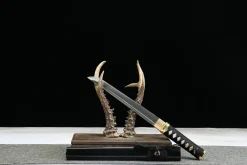
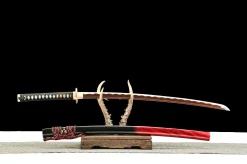
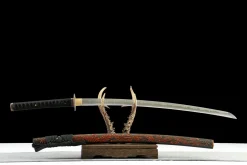
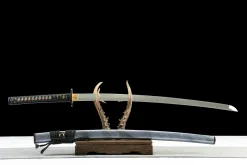
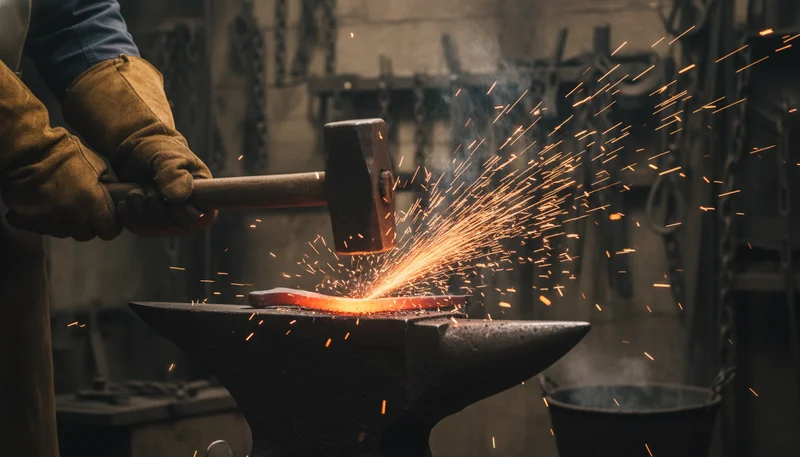
Katana Swords Shop was built on a single idea: get the best blades coming out of Longquan into the hands of buyers who actually understand what makes a sword worth owning. Not decorative wall pieces. Not factory reproductions. Real, hand-forged cutting swords made by smiths who have spent decades at the forge.

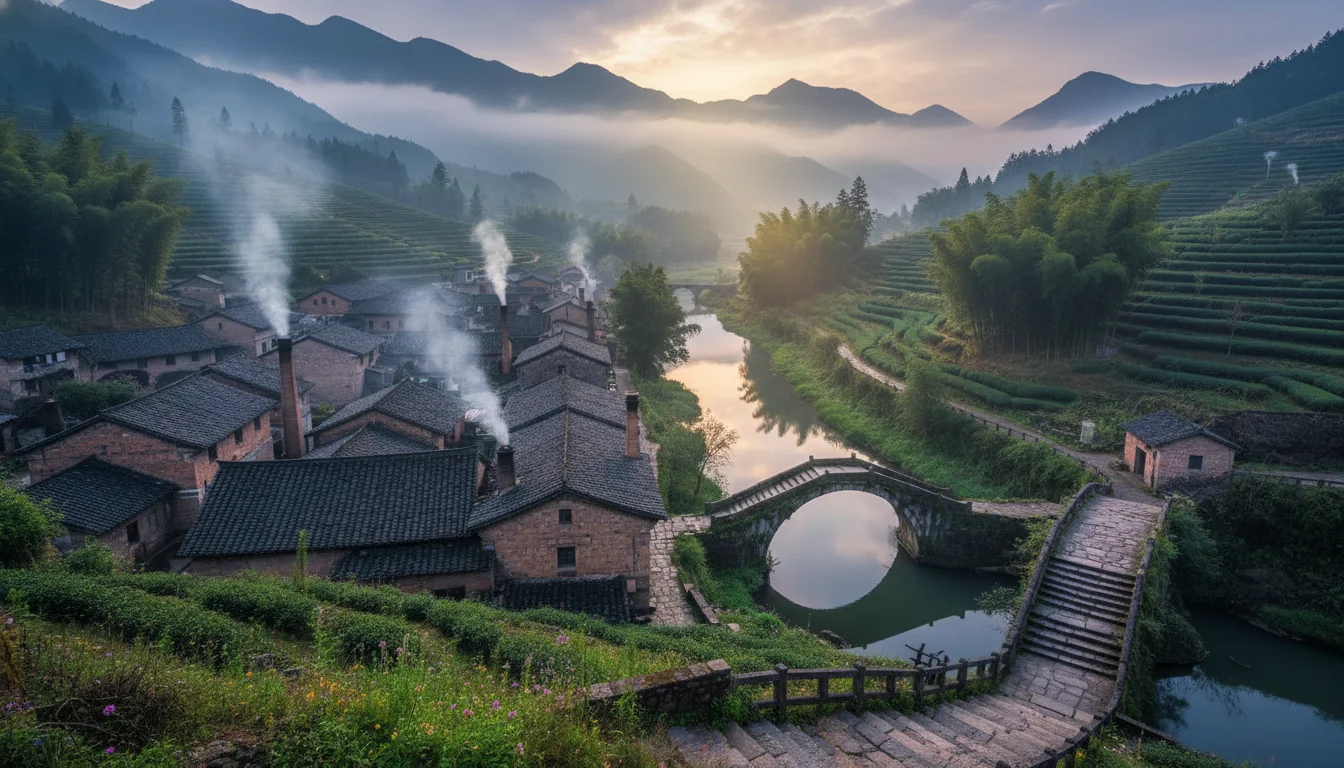
Longquan sits in Zhejiang Province, and it has been producing bladed tools since around 500 BC. The infrastructure here is unlike anywhere else on earth. A single street can hold a smelter, a grinding workshop, a handle-maker, and a lacquer specialist within walking distance of each other. That concentration of specialist knowledge is what makes a Longquan sword different, and it is what we built our sourcing around.

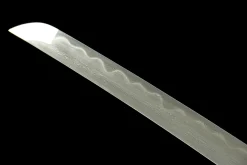
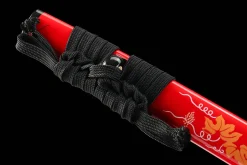
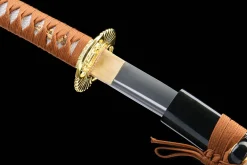
We work directly with a small group of smiths in the city. No middlemen, no wholesale catalogs. When a new blade design comes in, one of our team handles it, tests the geometry, checks the hamon line under magnification, and draws it from the saya a hundred times before it gets listed. If the habaki fit is loose, or the hamon muddies out near the yokote, it goes back. Those details matter to us the way they matter to you.

Every buyer who comes to us – whether they are a martial artist grinding through iaido practice or a collector adding a T10 clay-tempered piece to a serious rack – gets the same level of detail. We write out the steel specification, the hardness range, the geometry, the fittings material. You will never see us write “high quality steel” without telling you exactly which alloy it is and why we chose it for that blade.

Upload Image...

2,600 Years of Blade Mastery

Longquan’s blade-making history begins around 510 BC with Ou Yezi, a swordsmith who worked during the Spring and Autumn period. Historical records credit him with forging five legendary swords for King Helü of Wu, including Gan Jiang and Mo Ye. Those accounts are old enough that detail and legend have blurred together, but the geography is consistent: the city of Longquan, the iron-rich soil of the surrounding mountains, and the particular clarity of Ou Jiang river water – historically used in blade quenching – all point to the same place. That place is where our swords are still made today.

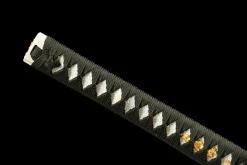
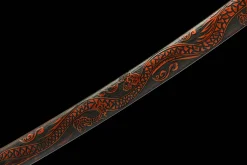
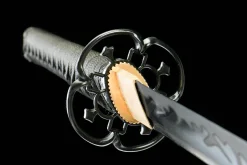
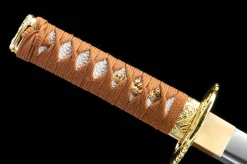
The katana form itself evolved separately, in Japan, from roughly 900 AD onward. Mounted warriors on Honshu needed a blade they could draw at speed from horseback, and the curved tachi was the result. By the Muromachi period (1336-1573), infantry combat had replaced cavalry, and the katana – shorter, worn edge-up, optimized for the quick vertical draw of iaijutsu – became the dominant form. The Edo period (1603-1868) hardened that form into cultural law: the Tokugawa shogunate required samurai to carry the daisho, the paired katana and wakizashi. Decorative fittings, the tsuba, menuki, and fuchi-kashira, became their own art form during those two and a half centuries of relative peace.

Chinese smiths and Japanese blade culture have always run on parallel tracks, each influencing the other through trade and conflict across centuries. What Longquan contributes today is deep material knowledge, hands trained across generations, and a production environment where a smith can spend four hours on a single differential heat treatment because the infrastructure supports that level of attention. That history is not decorative context. It is the reason these blades perform the way they do.

From Forge to Your Door

Our Promise

Ready to Find Your Blade?

Browse the full catalog. Every listing includes steel type, hardness rating, blade geometry, and fittings detail. No guesswork required.