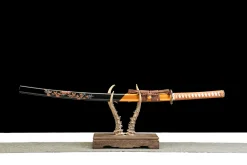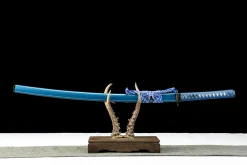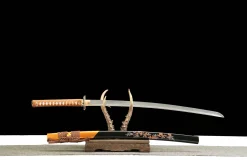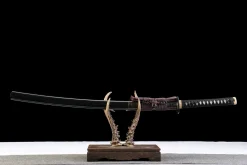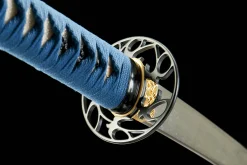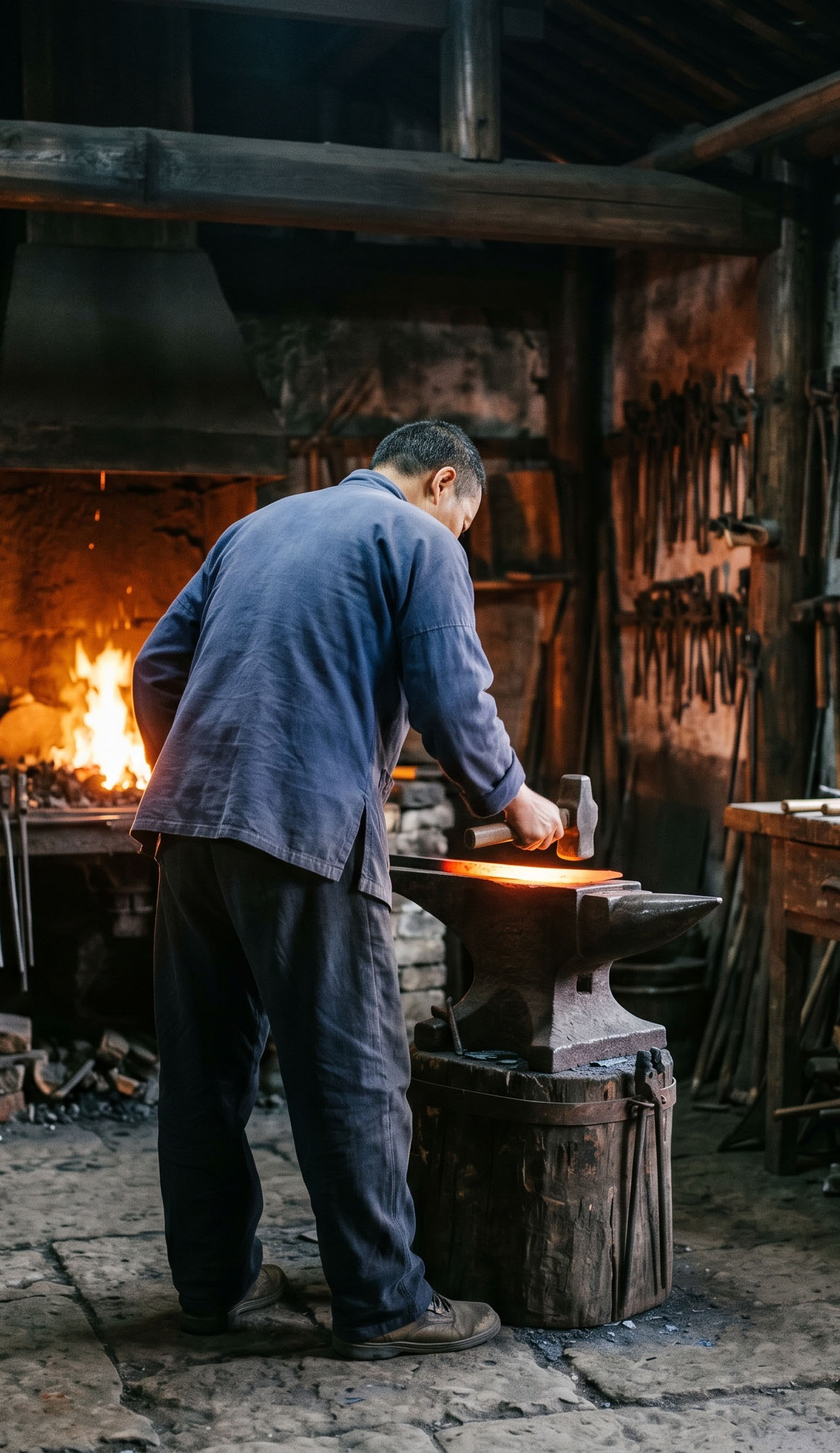
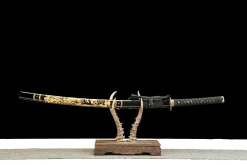
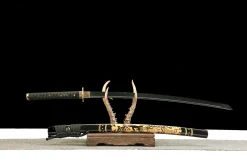
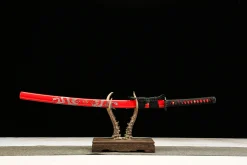


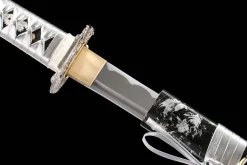


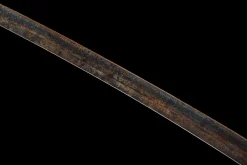
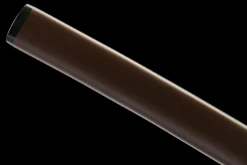
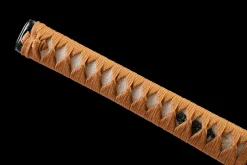


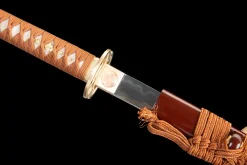

Sort of. But not exactly, and the difference matters more than most people realize. A katana is a samurai sword. That part is true. But saying “samurai sword” when you mean “katana” is like saying “kitchen knife” when you mean “chef’s knife.” The broader category contains the specific one, but they are not interchangeable terms. Samurai carried multiple blade types across their lifetime, and calling all of them katanas flattens a lot of meaningful distinction. The confusion comes from Western markets, where “samurai sword” became shorthand for any curved, single-edged Japanese blade. Collectors and martial artists already know the difference. If you are newer to this, understanding the distinctions will help you shop smarter, talk about swords more precisely, and know exactly what you are holding when you pick one up. Japanese sword classification is based on blade length, curvature, and the period in which the sword was designed to be worn. Each type served a different tactical purpose, and the forging geometry reflects that. Blade length: 60 to 73 cm (nagasa, measured from the base of the blade to the tip along the back edge). Worn edge-up through the obi. The katana became the dominant weapon of the Edo period (1603-1868), when close-quarters combat on foot was more common than mounted warfare. The geometry is what defines it. A moderate curvature (sori), a shinogi-zukuri cross-section with a defined ridge line, and a kissaki (tip) that can vary from small and practical to elongated and more decorative. A well-made katana shifts its balance point roughly a hand’s width ahead of the tsuba. Pick one up and you feel it pulling forward. That forward bias is intentional, built into the taper of the blade from the forge. Blade length: 30 to 60 cm. Worn paired with the katana as part of the daisho, the two-sword set that became a symbol of samurai status during the Edo period. The wakizashi was the backup blade, but also the one a samurai kept on him indoors when the longer katana was left at the door. Proportionally, the wakizashi has a slightly different curvature profile and a shorter handle. It was also used for seppuku, ritual suicide, which tells you something about how personal and close the relationship was between a samurai and this particular blade. Blade length: under 30 cm. No meaningful curvature. The tanto is a stabbing and slashing knife, not a sword in the traditional sense, but it was absolutely part of a samurai’s carried arsenal. Tanto blades often feature a hira-zukuri grind, which means no ridge line and a flat bevel running directly from the spine to the edge. That geometry concentrates impact on a narrower edge and makes tanto blades exceptionally effective for piercing. Blade length: 60 to 90 cm, often longer than a katana. More pronounced curvature. Worn edge-down, suspended from the belt rather than thrust through it. The tachi predates the katana and was designed for mounted combat, where a longer, more curved blade made it easier to slash downward from horseback. This is a detail that trips up a lot of buyers: if you see a Japanese sword worn edge-down in a period painting or film, that is a tachi, not a katana. The wearing position was the key visual marker of social and tactical context. The short answer is that the katana was the sword most associated with samurai at the moment Japan opened to the West, and Western audiences locked onto that association. By the late 19th century, the tachi had already faded from practical use. Tanto were small enough to be overlooked. The wakizashi was always secondary. The katana was the blade that defined the image of the samurai in that moment, and the image stuck. Martial arts exports reinforced it. Iaido and kenjutsu practice uses the katana almost exclusively. When Japanese sword arts spread internationally through the 20th century, students trained with katana, studied katana terminology, and brought that vocabulary home with them. The word traveled with the practice. Film played its part too. Akira Kurosawa’s samurai films, which introduced millions of Western viewers to Japanese sword culture, feature katana prominently. That cinematic image became the reference point for an entire generation of enthusiasts. None of this is wrong, exactly. It is just incomplete. The katana category dominates the modern sword market for legitimate historical reasons. But those reasons are cultural and commercial, not because the katana was the only blade that mattered. If you want to go deeper on how steel choices affect blade performance across different Japanese sword types, our steel comparison guide breaks down the material differences between T8, T10, and laminated construction in practical terms. In practice, when you see “samurai sword” in a product listing, it almost always means a katana. The term is used as a search-friendly label, because that is what most buyers type. Sellers know this. So do search engines. The phrase “samurai sword” generates more search volume than “katana” in most English-speaking markets, and product listings reflect that reality. What this means for buyers: look past the label and read the specifications. A listing titled “samurai sword” should still tell you the blade length in centimeters, the steel type and carbon content, whether it has been clay tempered (and if so, whether a real hamon is present or just an acid-etched cosmetic line), the handle material, and the fittings. If the listing does not give you those numbers, that tells you something too. On our end, when you browse our Damascus steel collection or any other category, every product specifies the steel, the forging method, and the heat treatment hardness. The Silent Thunder, for example, is listed as T10 high speed tool steel, clay tempered, with a real hamon visible along the edge. That is a verifiable detail, not a marketing claim. The Ink Meteor uses 三枚合 (san-mai) construction, a laminated three-panel structure where a harder high-carbon core is sandwiched between softer outer steel. That is a specific forging decision with specific performance consequences: a harder edge with a more impact-resistant body. You should know that before you buy, and any seller worth their forge time will tell you upfront. Before you commit to any blade, work through our complete buying guide. It covers everything from steel grade selection to handle length fitting for your draw style. Once you own a blade, our sword care guide will walk you through the maintenance routine that keeps an edge functional for years. One thing to watch for in any listing: the word “handmade” means very little without context. In Longquan, we have smiths who hand-file every tang, and factories that stamp “handmade” on machine-ground blades. Ask specifically whether the blade was hand-forged, stock-removal ground, or machine-finished. Those are three different processes that produce three different results.
Are They the Same Thing?
Types of Samurai Swords
Katana
Wakizashi
Tanto
Tachi
Why “Katana” Became the Default Term
What Sellers Mean by “Samurai Sword”
Frequently Asked Questions
Hand-Forged Katana — Browse the Collection.
Clay-Tempered Damascus Steel Abyss Edge – Hand Forged Clay-Tempered Damascus Steel Katana Sword