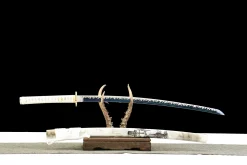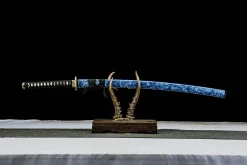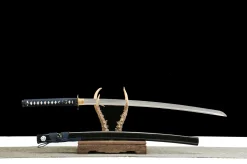

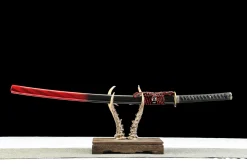

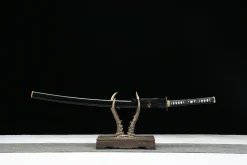
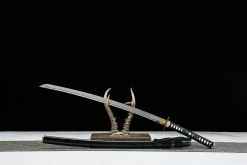
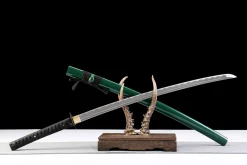

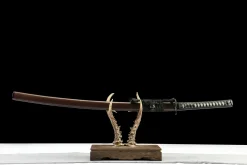



Dark Soul – Hand Forged T10 Tool Steel Katana Sword
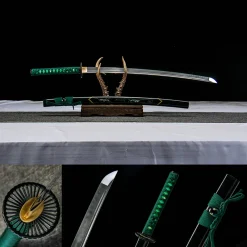
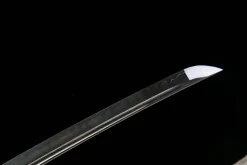
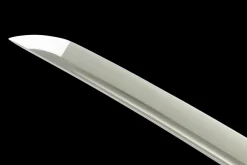
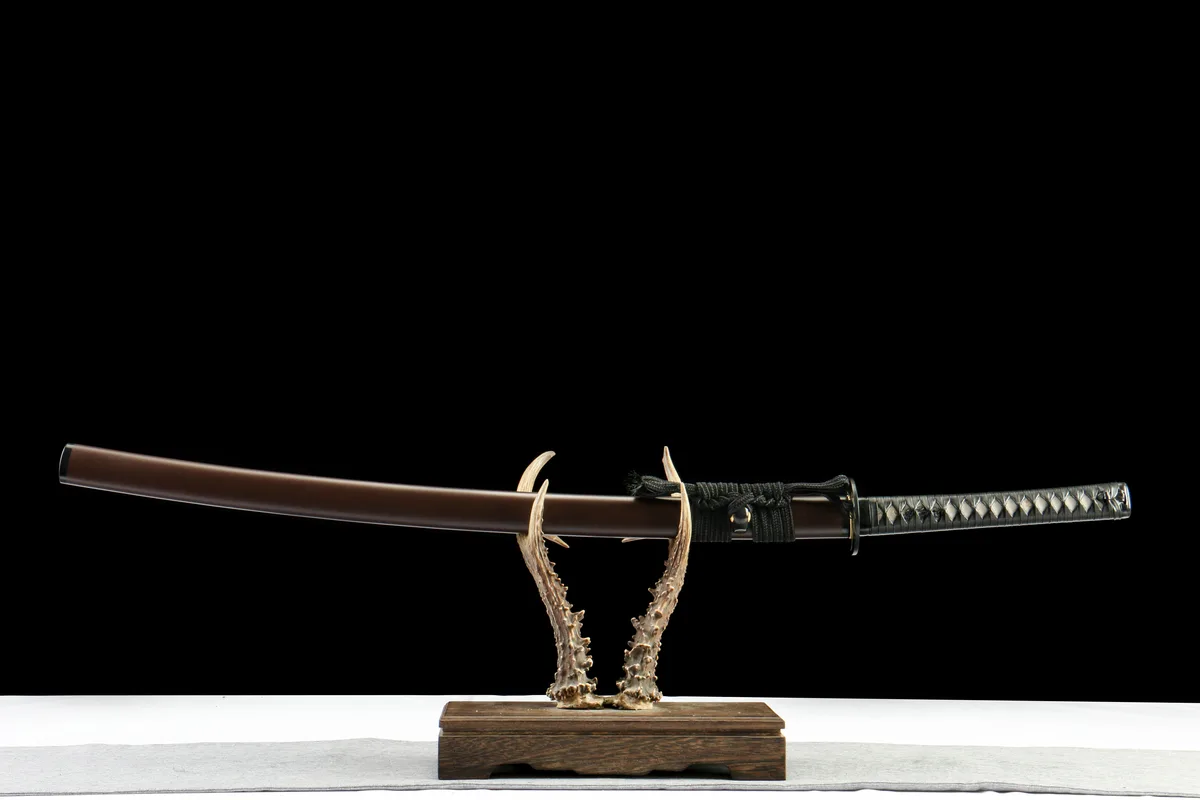
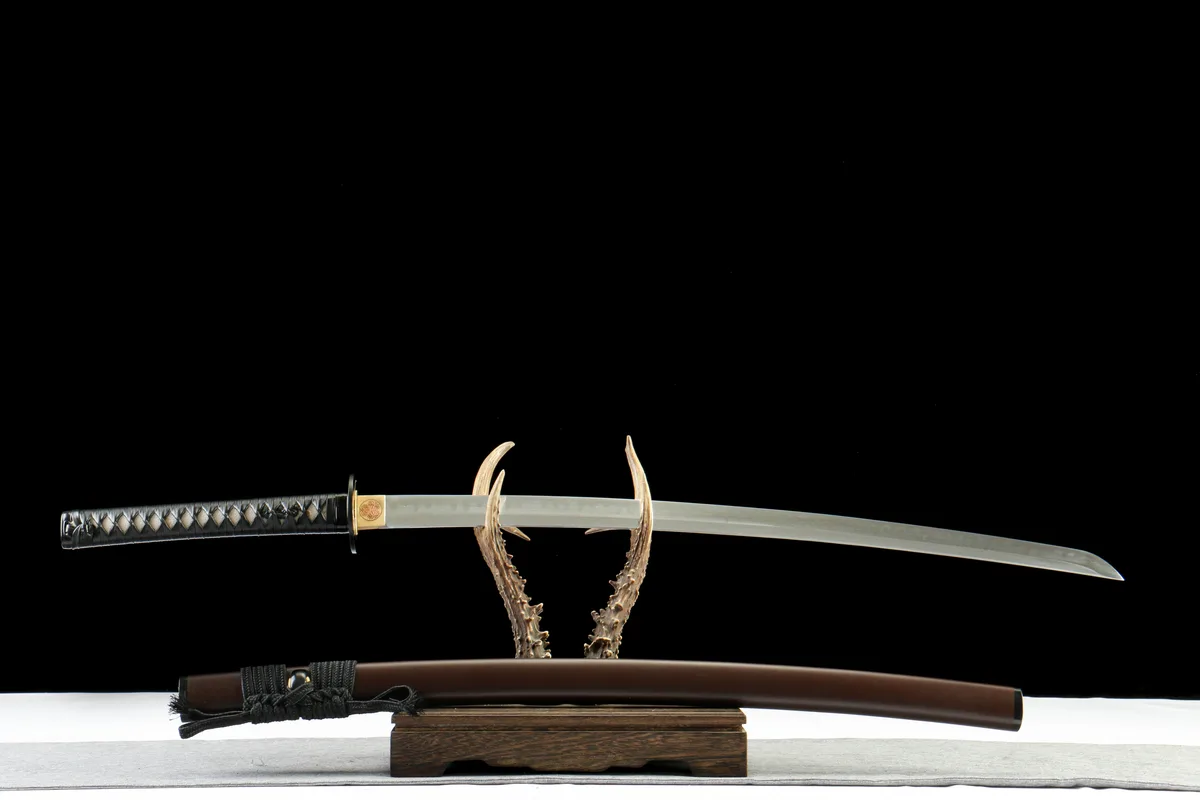
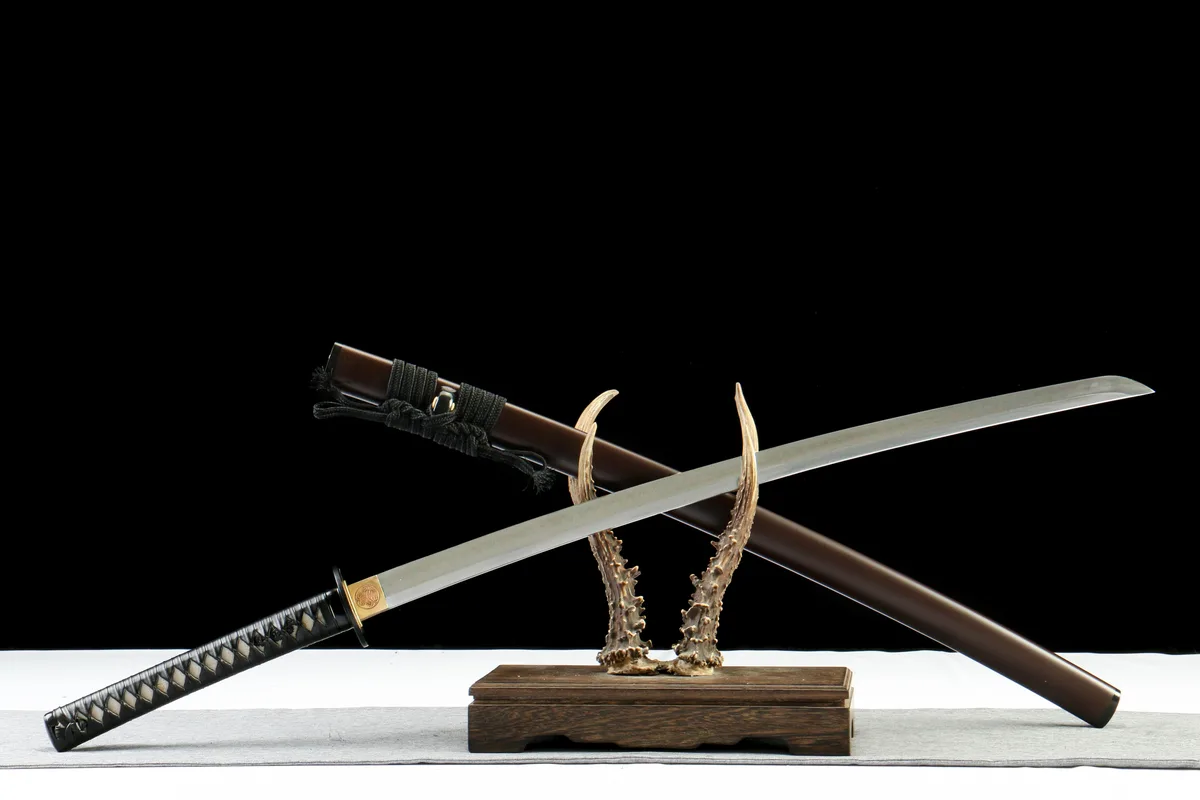
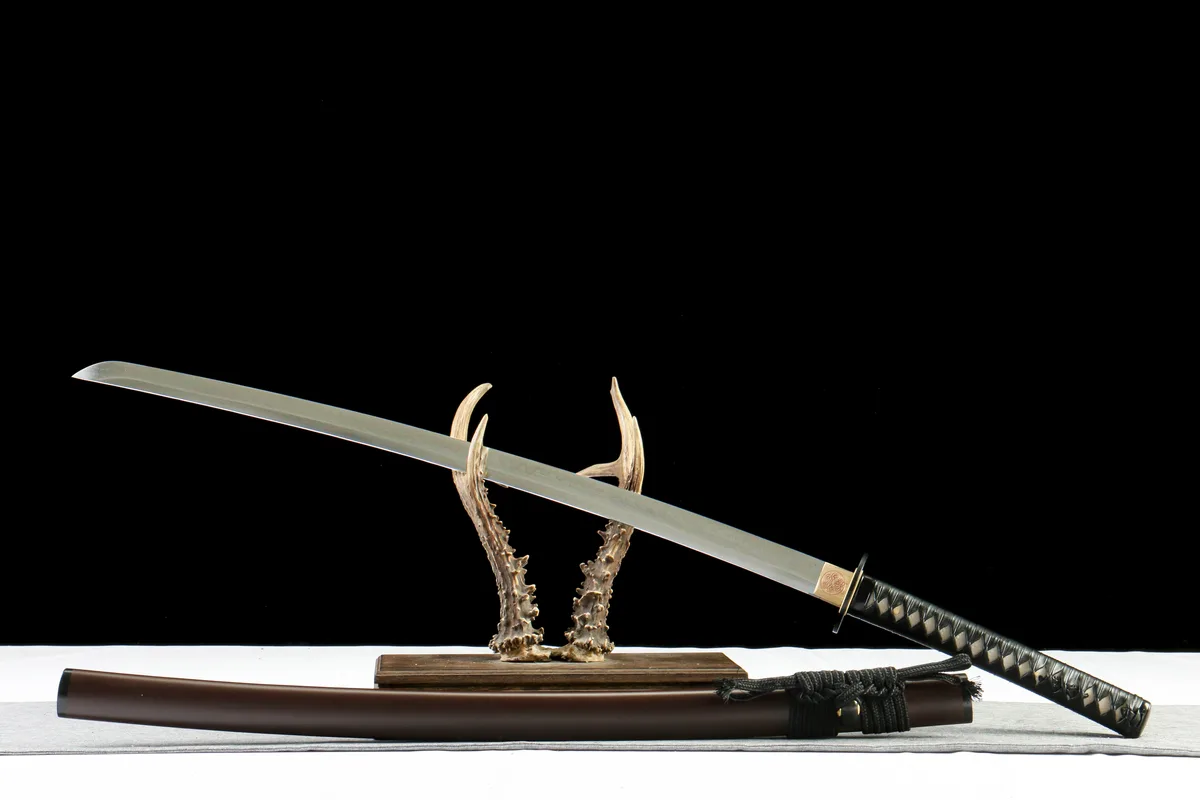
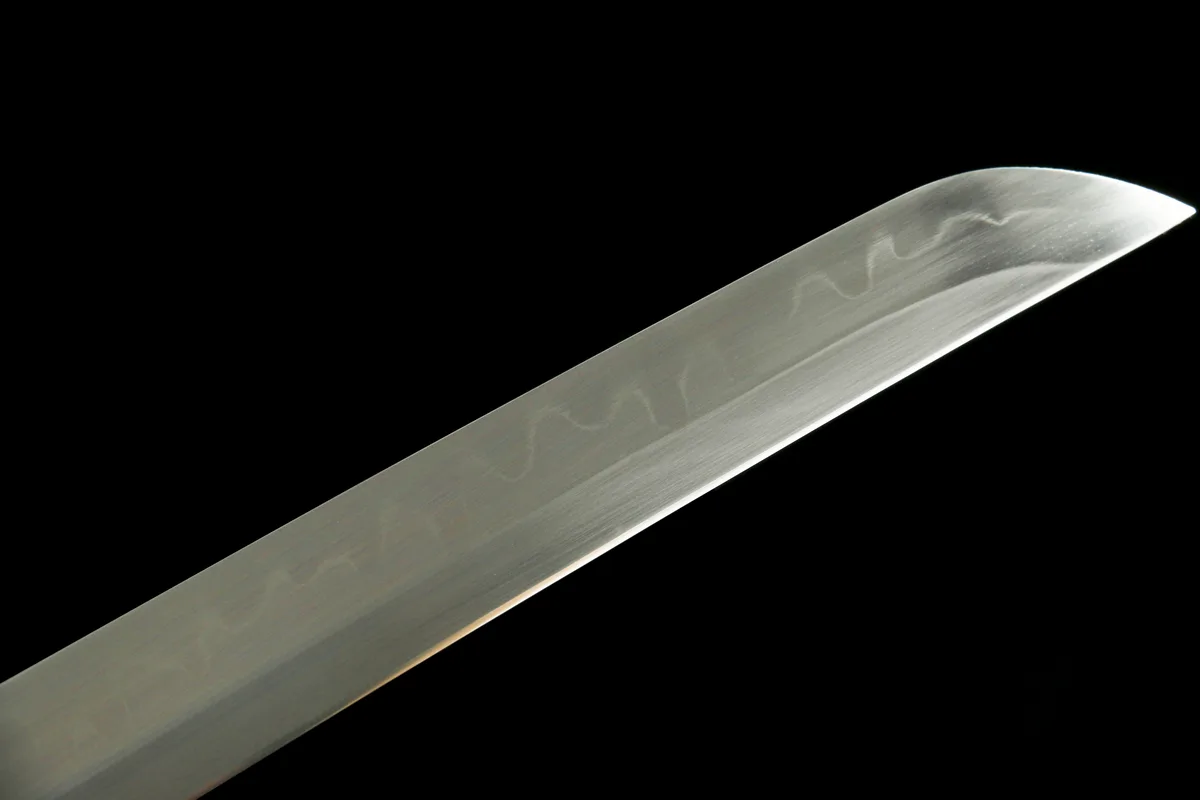
Hand-forged T10 Tool Steel katana (102cm total / 72cm blade), crafted in Longquan. Clay-tempered blade with a genuine hamon line — visible contrast between hardened edge and soft spine.
$429.99
Dark Soul – Hand Forged T10 Tool Steel Katana Sword
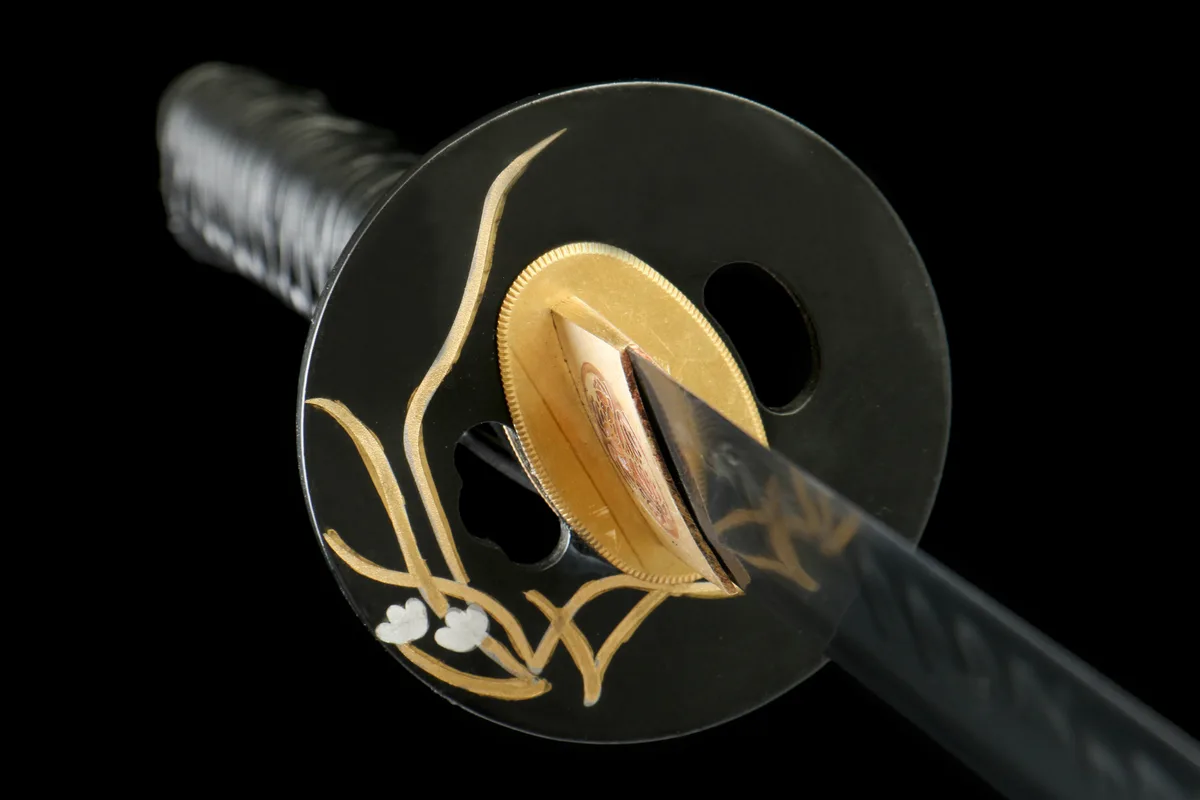
Two things distinguish the Dark Soul from other clay-tempered T10 blades in this category: the iron fittings carry hand-applied gold detail work described in the Chinese name as 描金 – fine-line gold painting applied directly to the iron surface – and the hamon produced by differential hardening on T10 steel runs the full 72 cm of blade with the character of a piece that was not rushed through production.
Specifications
| Blade Steel | T10 High Speed Tool Steel |
| Total Length | 102.0 cm / 40.2 in |
| Blade Length | 72.0 cm / 28.3 in |
| Blade Width | 3.2 cm |
| Blade Thickness | 0.7 cm |
| Weight | 1040 g / 36.7 oz |
| Heat Treatment | Clay tempering, differential hardening |
| Fittings | Iron with gold detail (描金) |
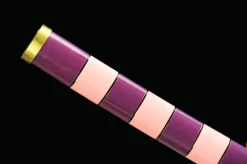
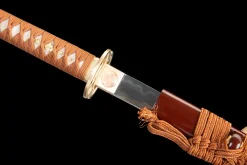
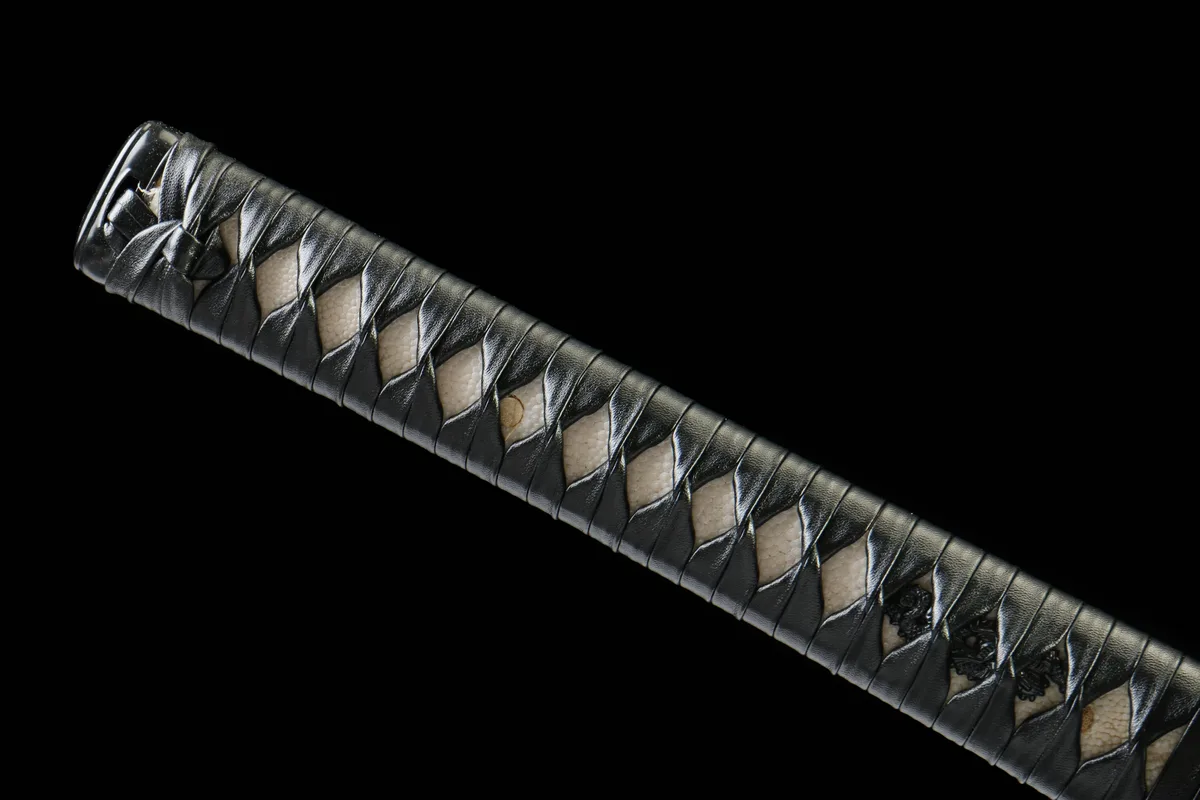
| Handle | Cotton ito wrap + genuine rayskin (same) |
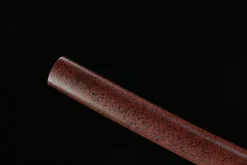
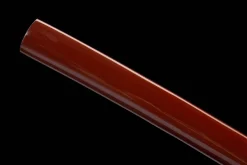
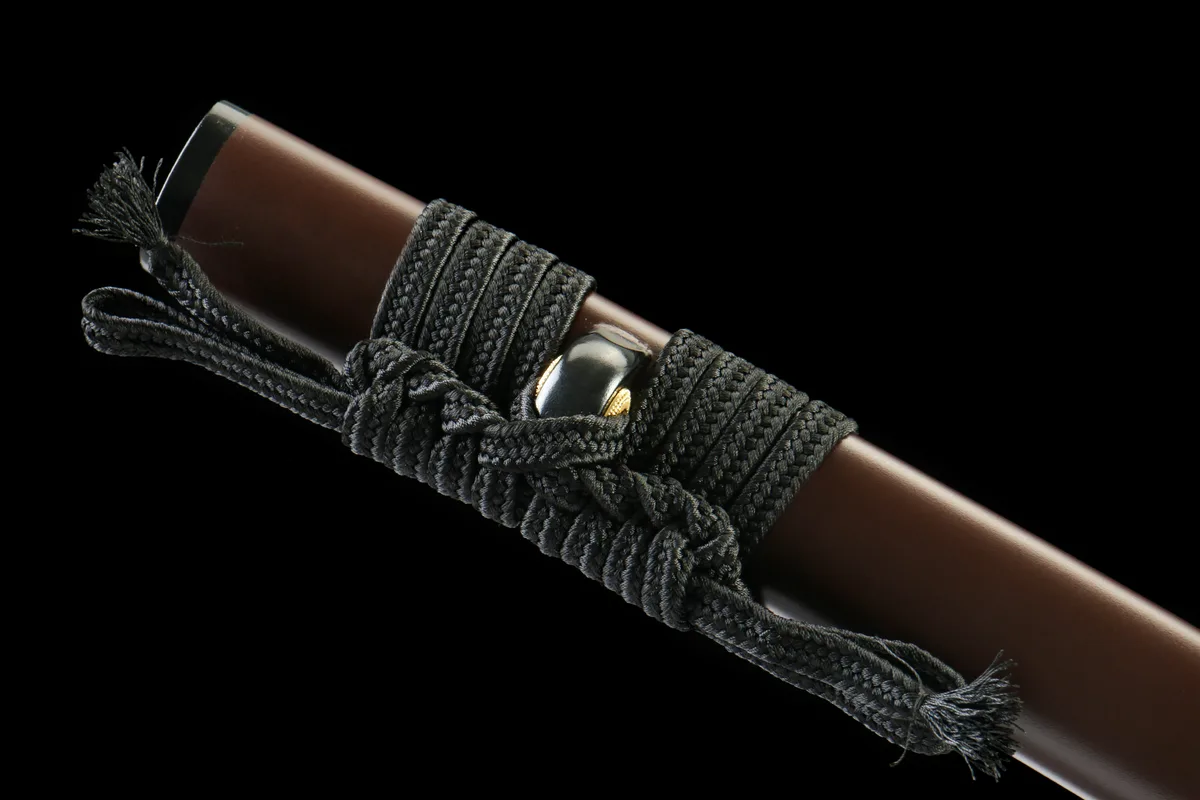
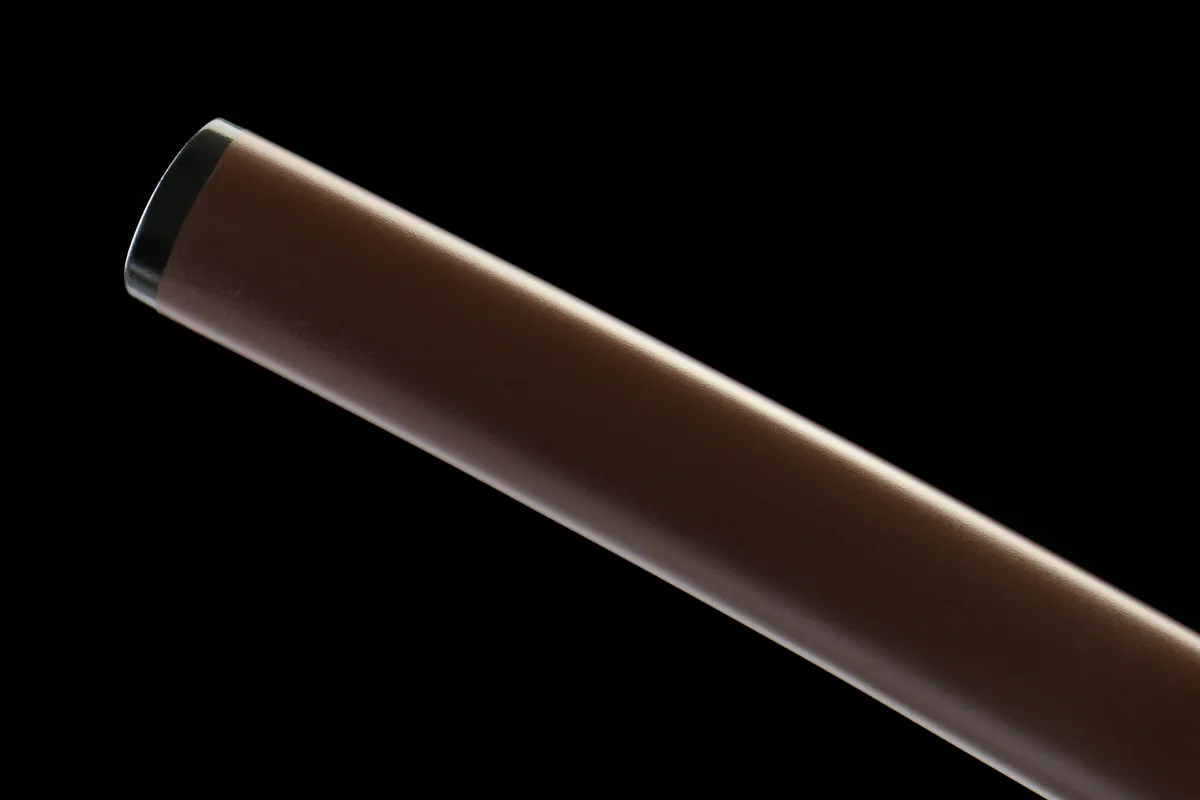
| Sheath | Hardwood, high-gloss lacquer |
Steel & Construction
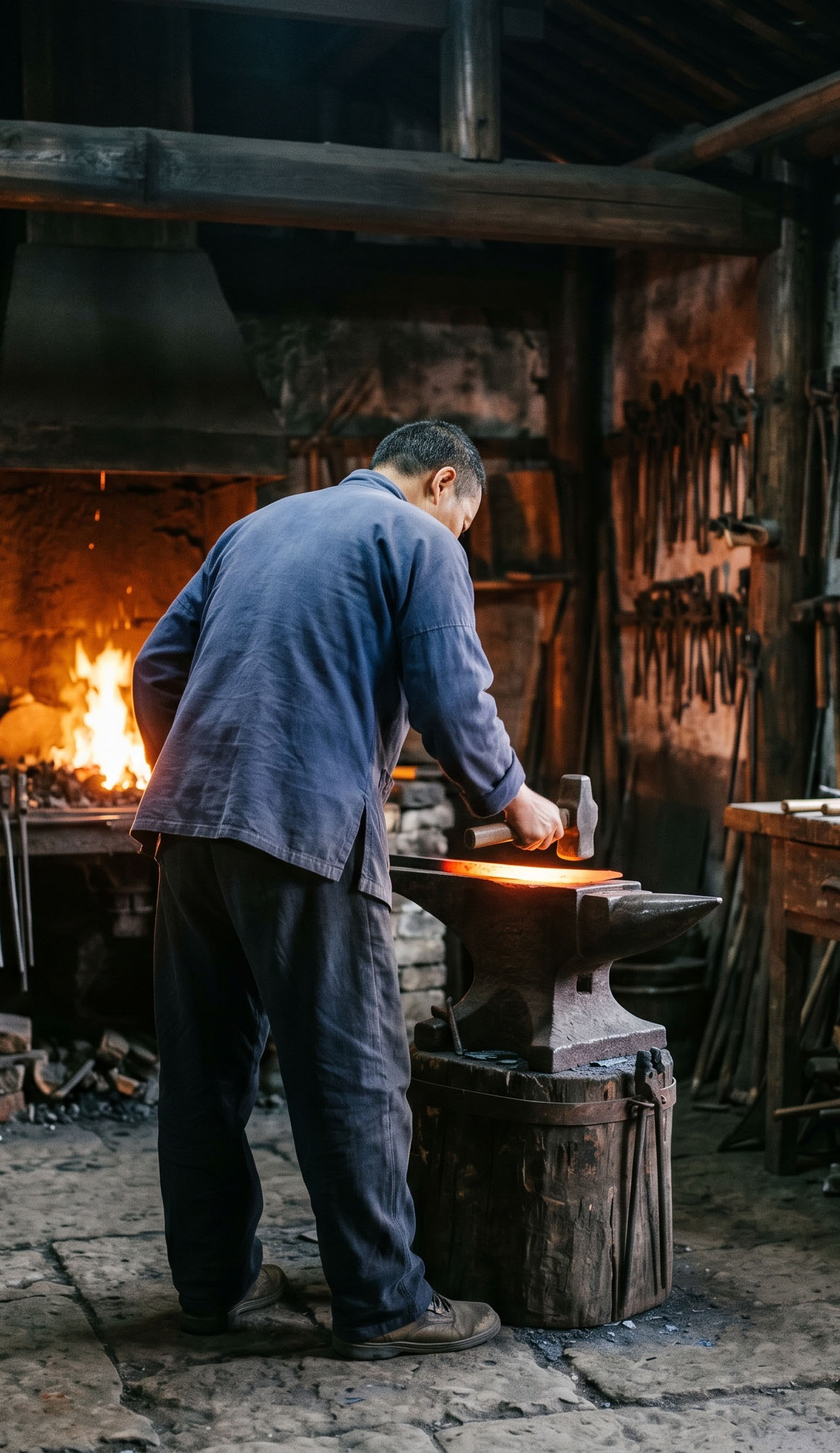
T10 tool steel begins with a carbon content near 1.0% and a tungsten addition that controls grain growth during hardening. The consequence of that grain control is an edge that polishes to a finer level of sharpness and holds it longer under cutting stress than lower-carbon steels can manage. The liability of T10 is brittleness if hardened uniformly – which is precisely why clay tempering exists. Refractory clay applied to the spine before quenching insulates the back of the blade through the cooling cycle, leaving the spine in a tough, lower-hardness state while the uncoated edge hardens rapidly into martensite. The result is a blade with two distinct hardness zones in a single piece of steel, separated by the hamon – the visible temper line that is both a structural boundary and the most legible evidence of what the smith did to this specific piece of metal.
The 鎬造 (shinogi-zukuri, ridgeline) construction runs a defined shinogi ridge along the upper blade, creating a flat shinogi-ji between the ridge and the spine. This geometry is traditional for a reason: it provides longitudinal stiffness across the full blade length while keeping the edge geometry thin and acute. The iron tsuba (handguard) and fittings carry 描金 gold line work – a decorative technique where fine gold detail is painted directly onto the iron surface, producing warm contrast against the dark metal without gilding or plating the entire fitting. The high-gloss lacquer saya seals the hardwood core and provides a clean visual counterpart to the polished blade.
Handling
Twenty-six centimeters of handle, wrapped in cotton ito over genuine rayskin (same), gives the hands a full two-hand purchase with room to control spacing between grips. The rayskin beneath the wrap is not decorative – its calcified nodules create a surface that the cotton wrap presses into, locking the ito in place and preventing any shift under lateral force. The grip texture is firm and present without being abrasive. Drawing from the lacquered hardwood saya, the blade exits cleanly – the lacquered interior keeps contact friction consistent across the full 72 cm length – and the shinogi-zukuri profile is immediately readable through the hands as the blade clears the koiguchi (saya mouth).
Care Instructions
Wipe the blade clean after every use and apply choji oil – a traditional mix of clove and mineral oil – to the full surface before storage, including the hamon transition zone which is particularly susceptible to moisture intrusion. The 描金 gold detailing on the iron fittings should be cleaned gently with a dry cloth only; avoid water or chemical cleaners on the iron surfaces. Store in the saya in a stable, low-humidity environment and inspect the oil coat every few months during long-term storage.
| Weight | 1.32 lbs |
|---|---|
| Dimensions | 102.0 × 3.2 × 0.7 in |
| Hamon | Real Hamon (Clay Tempered) |
| Blade Steel | T10 Tool Steel |
| Total Length | 102.0 cm |
| Blade Length | 72.0 cm |
| Heat Treatment | Clay Tempering (Differential Hardening) |
| Handle Wrap | Cotton Ito + Genuine Rayskin |
| Sheath Material | Hardwood (High-Gloss Lacquer) |
| Fittings | Iron |
| Forging Style | 鎬造 |
Related products