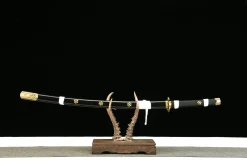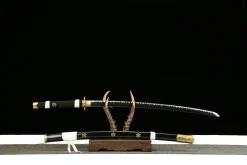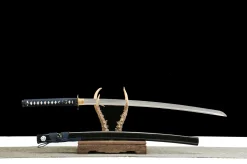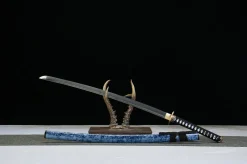
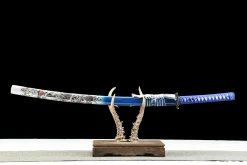
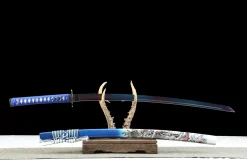
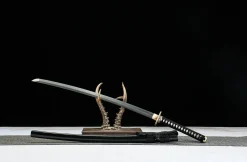

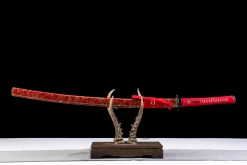



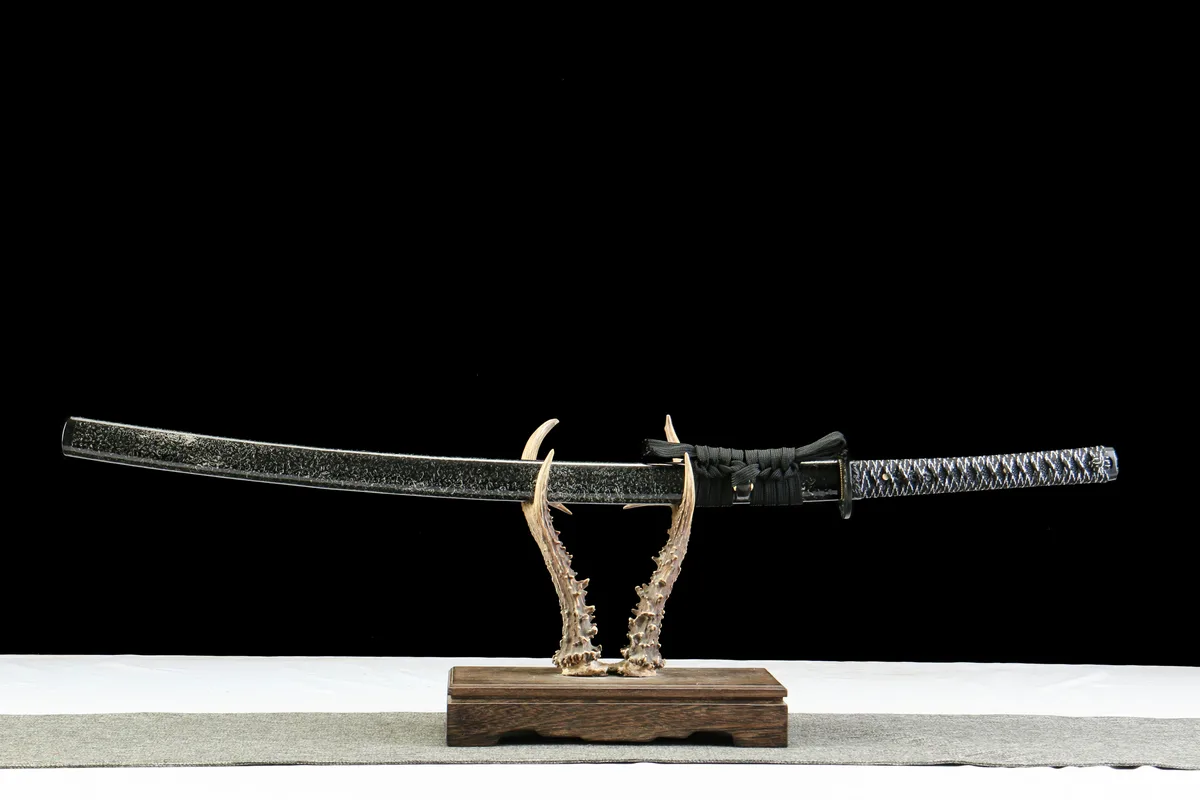



Demon Mark – Hand Forged 1065 Carbon Steel Katana Sword
Hand-forged 1065 Carbon Steel katana (103cm total / 72cm blade), crafted in Longquan. Full-tang construction with traditional fittings and hand-lacquered saya.
$199.99
Demon Mark – Hand Forged 1065 Carbon Steel Katana Sword
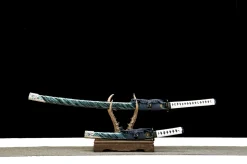
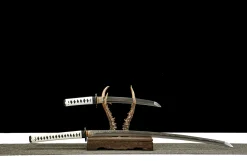
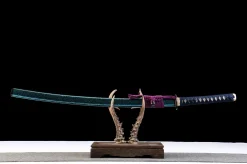
The Demon Mark (鬼纹) is a mid-range shinogi-zukuri katana forged from specially processed 1065 high carbon steel — a blade steel recommended by experienced practitioners as the ideal balance between edge retention, toughness, and affordability. Paired with the haunting contrast of its dark green aohada bark-wood saya, the Demon Mark carries an air of quiet menace that suits its name perfectly. At $170, this is the serious beginner’s or intermediate practitioner’s katana: properly hardened, properly proportioned, and ready for functional use.
Specifications
| Blade Steel | 1065 High Carbon Steel, Special Process |
| Total Length | 103.0 cm / 40.6 inches |
| Blade Length | 72.0 cm / 28.3 inches |
| Blade Width | 3.2 cm |
| Weight | 950 g / 33.5 oz (net) |
| Heat Treatment | Oil Quench & Temper |
| Fittings | Zinc Alloy |
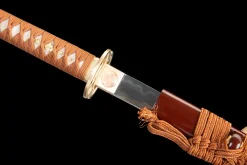
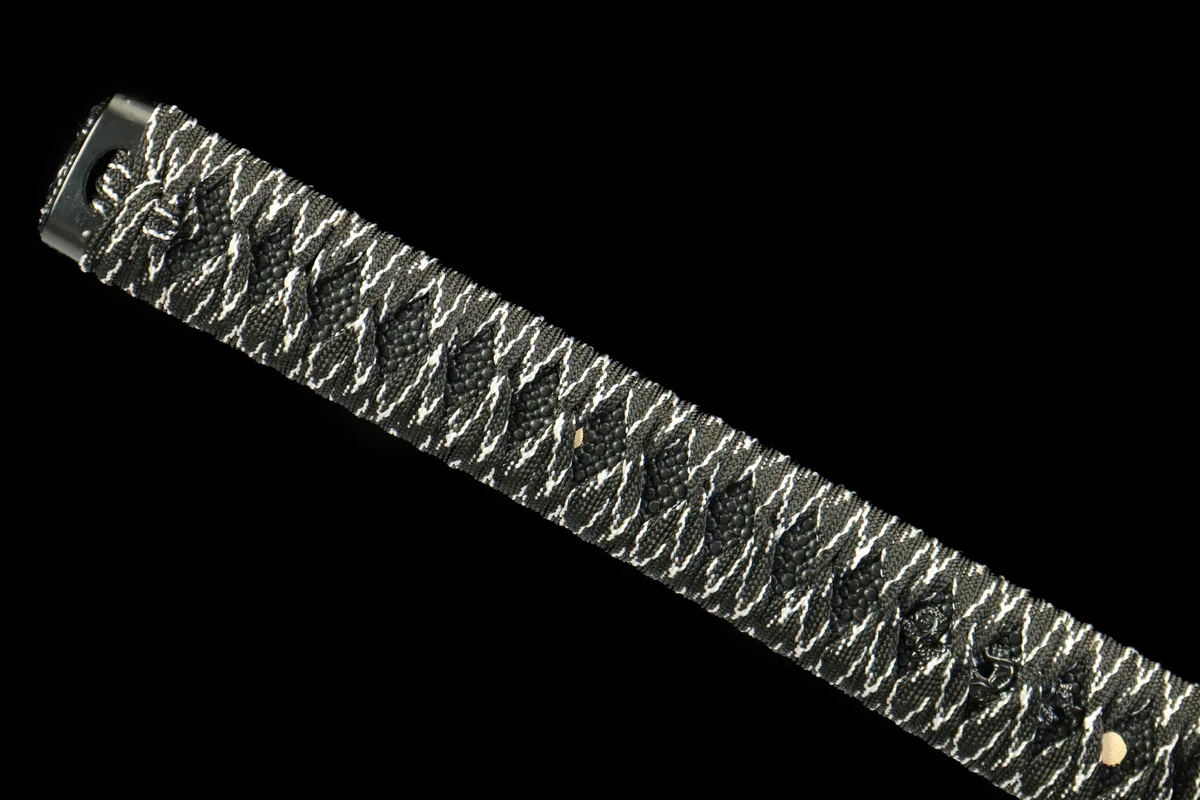
| Handle | Cotton Ito Wrap |
| Sheath | Green Bark Wood (Aohada) |
Craftsmanship & Materials
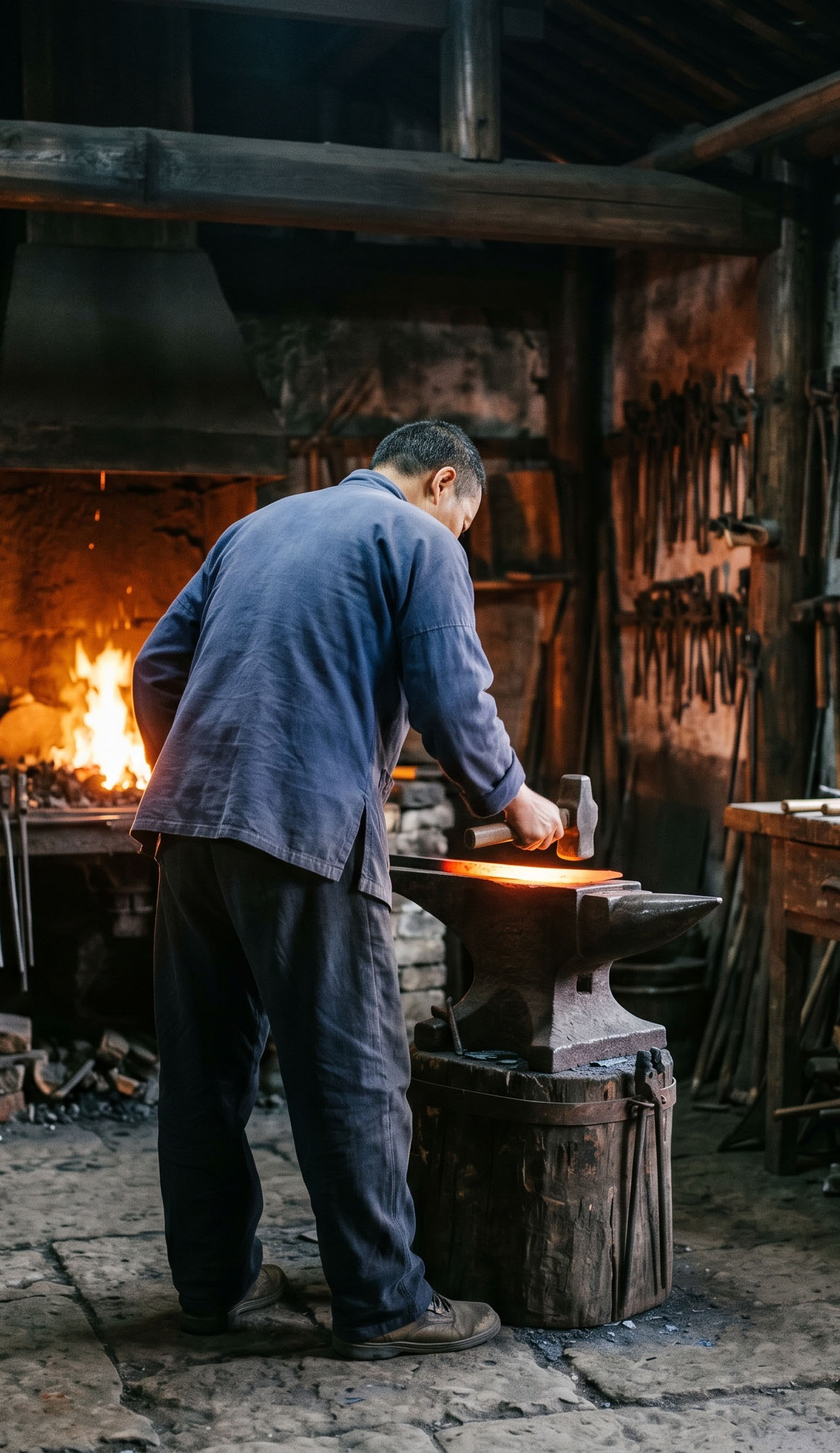
1065 high carbon steel occupies a particularly respected position in the Japanese sword tradition — at 0.65% carbon content, it sits between the forgiving toughness of lower-carbon steels and the edge-retaining brittleness of ultra-high-carbon alloys. Historically, many functional katana were forged from steels in this carbon range precisely because the resulting blades could withstand the unpredictable stresses of real use without catastrophic failure. The Demon Mark’s “special process” designation reflects the additional thermal cycling and controlled normalisation that Longquan smiths apply before the final oil quench and temper, refining the grain structure and maximising the steel’s inherent toughness.
Forged in the shinogi-zukuri style — the ridgeline geometry that channels cutting force along the blade’s central spine — the Demon Mark achieves excellent slicing performance through tatami mats and similar cutting media. The shinogi ridge also provides a natural visual distinction between the flat ji surface and the bevelled ha, giving the blade a clean, purposeful geometry that experienced eyes immediately recognise as functional rather than decorative. The oil quench produces a blade of consistent hardness along the cutting edge without the additional cost of clay application.
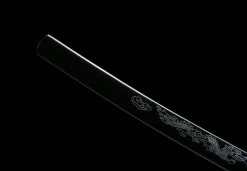
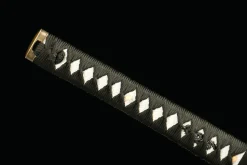
The name 鬼纹, meaning “demon mark” or “demon pattern,” hints at the subtle surface character the special-process treatment can impart to 1065 steel — faint grain patterns that emerge after polishing, not as dramatic as Damascus layering, but with their own understated character. The green bark-wood saya and tightly wound cotton ito tsuka wrap complete a package that feels serious and intentional, a working sword dressed for purpose rather than pageantry.
Perfect For
- Dedicated beginners and intermediate practitioners who have outgrown entry-level 1045 steel and want the improved edge performance of a genuine high-carbon blade.
- Tameshigiri cutting practice on rolled tatami mats — 1065’s combination of toughness and edge retention makes it an excellent choice for repeated cutting sessions.
- Martial arts schools and dojos seeking cost-effective, durable training katana that won’t require constant re-polishing or edge repair under regular supervised use.
Care & Maintenance
1065 high carbon steel responds very well to consistent maintenance: wipe the blade clean with a soft uchiko cloth after every use, removing fingerprint oils and any moisture from the surface before applying a thin coat of choji oil. Because 1065 holds a finer edge than lower-carbon steels, invest in proper Japanese water stones (800/2000/4000 grit progression) for touch-up sharpening rather than coarse mechanical sharpeners that can remove too much material. Store the Demon Mark in a cool, dry environment — a horizontal sword rack or sword bag with moisture-absorbing silica is ideal — and inspect the edge monthly for any micro-rust spots that should be addressed immediately.
| Weight | 1.2 lbs |
|---|---|
| Dimensions | 103.0 × 3.2 × 0.7 in |
| Hamon | Decorative / Acid-Etched |
| Blade Steel | 1065 Carbon Steel |
| Total Length | 103.0 cm |
| Blade Length | 72.0 cm |
| Heat Treatment | Oil Quench & Temper |
| Handle Wrap | Cotton Ito Wrap |
| Sheath Material | Green Bark Wood (Aohada) |
| Fittings | Zinc Alloy |
| Forging Style | Shinogi-Zukuri (Ridgeline) |
Related products