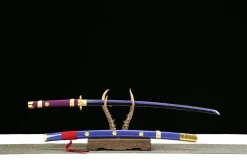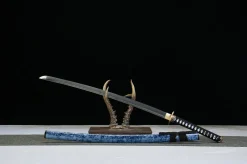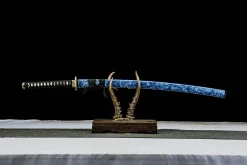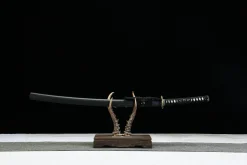






Earth Shadow – Hand Forged T10 Tool Steel Katana Sword
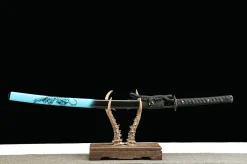
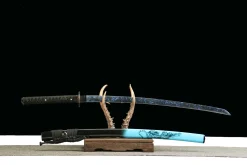
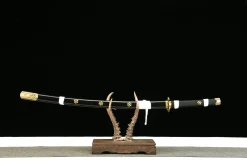
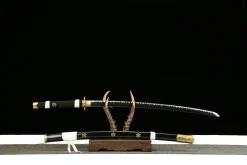
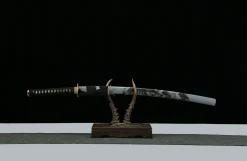
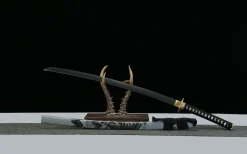
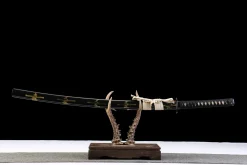
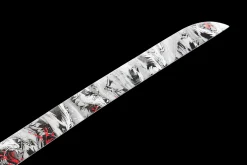
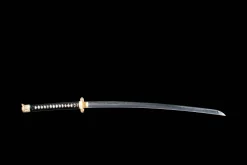
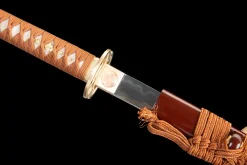
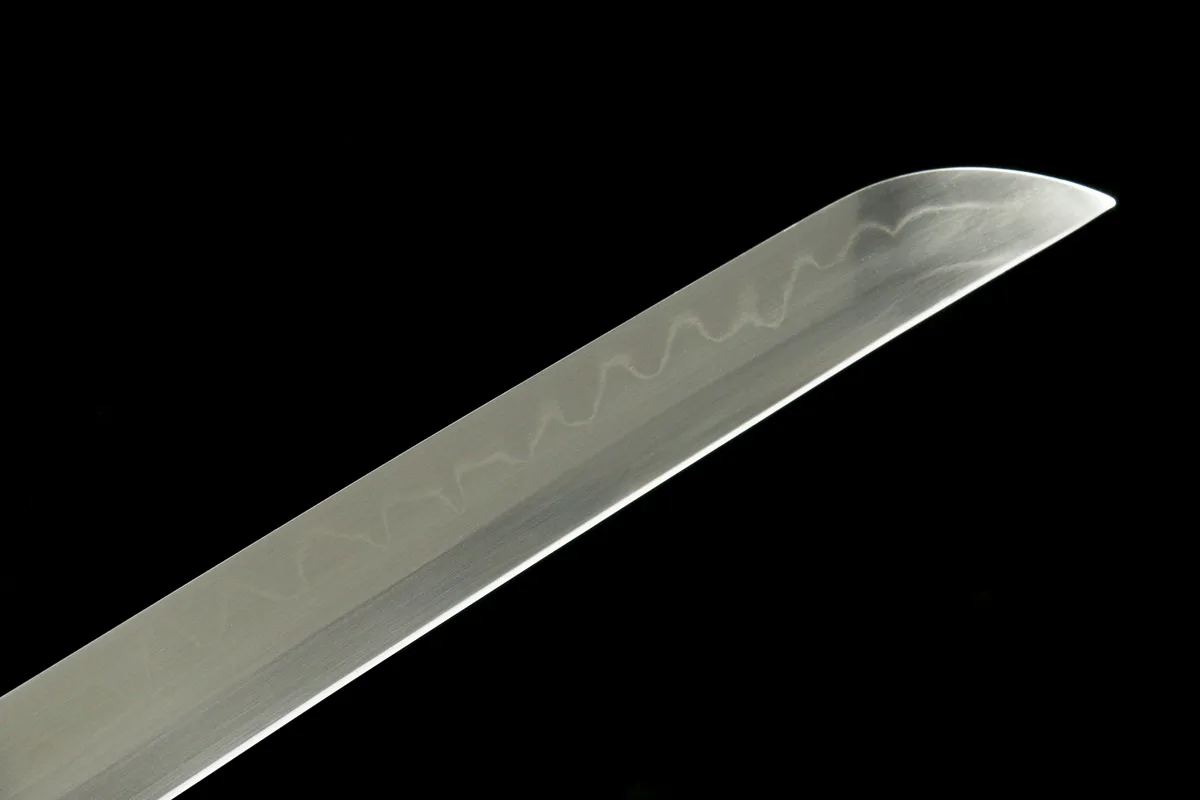
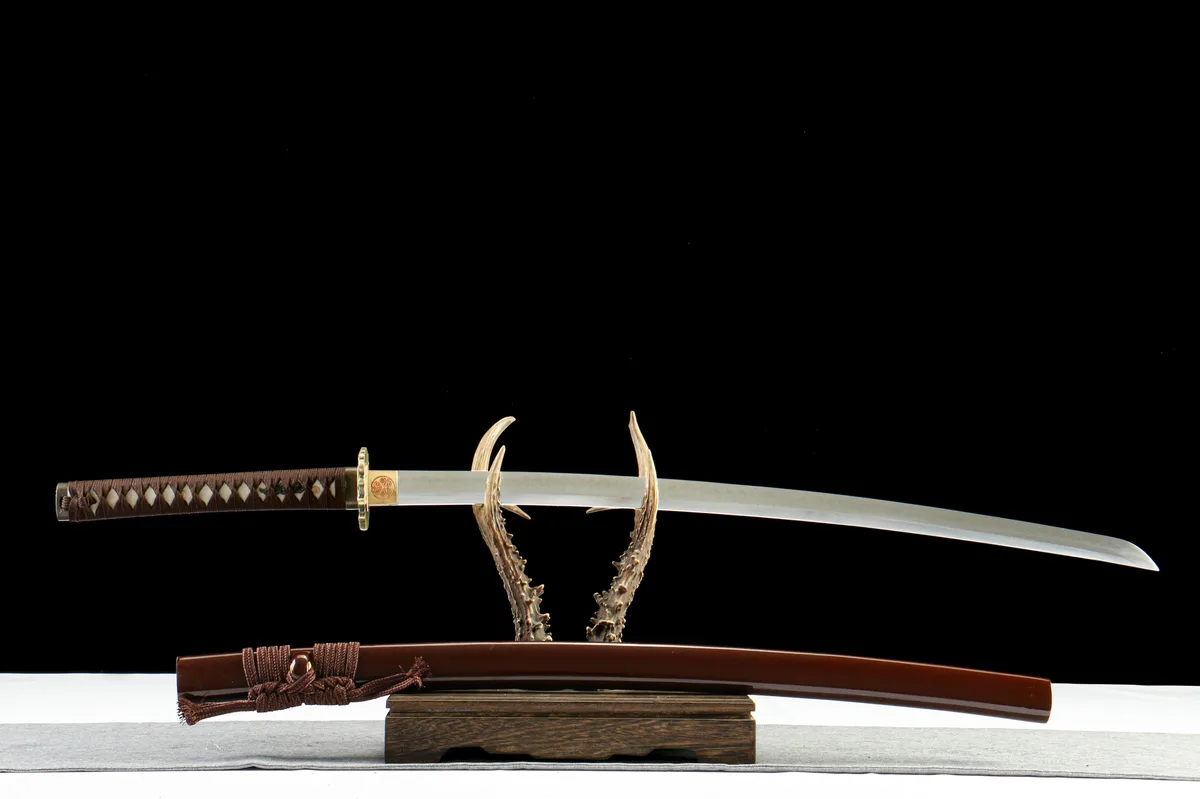
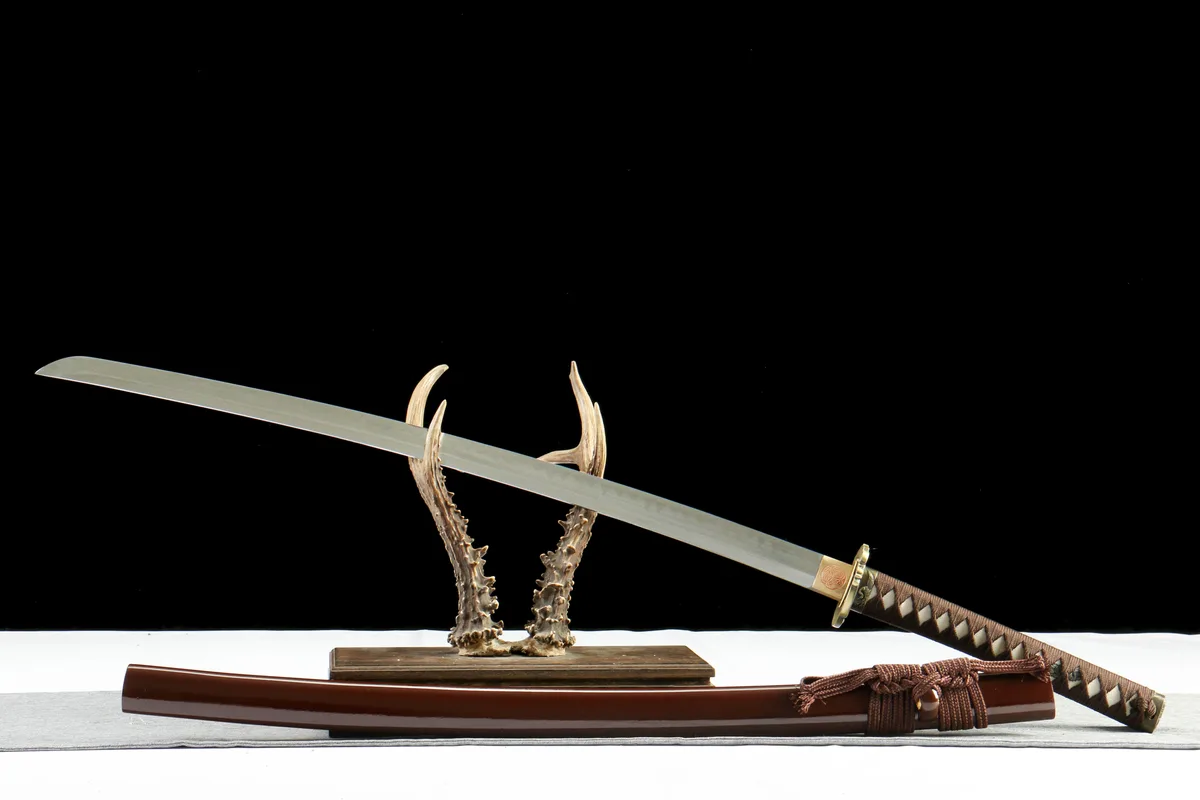
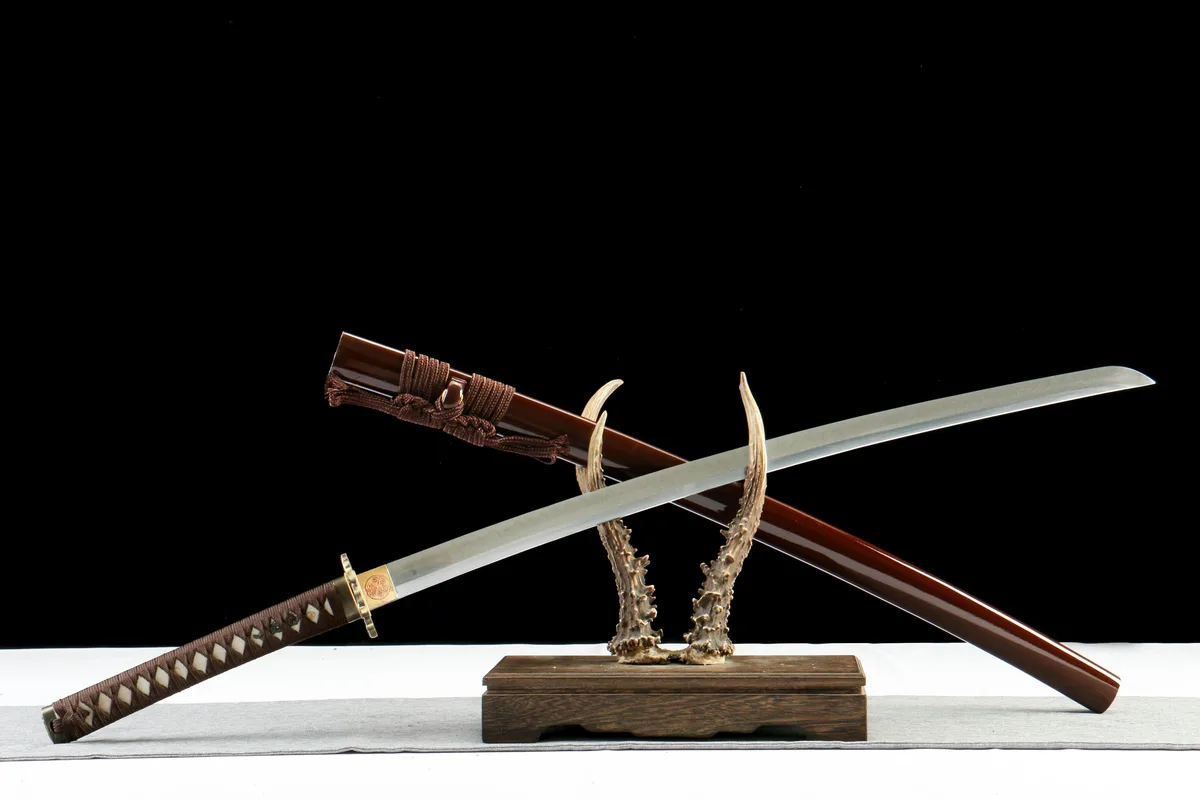
Hand-forged T10 Tool Steel katana (102cm total / 72cm blade), crafted in Longquan. Clay-tempered blade with a genuine hamon line — visible contrast between hardened edge and soft spine.
$419.99
Earth Shadow – Hand Forged T10 Tool Steel Katana Sword
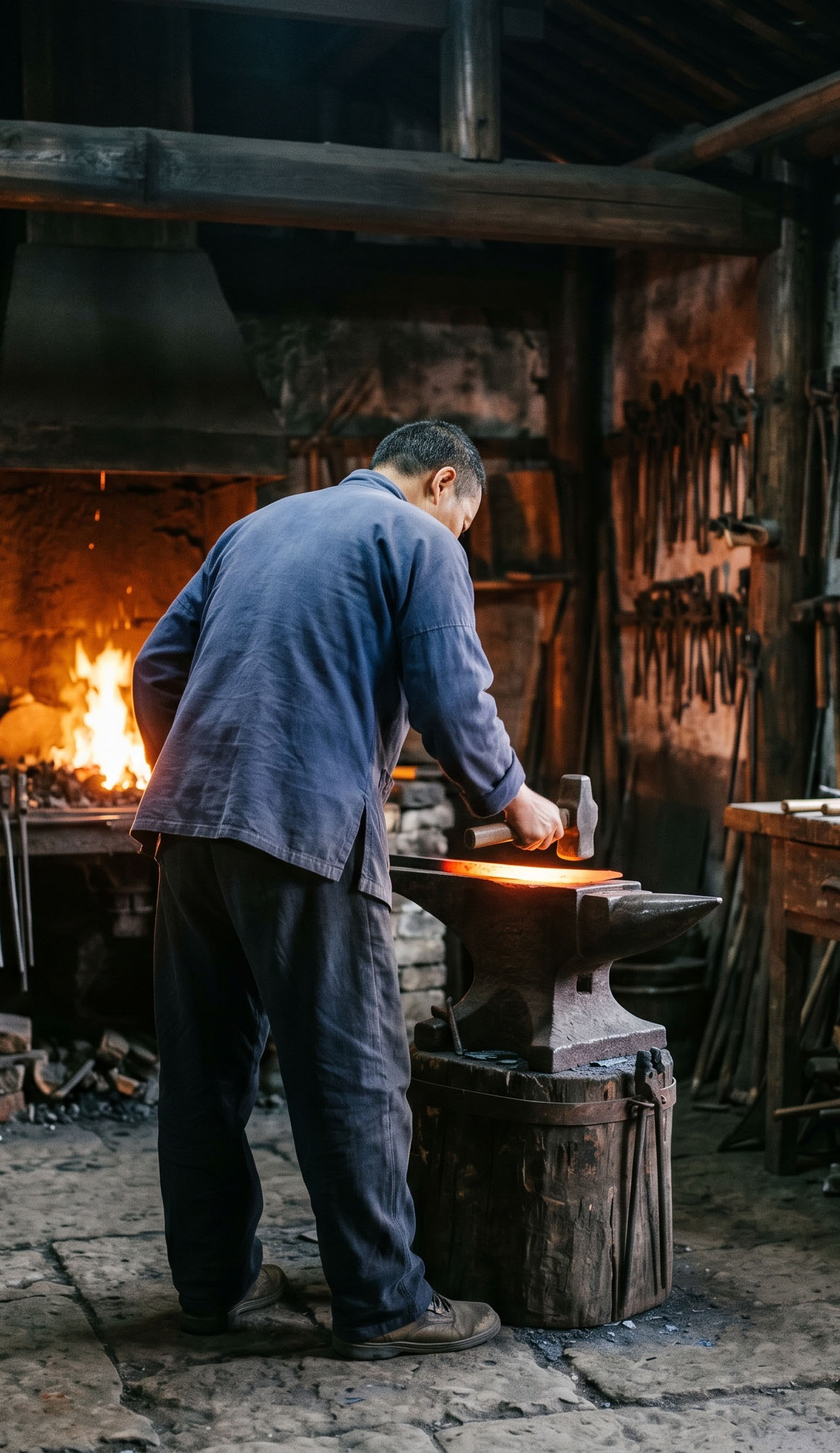
T10 tool steel clay-tempered to a real hamon is not a category claim – it is a verifiable outcome of a specific process, and on the Earth Shadow, that process has been applied with precision. The hamon (temper line) that emerges from the clay-tempering of T10 is not a cosmetic acid etch. It is a crystallographic boundary, the physical edge of two different metallurgical states meeting in the same blade – and on this steel, that boundary tends to be active, complex, and unmistakable.
Specifications
| Blade Steel | T10 High Speed Tool Steel |
| Total Length | 102.0 cm / 40.2 in |
| Blade Length | 72.0 cm / 28.3 in |
| Blade Width | 3.2 cm |
| Blade Thickness | 0.7 cm |
| Weight | 1040 g / 36.7 oz |
| Heat Treatment | Clay Tempering (Differential Hardening) |
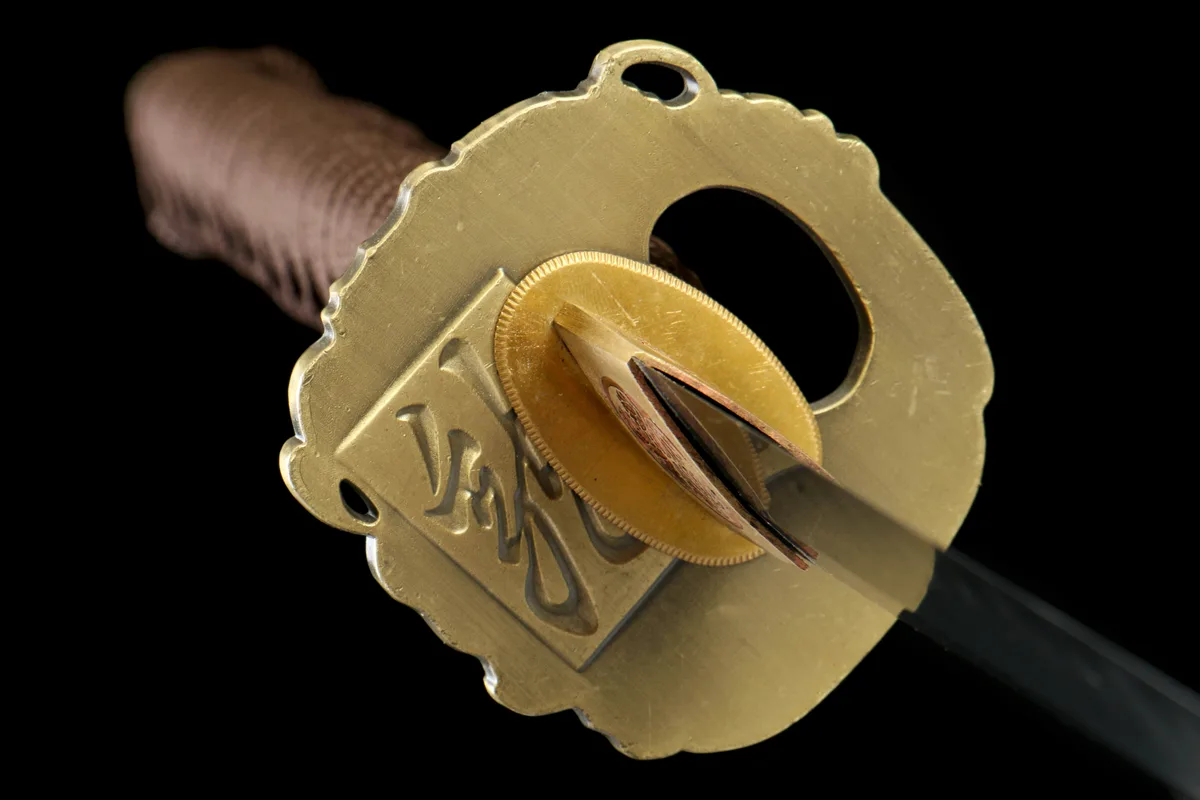
| Fittings | Zinc Alloy |
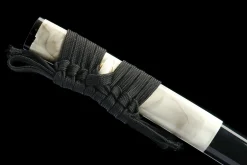
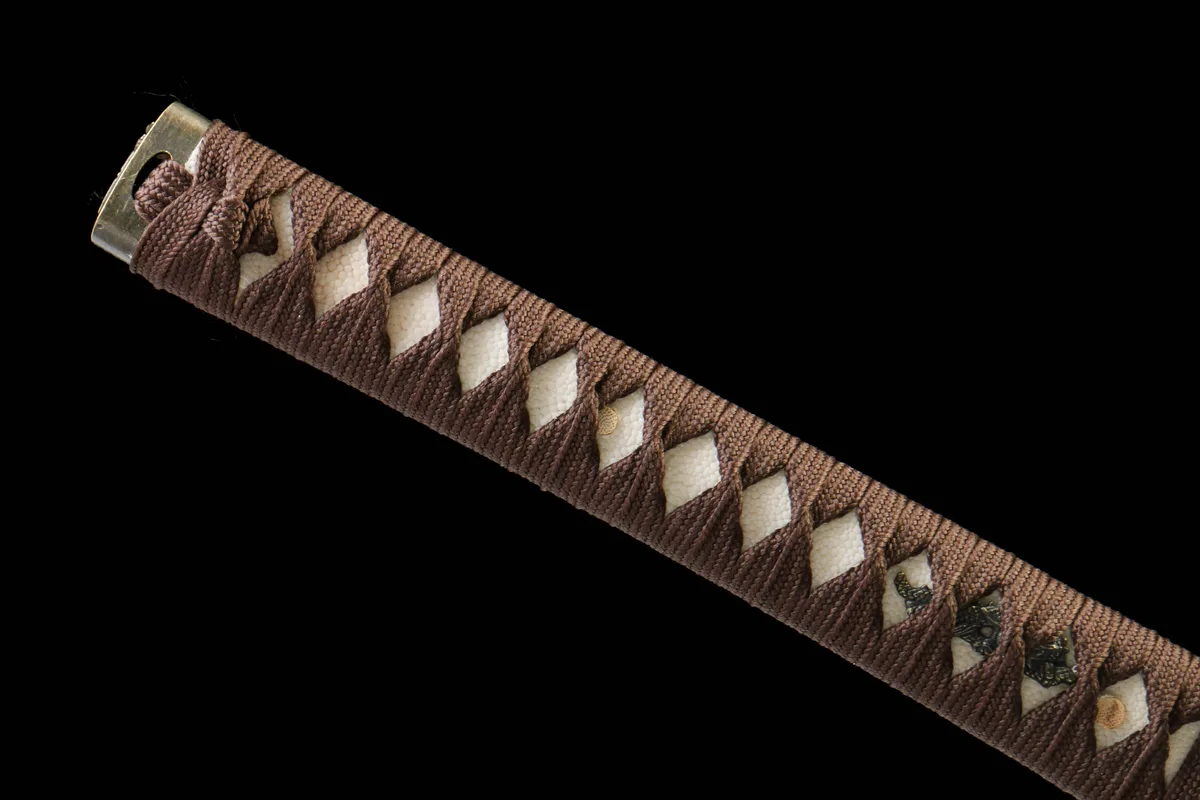
| Handle | Cotton Ito + Genuine Rayskin |
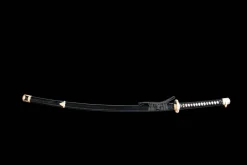
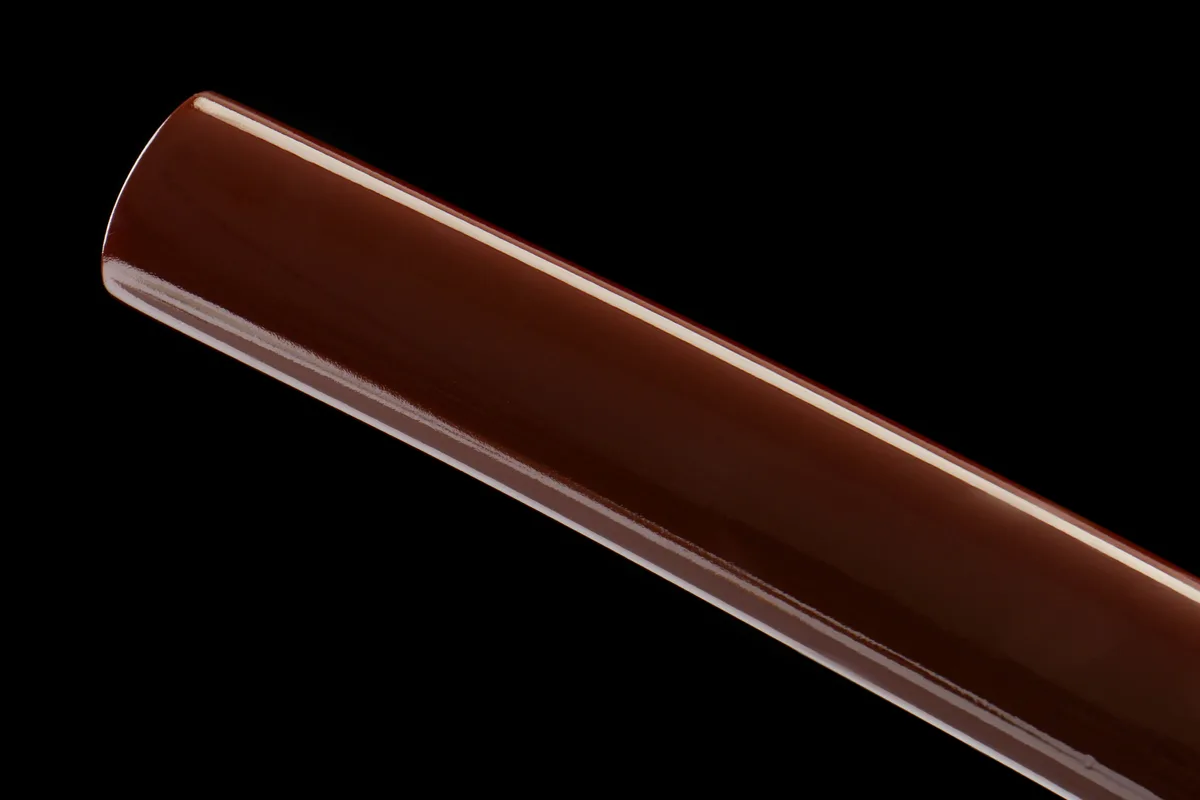
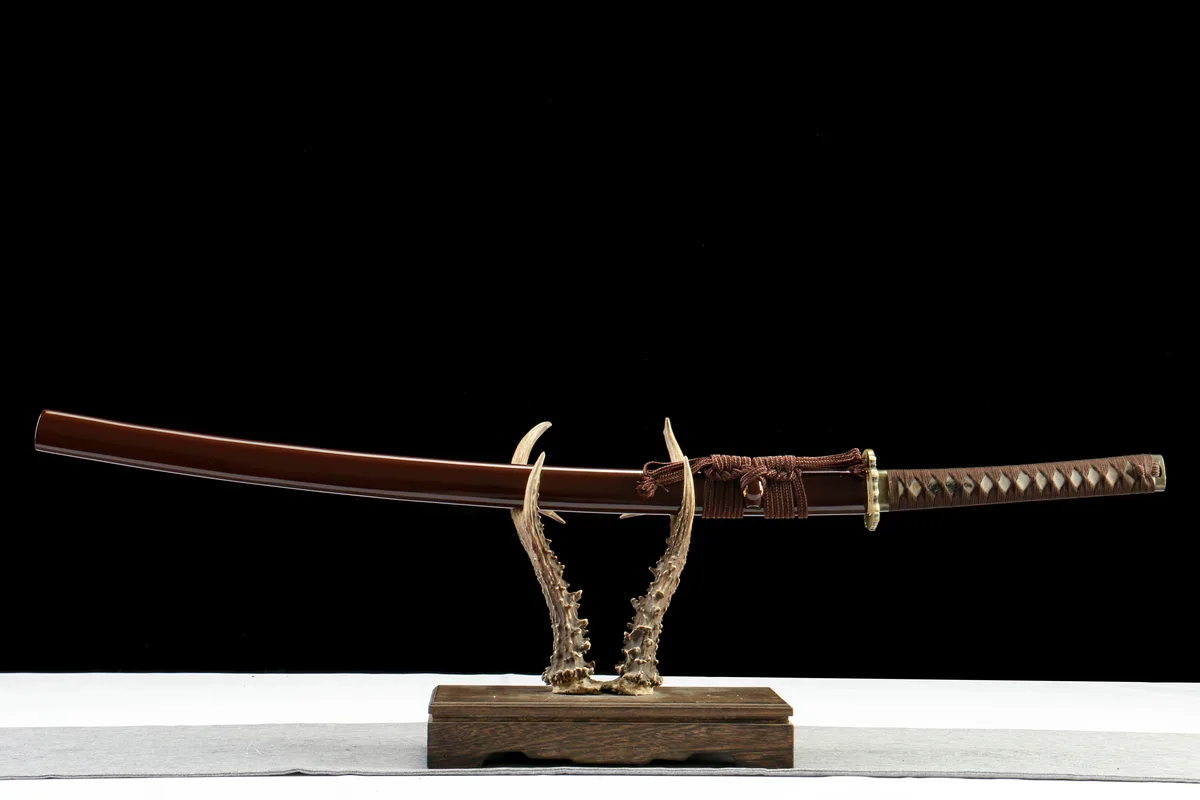
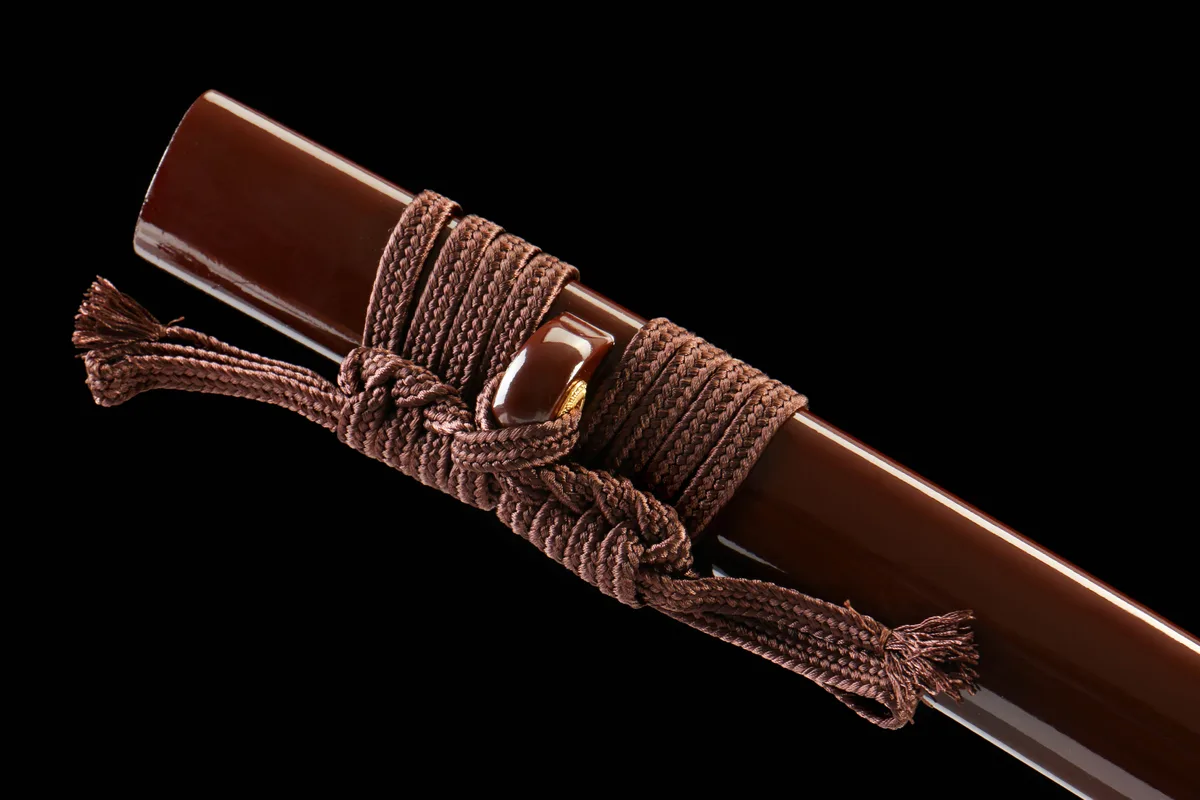
| Sheath | Hardwood, High-Gloss Lacquer |
Steel & Construction
T10 is a tungsten-alloyed high carbon tool steel, and the tungsten content is the operative detail. It retards grain growth during the heating phase of differential hardening, which means the steel can hold a finer grain structure at the hardening temperature than plain high carbon steels. The result is a harder edge that can be ground to a finer geometry without the brittleness typically associated with that hardness level. When clay is applied to the spine and the blade is quenched, the unprotected edge cools rapidly into martensite – hard, keen, capable – while the clay-insulated spine transforms more slowly into the tougher pearlitic structure that gives the spine its resistance to catastrophic failure. These are not the same piece of steel anymore. They are two materials in one.
The hamon on a properly clay-tempered T10 blade will show nie (fine martensite crystals that read as a bright, granular mist at the temper boundary) and a habuchi (the transition zone itself) with genuine topographic complexity. Under light, the line shifts – not a clean painted stroke, but a territory with its own internal geography. On the Earth Shadow, the dragon motif of the Chinese name suggests a hamon character with movement, and that movement is structural, not decorative. The shinogi-zukuri (ridgeline) profile keeps the geometry of the cross-section sound: a stiff spine, a pronounced ridge, and an edge bevel that the differential hardening has optimized.
Handling
The 26.0 cm handle wraps genuine rayskin (same) under cotton ito in the traditional diamond lozenge pattern – the nodes of the rayskin press through the ito at each crossing, creating a tactile grid that orients the hands precisely during a cut without requiring grip tension to maintain position. At 72.0 cm, the nagasa places the point at a distance that demands committed, controlled technique. The draw from the hardwood saya is deliberate and aligned; there is no slop in the throat fit that would let the edge contact the interior on a fast draw. This is a blade that asks something of the person holding it, and gives something serious in return.
Care Instructions
T10 steel contains slightly more carbon than standard high carbon alloys and will oxidize readily if not maintained – wipe, oil, and sheath after every session without exception. Use a quality camellia or choji oil on the blade faces; a light uchiko (powder ball) application followed by a clean wipe before fresh oil is the traditional method and remains the best one. Inspect the habaki (blade collar) fit periodically – a loose habaki on a clay-tempered blade introduces micro-movement at the hardness transition zone that should not be ignored.
| Weight | 1.32 lbs |
|---|---|
| Dimensions | 102.0 × 3.2 × 0.7 in |
| Hamon | Real Hamon (Clay Tempered) |
| Blade Steel | T10 Tool Steel |
| Total Length | 102.0 cm |
| Blade Length | 72.0 cm |
| Heat Treatment | Clay Tempering (Differential Hardening) |
| Handle Wrap | Cotton Ito + Genuine Rayskin |
| Sheath Material | Hardwood (High-Gloss Lacquer) |
| Fittings | Zinc Alloy |
| Forging Style | Shinogi-Zukuri (Ridgeline) |
Related products