










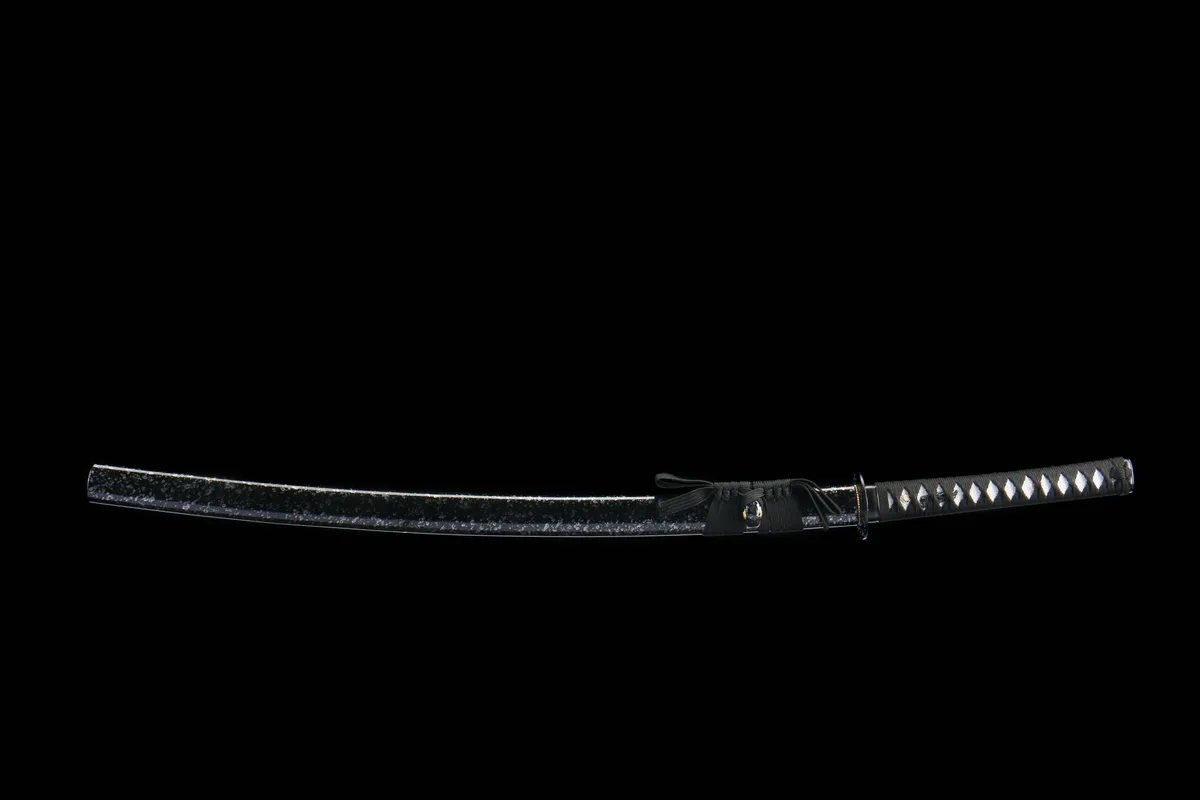

Formation Breaker – Hand Forged 1045 Carbon Steel Katana Sword
Hand-forged 1045 Carbon Steel katana (102cm total / 72cm blade), crafted in Longquan. Full-tang 1045 carbon steel, hand-fitted koshirae, ready for practice cutting or display.
$179.99
Formation Breaker – Hand Forged 1045 Carbon Steel Katana Sword
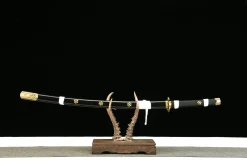
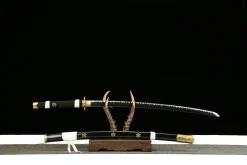
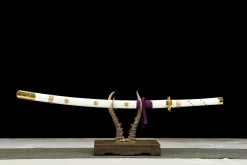
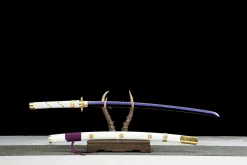
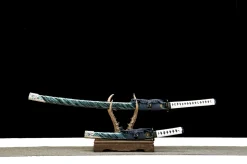
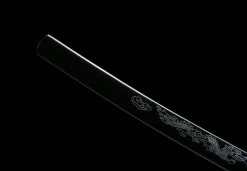
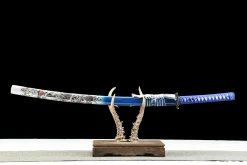
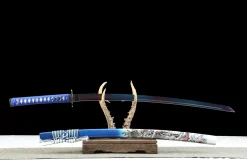
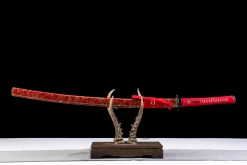
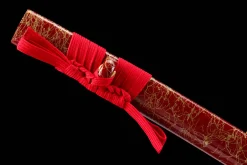
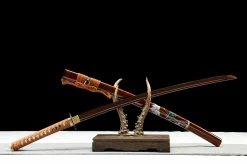
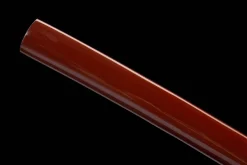
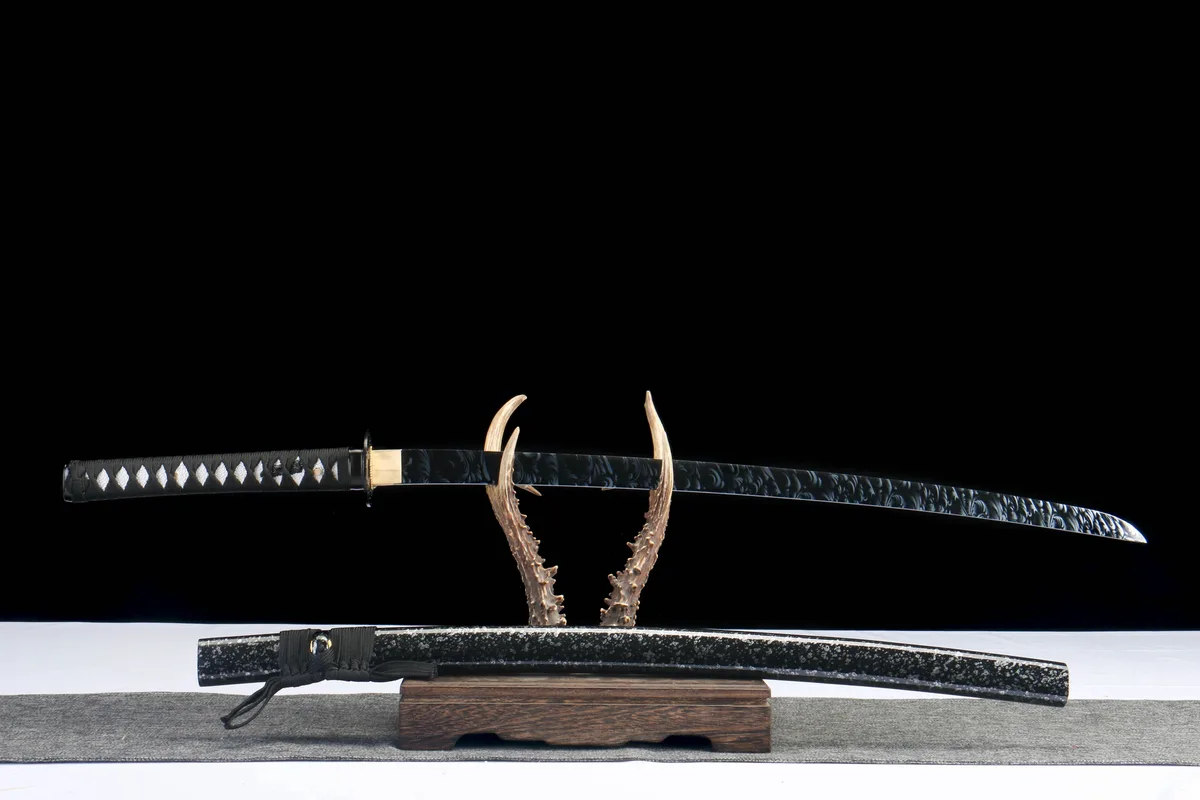
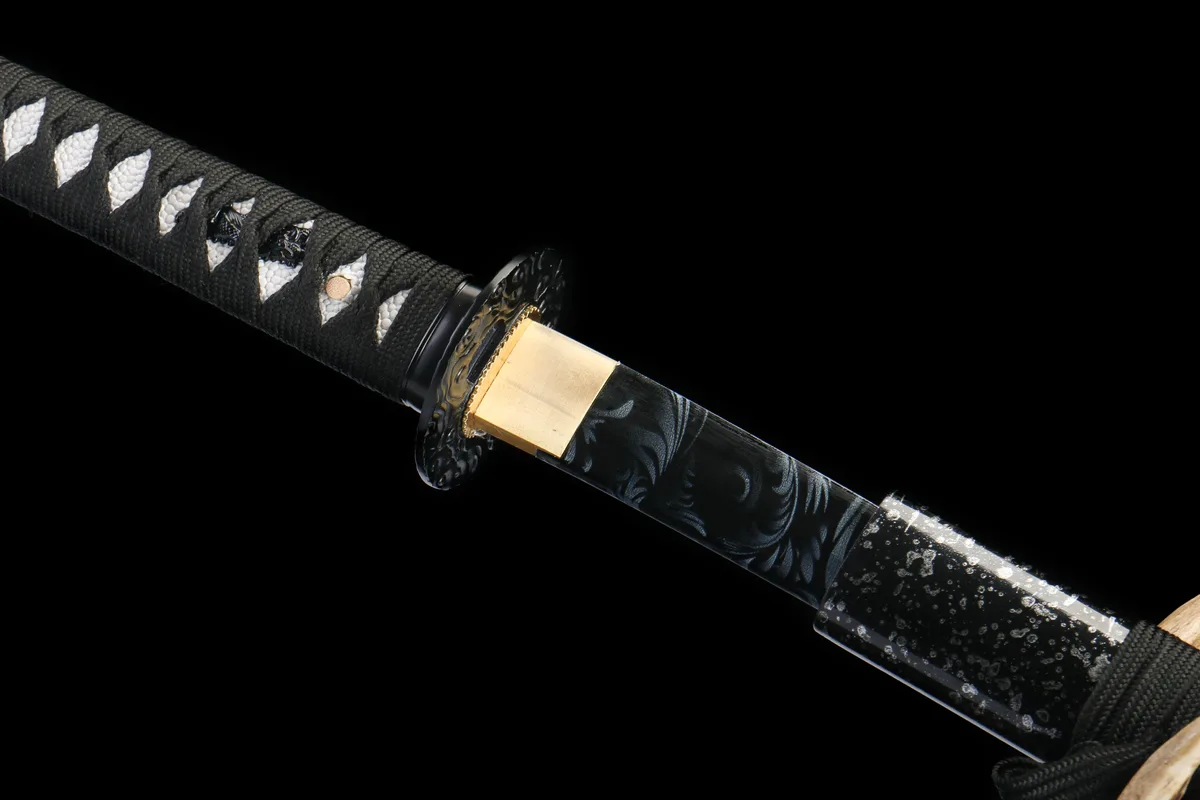
The saya on Formation Breaker – 破阵子 – is not a plain sheath. It is a solid wood body finished in piano lacquer with carved hollow-flower cutwork panels worked into the surface, and that detail changes everything about how this piece reads on display. Light catches the relief. Shadow settles into the recesses. At a distance it reads as texture; up close it resolves into deliberate pattern.
Specifications
| Blade Steel | 1045 Carbon Steel, Special Process |
| Total Length | 102.0 cm / 40.2 in |
| Blade Length | 72.0 cm / 28.3 in |
| Blade Width | 3.2 cm |
| Weight | 1040 g / 36.7 oz |
| Heat Treatment | Temper |
| Fittings | Alloy |
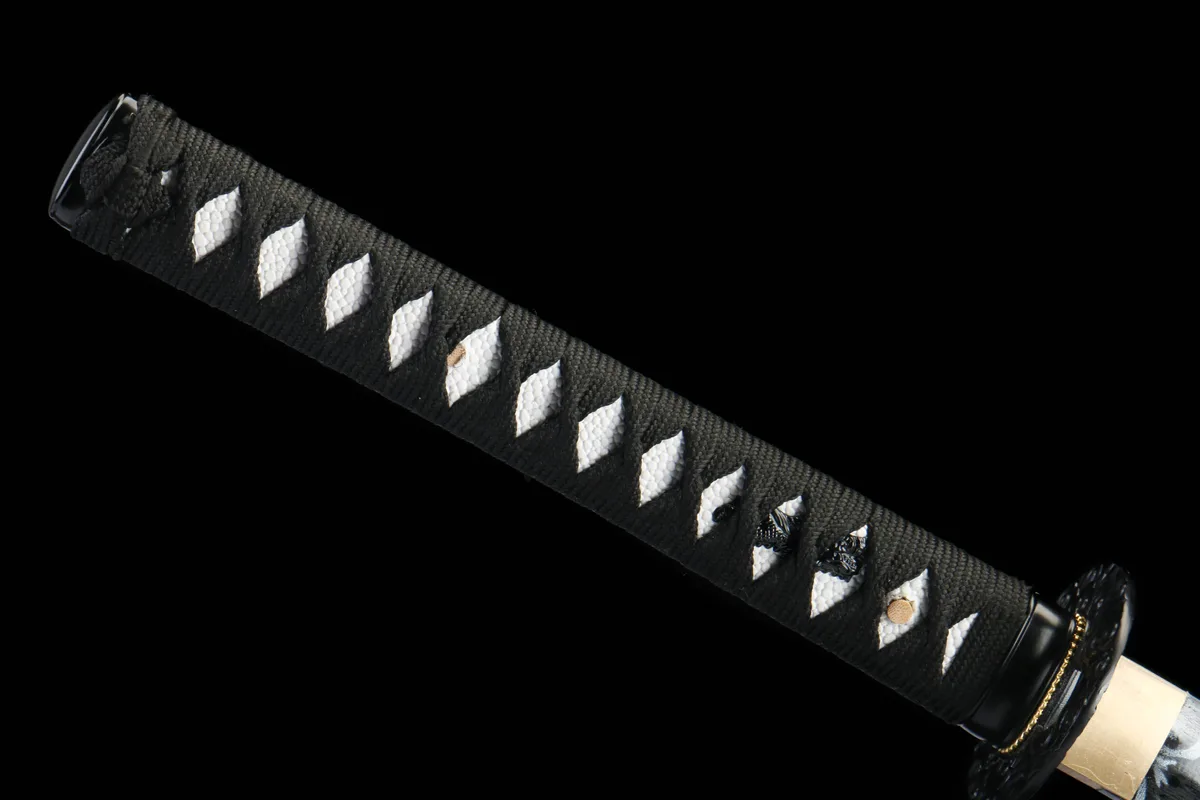
| Handle | Cotton Ito Wrap |
| Sheath | Solid Wood, Piano Lacquer Finish with Hollow Carved Flower Detail |
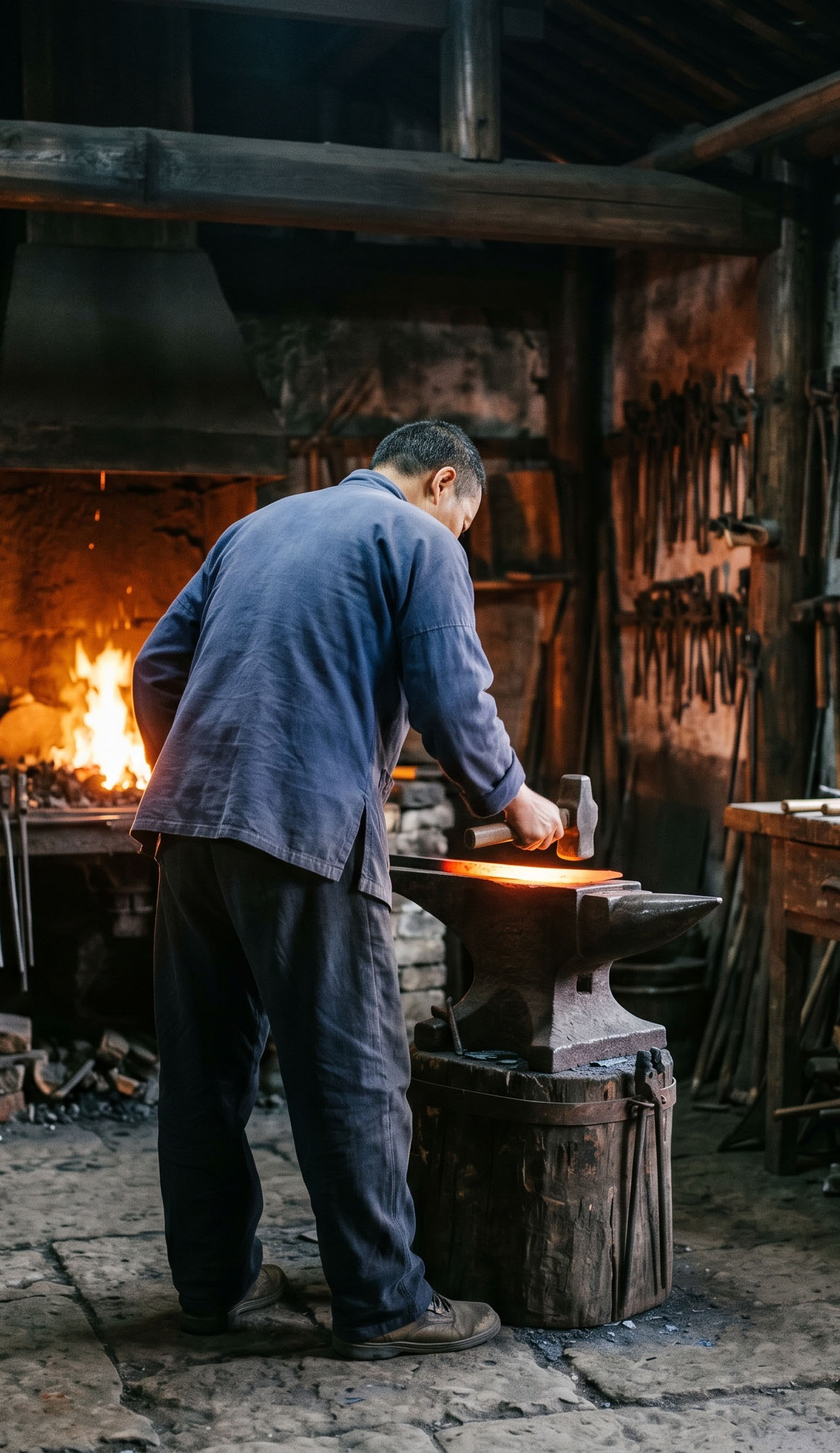
Forged in Longquan
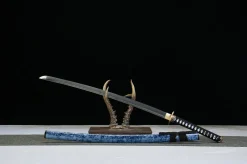
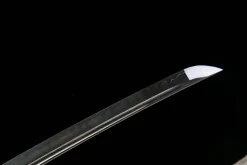
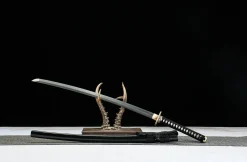
The blade follows the shinogi-zukuri profile – the ridged geometry that defines the classical katana silhouette. Forged from 1045 carbon steel via a special process, the 72 cm blade has a 3.2 cm width that gives it presence alongside the decorative saya without being visually dominated by it. The blade’s surface finish is satin-smooth, a deliberate contrast to the lacquered gloss of the sheath below.
Longquan swordmakers have been producing display-grade lacquerwork alongside functional blades for decades, and the hollow-flower carving on this saya represents that craft tradition directly. The cutwork is not applied or inlaid – it is worked through the wood body of the sheath itself, so the pattern has depth you can confirm with a fingertip.
Weight, Balance, Draw
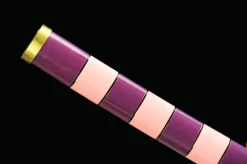
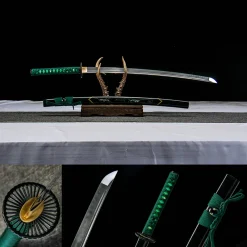
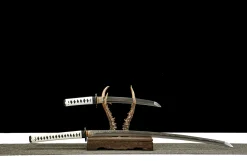
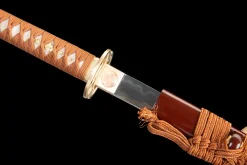
The cotton ito wrap on the 27 cm tsuka (handle) is wound in the traditional diamond pattern – each crossing point raised and firm against the palm. The full 102 cm length means this piece spans the kind of horizontal wall space that commands attention. Drawn from the saya, the blade clears the cutwork panels with a smooth release, and returned, the koiguchi (the saya’s mouth fitting) seats the blade quietly and securely. Every movement is considered.
Keeping It Sharp
Apply a thin coat of camellia or mineral oil to the blade every few months to maintain the surface finish and prevent rust. The piano-lacquer saya with its carved panels should be dusted with a soft brush rather than wiped with cloth, to avoid snagging the relief work. Store horizontally on a display stand out of direct sunlight.
| Weight | 1.32 lbs |
|---|---|
| Dimensions | 102.0 × 3.2 × 0.7 in |
| Hamon | Decorative / Acid-Etched |
| Blade Steel | 1045 Carbon Steel |
| Total Length | 102.0 cm |
| Blade Length | 72.0 cm |
| Heat Treatment | Temper |
| Handle Wrap | Cotton Ito Wrap |
| Sheath Material | 实木钢琴烤漆空心花 |
| Fittings | Alloy |
| Forging Style | 鎬造 |
Related products