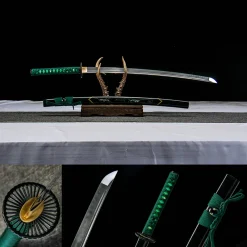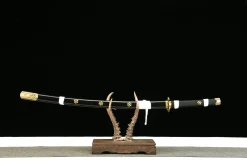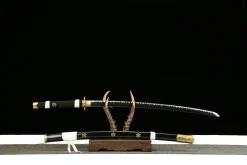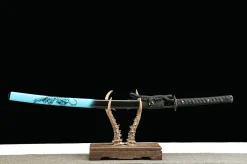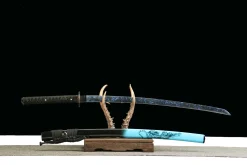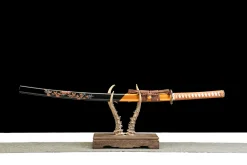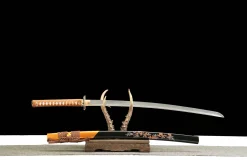


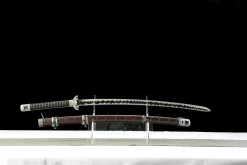







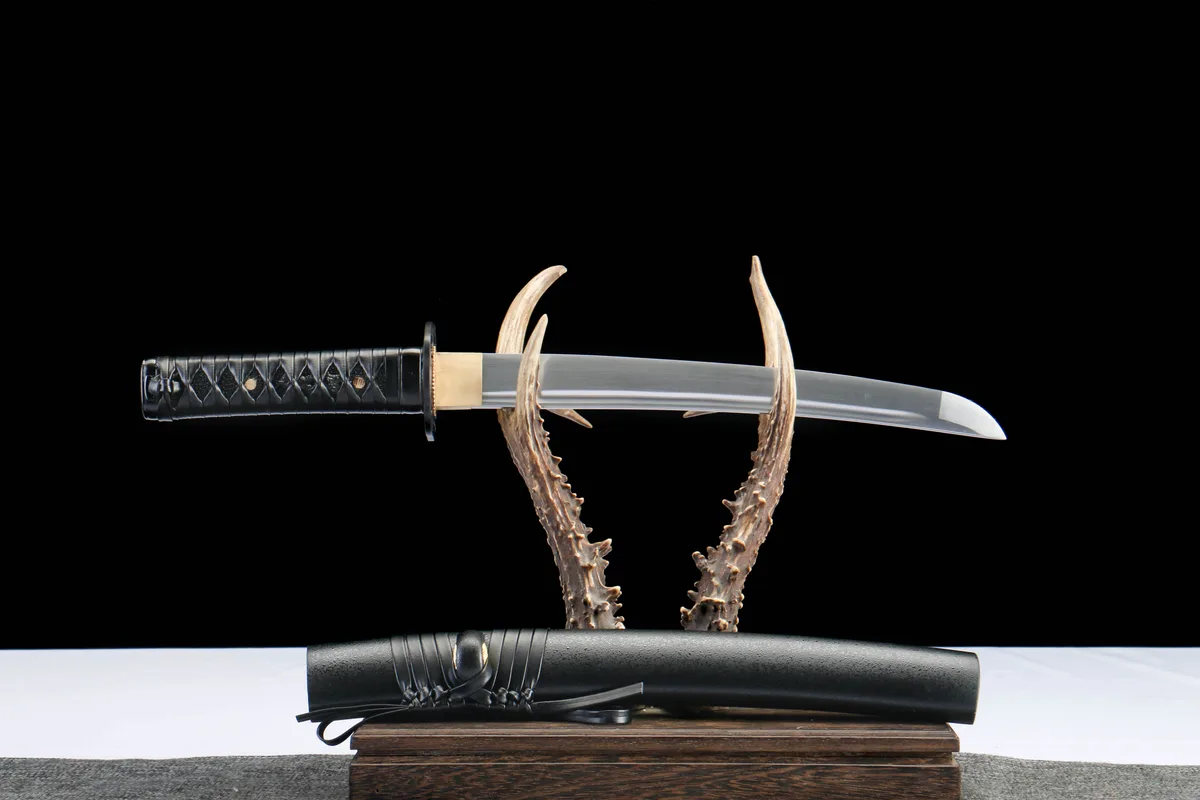
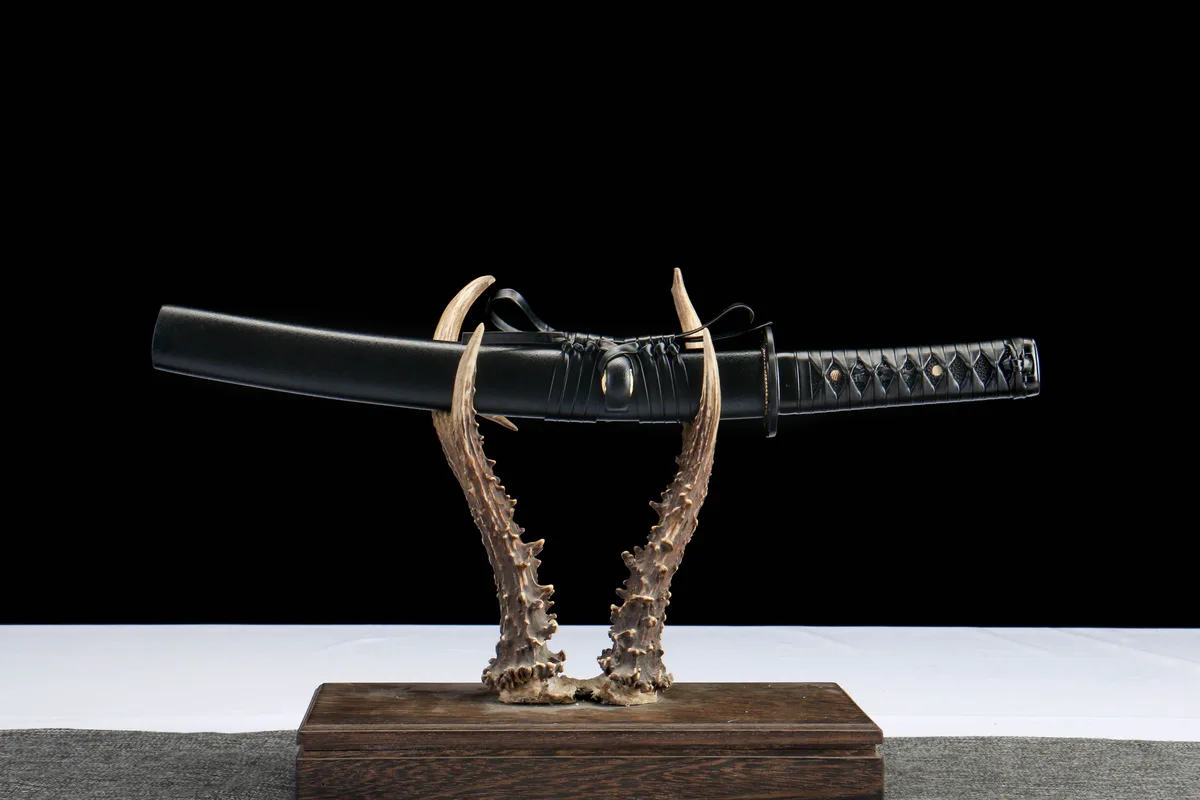



Phantom Wail – Hand Forged High Carbon Steel Tanto Sword
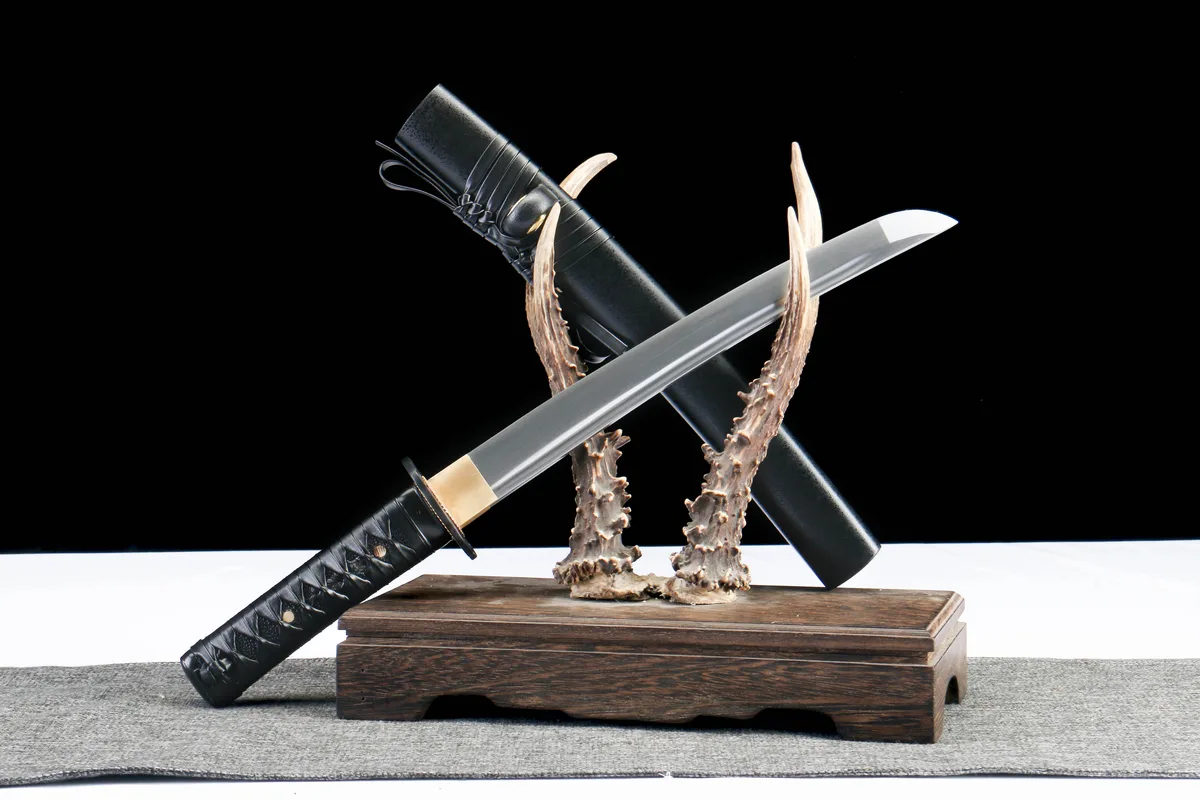
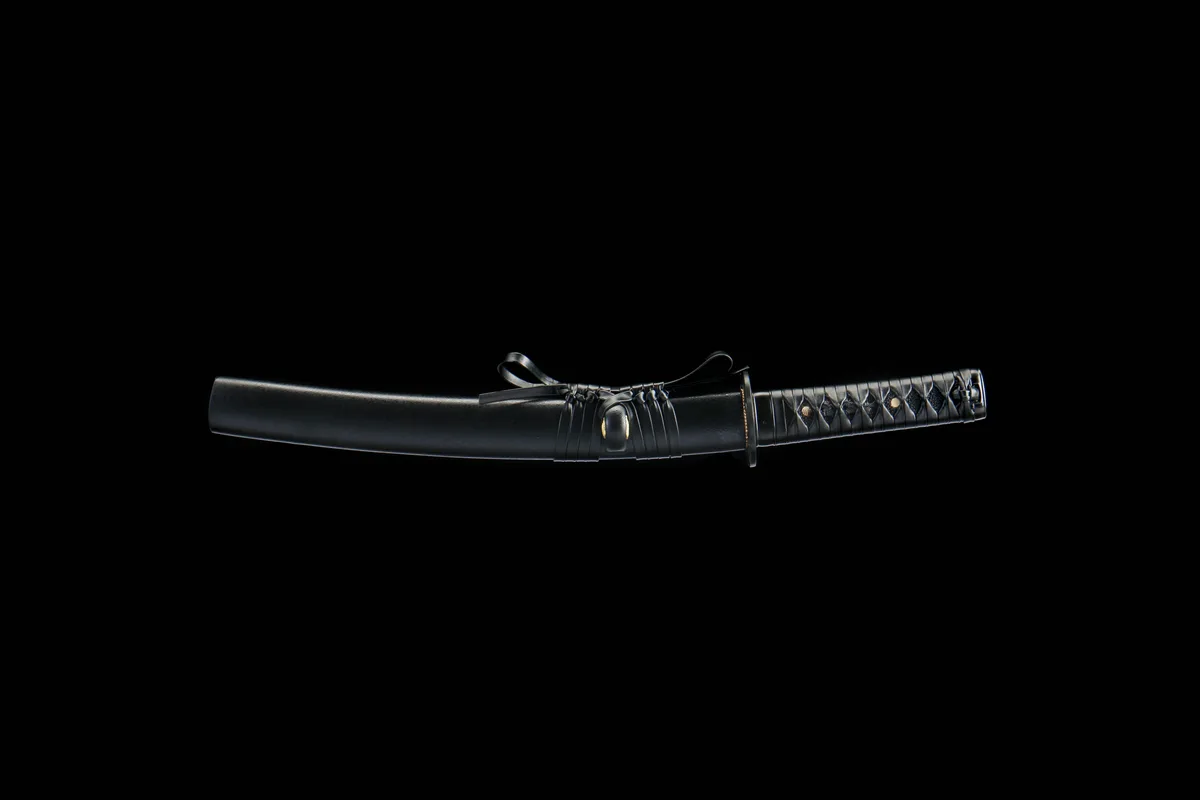
Hand-forged High Carbon Steel tanto (52cm total / 32cm blade), crafted in Longquan. Full-tang construction with traditional fittings and hand-lacquered saya.
$149.99
The name Phantom Wail (幽冥鬼泣) comes from a tradition of naming blades for what they suggest rather than what they are. What this tanto suggests is precision in close quarters – and what it actually is, is a 1060 carbon steel blade at 32 cm, forged in shinogi-zukuri geometry, fitted with alloy hardware, and wrapped for grip. What it does is cut cleanly and hold an edge through repeated use.
Specifications
| Blade Steel | 1060 Carbon Steel |
| Total Length | 52.0 cm / 20.5 in |
| Blade Length | 32.0 cm / 12.6 in |
| Blade Width | 3.2 cm |
| Blade Thickness | 0.7 cm |
| Heat Treatment | Temper |
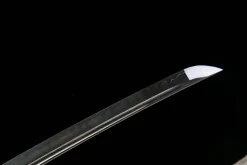
| Forging Style | Shinogi-zukuri (ridged blade geometry) |
| Fittings | Alloy |
| Handle | Cotton Ito Wrap |
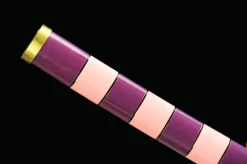
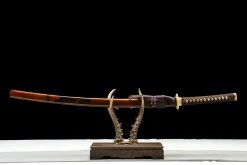
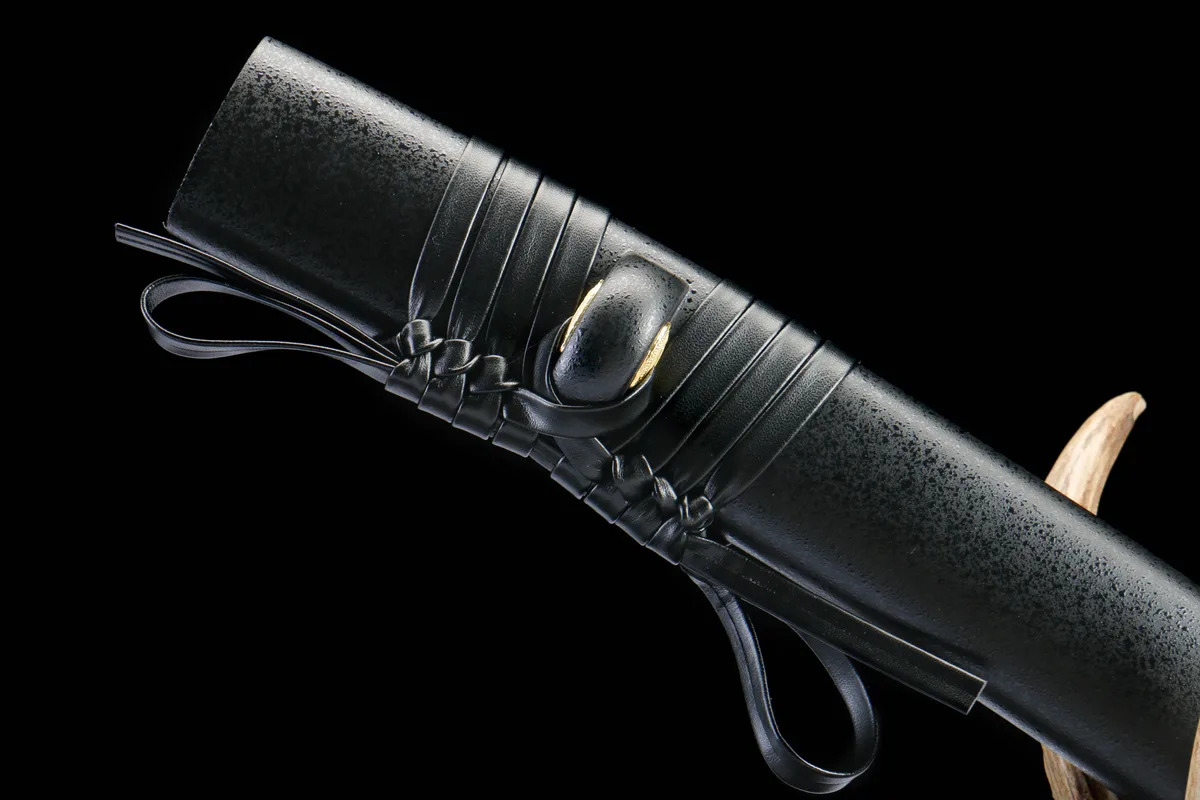
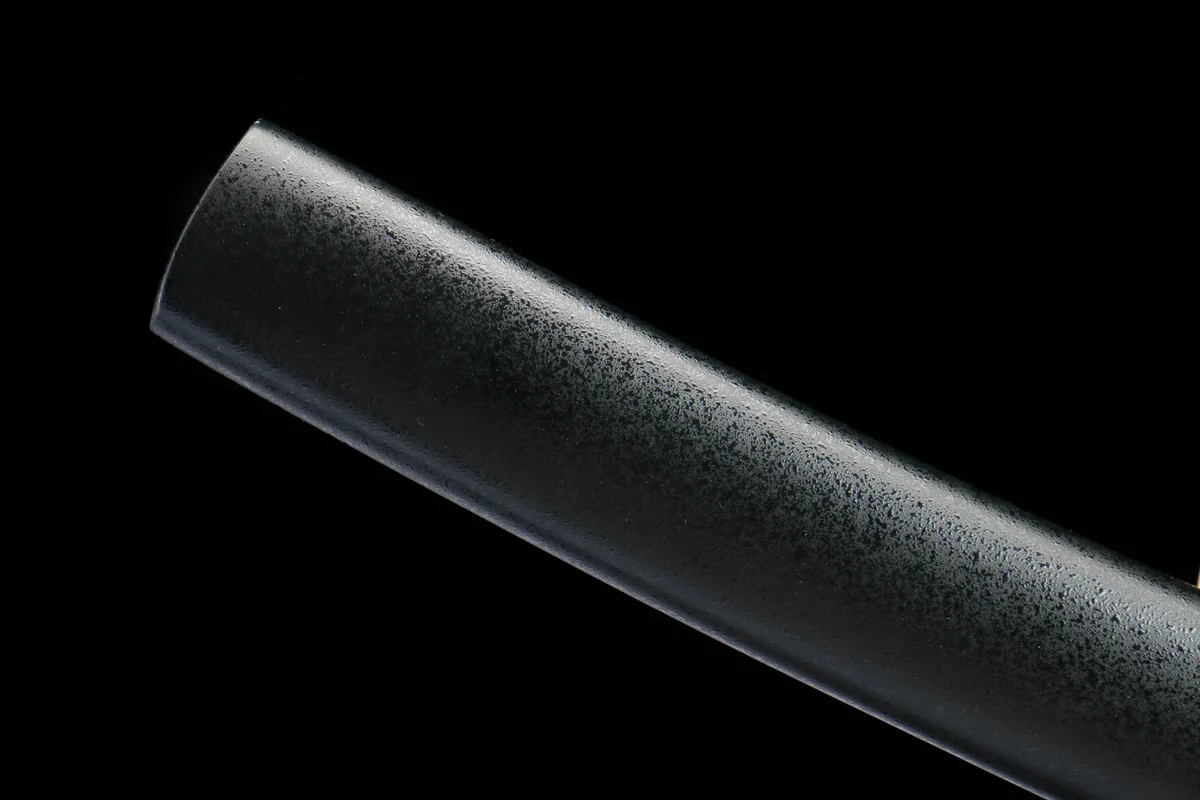
| Sheath | Solid Wood, Piano Lacquer Finish |
What the Steel Does
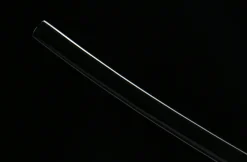
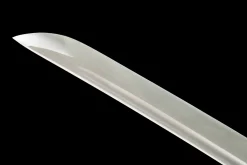
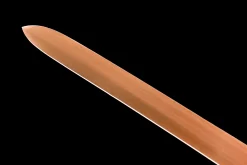
1060 carbon steel at 0.6% carbon content reaches a working hardness through tempering that sits in a practical range for a tanto – hard enough to hold a sharp edge without requiring constant touch-ups, resilient enough to absorb the torsional stress that a short blade encounters when force lands off-center. The shinogi-zukuri forging profile contributes here too: the raised spine ridge adds stiffness along the central axis, keeping the blade from flexing under load while the bevel geometry keeps the edge geometry clean and maintainable.
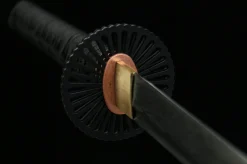
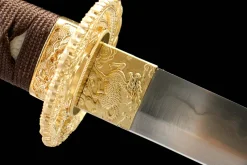
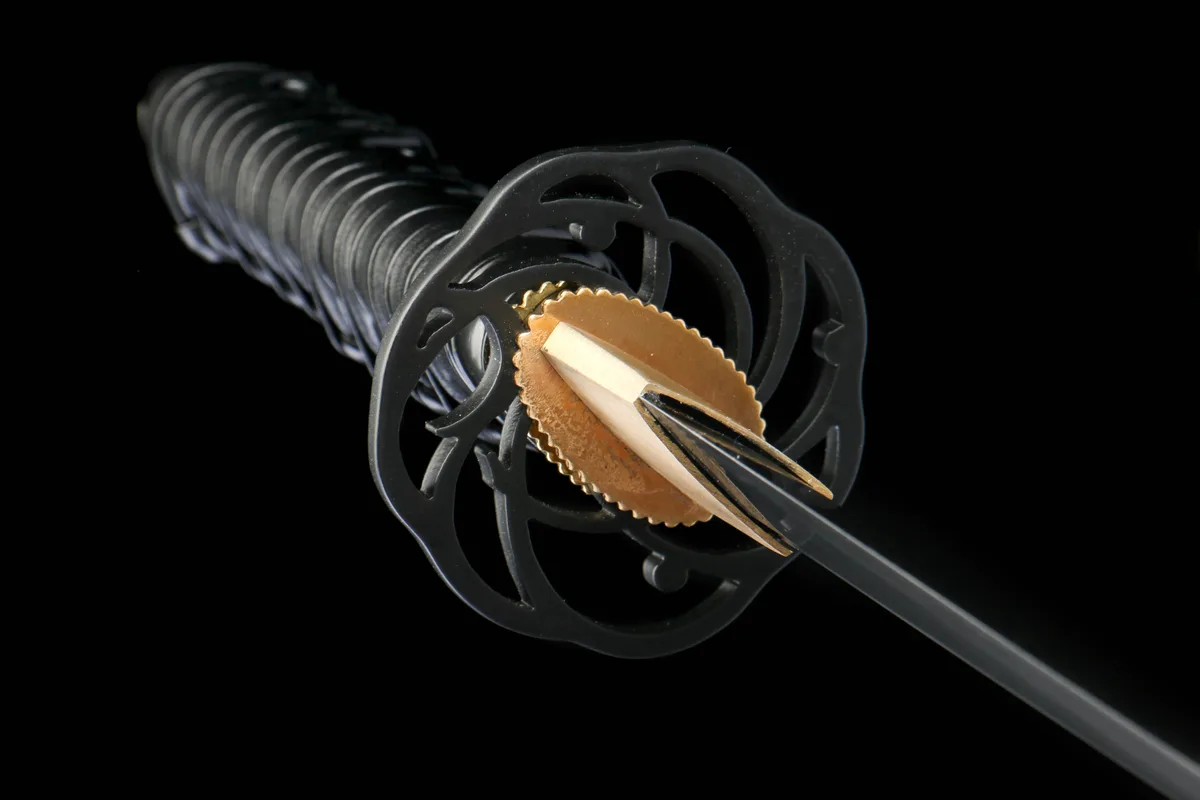
The alloy fittings on the Phantom Wail are precision-cast and fitted with no perceptible play at the guard seat. Alloy hardware in this application machines to tighter tolerances than hand-finished iron, which means a more consistent fit straight from the forge. The tradeoff is that alloy will not develop the same organic patina as iron over years of use – but for a practitioner who wants consistent performance over aesthetic aging, that is not a tradeoff at all.
The Feel of It
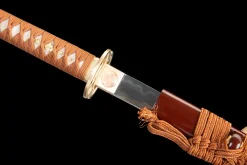
Cotton ito wrap on the 17 cm handle gives the Phantom Wail a grip surface that is firm and slightly textured without being abrasive – the interlaced diamond pattern creates contact points that seat naturally in the palm without requiring a tight grip to maintain control. The piano-lacquered solid wood saya draws cleanly, with enough retention to hold the blade secure during movement but no stickiness that would delay a deliberate draw. At 32 cm, the blade exits the saya quickly – the draw arc is short and the transition from saya to grip to point is immediate.
Maintenance Notes
Wipe the blade dry after every session and apply choji oil (clove-mineral oil traditional to Japanese blade care) along the flat before storage to prevent surface rust. The 1060 steel will show surface oxidation quickly if left unprotected in humid conditions – this is a working blade, not a stainless piece. Edge maintenance is best done on water stones; start at 400-grit if there is visible damage, 1000-grit for routine sharpening, and finish at 2000 or finer to restore the working edge geometry.
| Weight | 0.9 lbs |
|---|---|
| Dimensions | 52.0 × 3.2 × 0.7 in |
| Hamon | Decorative / Acid-Etched |
| Blade Steel | High Carbon Steel |
| Total Length | 52.0 cm |
| Blade Length | 32.0 cm |
| Heat Treatment | Temper |
| Handle Wrap | Cotton Ito Wrap |
| Sheath Material | 实木钢琴烤漆 |
| Fittings | Alloy |
| Forging Style | 鎬造 |
Related products