

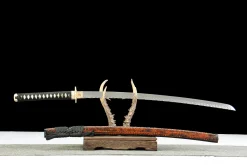

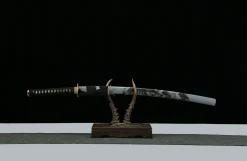
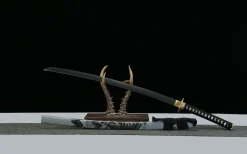


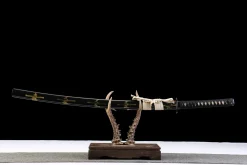










Pure Heart – Hand Forged 1065 Carbon Steel Katana Sword
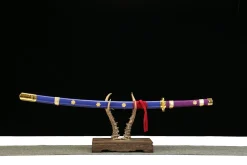
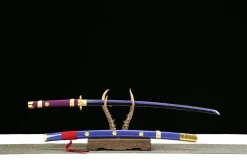
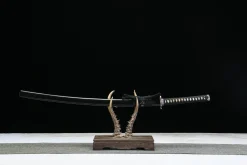
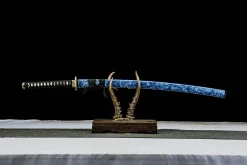
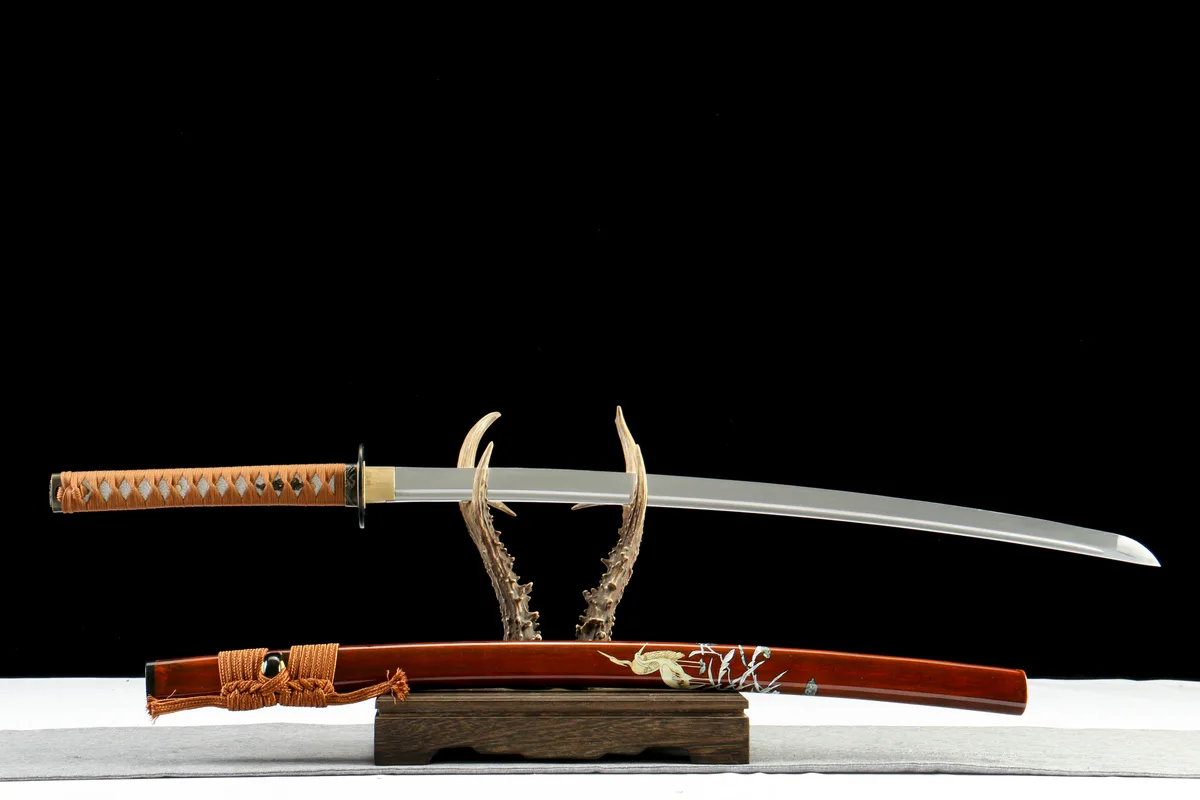
Hand-forged 1065 Carbon Steel katana (102cm total / 72cm blade), crafted in Longquan. Full-tang construction with traditional fittings and hand-lacquered saya.
$239.99
Pure Heart – Hand Forged 1065 Carbon Steel Katana Sword
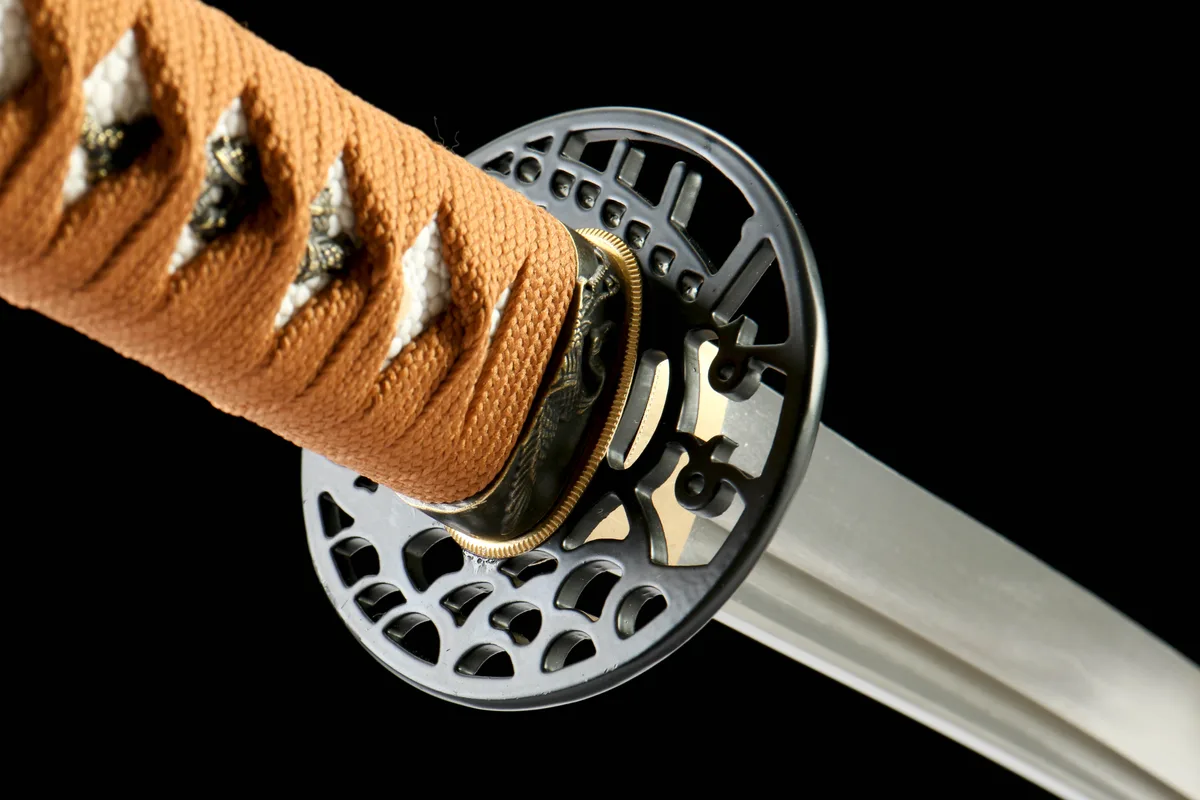
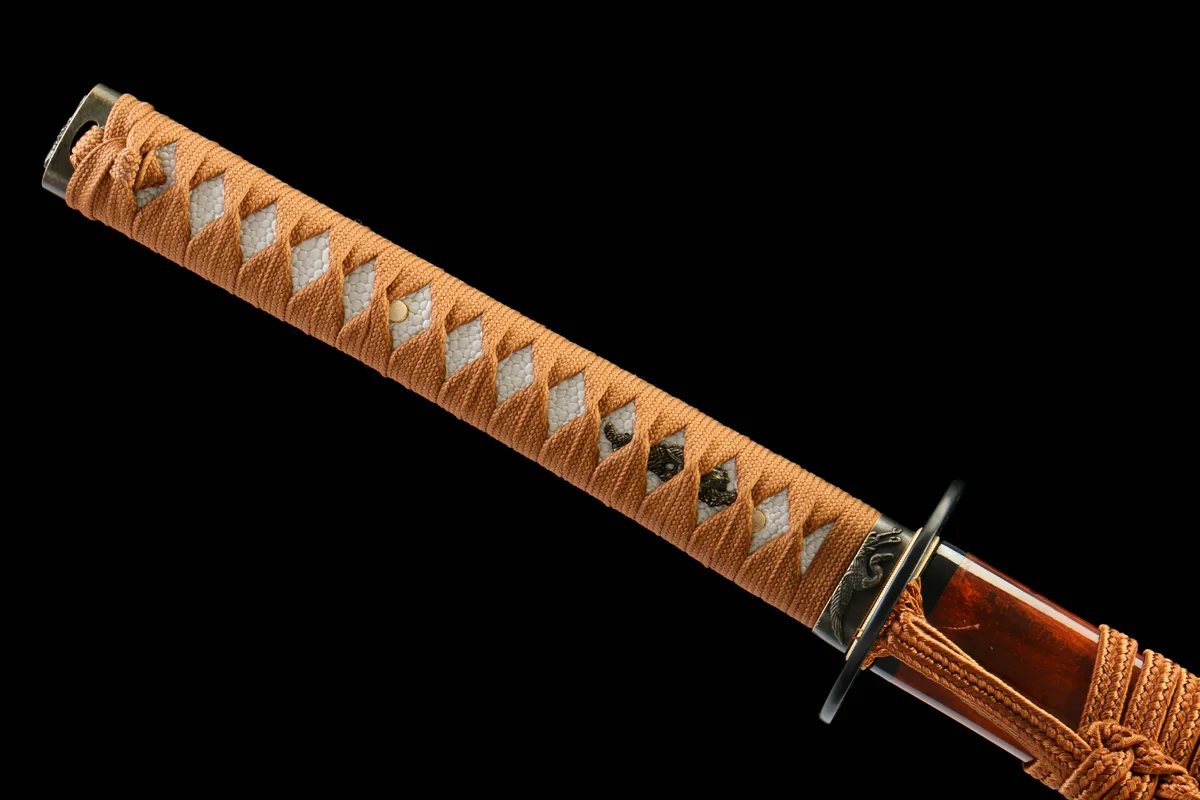
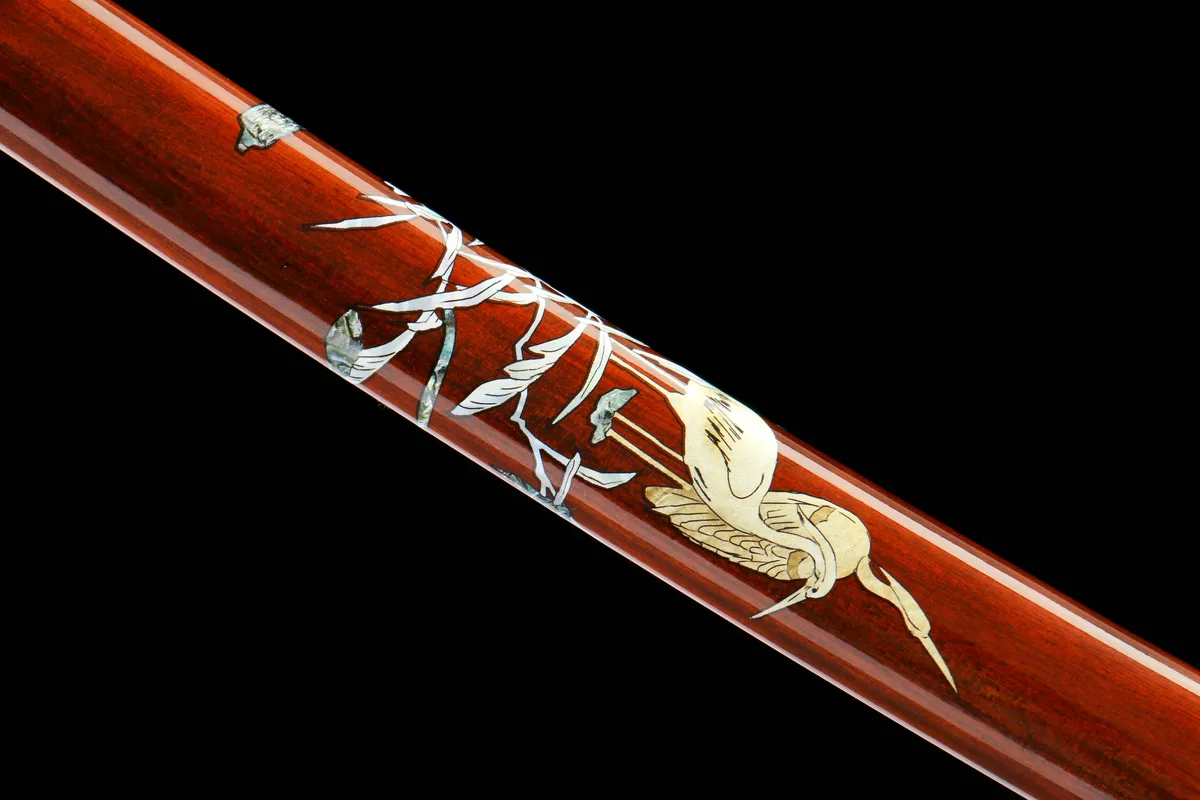
Iron fittings and a crane motif set the Pure Heart apart visually from the standard production line, but the blade underneath answers to the same criteria any working katana must meet: consistent hardness along a full 72 cm edge, a profile that cuts rather than deflects, and a handle assembly that holds together under repeated use. This is a 1065 high carbon steel blade built in the 鎬造 (shinogi-zukuri, ridgeline) geometry, heat-treated through controlled-temperature furnace hardening, and fitted with genuine same (rayskin) under cotton ito wrap. It is equipped to do the work.
Specifications
| Blade Steel | 1065 High Carbon Steel |
| Total Length | 102.0 cm / 40.2 in |
| Blade Length | 72.0 cm / 28.3 in |
| Blade Width | 3.2 cm |
| Blade Thickness | 0.7 cm |
| Weight | 1040 g / 36.7 oz |
| Heat Treatment | Controlled-temperature furnace hardening (马沸炉 恒温热处理) |
| Fittings | Iron |
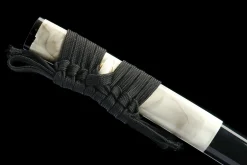
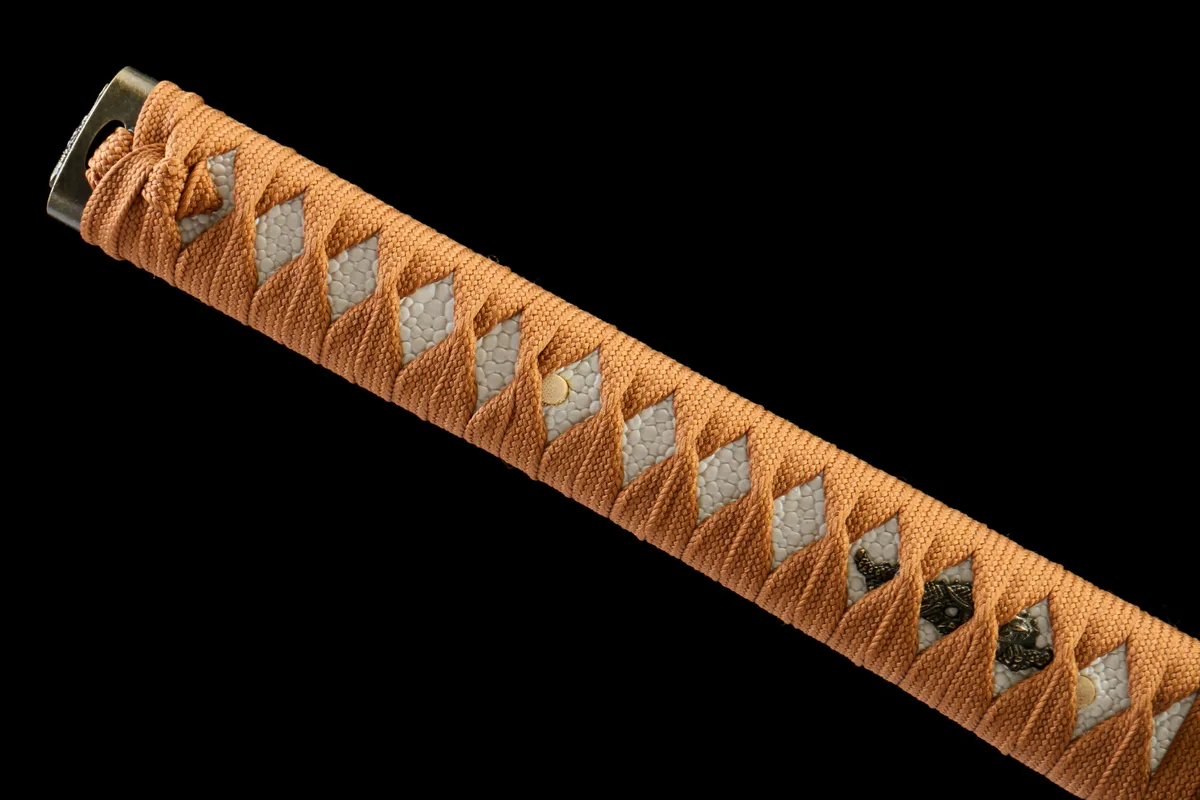
| Handle | Cotton Ito wrap over genuine rayskin (same) |
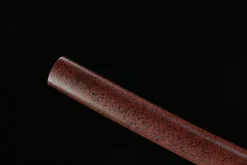
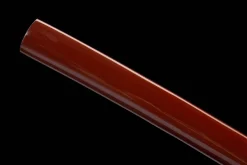
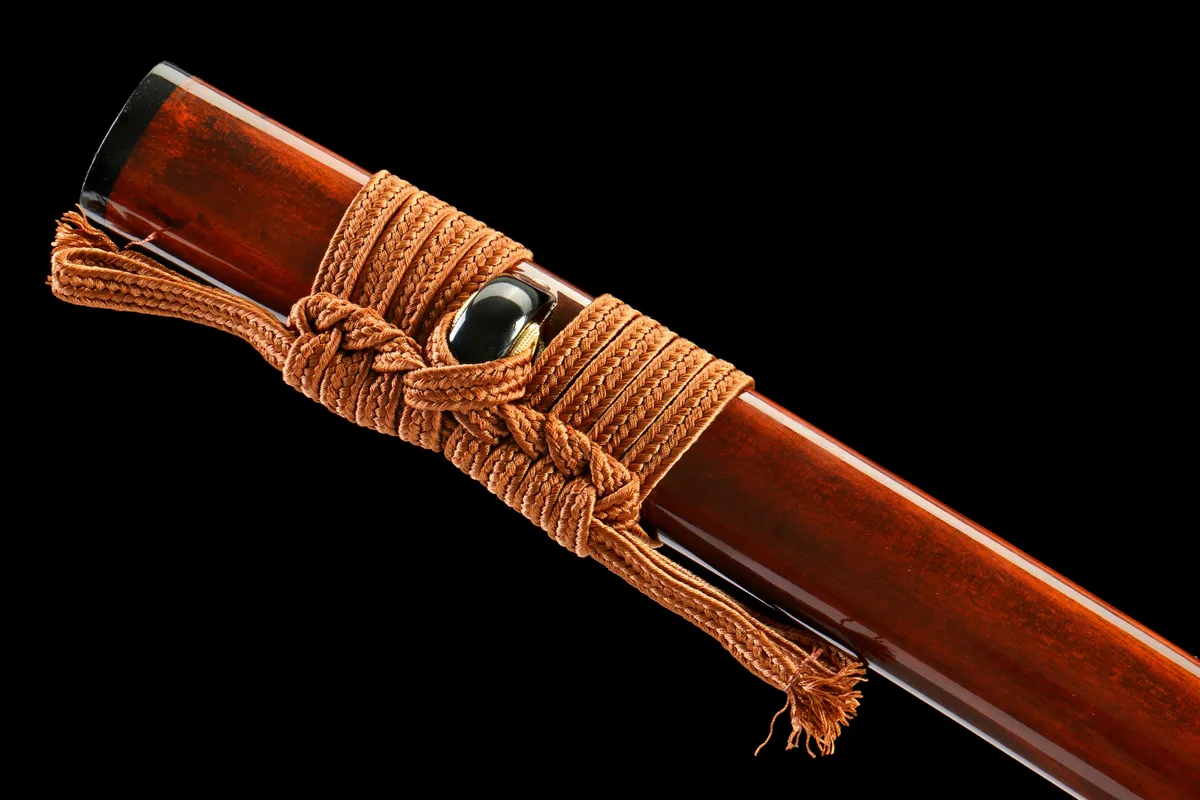
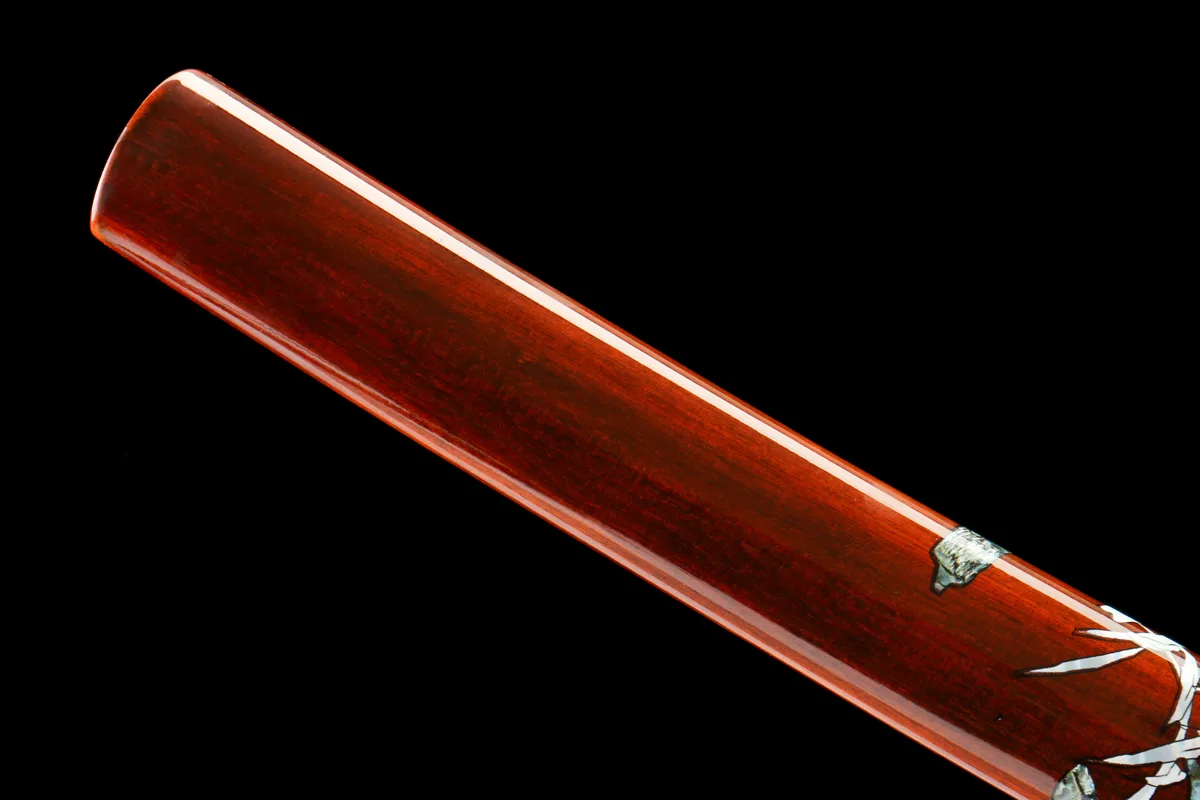
| Sheath | Hardwood with high-gloss lacquer |
What the Steel Does
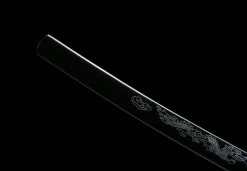
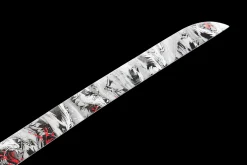
1065 high carbon steel occupies a specific and well-understood position in blade metallurgy: enough carbon to hold a sharp edge through sustained work, not so much that the grain becomes too tight and brittle to absorb impact. The 马沸炉 恒温热处理 process – a controlled-temperature furnace cycle – maintains consistent temperature throughout hardening, which translates to consistent edge performance from the habaki (blade collar) to the kissaki (tip). This is not a surface treatment applied after the fact. It is hardness that runs through the steel.
The 鎬造 (shinogi-zukuri) geometry reinforces the blade structurally at the shinogi line (the raised ridgeline running lengthwise) while keeping the edge bevel clean and low. At 3.2 cm wide and 0.7 cm at the spine, this blade has the cross-section to resist torsion without sacrificing the geometry that allows it to enter and exit a target cleanly.
The Feel of It
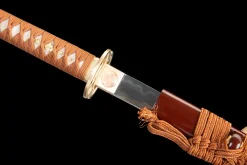
Twenty-six centimeters of tsuka (handle) is a genuine two-hand grip, and the cotton ito wrapped over same (rayskin) delivers real tactile feedback – the nodules of the rayskin press through the wrap and register under the palm, telling you exactly where your hands are without demanding you look. The iron tsuba (handguard), finished with the crane motif, sits flush at the habaki and does not rattle. The high-gloss lacquered hardwood saya is fitted close, drawing with a single clean resistance at the koiguchi (scabbard mouth) and releasing without play.
Maintenance Notes
Wipe the blade down after every session and apply a thin film of choji oil (clove-infused mineral oil, the standard for Japanese-style carbon steel blades) before storing. Iron fittings – the tsuba and associated furniture – benefit from an occasional light oiling on exposed surfaces to prevent oxidation, particularly in coastal or humid climates. The lacquered saya should be inspected periodically at the koiguchi for any cracking in the finish that could allow moisture to reach the wood beneath.
| Weight | 1.32 lbs |
|---|---|
| Dimensions | 102.0 × 3.2 × 0.7 in |
| Hamon | Decorative / Acid-Etched |
| Blade Steel | 1065 Carbon Steel |
| Total Length | 102.0 cm |
| Blade Length | 72.0 cm |
| Heat Treatment | 马沸炉 恒温热处理 |
| Handle Wrap | Cotton Ito + Genuine Rayskin |
| Sheath Material | Hardwood (High-Gloss Lacquer) |
| Fittings | Iron |
| Forging Style | 鎬造 |
Related products