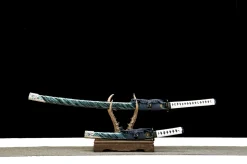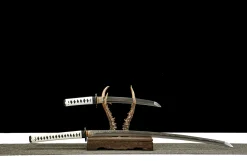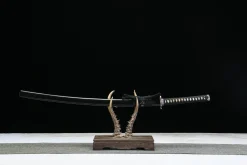







Sand Light – Hand Forged T10 Tool Steel Katana Sword
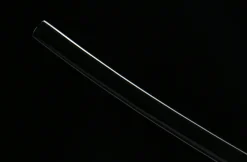
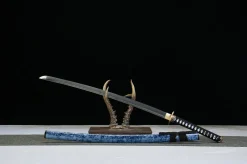
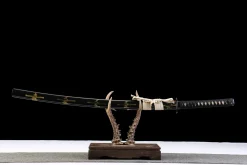
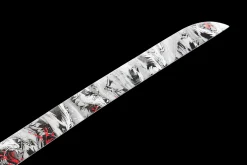
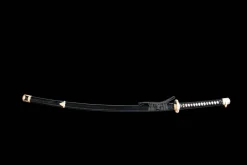
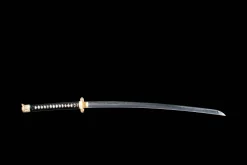
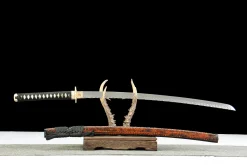
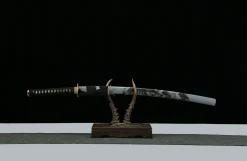
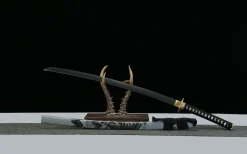
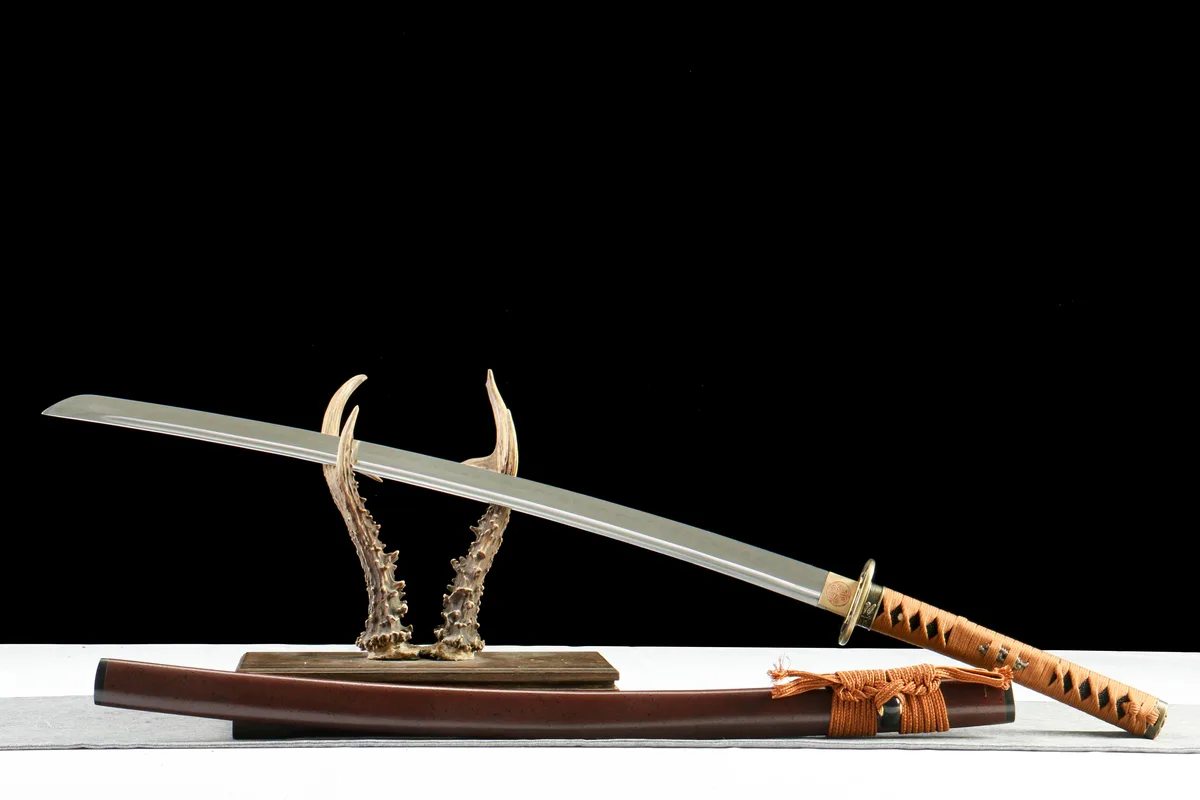
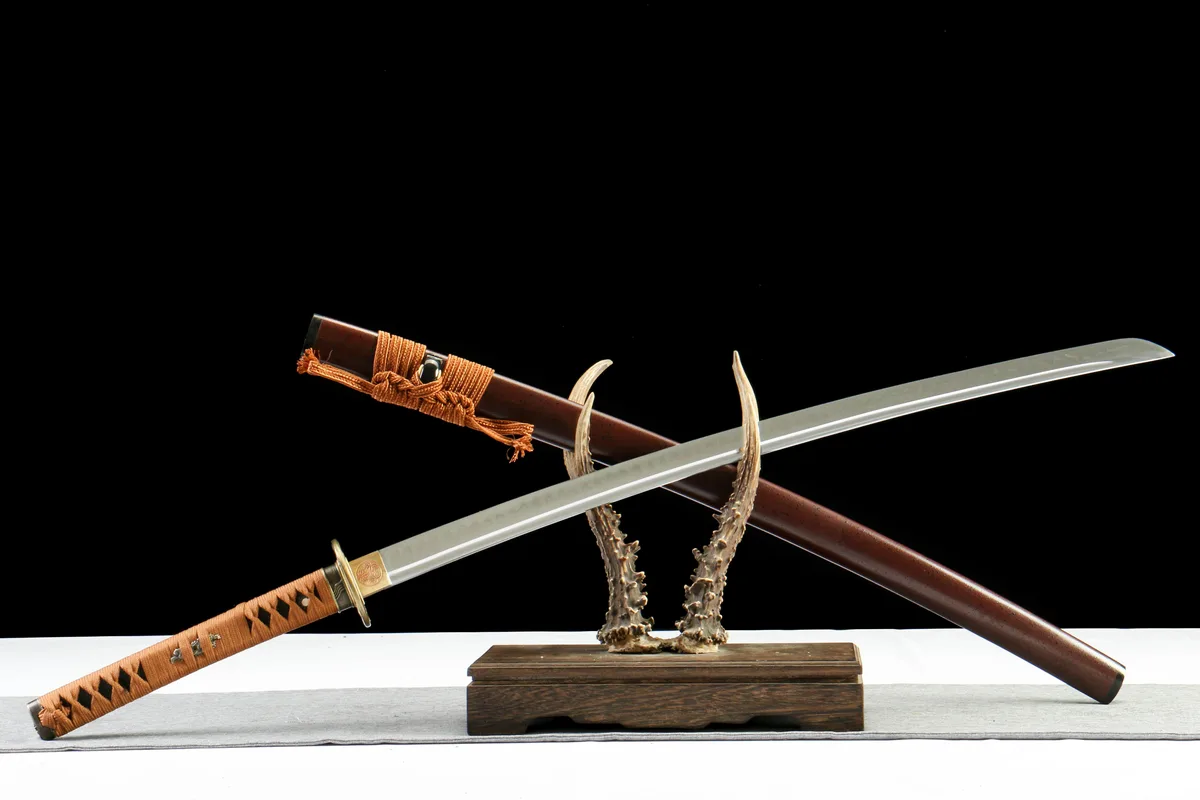
Hand-forged T10 Tool Steel katana (102cm total / 72cm blade), crafted in Longquan. Clay-tempered blade with a genuine hamon line — visible contrast between hardened edge and soft spine.
$479.99
Sand Light – Hand Forged T10 Tool Steel Katana Sword
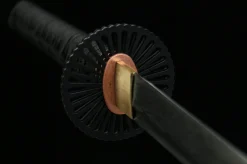
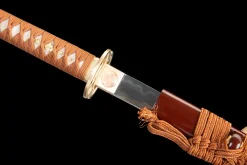
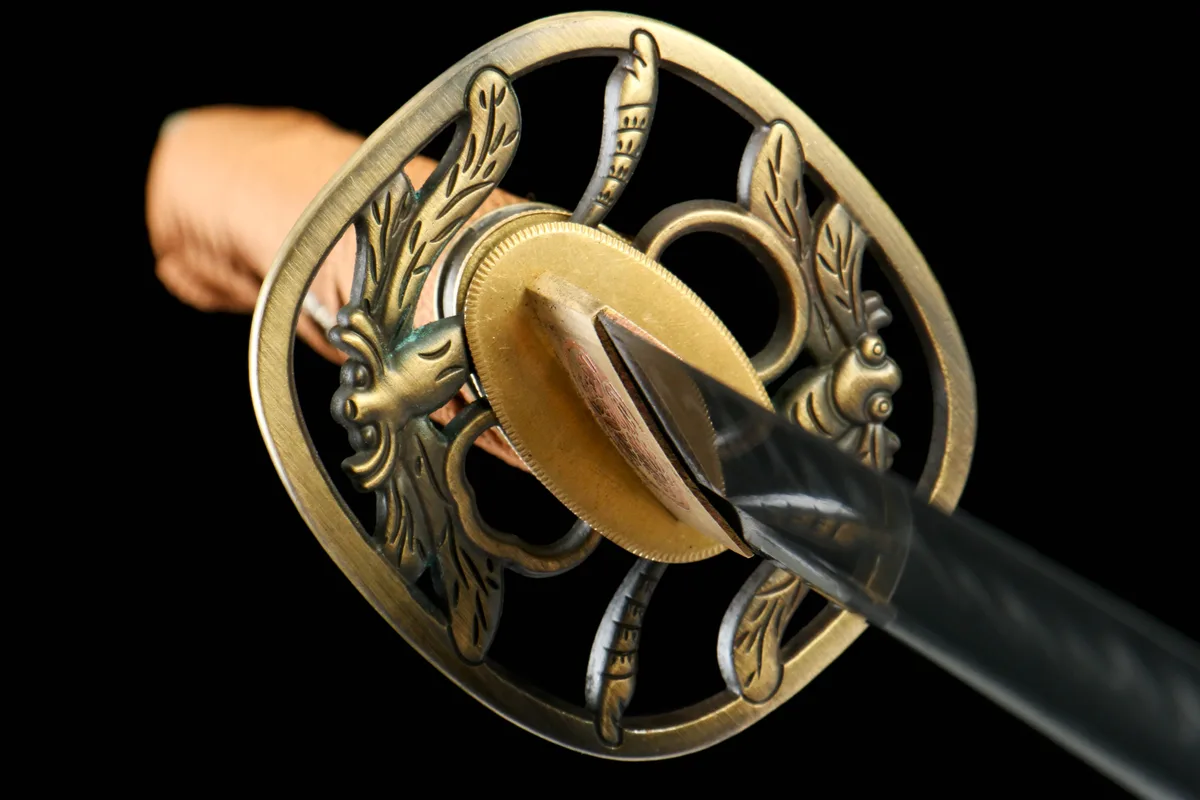
The dragonfly motif on the copper fittings of the Sand Light is not incidental. In Japanese tradition, the dragonfly – tombo – was a symbol carried by samurai as an emblem of agility and forward momentum, a creature that moves in all directions but never retreats. The copper tsuba and fuchi-kashira cast in this pattern bring that association to a blade that earns serious attention on its own terms: T10 tool steel, clay-tempered, with a hamon whose character against the blade’s finish is the visual center of the entire piece.
Specifications
| Blade Steel | T10 High Speed Tool Steel |
| Total Length | 102.0 cm / 40.2 in |
| Blade Length | 72.0 cm / 28.3 in |
| Blade Width | 3.2 cm |
| Blade Thickness | 0.7 cm |
| Weight | 1040 g / 36.7 oz |
| Heat Treatment | Clay Tempering (Differential Hardening) |
| Fittings | Copper |
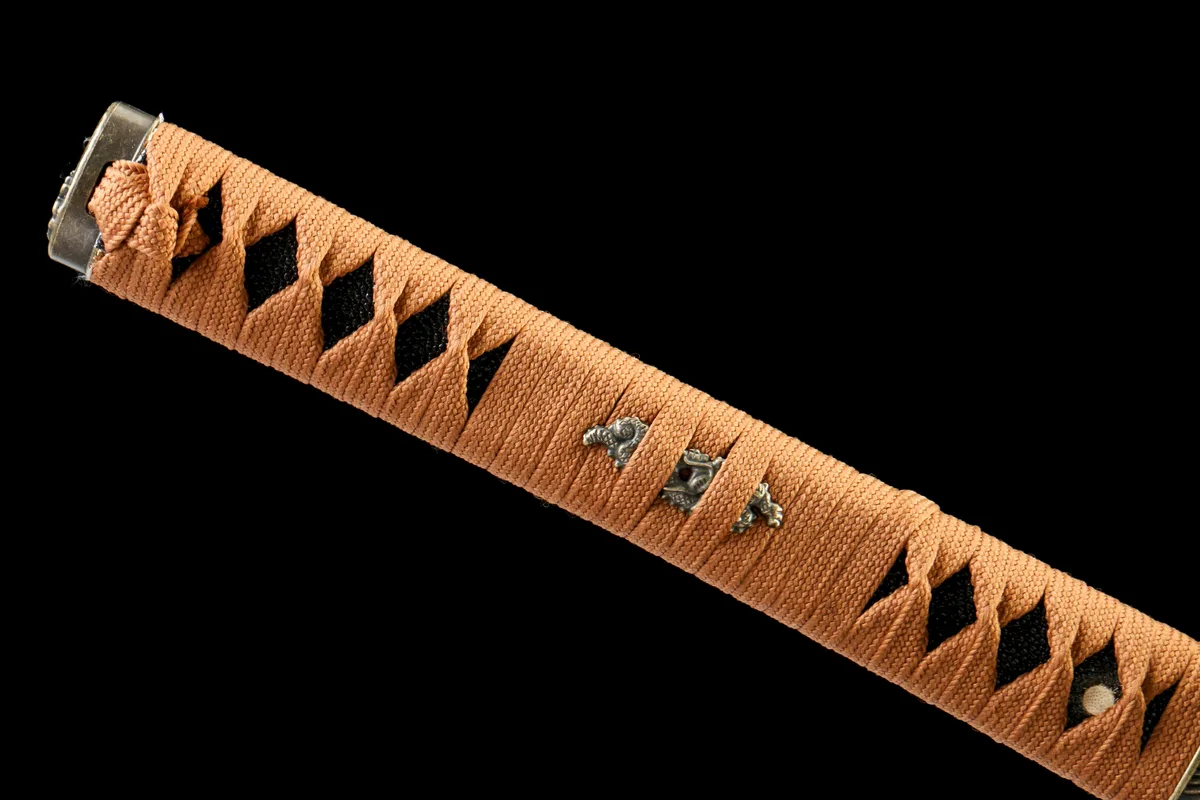
| Handle | Cotton Ito + Genuine Rayskin |
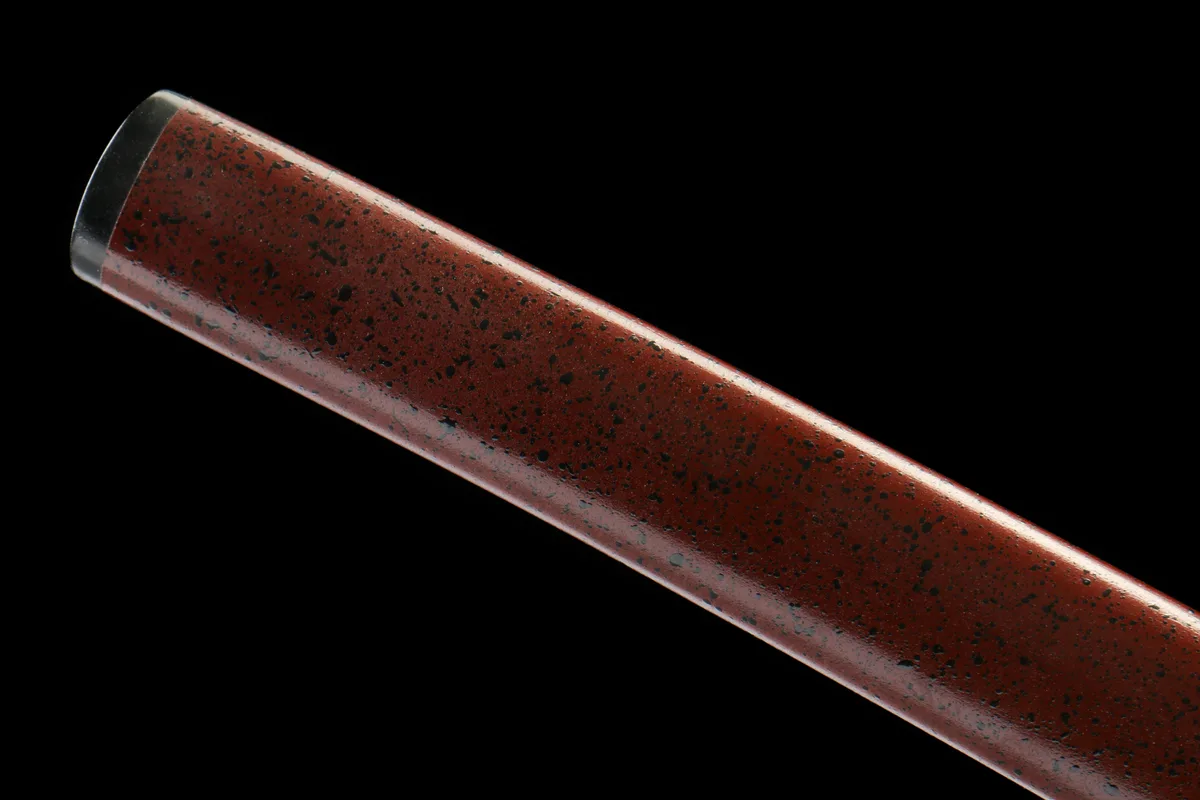
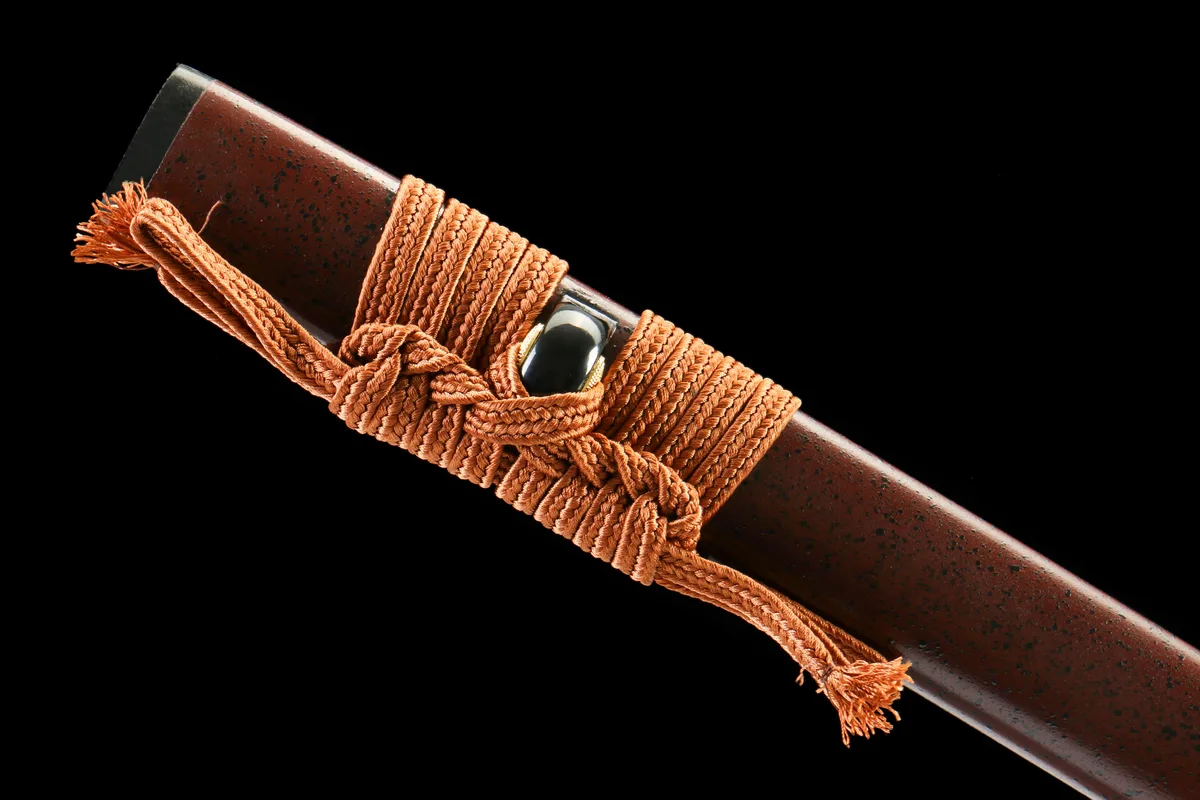
| Sheath | Hardwood (High-Gloss Lacquer) |
Steel & Construction
T10 tool steel’s tungsten content pushes its properties beyond what standard high-carbon steel achieves at equivalent hardness. Greater resistance to edge deformation, finer grain structure, and a more expressive response to clay tempering are the practical outcomes. The differential hardening process – clay applied to the spine before quenching, creating a rapid-cool edge and a slow-cool mune (back edge) – produces a hamon that is not painted or etched onto the surface. It is a structural feature, a literal map of the thermal event that shaped the blade’s metallurgy. On T10, the habuchi (boundary zone of the hamon) tends to be bright and complex, often showing nie – individual crystalline martensite particles that appear under direct light as a fine, luminous texture along the temper line itself.
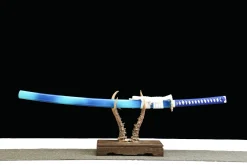
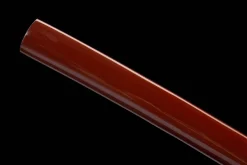
The shinogi-zukuri (ridgeline) profile runs the full blade length, the shinogi-ji (flat panel between the ridge and the spine) providing visual width while the ha (cutting edge) geometry below the ridge handles the work. At 3.2 cm wide and 0.7 cm at the spine, the blade proportions are classical and deliberate. The high-gloss lacquered hardwood saya (scabbard) provides a warm, dark counterpoint to the copper fittings – the two tones reading against each other in a way that makes the overall presentation coherent rather than busy.
Handling
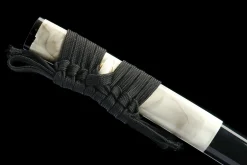
At 102 cm total with a 26 cm handle, the Sand Light sits in the proportional range of a classical daito – the long sword of the samurai’s paired carry. The cotton ito wrap over genuine same (rayskin) gives the handle a grip profile that is firm at the cross-points and subtly textured throughout, the raised nodules of the rayskin detectable through the wrap and providing traction without roughness. The copper tsuba presents a clean forward stop, its cast dragonfly relief adding tactile presence to the guard. The saya draws with the kind of precise, even friction that indicates a properly fitted habaki (blade collar) – the blade does not wobble at rest, and it does not stick on the draw.
Care Instructions
Wipe the blade clean with a soft cloth after each handling session and apply a thin, even coat of choji oil (clove-based sword oil) or pharmaceutical mineral oil to protect the steel surface from oxidation. The copper fittings will develop a natural patina over time – this is normal and can be left as-is or maintained with a metal polish formulated for copper, applied sparingly and kept off the blade. Store in the saya horizontally in a stable, dry environment away from temperature fluctuation.
| Weight | 1.32 lbs |
|---|---|
| Dimensions | 102.0 × 3.2 × 0.7 in |
| Hamon | Real Hamon (Clay Tempered) |
| Blade Steel | T10 Tool Steel |
| Total Length | 102.0 cm |
| Blade Length | 72.0 cm |
| Heat Treatment | Clay Tempering (Differential Hardening) |
| Handle Wrap | Cotton Ito + Genuine Rayskin |
| Sheath Material | Hardwood (High-Gloss Lacquer) |
| Fittings | Copper |
| Forging Style | Shinogi-Zukuri (Ridgeline) |
Related products