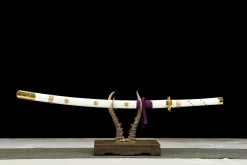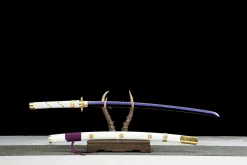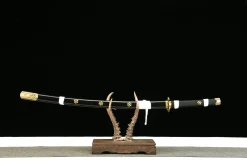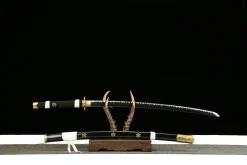












Shadow Carve Tanto – Hand Forged T10 Tool Steel Tanto Sword
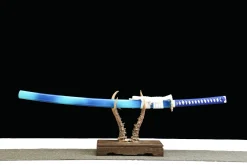
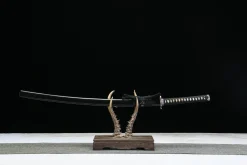
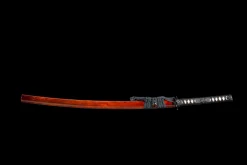
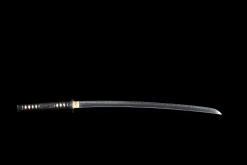
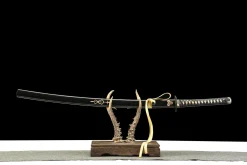
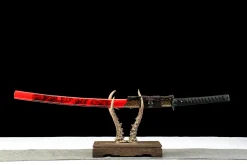
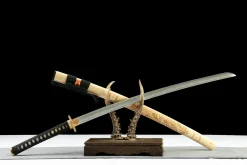
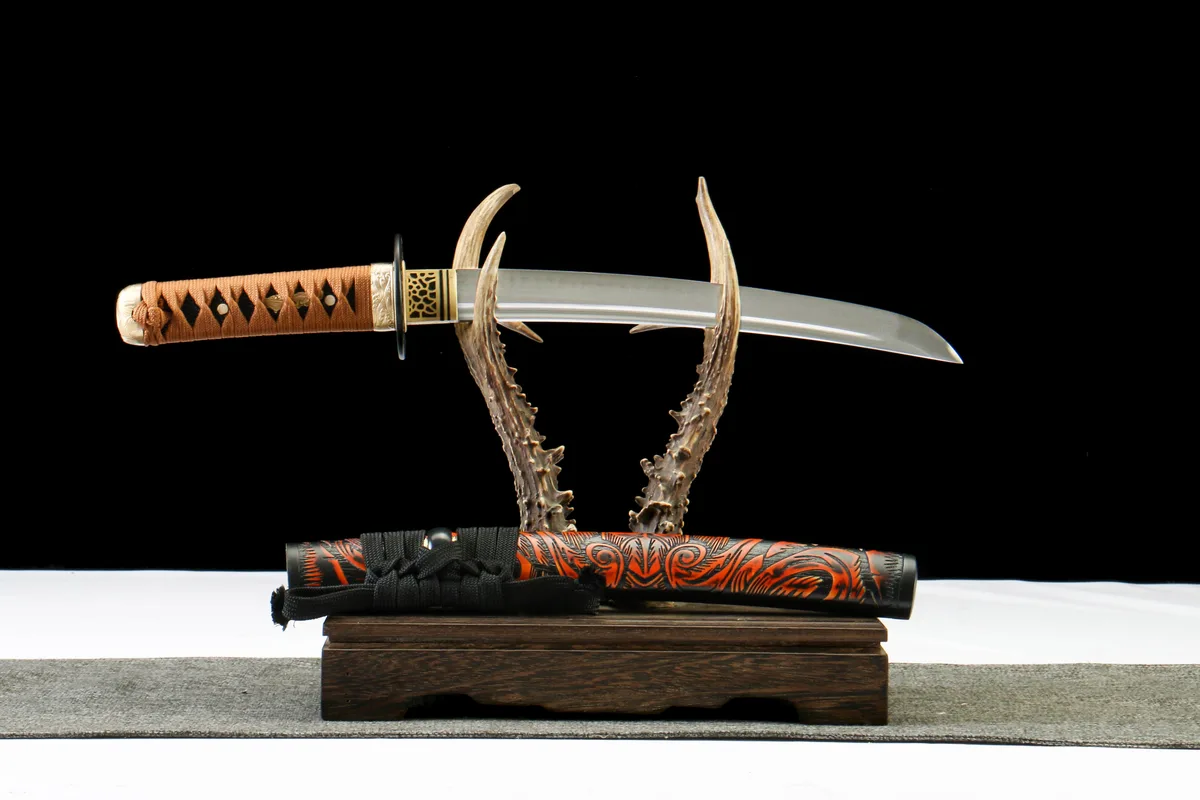
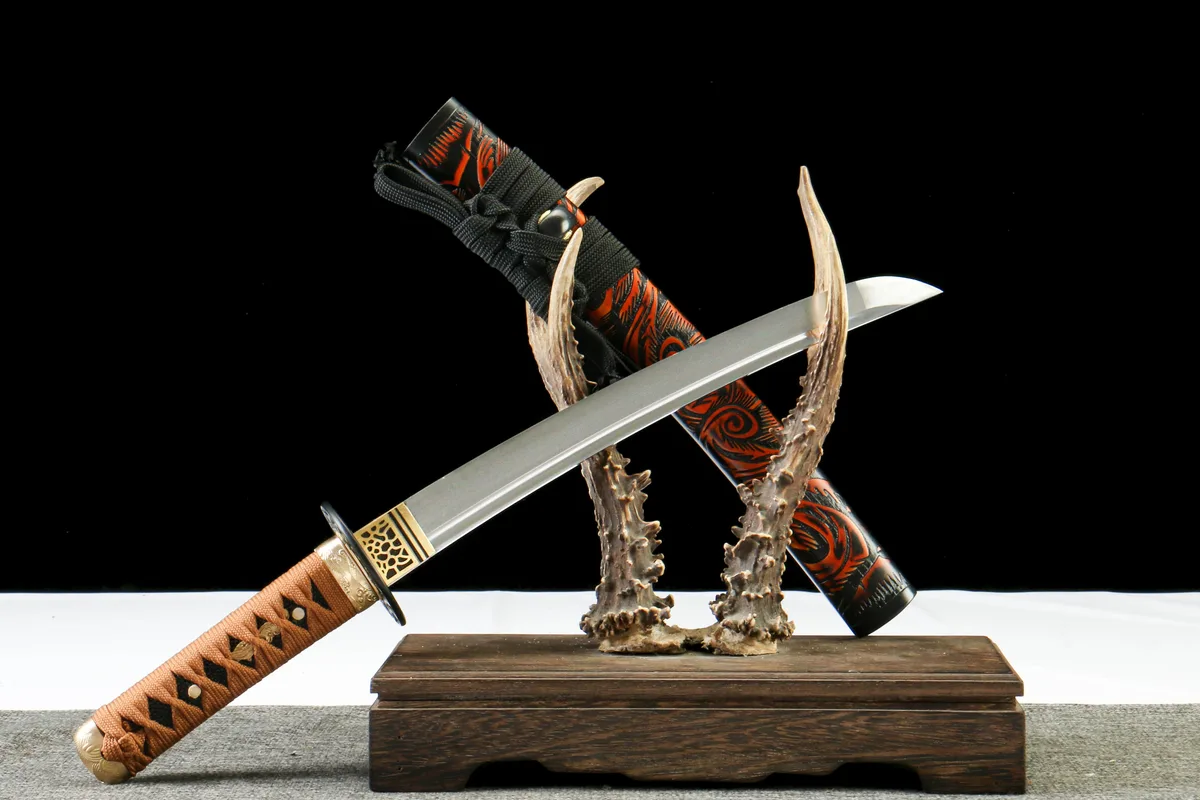
Hand-forged T10 Tool Steel tanto (52cm total / 32cm blade), crafted in Longquan. Clay-tempered blade with a genuine hamon line — visible contrast between hardened edge and soft spine.
$329.99
Shadow Carve Tanto – Hand Forged T10 Tool Steel Tanto Sword
A tanto built to the same differential hardening standard as a full katana is not a common thing. The Shadow Carve Tanto – 影雕短刀 – carries T10 tool steel with clay tempering applied to a 32 cm blade, which means the hamon – the visible temper line produced by selective clay application before quench – occupies a blade length where every millimeter of it is visible and close at hand. There is nowhere for inconsistency to hide at this scale, which is precisely why building a tanto this way is a test of process confidence.
Specifications
| Blade Steel | T10 High Speed Tool Steel, Clay Tempered (Differential Hardening) |
| Total Length | 52.5 cm / 20.7 in |
| Blade Length | 32.0 cm / 12.6 in |
| Blade Width | 3.2 cm |
| Weight | 500 g / 17.6 oz |
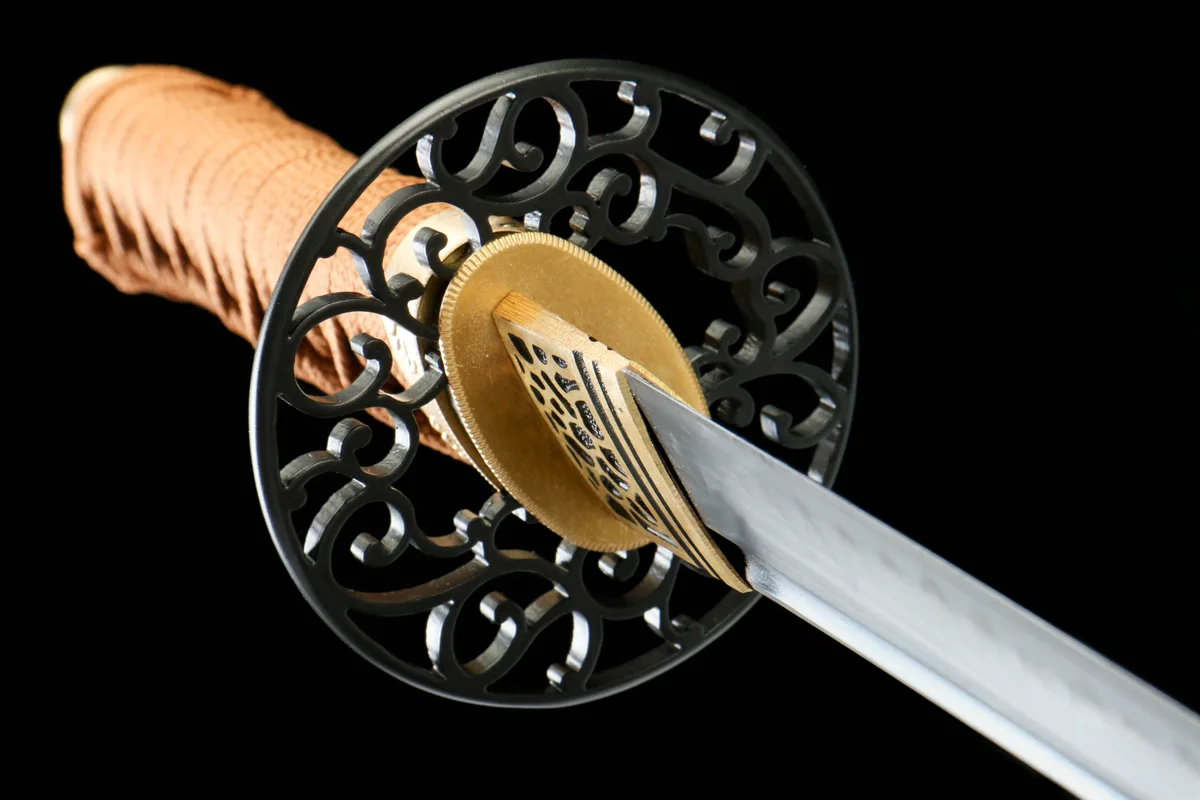
| Fittings | Iron (装 – fittings set) |
| Handle | Cotton Ito Wrap |
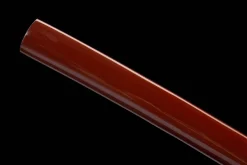
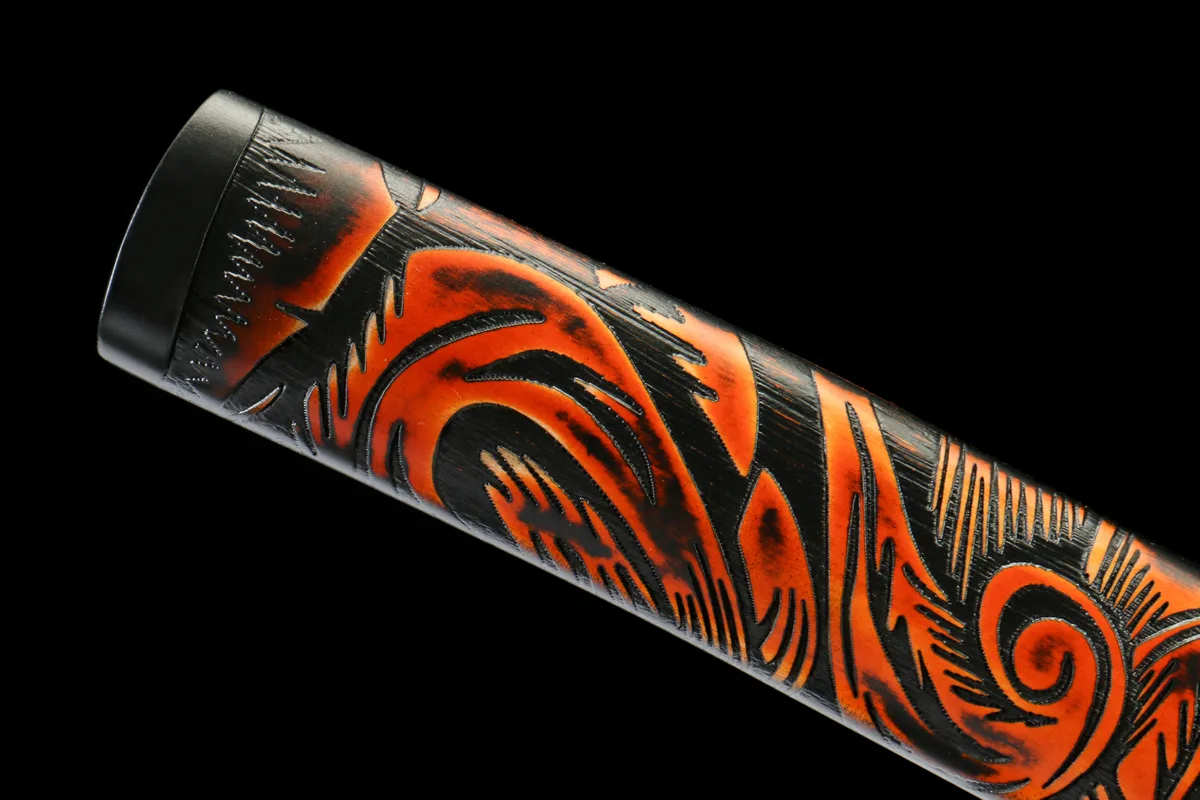
| Sheath | Green Bark Wood (Aohada) |
What the Steel Does
T10 tool steel includes tungsten in its alloy composition – not a minor addition. Tungsten refines carbide distribution during heat treatment, which translates directly to a harder, more wear-resistant edge that holds its geometry under repeated work. At this blade width and thickness – 3.2 cm wide, 0.7 cm at the spine – T10 is operating in a cross-section where edge retention is particularly visible: you will know when the steel is working correctly because the edge comes back to the same condition cycle after cycle without the progressive degradation that lower-alloy steels show over time.
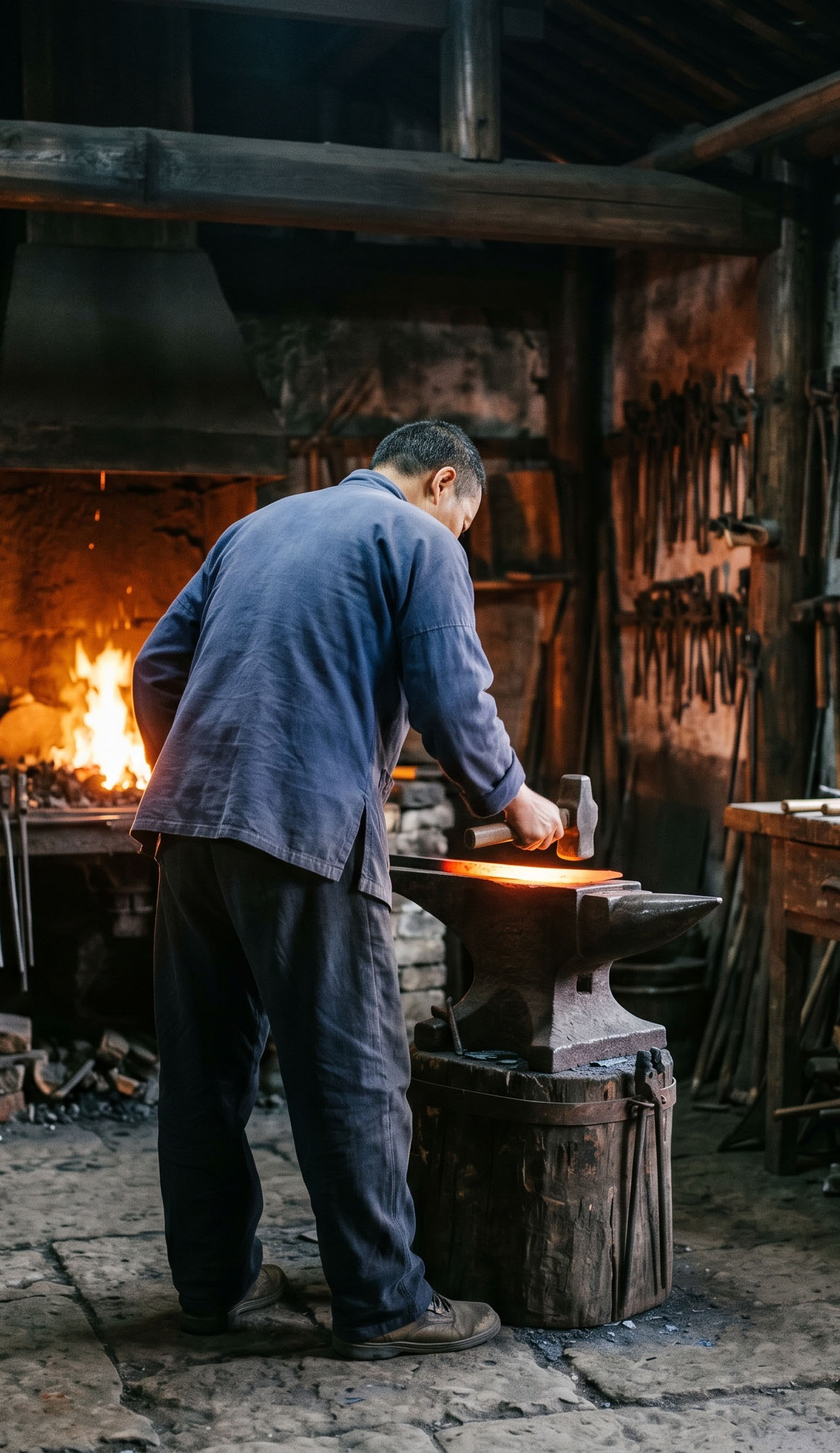
The clay tempering process – tsuchioki – creates a hard martensite edge zone and a softer, tougher pearlite spine within the same blade. On a 32 cm tanto, the thermal dynamics of the quench are compressed relative to a full katana, and the clay application geometry must be proportionally precise. The habuchi – the transition boundary between hard and soft – in a well-executed tanto quench should be active and clearly defined, not washed out. The differential hardening forging style listed here is exactly that: not decorative, not approximate, but a genuine two-zone structure produced by the clay and confirmed by the hamon.
The Feel of It
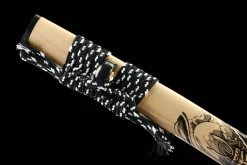
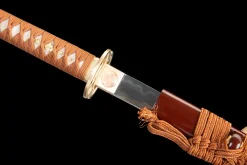
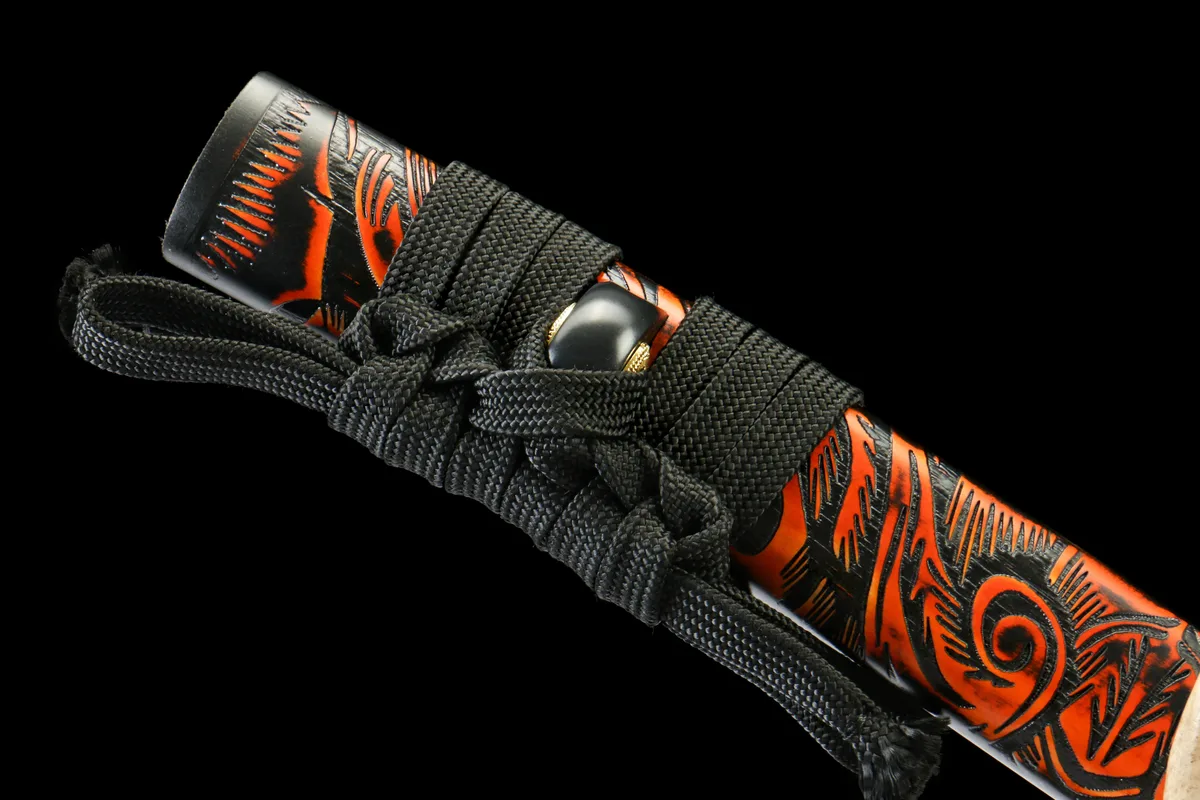
The 16 cm cotton ito-wrapped tsuka – the handle – is built for a secure single-hand grip, the diamond-pattern wrap seating across the palm with same (ray skin) underneath providing the anti-rotation layer that keeps the ito from shifting under load. The tanto draws from an aohada (green bark wood) saya cleanly – the koiguchi (saya mouth) is fitted to the habaki (blade collar) with enough precision to retain the blade passively but without the friction that slows a working draw. At 32 cm of blade, every movement is close and direct; the iron fittings carry no unnecessary visual noise, and the entire package – iron, bark wood, cotton wrap – reads as a blade built to function rather than to announce itself.
Maintenance Notes
T10 is reactive to moisture and fingerprint acidity – oil the blade with camellia or mineral oil after every handling session and before any storage. The aohada saya is durable but should not be stored in prolonged damp conditions; the bark surface handles normal humidity well but sustained moisture will affect the underlying wood and alter the saya fit over time. Sharpen on a water stone at a consistent angle – T10 takes more time to re-grind than plain carbon steels but the edge geometry it holds once set makes the discipline worthwhile.
| Weight | 0.7 lbs |
|---|---|
| Dimensions | 52.5 × 3.2 × 0.7 in |
| Hamon | Real Hamon (Clay Tempered) |
| Blade Steel | T10 Tool Steel |
| Total Length | 52.5 cm |
| Blade Length | 32.0 cm |
| Handle Wrap | Cotton Ito Wrap |
| Sheath Material | Green Bark Wood (Aohada) |
| Fittings | Iron, (装) |
| Forging Style | Differential Hardening (Clay Tempered) |
Related products