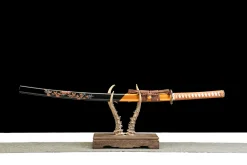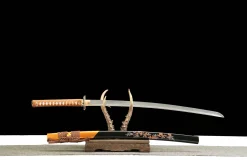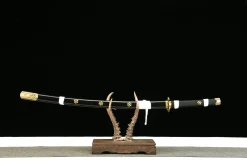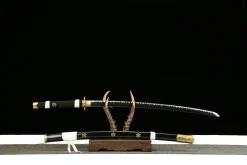

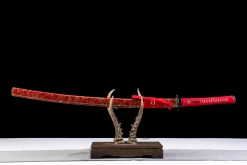
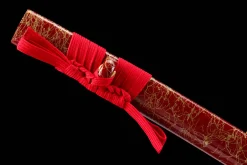

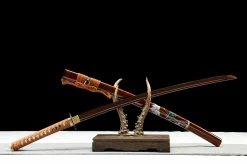
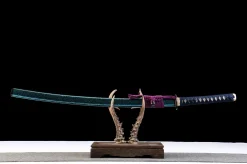







Silent Moment – Hand Forged T10 Tool Steel Katana Sword
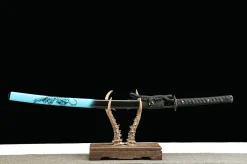
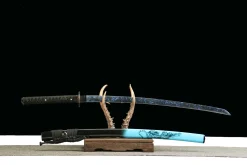
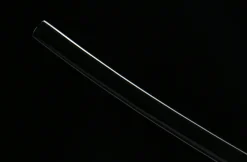
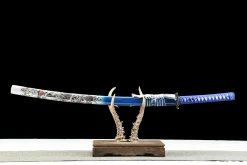
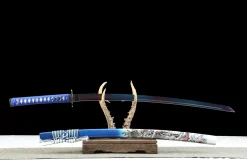
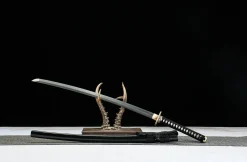
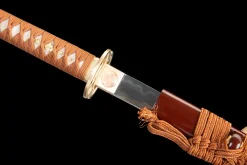
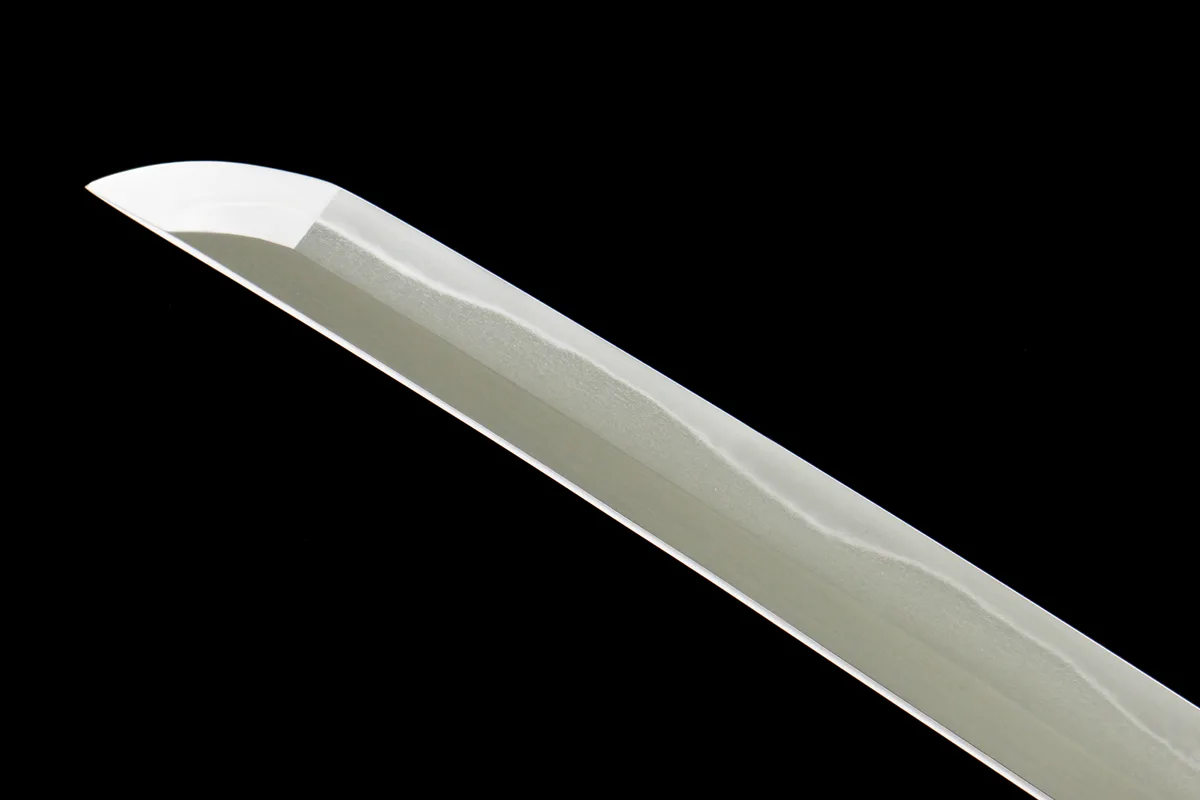
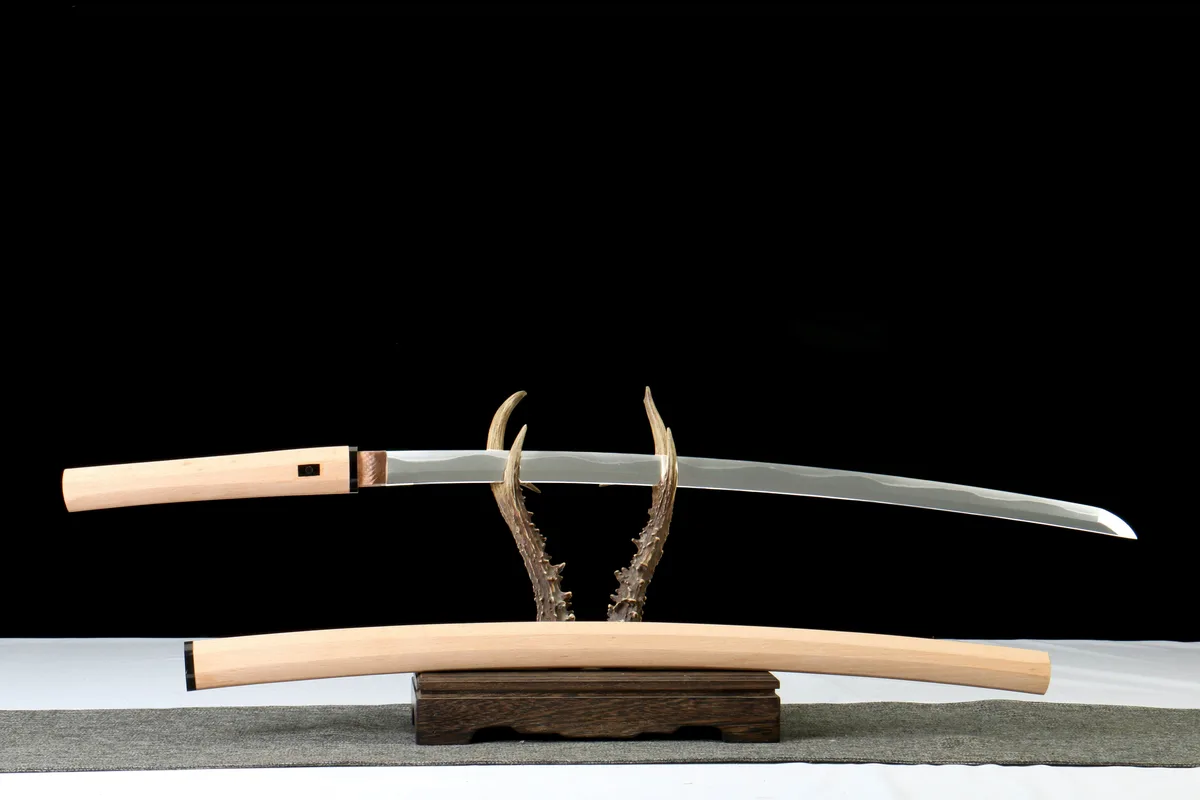
Hand-forged T10 Tool Steel katana (102cm total / 73cm blade), crafted in Longquan. Clay-tempered blade with a genuine hamon line — visible contrast between hardened edge and soft spine.
$2,549.99
Silent Moment – Hand Forged T10 Tool Steel Katana Sword
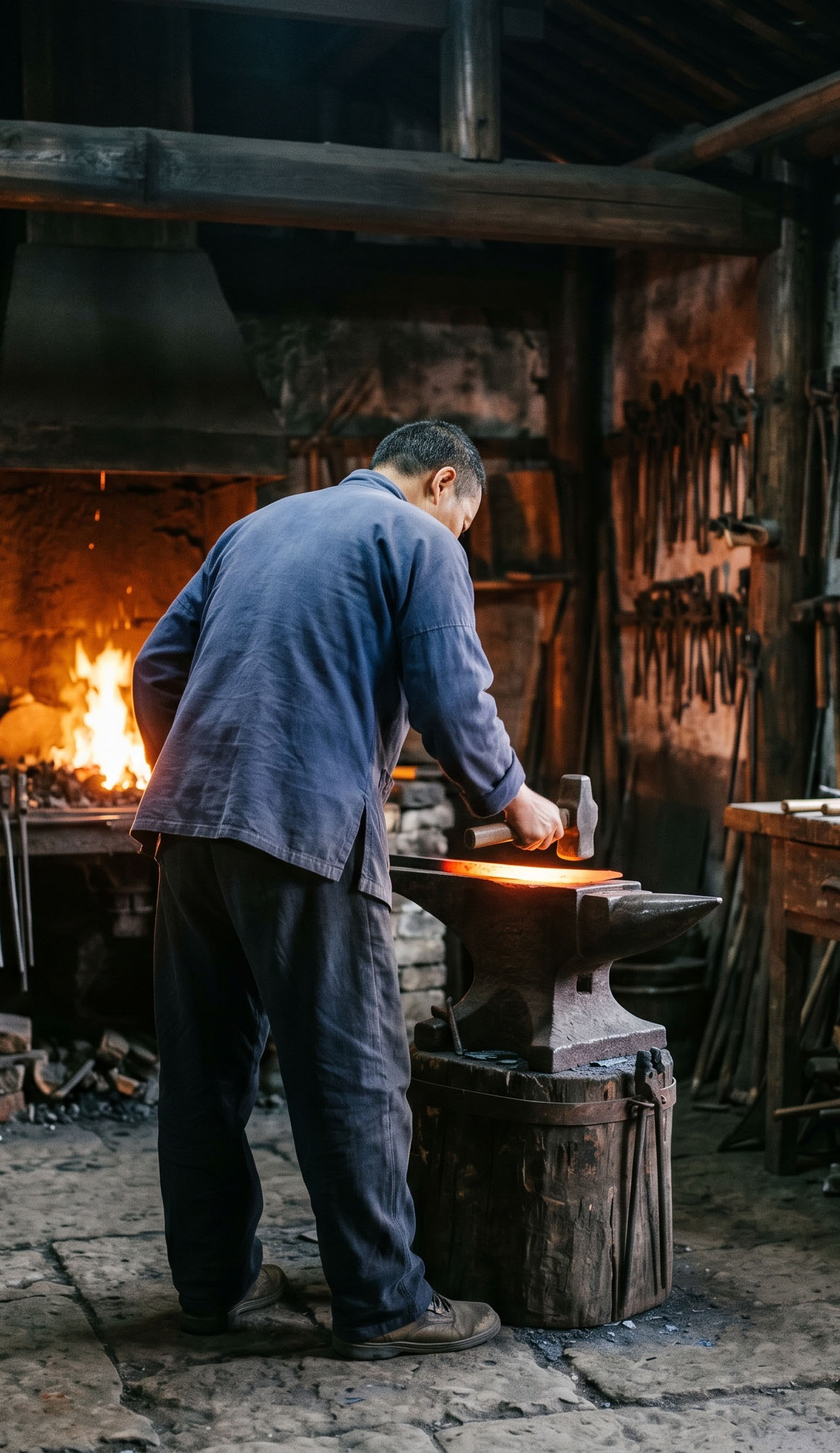
The hamon on the Silent Moment / 静刻 is not etched, not printed, not simulated. It is a direct record of the clay-tempering process – differential hardening achieved by applying refractory clay to the spine before the final quench, creating a hard martensitic edge zone and a tougher pearlitic spine within the same blade. What you see in the transition line is physics made permanent in steel, and on T10 high-speed tool steel, that line is sharper, more complex, and more varied than most production blades will ever show.
Specifications
| Blade Steel | T10 High Speed Tool Steel, Hand Polished |
| Total Length | 102.0 cm / 40.2 in |
| Blade Length | 73.0 cm / 28.7 in |
| Blade Width | 2.9 cm |
| Weight | 950 g / 33.5 oz |
| Heat Treatment | Clay Tempered (Differential Hardening) |
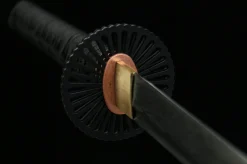
| Fittings | Alloy |
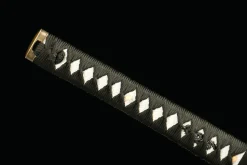
| Handle | Cotton Ito Wrap |
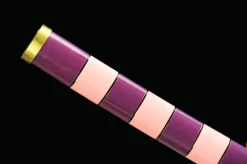
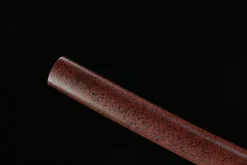
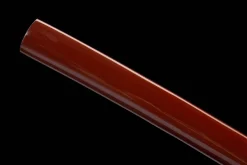
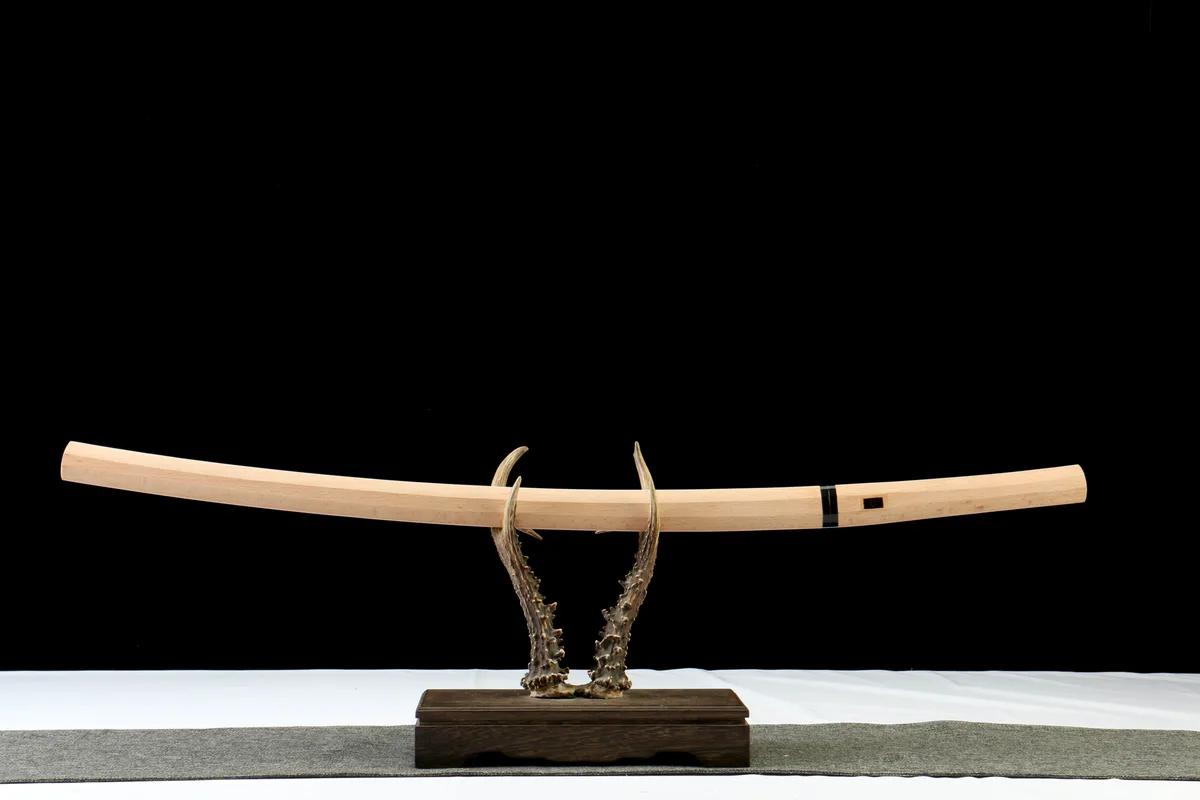
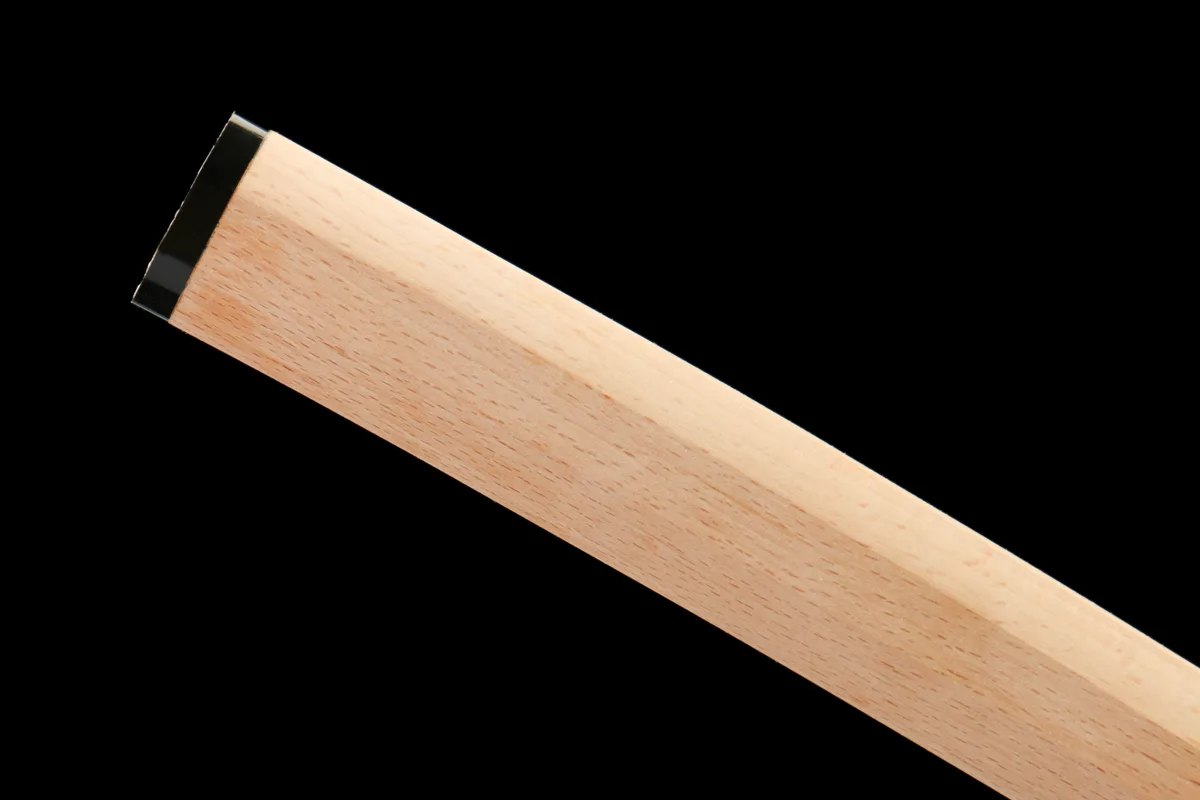
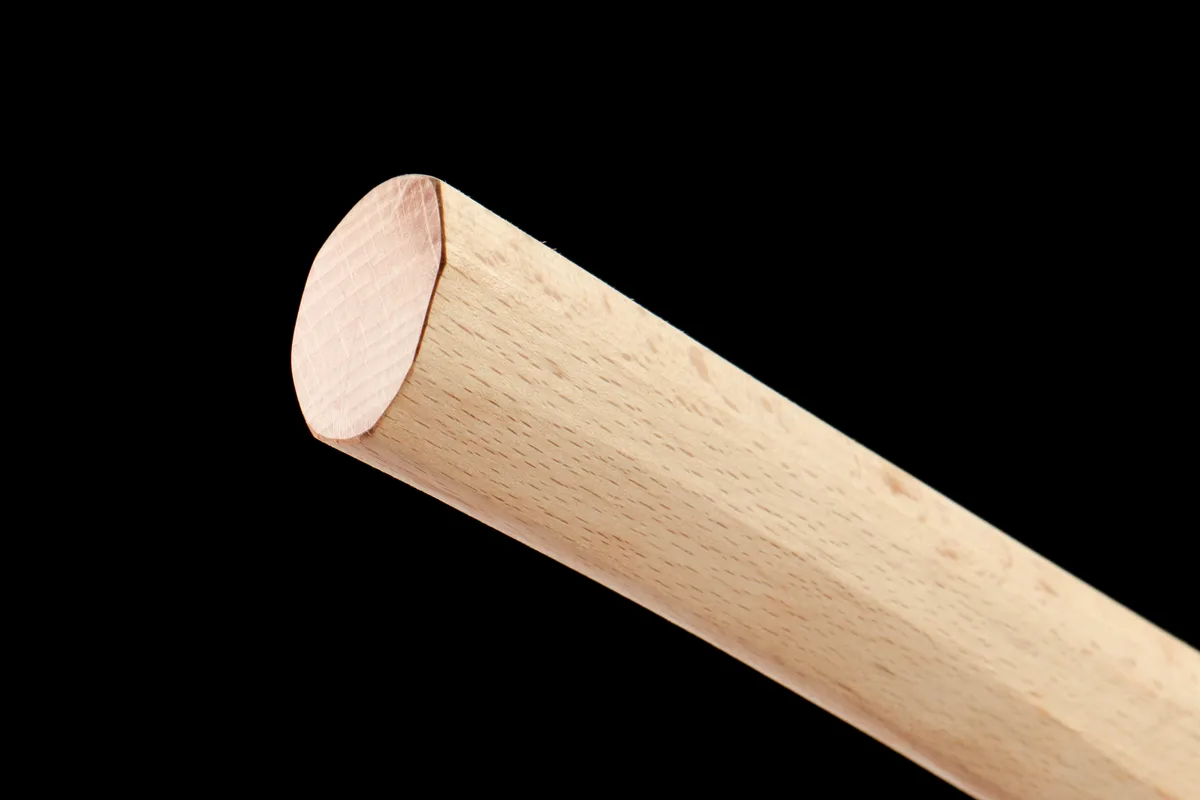
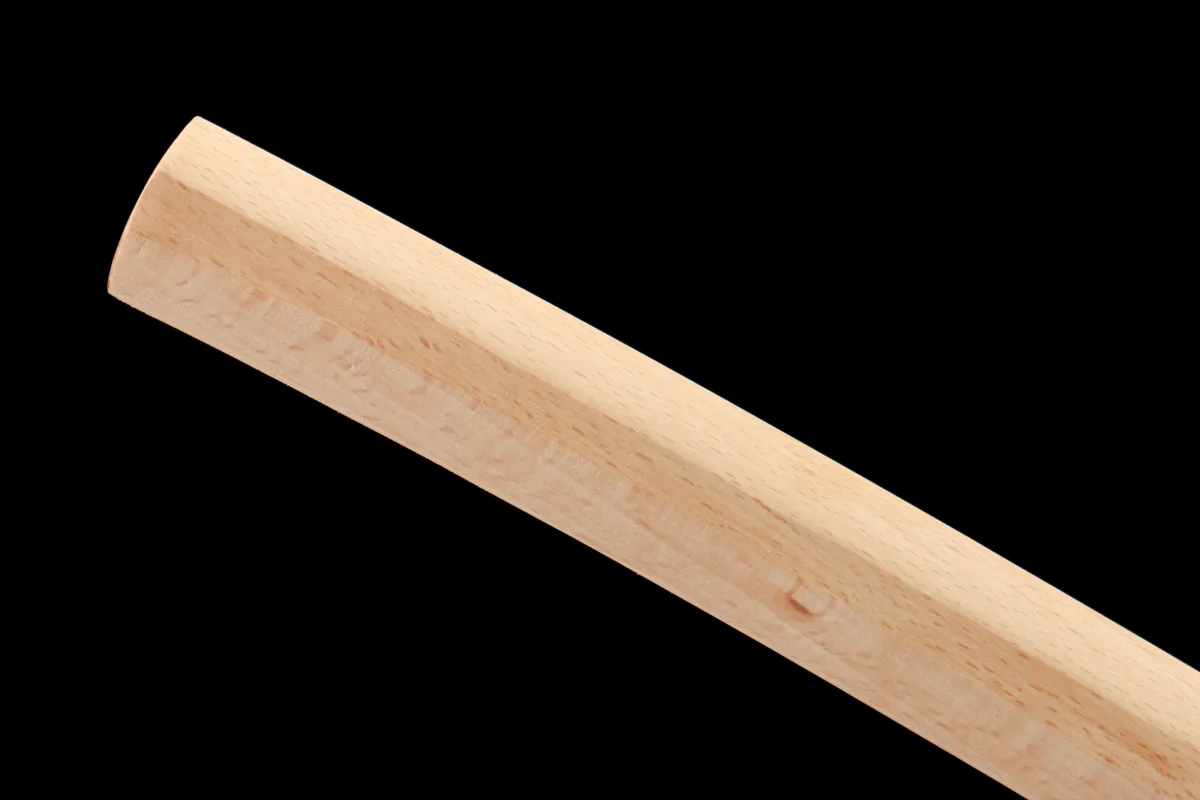
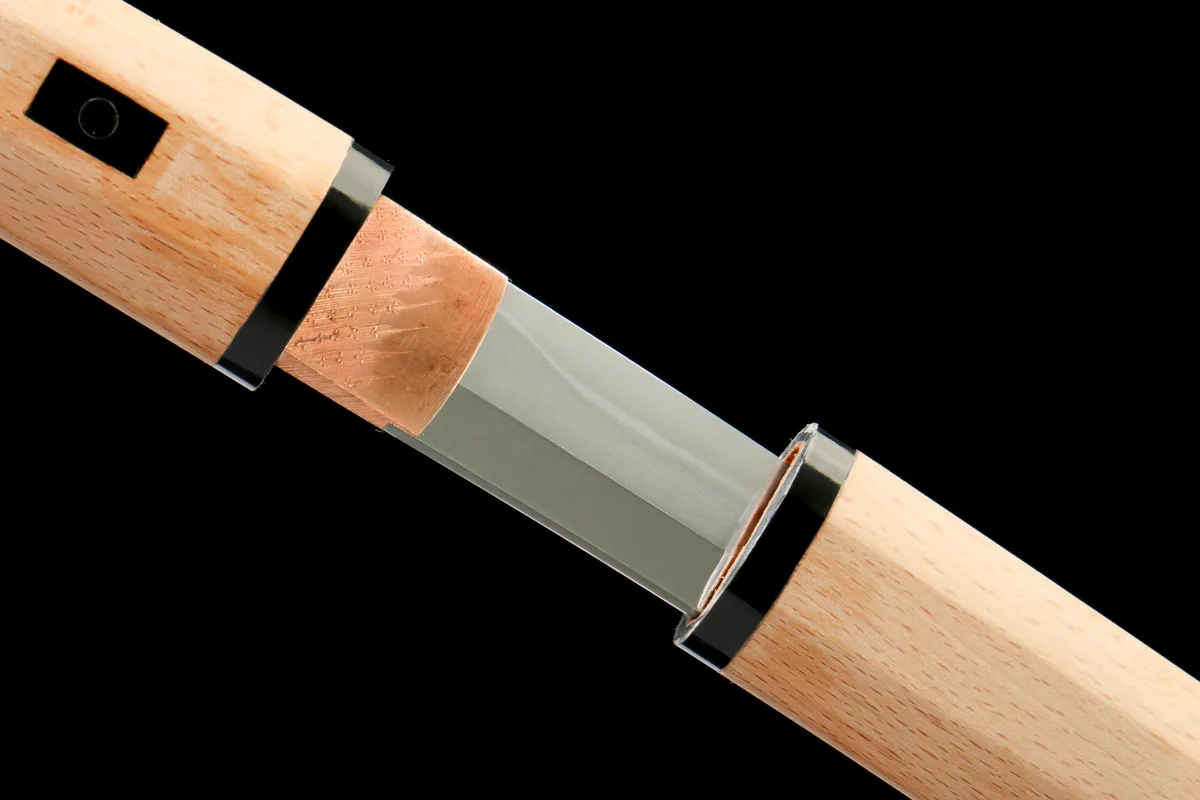
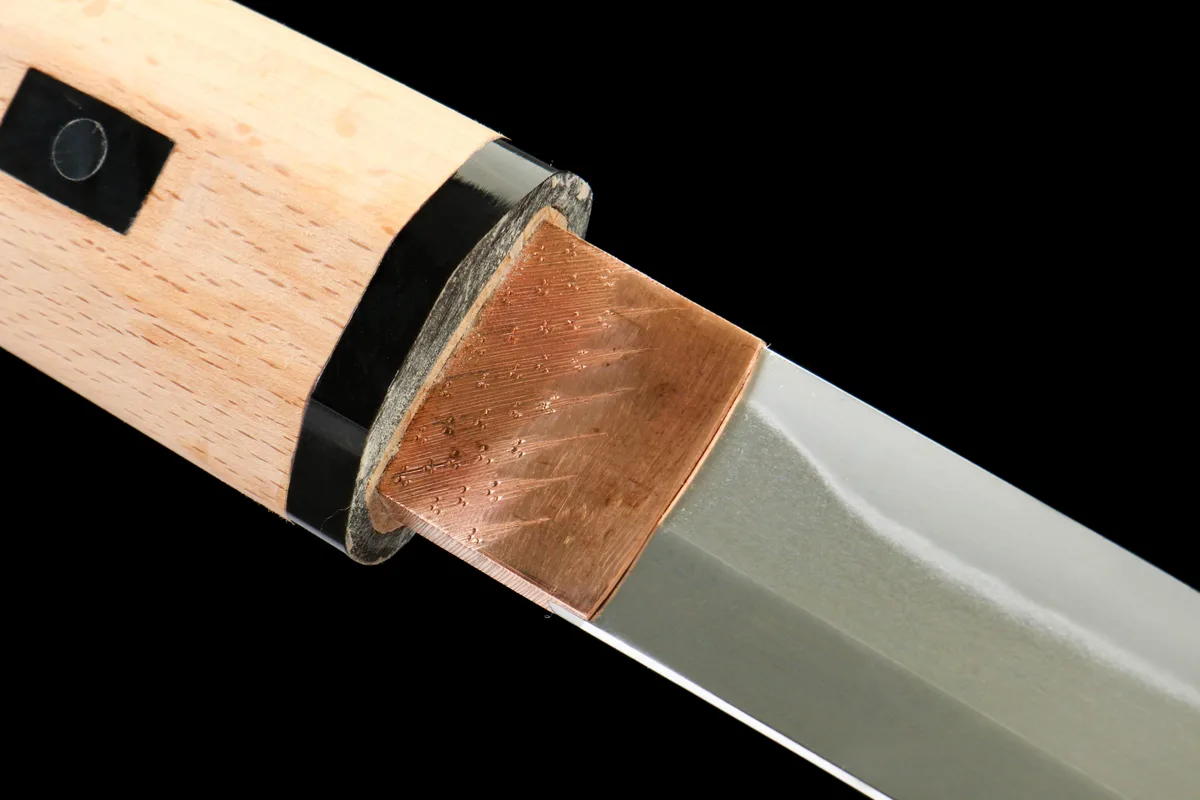
| Sheath | Keyaki Wood (榉) |
Steel & Construction
T10 is a tungsten-alloyed high-speed tool steel. The tungsten content – approximately 0.9% to 1.0% in standard T10 specification – refines the carbide structure, producing a finer grain than plain high-carbon steels at equivalent hardness. After clay tempering, the edge zone of a properly executed T10 blade reaches approximately 62-64 HRC. The spine, insulated by the clay layer during quench, comes in significantly softer – typically in the low 40s HRC range. That differential is the functional heart of the design: a hard edge that holds geometry under demanding cutting and resists rolling, backed by a spine that absorbs shock and resists catastrophic fracture under lateral load. The two zones do not meet abruptly. The transition – the hamon – is a graduated boundary, and on T10 the nie (individual martensite crystals visible along the habuchi, the hamon boundary line) tend to be tightly packed and bright, giving the transition an active, almost textured quality rather than the smoother, hazier habuchi seen on lower-carbon clay-tempered blades.
The hand polishing brings that activity to the surface. A machine-buffed blade compresses and obscures the nie. Hand polishing, done in progressive grits with a final fingertip-polished nugui stage, opens the surface and allows the crystal structure at the habuchi to refract light individually. In raking light – a single source held low and to one side – the hamon on this blade is not a line. It is a landscape.
Handling
The nagasa (blade length) here is 73 cm – one centimeter longer than the standard 72 cm common across much of the production katana range. That additional centimeter shifts the center of percussion fractionally toward the tip, which most experienced cutters will notice immediately on the first test cut. The blade width narrows to 2.9 cm at the widest point, giving the geometry a sleeker cross-section than a broader-ground blade, and the 0.6 cm spine thickness tapers cleanly into a distal taper that does not fight the cut. The 26 cm tsuka (handle) wrapped in cotton ito is tight and dry – no looseness in the wrap, no give under a firm grip. The keyaki (Japanese elm) saya is dense-grained and polished to a low sheen; the draw is even and the koiguchi (sheath mouth) fits precisely enough that the blade is held in place vertically without slipping, but releases on a clean purposeful draw without resistance that transfers to the wrist. This is a blade that asks to be held correctly and rewards exactly that.
Care Instructions
T10 clay-tempered steel is more reactive to moisture than stainless or coated blades – choji oil (traditional clove-infused mineral oil) applied after every handling session is not optional here, it is the minimum. The hand-polished surface is sensitive to fingerprints; use a soft cloth or cotton gloves when handling the blade for inspection or photography. Do not use silicone-based oils, as they can interfere with the open surface left by hand polishing and obscure the nie over time.
| Weight | 1.2 lbs |
|---|---|
| Dimensions | 102.0 × 2.9 × 0.6 in |
| Hamon | Real Hamon (Clay Tempered) |
| Blade Steel | T10 Tool Steel |
| Total Length | 102.0 cm |
| Blade Length | 73.0 cm |
| Handle Wrap | Cotton Ito Wrap |
| Sheath Material | Wood, (榉) |
| Fittings | Alloy |
| Forging Style | Differential Hardening (Clay Tempered) |
Related products