


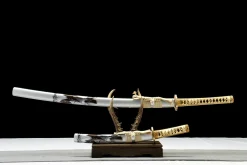






Starlight Radiance – Hand Forged T10 Tool Steel Wakizashi Sword
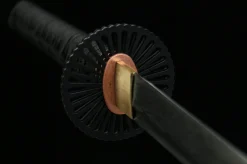
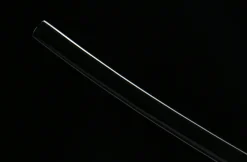
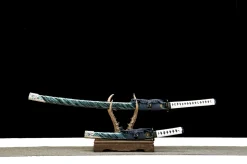
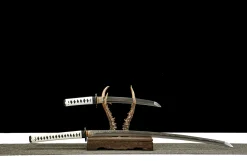
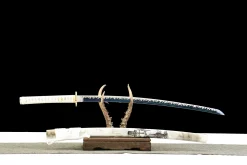
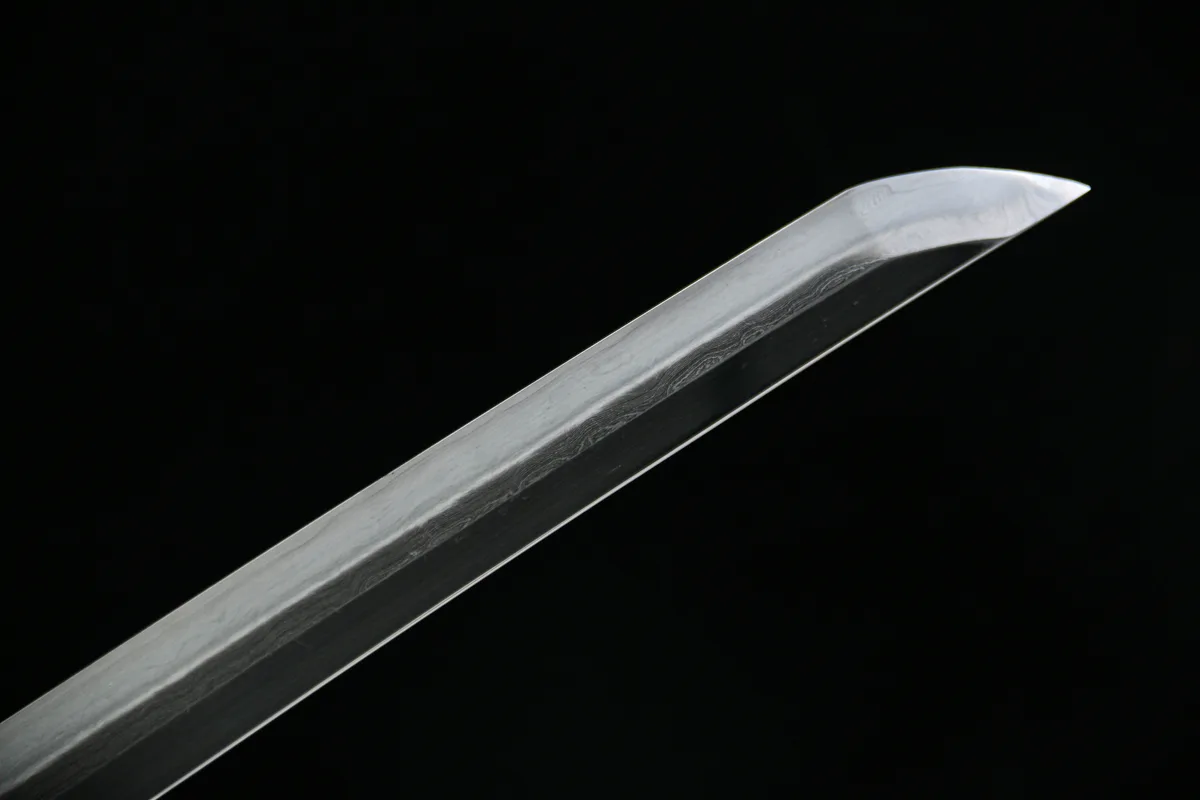
Hand-forged T10 Tool Steel wakizashi (80cm total / 56cm blade), crafted in Longquan. Clay-tempered blade with a genuine hamon line — visible contrast between hardened edge and soft spine.
$1,749.99
Starlight Radiance – Hand Forged T10 Tool Steel Wakizashi Sword
The designation 丁字烧 (choji-yaki) refers to a specific clay tempering pattern – one of the classical hamon forms in Japanese blade tradition, named for the clove-flower shape of the activity it produces along the temper line. It is one of the most technically demanding hamon styles to produce consistently, because the choji pattern requires precise clay application and exacting quench timing to draw the lobed, undulating formations reliably across the full blade length. The 一级研 (first-grade polish) applied to this blade means the hamon is not just present – it has been worked to full visibility by a polisher operating at the top of the craft. This is the Starlight Radiance (星辉), and the polish is where it earns its name.
Specifications
| Blade Steel | T10 High Speed Tool Steel, Clay Tempered – 丁字烧 (Choji-Yaki), 一级研 (First-Grade Polish) |
| Total Length | 80.0 cm / 31.5 in |
| Blade Length | 56.0 cm / 22.0 in |
| Blade Width | 3.2 cm |
| Weight | 500 g / 17.6 oz |
| Heat Treatment | Oil Quench & Temper |
| Fittings | Gold & Silver Gilded Fittings, Copper |
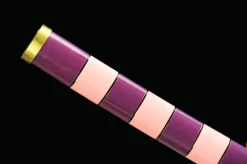
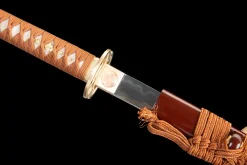
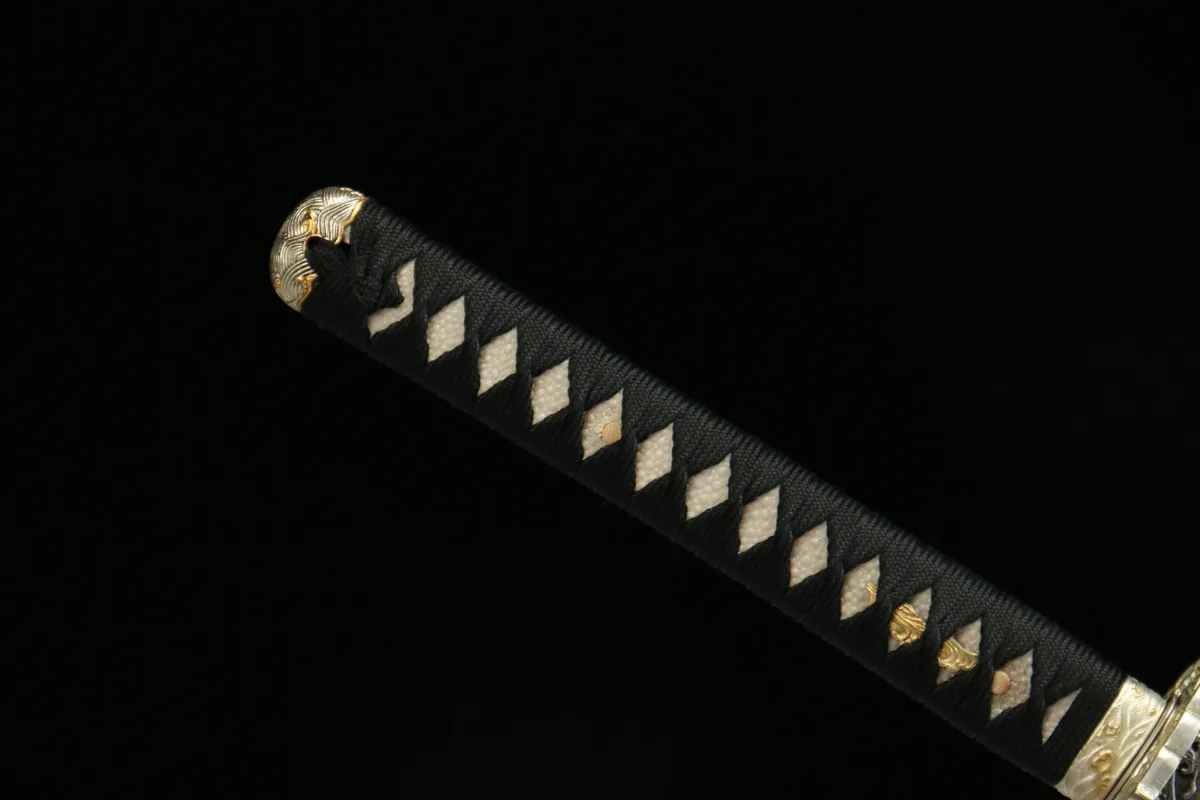
| Handle | Cotton Ito Wrap |
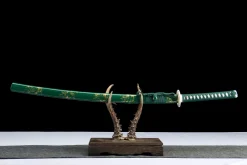
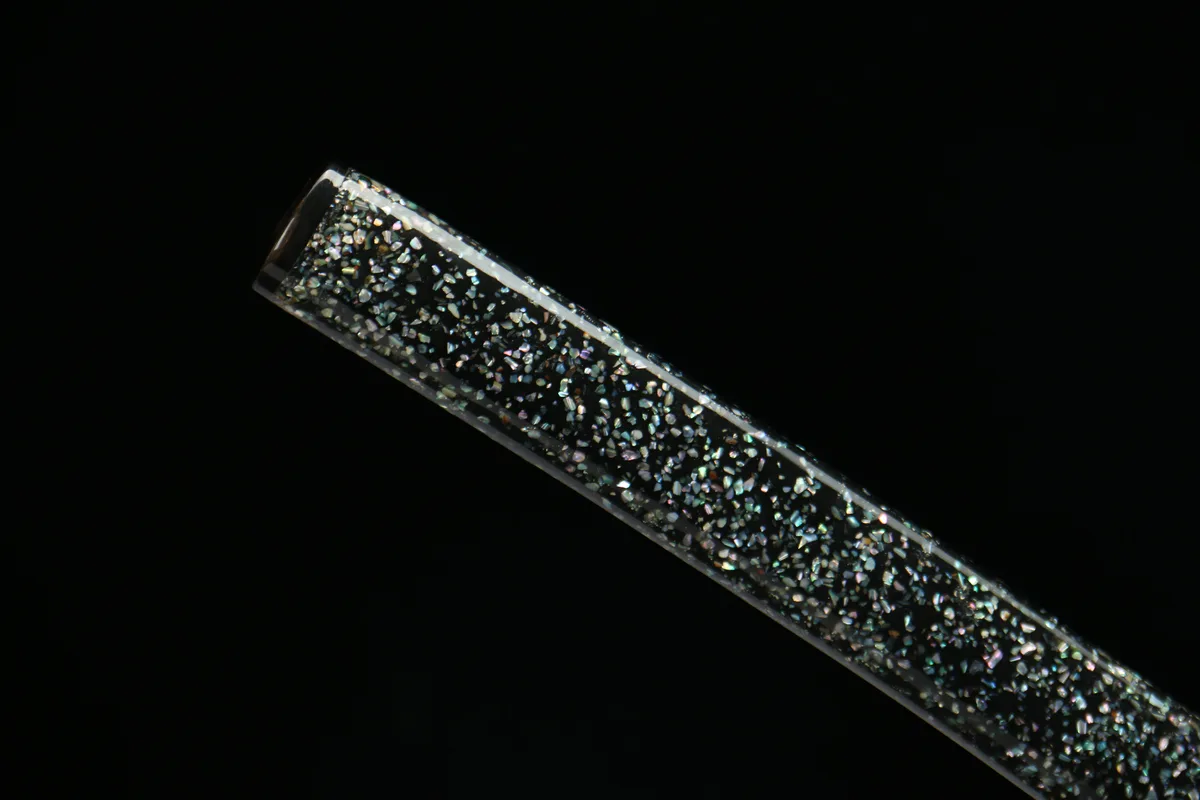
| Sheath | Green Bark Wood (Aohada) |
What the Steel Does
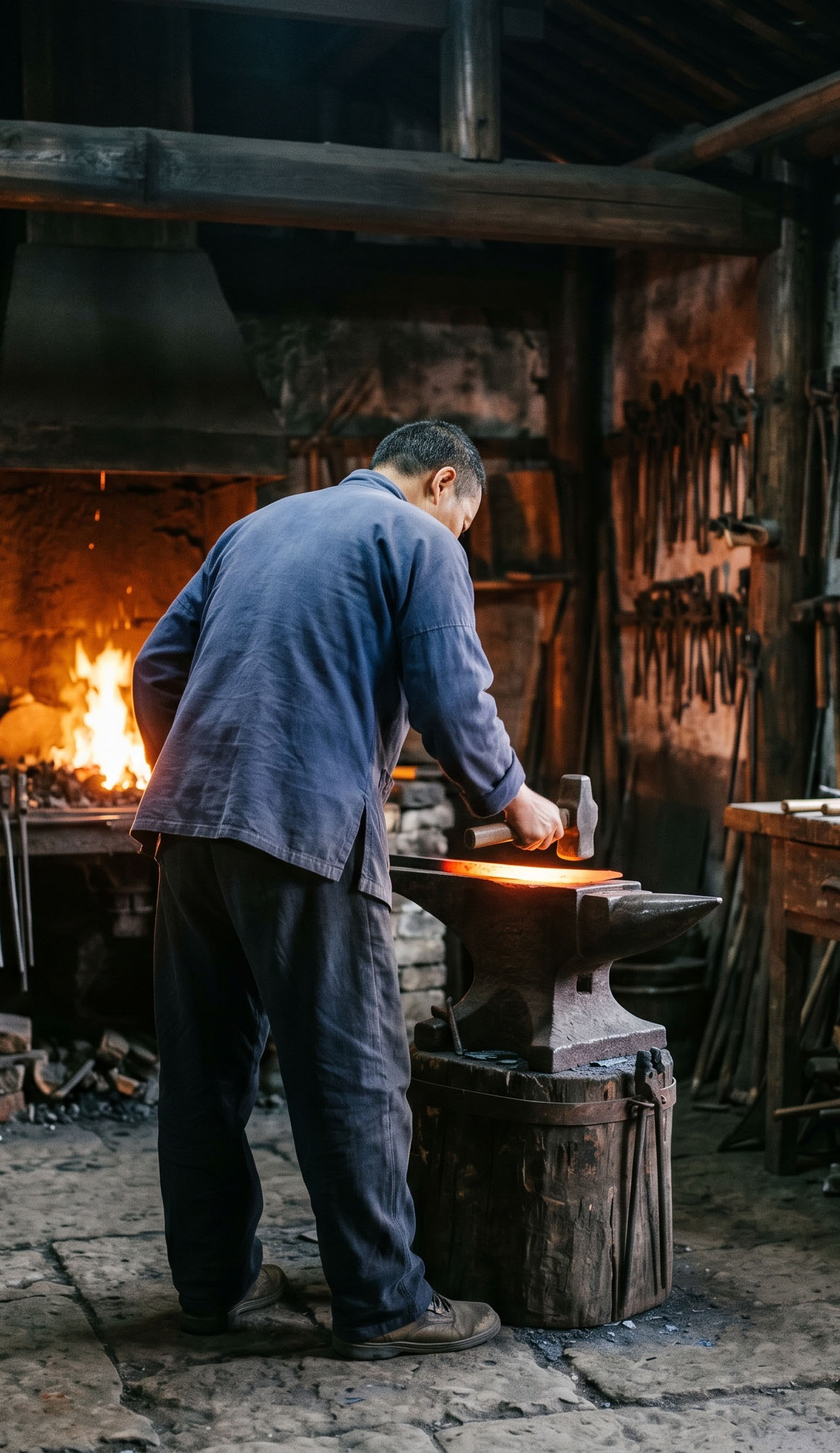
T10 tool steel earns its place in serious blade work through tungsten content that raises its hardness ceiling and wear resistance above standard high carbon grades. Under clay tempered differential hardening, T10 resolves into a blade with a hard martensitic edge zone and a tough, resilient spine – the mechanical contrast that gives a properly made Japanese blade its characteristic ability to flex under stress rather than fracture. The oil quench used here controls thermal shock across the blade, reducing warp risk and producing a stable, consistent temper along the full 56 cm of edge.
The choji-yaki clay pattern determines where the hamon forms and what shape it takes. In this application, the clay is applied in the lobed formations that produce the classic choji activity – rounded, petal-like peaks rising from the yakiba (hardened edge zone) toward the shinogi (blade ridge). Under the first-grade polish, the nie – the fine crystalline particle activity visible at and around the habuchi (hamon boundary) – reads clearly in directional light. The ashi (short activity lines extending down from the hamon into the edge zone) will be present and legible. This is not surface treatment. The hamon is a structural feature of the blade, made visible by the polish.
The Feel of It
At wakizashi scale – 56 cm blade, 24 cm handle – the Starlight Radiance sits differently in hand than a full katana. The 24 cm handle accommodates a full two-handed grip without crowding, and the cotton ito wrap provides a firm, textured surface that holds across grip transitions. The aohada saya (green bark wood sheath) has a quality to the draw that rewards a deliberate grip on the handle – the blade seats fully and releases cleanly. The gilded fittings catch light against the green wood of the saya in a pairing that makes the whole piece coherent as an object, not just as a blade in a sheath.
Maintenance Notes
T10 is reactive to moisture and will surface-rust quickly if left unprotected – apply a thin coat of choji oil or neutral mineral oil after every handling session. The first-grade polish is sensitive; do not wipe the blade with abrasive cloths or paper towels – use dedicated uchiko powder and nuguigami (Japanese tissue) or a soft cotton cloth. Store in the saya in stable, low-humidity conditions away from direct temperature change.
| Weight | 0.7 lbs |
|---|---|
| Dimensions | 80.0 × 3.2 × 0.7 in |
| Hamon | Real Hamon (Clay Tempered) |
| Blade Steel | T10 Tool Steel |
| Total Length | 80.0 cm |
| Blade Length | 56.0 cm |
| Heat Treatment | Oil Quench & Temper |
| Handle Wrap | Cotton Ito Wrap |
| Sheath Material | Green Bark Wood (Aohada) |
| Fittings | Gold & Silver Gilded Fittings, Copper |
| Forging Style | Differential Hardening (Clay Tempered) |
Related products