


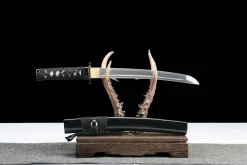
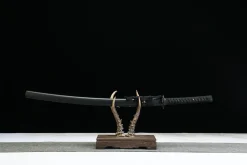












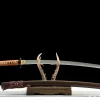
Steel Ash – Hand Forged 1065 Carbon Steel Katana Sword
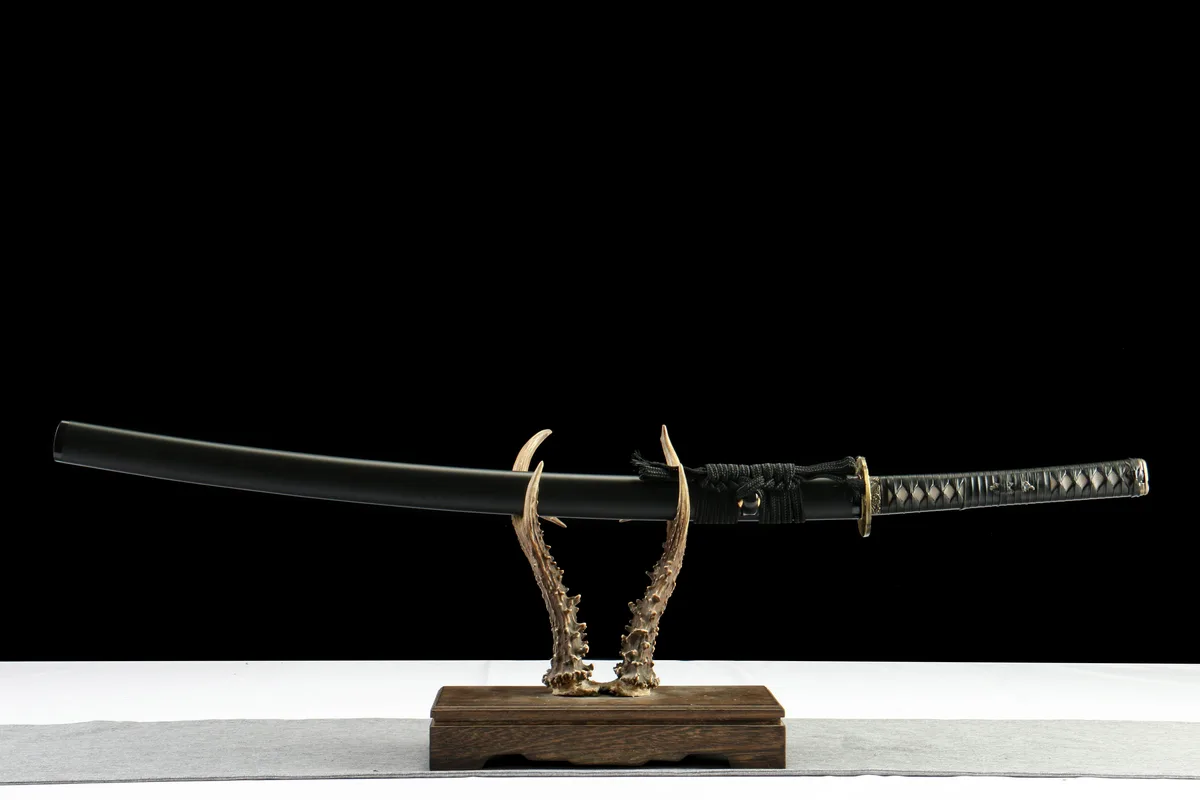
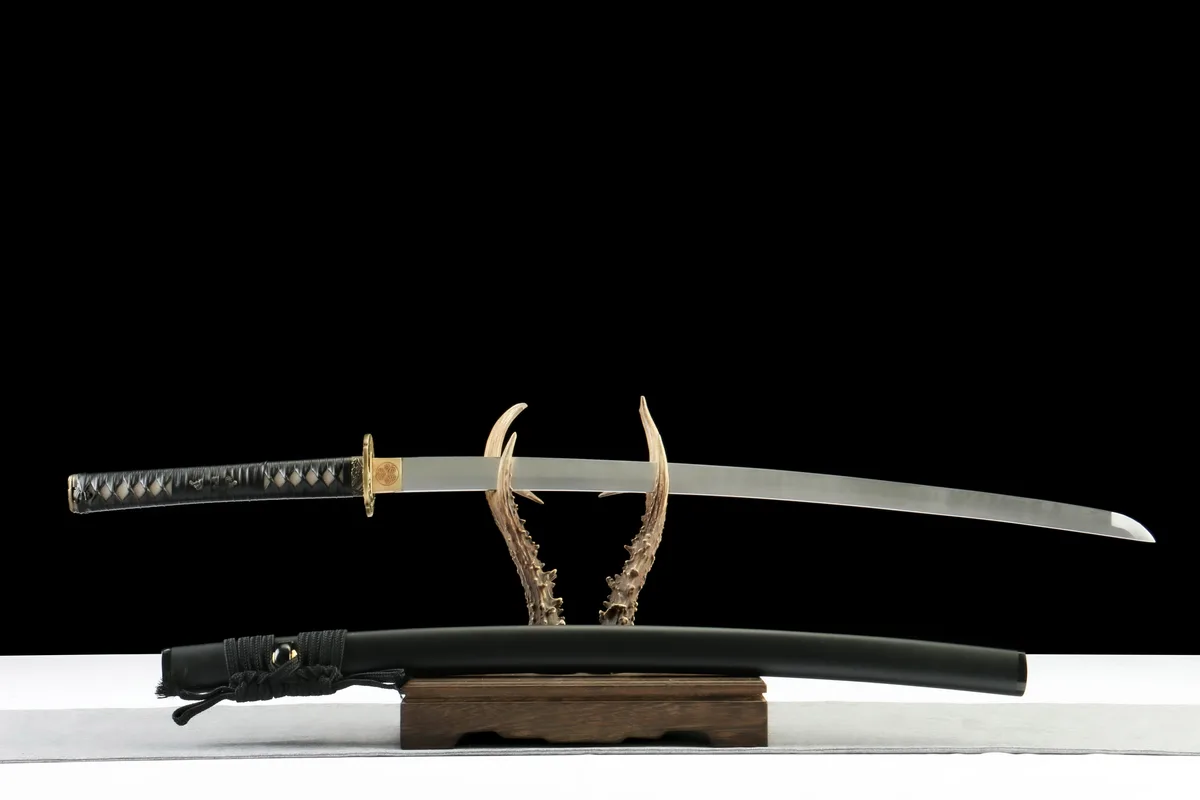
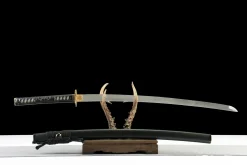
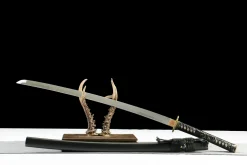
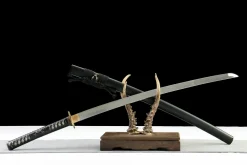
The Steel Ash is a 1065 high carbon steel katana forged in the shinogi-zukuri tradition — a full-size, fully functional Japanese longsword engineered for reliability, accessibility, and honest cutting performance at a mid-range price of $150. Its name evokes the cool grey tone of well-forged high-carbon steel and the ash-grey finish of its oil-quenched blade, a surface character that sets it apart from the mirror polish of higher-tier siblings. For beginners, students, and budget-conscious martial artists who demand a sword that can genuinely perform, the Steel Ash is the ideal starting point.
Specifications
| Blade Steel | 1065 High Carbon Steel |
| Total Length | 102.0 cm / 40.2 inches |
| Blade Length | 72.0 cm / 28.3 inches |
| Blade Width | 3.2 cm |
| Weight | 1040 g / 36.7 oz (net) |
| Heat Treatment | Oil Quench |
| Fittings | Zinc Alloy |
| Handle | Cotton Ito Wrap |
| Sheath | Hardwood (High-Gloss Lacquer) |
Craftsmanship & Materials
1065 high carbon steel has earned its place as the definitive beginner’s blade material for good reason: it strikes a reliable balance between hardness and toughness that forgives the occasional edge-on-edge contact or imperfect cutting angle that beginners inevitably encounter. With approximately 0.65% carbon content, 1065 hardens well under oil quenching while retaining enough flexibility in the spine to resist fracture under impact — a critical safety property for any sword used in active cutting practice. The Steel Ash’s oil-quenched blade achieves a consistent hardness throughout its length, ready to take and hold a working edge.
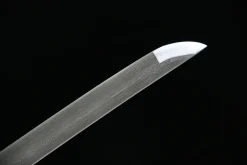
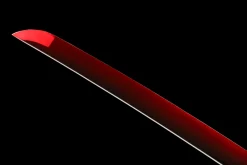
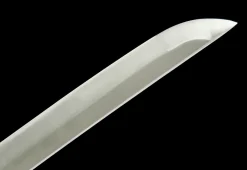
The shinogi-zukuri (ridgeline) forging style is not an aesthetic choice made lightly — it is the culmination of centuries of Japanese swordsmanship geometry. The raised shinogi line running from base to tip divides the blade into a flat ji panel and a sharpened ha-bevel, concentrating the force of a cut efficiently through the target. At 72 cm of nagasa on a 102 cm overall platform, the Steel Ash carries the proportions of a traditional katana designed for real two-handed use, not shelf display.
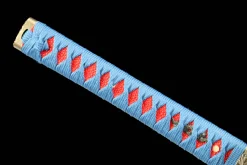
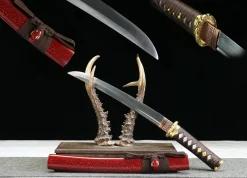
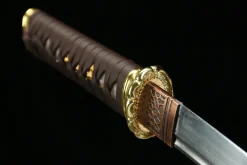
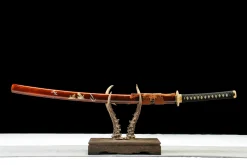
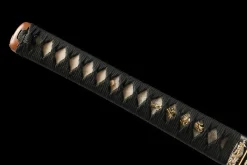
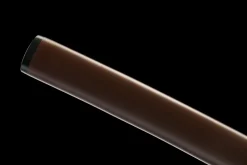
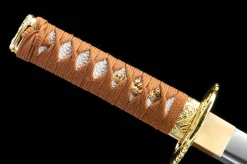
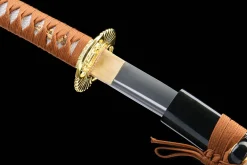
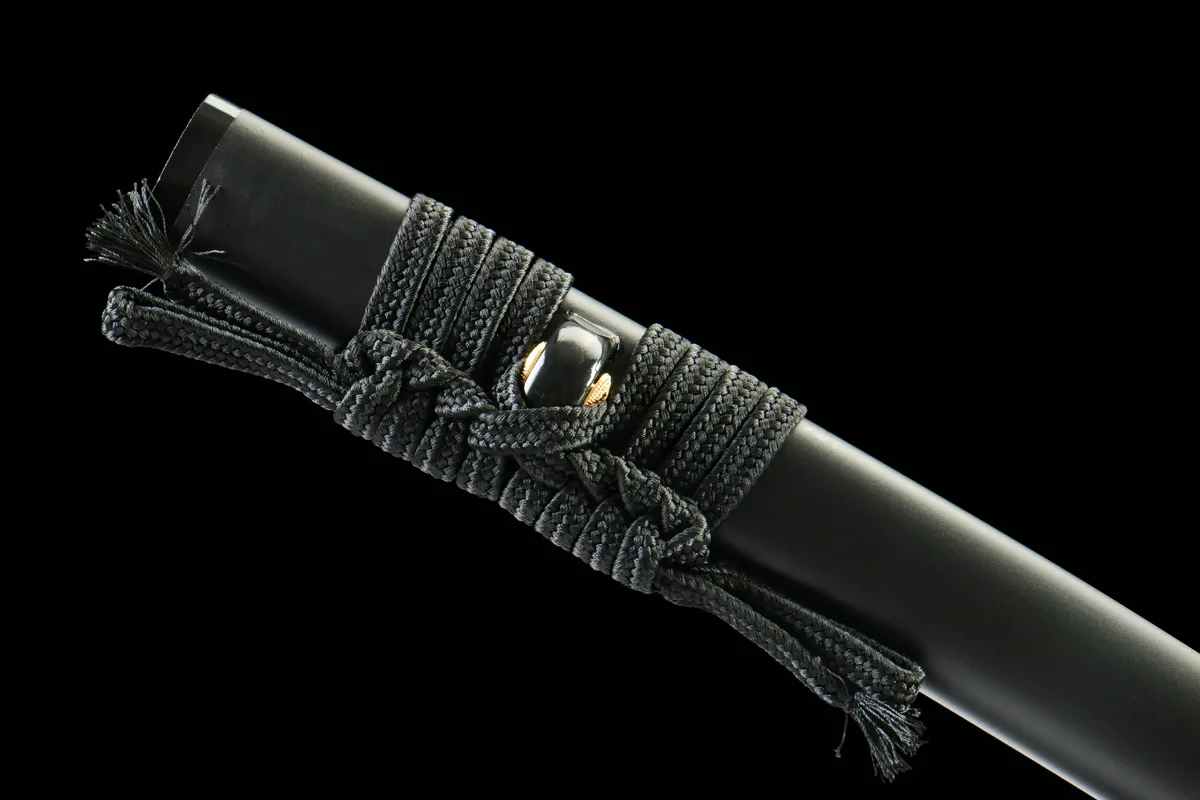
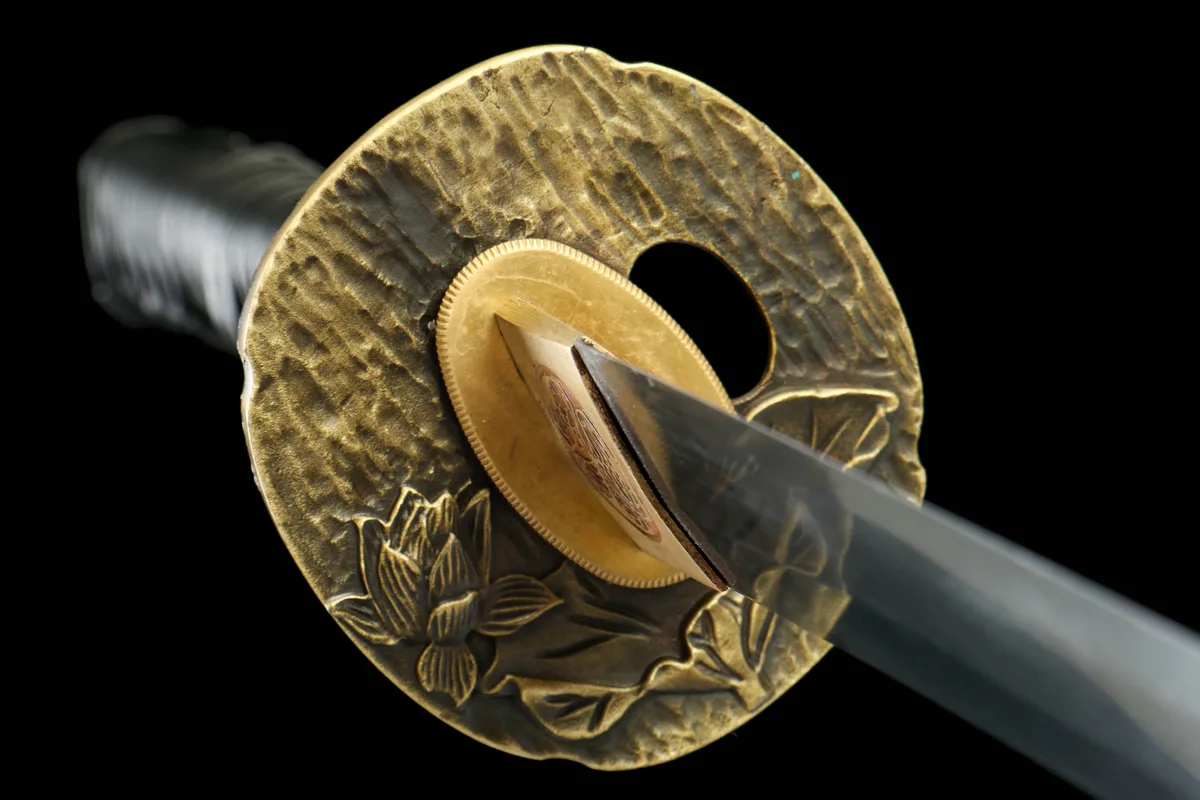
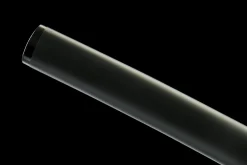
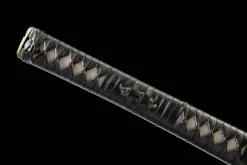
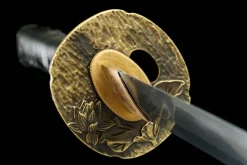
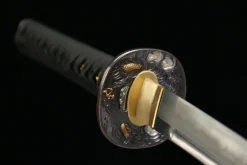
The high-gloss lacquered hardwood saya gives the Steel Ash a presentation well above its price point, the deep lacquer finish catching light with a premium sheen. The cotton ito wrap is applied cleanly and tightly — functional and durable for regular dojo handling. Zinc alloy fittings keep the overall cost accessible while providing adequate structural function for the tsuba and habaki components.
Perfect For
- Beginners and first-time katana buyers who want a genuine, full-size functional sword without the risk of damaging an expensive investment during early learning
- Dojo training use where the sword will see frequent handling, strikes on targets, and the general wear of active martial arts practice
- Budget-conscious collectors who want an authentic Longquan-forged katana with a classic lacquered saya presentation for under $200
Care & Maintenance
1065 high carbon steel is reactive to humidity and fingerprint acids — wipe the blade down thoroughly after every session with a lightly oiled cloth to prevent surface rust from forming, especially along the unpolished ha-bevel where moisture tends to pool. A light coat of choji oil or mineral oil applied monthly is sufficient for storage; in humid climates, increase frequency to every two weeks. Keep the saya interior clean and dry, as trapped moisture between blade and saya is the most common cause of spotting on stored carbon steel blades.
Frequently Asked Questions
What is 1065 high carbon steel and is it good for the Steel Ash katana?
1065 high carbon steel contains approximately 0.65% carbon, giving it a balanced mix of hardness and toughness that makes it highly forgiving for beginners and intermediate practitioners. It is one of the most recommended steels for entry-level functional katanas because it resists breaking under impact while still taking a sharp edge. The Steel Ash uses 1065 steel with oil quenching to produce a reliable, durable blade that handles regular cutting practice with confidence.
What does oil quench heat treatment mean for the Steel Ash katana?
Oil quenching means the Steel Ash blade is heated to critical temperature and then rapidly cooled in oil, creating a uniformly hardened blade. This method is gentler than water quenching, significantly reducing the risk of warping or cracking during production. The result is a tough, consistent blade well-matched to 1065 steel’s natural characteristics. While it does not produce a visible hamon line, oil quenching ensures structural reliability ideal for cutting practice and beginners.
Is the Steel Ash katana battle ready for a beginner?
Yes, the Steel Ash is a fully functional, battle-ready katana and an excellent choice for beginners. Its 1065 high carbon steel blade is forgiving and tough, tolerating the mistakes common during early cutting practice without fracturing. The 72 cm shinogi-zukuri blade, hardwood lacquered saya, and cotton ito handle wrap provide authentic katana construction at an accessible $150 price point, making it one of the best-value entry points for tameshigiri or beginner iaido training.
What is a katana and how is the Steel Ash a traditional example?
A katana is the iconic curved, single-edged Japanese longsword historically worn edge-up by samurai warriors. It is renowned for its combination of cutting sharpness and structural resilience. The Steel Ash reflects traditional katana construction with its shinogi-zukuri (ridgeline) blade geometry, 72 cm blade length, hardwood saya, and cotton ito-wrapped handle — delivering an authentic katana experience at an accessible mid-range price.
Is the Steel Ash a good value at $150, or should I spend more on a T10 katana?
The Steel Ash at $150 is excellent value for beginners or casual practitioners who want a functional, reliable katana without a premium investment. Its 1065 steel is tough and forgiving, ideal for learning cutting fundamentals. However, if you are a more serious practitioner or collector interested in superior edge retention, a visible hamon, or clay tempering, stepping up to a T10 option like the Tempered Peak ($250) or Tempered Ember ($270) offers significantly enhanced performance and aesthetics.
| Weight | 1.32 lbs |
|---|---|
| Dimensions | 102.0 × 3.2 × 0.7 in |
| Sword Type | Katana |
| Blade Steel | 1065 Carbon Steel |
| Total Length | 102.0 cm |
| Blade Length | 72.0 cm |
| Heat Treatment | Oil Quench |
| Handle Wrap | Cotton Ito Wrap |
| Sheath Material | Hardwood (High-Gloss Lacquer) |
| Fittings | Zinc Alloy |
| Forging Style | Shinogi-Zukuri (Ridgeline) |
Related products
1045 Carbon Steel


Damascus Steel

1045 Carbon Steel

1045 Carbon Steel
Black Heaven Feather – Hand Forged 1045 Carbon Steel Katana Sword
1065 Carbon Steel

Anime & Pop Culture
Ghost of Tsushima – Hand Forged T10 Tool Steel Wakizashi Sword

High-End ($400-$800)

1045 Carbon Steel