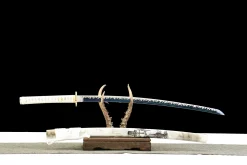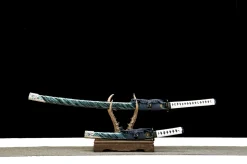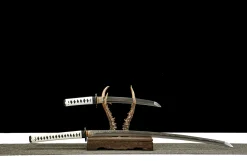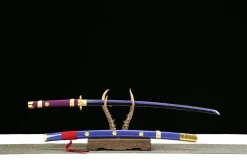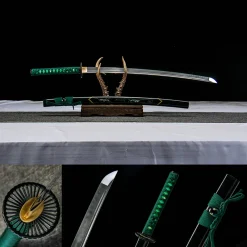

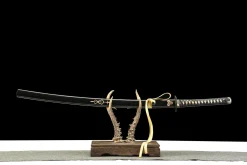

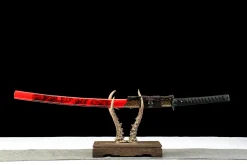


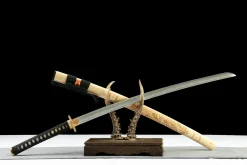
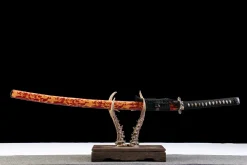






Tempered Void – Hand Forged T10 Tool Steel Katana Sword
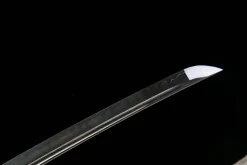
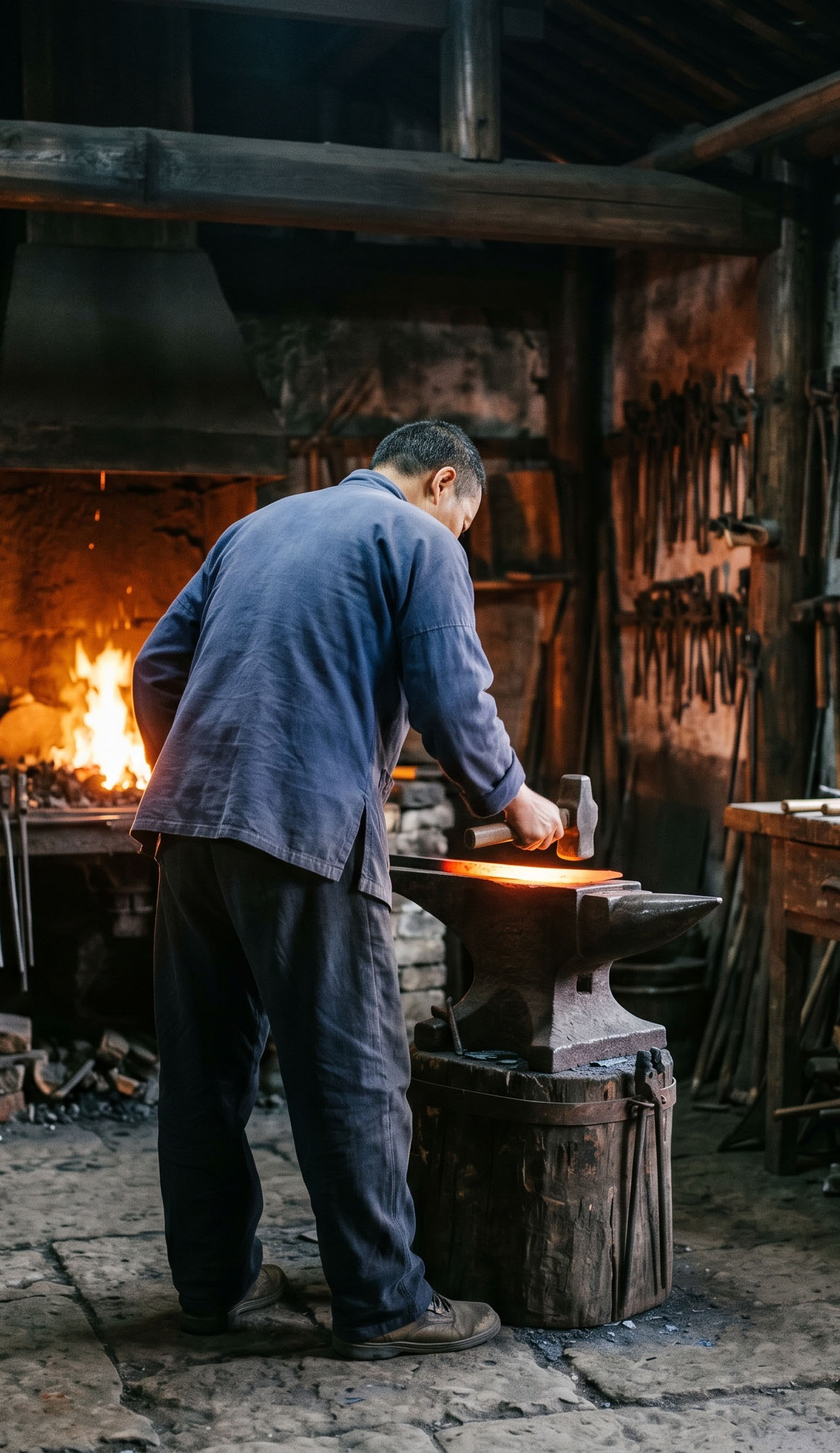
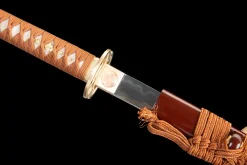
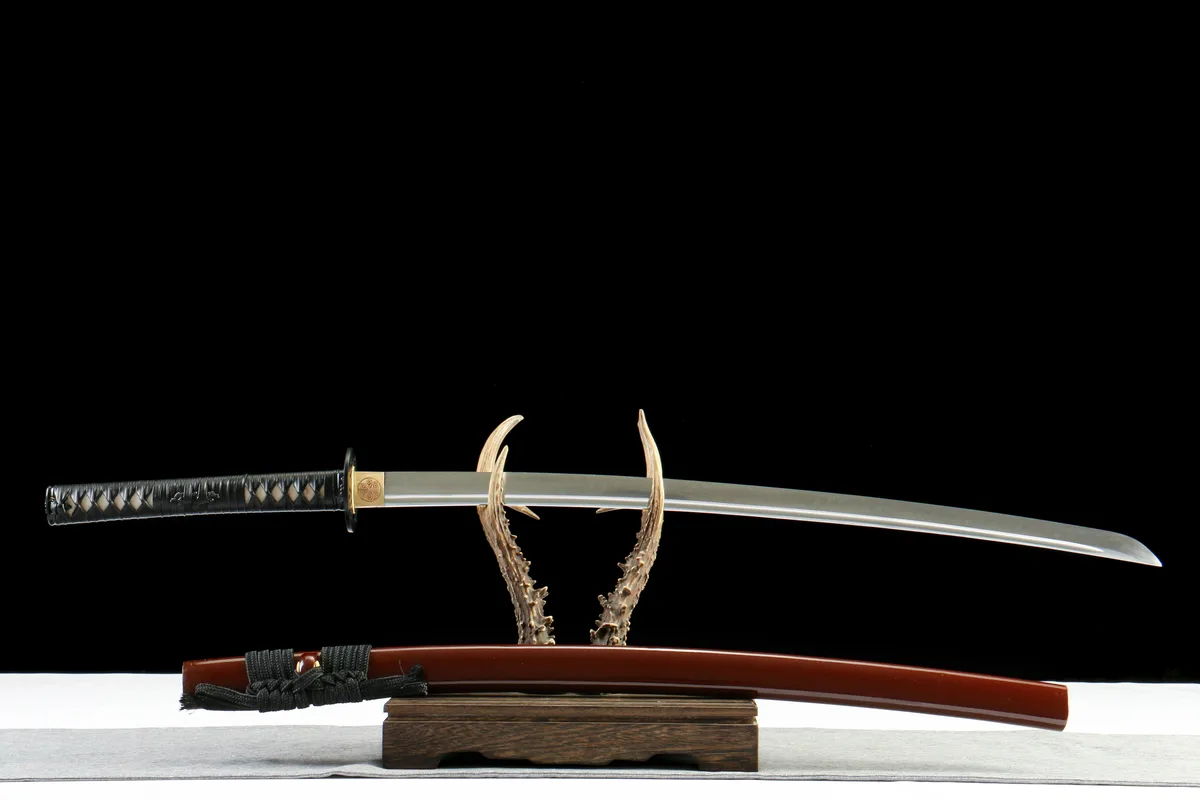
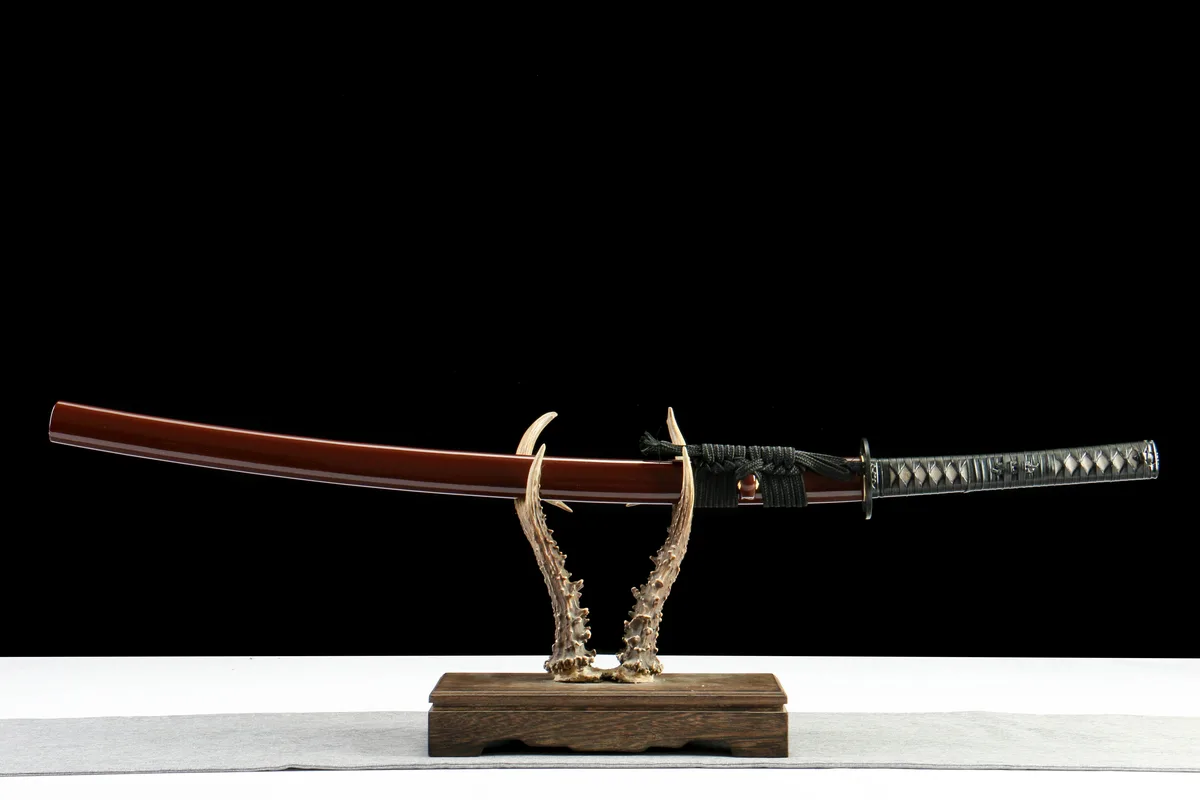
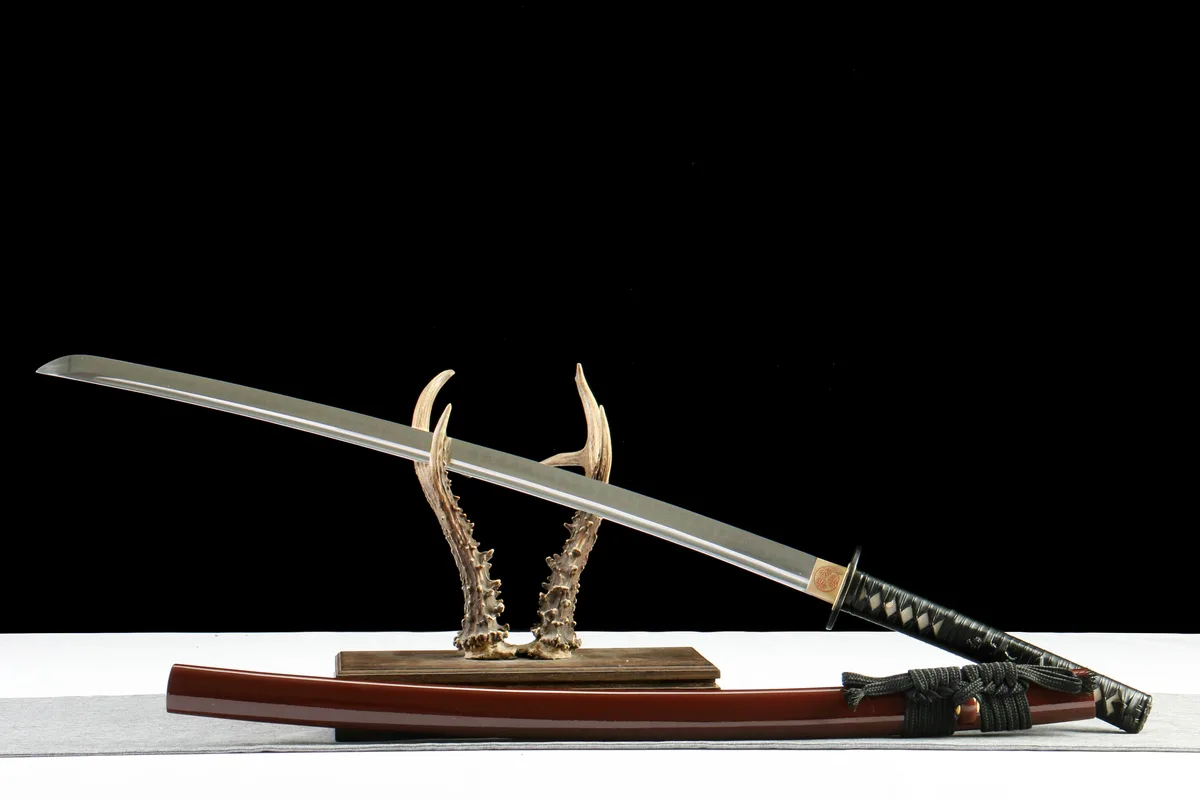
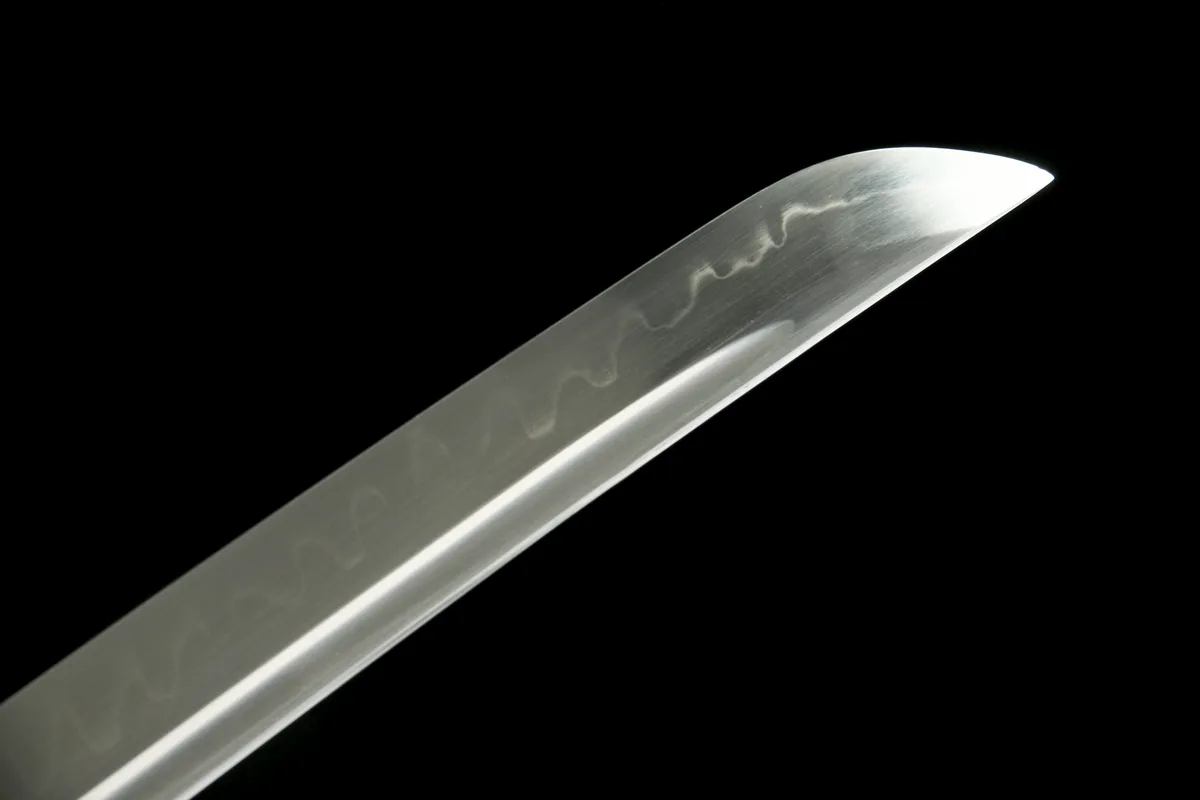
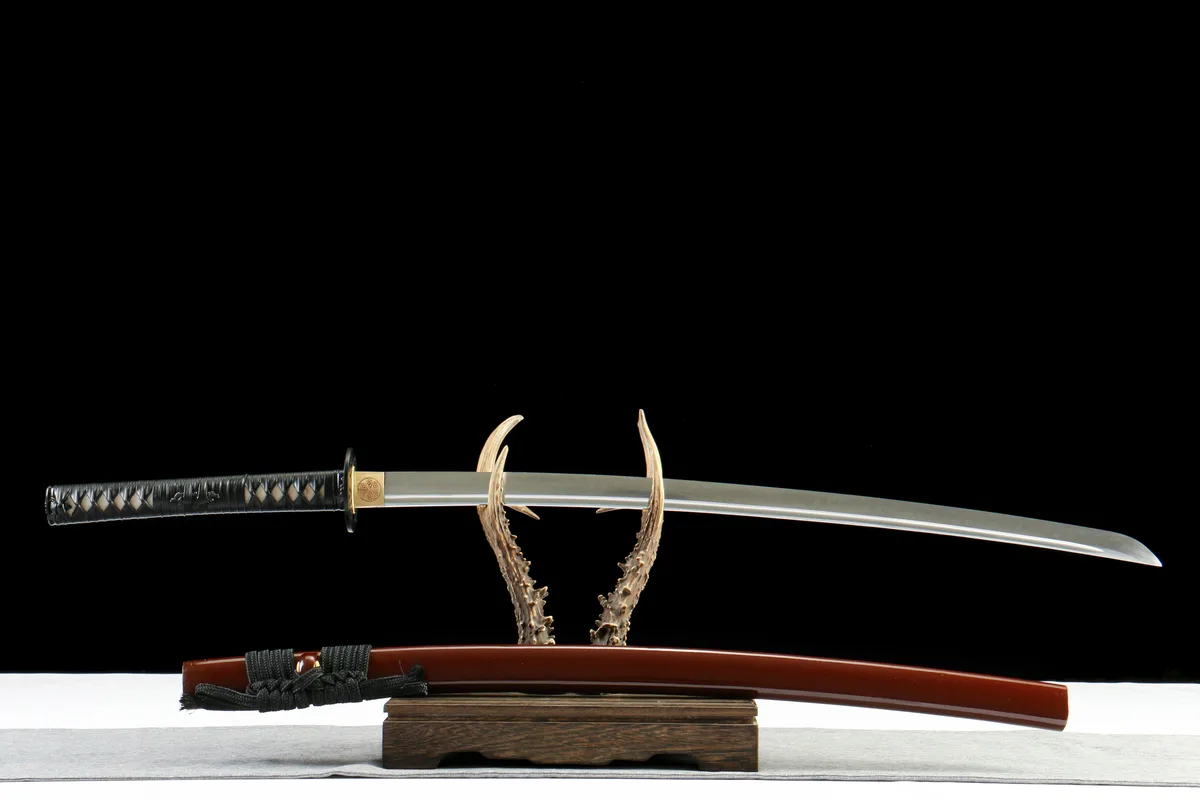
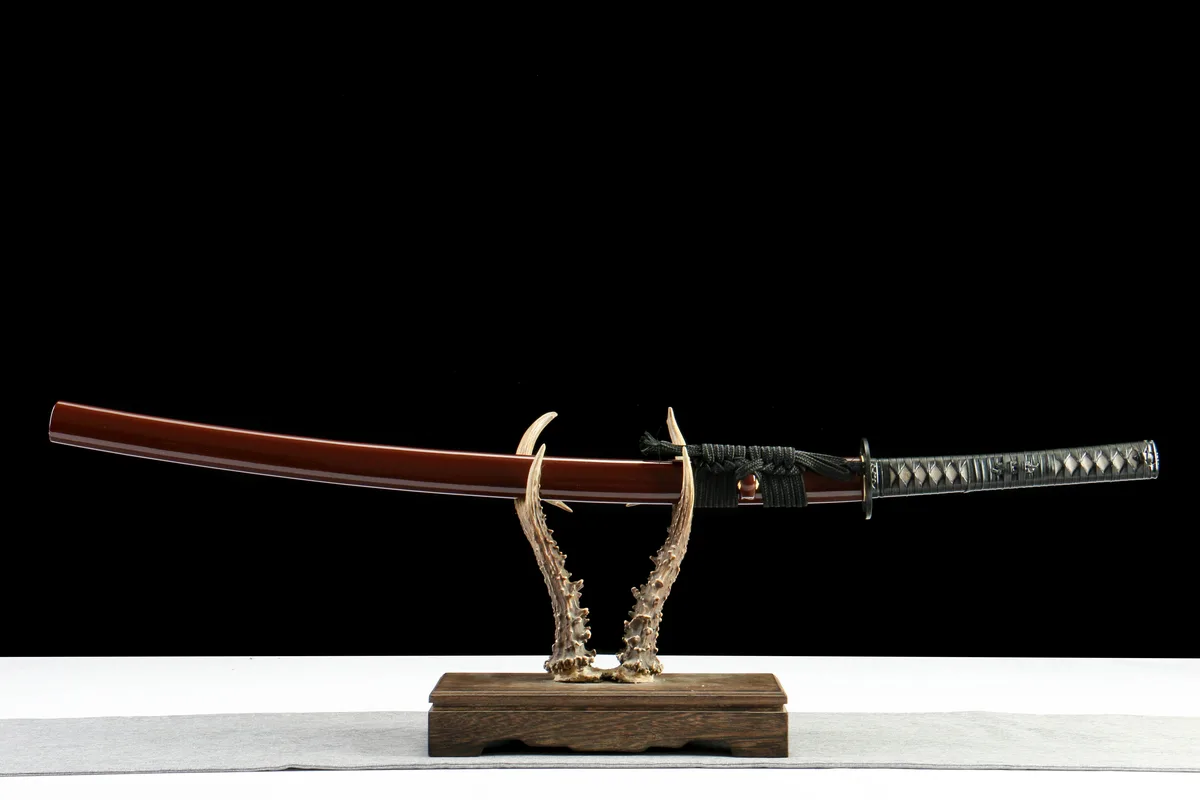
Hand-forged T10 Tool Steel katana (102cm total / 72cm blade), crafted in Longquan. Clay-tempered blade with a genuine hamon line — visible contrast between hardened edge and soft spine.
$409.99
Tempered Void – Hand Forged T10 Tool Steel Katana Sword
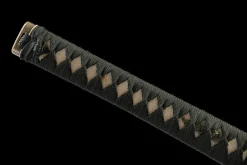
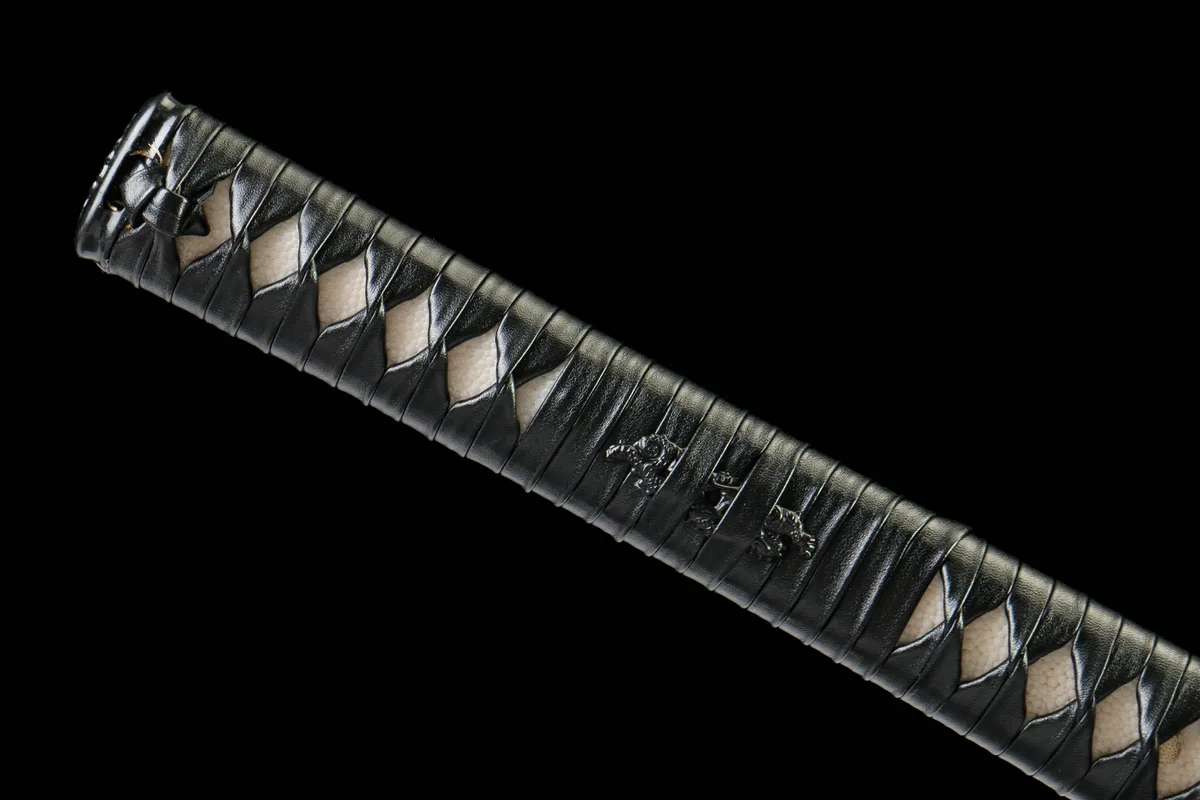
Most katanas offer either a real hamon or a reliable grip – the Tempered Void delivers both through the specific combination of clay-tempered T10 tool steel and a rayskin-backed cotton ito handle that holds its position under sustained two-handed cutting pressure.
Specifications
| Blade Steel | T10 High Speed Tool Steel |
| Total Length | 102.0 cm / 40.2 in |
| Blade Length | 72.0 cm / 28.3 in |
| Blade Width | 3.2 cm |
| Blade Thickness | 0.7 cm |
| Weight | 1040 g / 36.7 oz |
| Heat Treatment | Clay Tempering (Differential Hardening) |
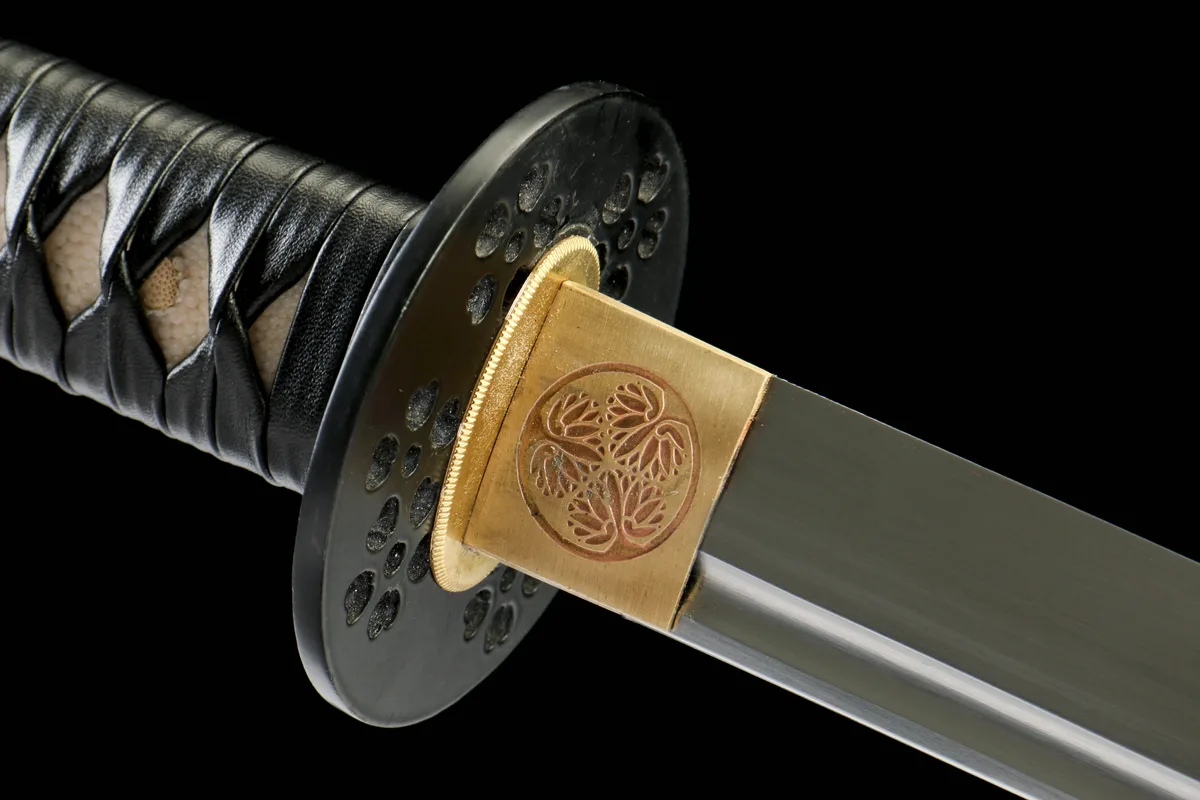
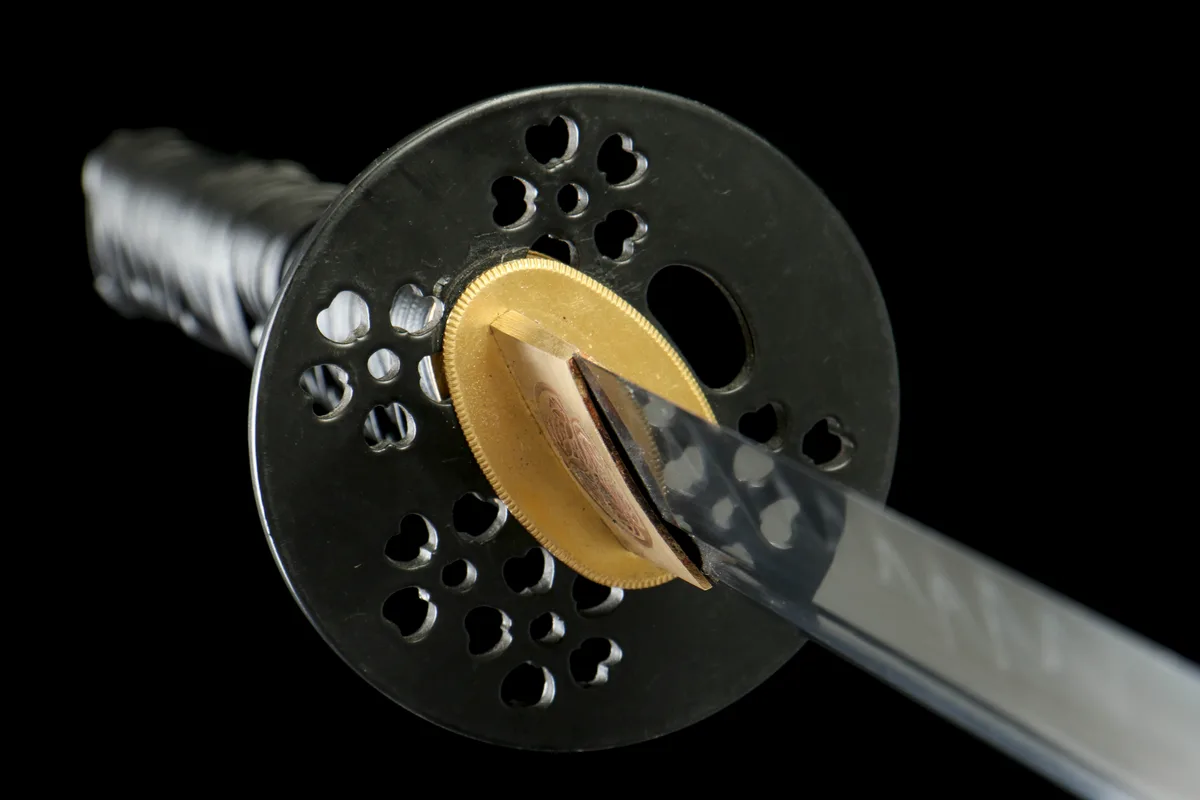
| Fittings | Zinc Alloy |
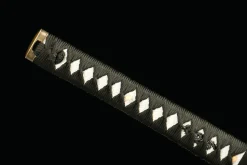
| Handle | Cotton Ito + Genuine Rayskin |
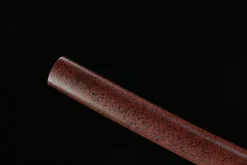
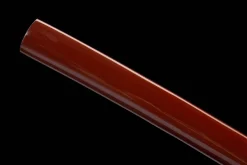
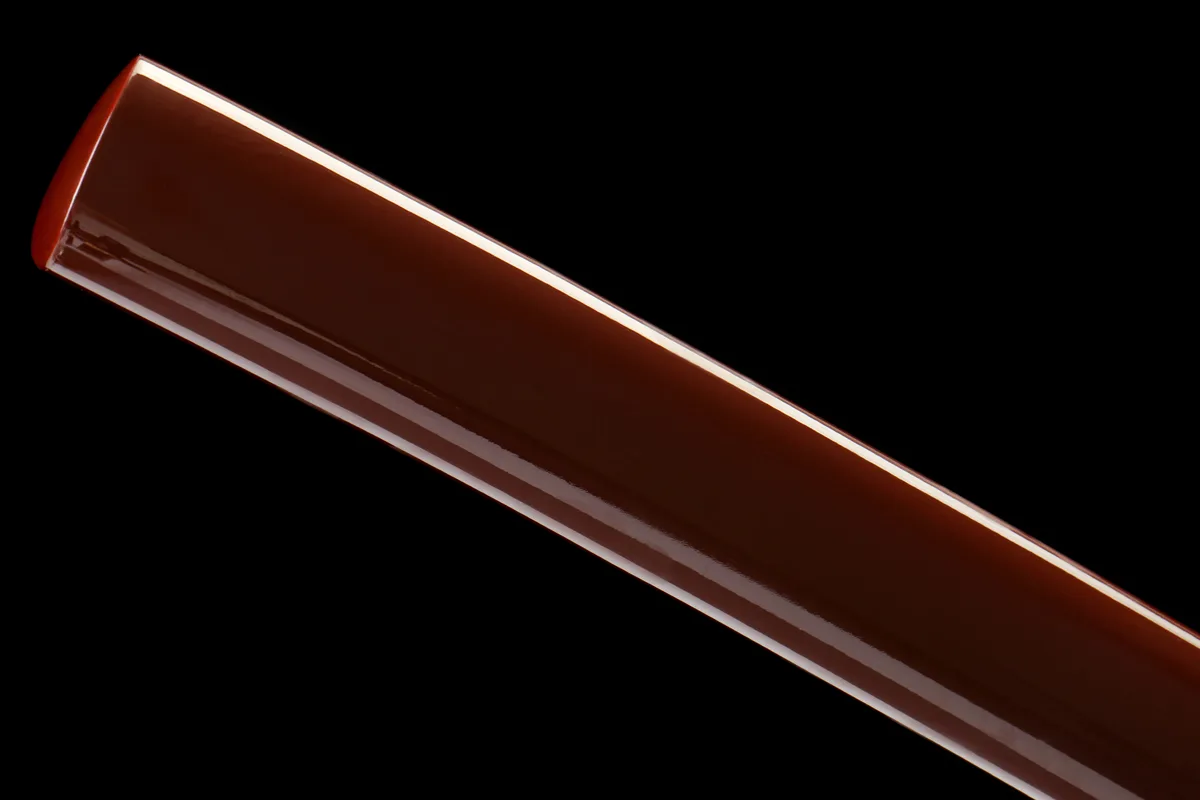
| Sheath | Hardwood, High-Gloss Lacquer |
Steel & Construction
T10 tool steel contains a controlled percentage of tungsten in addition to its high carbon content – this is what separates it from standard high-carbon steels. The tungsten inhibits grain growth at elevated temperatures, which means the steel retains a finer microstructure through the heating and quenching cycle. That finer grain translates into a blade that can hold a more acute edge bevel and sustain it longer under the abrasion of cutting work. When that steel is clay-tempered, the differential hardening process produces a martensitic edge zone – extremely hard, edge-retaining – while leaving the spine in a tougher, more ductile state that absorbs shock without fracturing.
The hamon (temper line) that emerges from this process on the Tempered Void is a physical record of the clay application: the boundary between the hard edge zone and the tough spine. It is not etched or cosmetically applied. Under close examination, the habuchi (the hamon’s boundary line) shows the characteristic activity of real differential hardening – slight irregularity, possible nie (fine crystalline particles visible at the transition), and a quality of depth that changes as the angle of light changes. The 0.7 cm spine and 3.2 cm width are consistent with a geometry that supports both performance and the visual character of the hamon without one compromising the other.
Handling
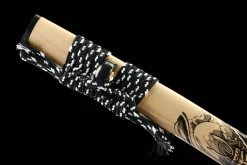
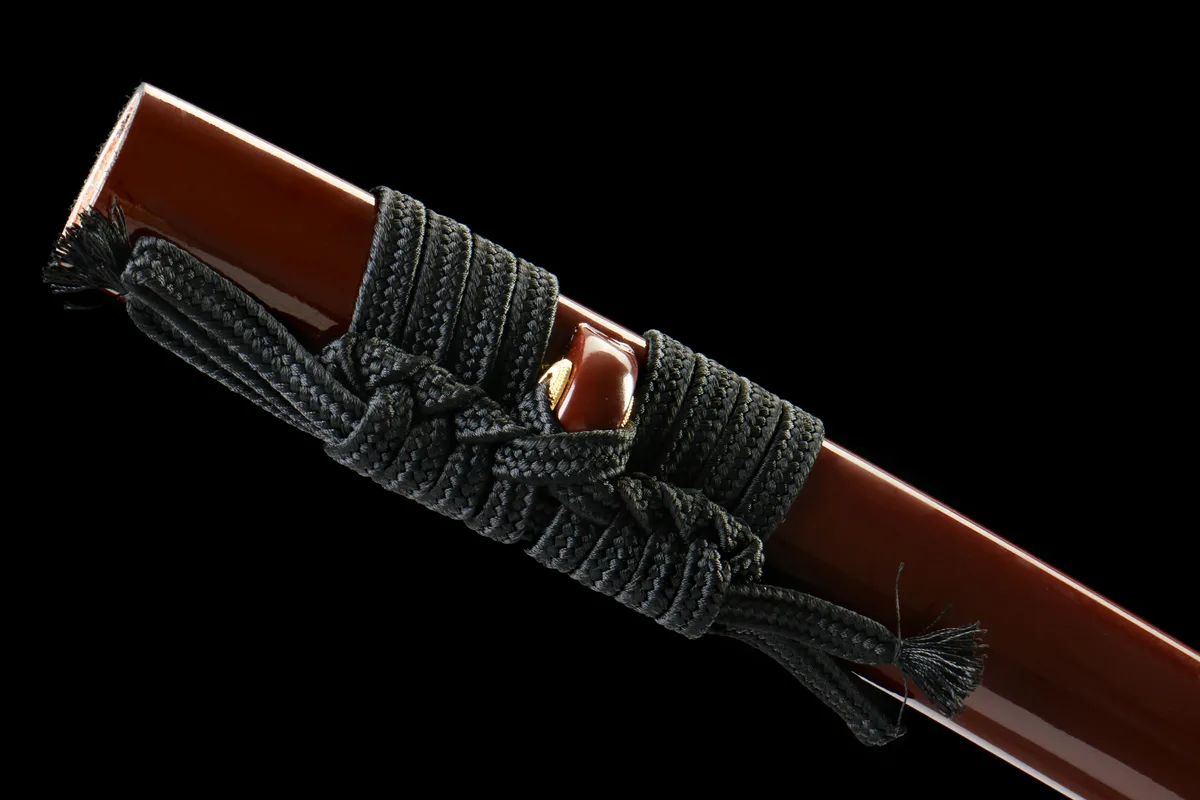
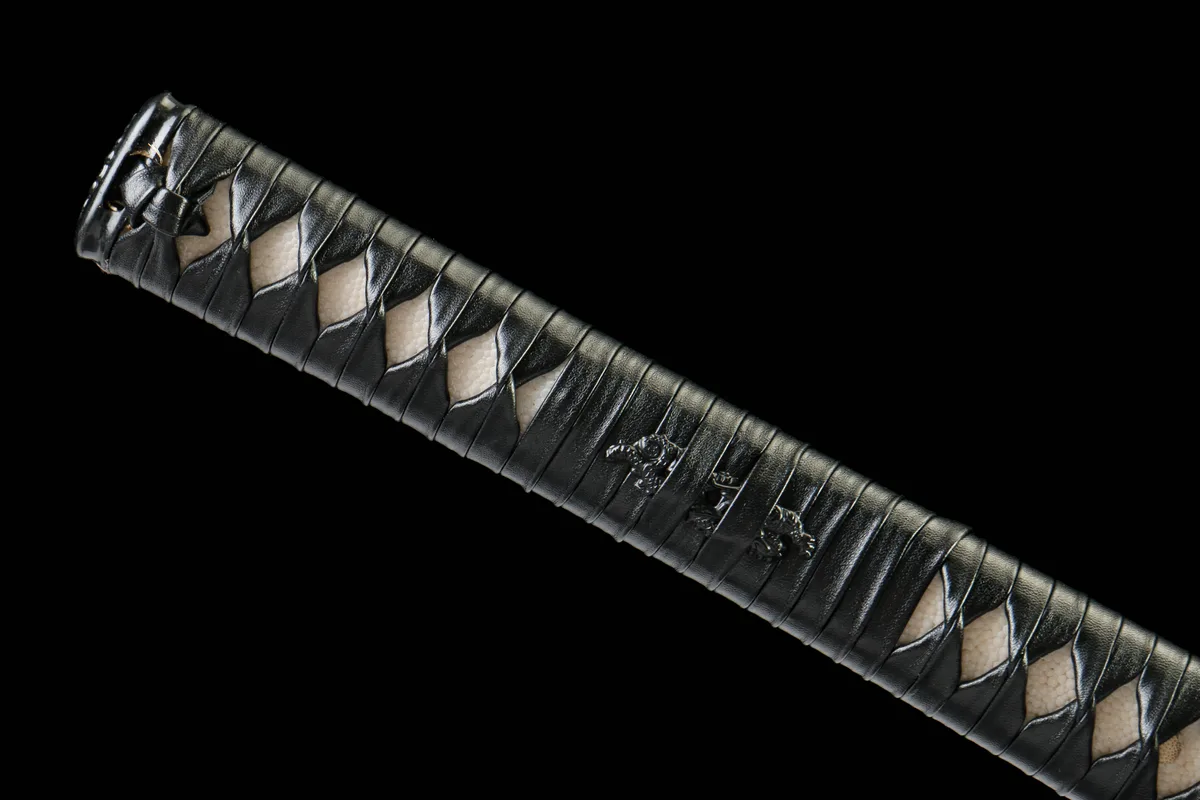
The shinogi-zukuri (ridgeline) cross-section is legible in the hand from the first grip – the ridge itself acts as a tactile index point, giving you immediate spatial awareness of edge orientation without looking at the blade. The 26.0 cm handle combines genuine rayskin (same) beneath the cotton ito wrap; the nodular texture of the rayskin creates friction between the wrap and the core that prevents rotational movement during a cut, and the cotton ito itself compresses evenly across the hand without creating pressure points over a long session. The lacquered hardwood saya draws cleanly at the koiguchi (the sheath mouth), releasing the blade without resistance or play.
Care Instructions
After each session, remove fingerprints and moisture with a soft cloth before applying a thin, even coat of choji oil or high-quality mineral oil – T10’s tungsten content does not make it immune to oxidation, and the hamon zone in particular can show surface rust quickly in humid conditions. Uchiko powder (traditional Japanese polishing medium) can be used sparingly to lift minor oxidation from the flat without disturbing the polish, but should not be used directly on the hamon boundary or the edge bevel. Store horizontally in a humidity-stable environment; avoid sealed cases without desiccant, as trapped moisture accelerates oxidation even on oiled blades.
| Weight | 1.32 lbs |
|---|---|
| Dimensions | 102.0 × 3.2 × 0.7 in |
| Hamon | Real Hamon (Clay Tempered) |
| Blade Steel | T10 Tool Steel |
| Total Length | 102.0 cm |
| Blade Length | 72.0 cm |
| Heat Treatment | Clay Tempering (Differential Hardening) |
| Handle Wrap | Cotton Ito + Genuine Rayskin |
| Sheath Material | Hardwood (High-Gloss Lacquer) |
| Fittings | Zinc Alloy |
| Forging Style | Shinogi-Zukuri (Ridgeline) |
Related products