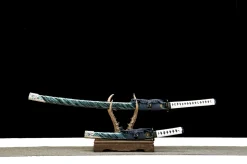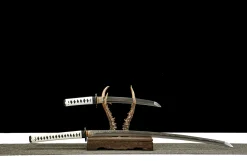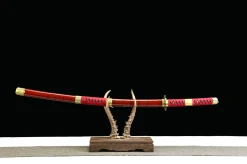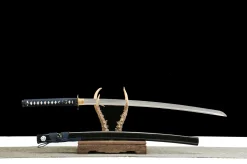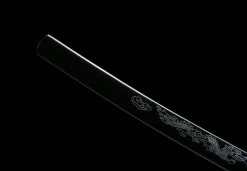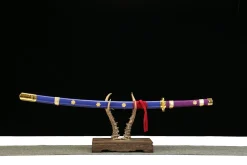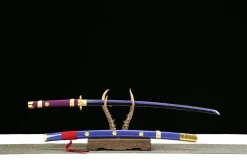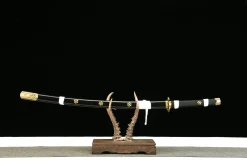
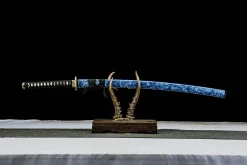


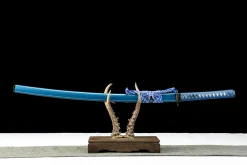







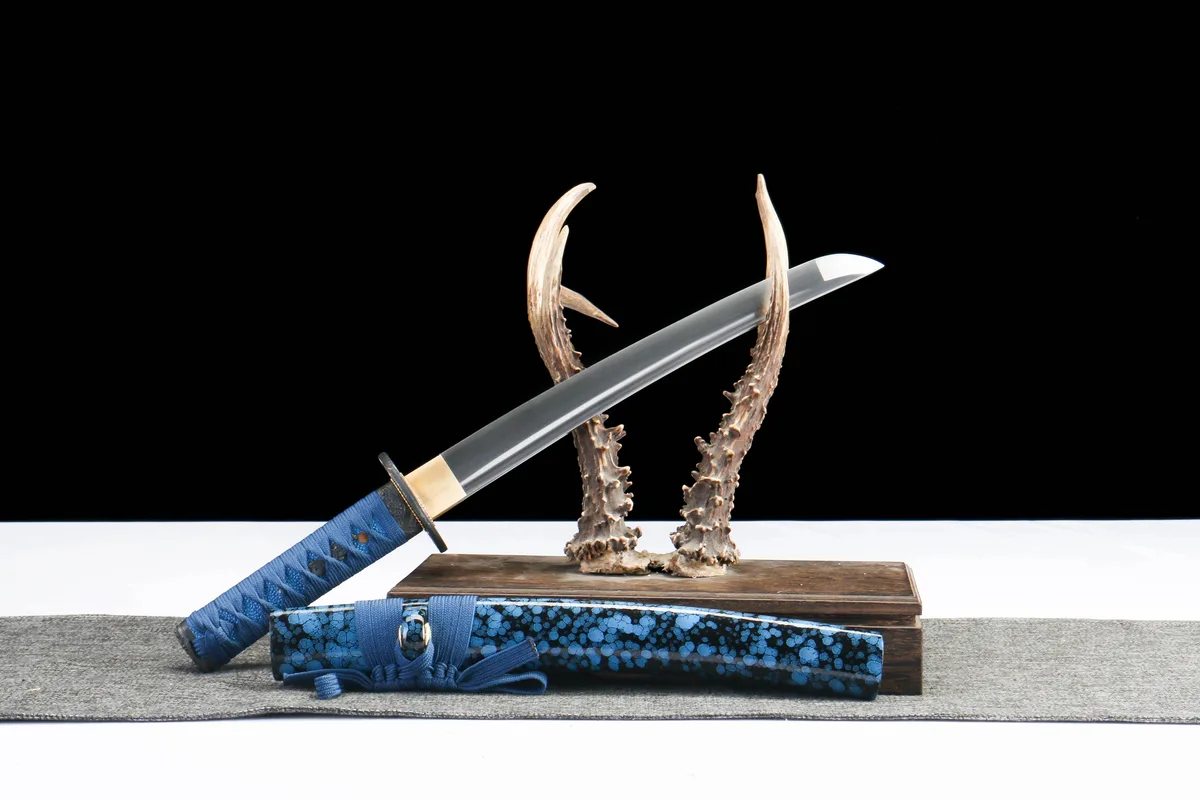

Aurora – Hand Forged High Carbon Steel Tanto Sword
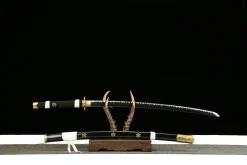
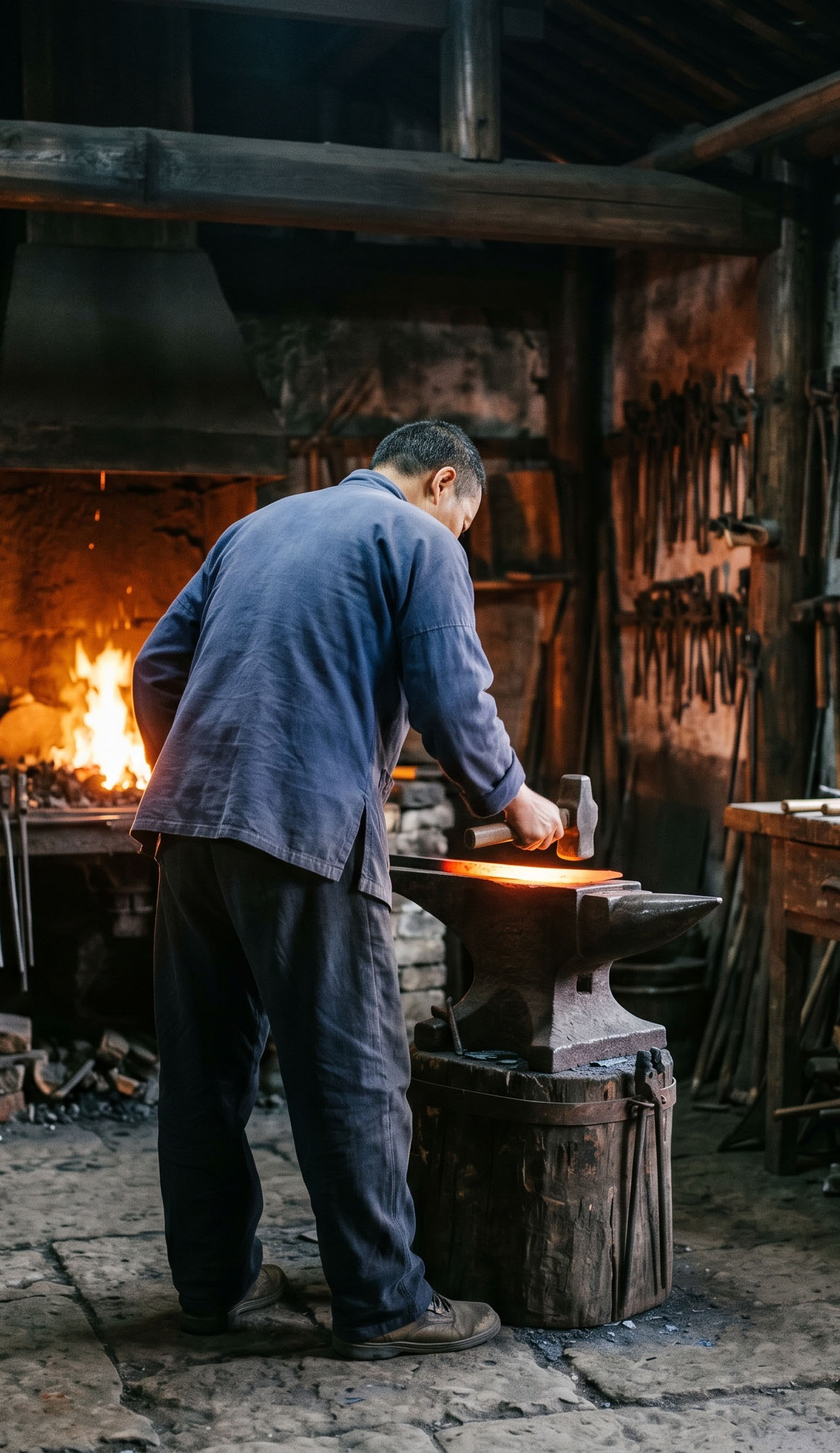
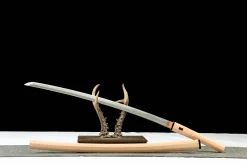
Hand-forged High Carbon Steel tanto (52cm total / 32cm blade), crafted in Longquan. Full-tang construction with traditional fittings and hand-lacquered saya.
$149.99
Aurora (极光) is named for shifting curtains of color in a polar sky – and the 1060 carbon steel blade it describes is built to move with the same fluid commitment. This is a working tanto at 32 cm, forged in the ridged shinogi-zukuri profile, fitted with alloy hardware, and designed without compromise for the practitioner who needs a short blade that performs at tanto scale with full-length reliability.
Specifications
| Blade Steel | 1060 Carbon Steel |
| Total Length | 52.0 cm / 20.5 in |
| Blade Length | 32.0 cm / 12.6 in |
| Blade Width | 3.2 cm |
| Blade Thickness | 0.7 cm |
| Heat Treatment | Temper |
| Forging Style | Shinogi-zukuri (ridged blade geometry) |
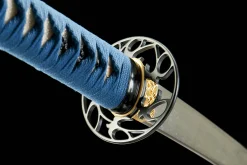
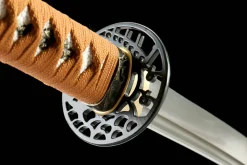
| Fittings | Alloy |
| Handle | Cotton Ito Wrap |
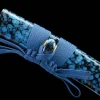
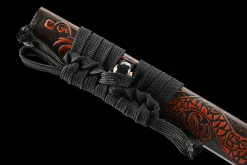
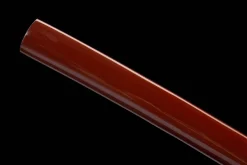
| Sheath | Solid Wood, Piano Lacquer Finish |
What the Steel Does
At 0.6% carbon content, 1060 is a steel that earns its place in functional tanto construction by sitting at the intersection of hardness and toughness that shorter blades demand. A tanto concentrates applied force closer to the hand than a katana does – the mechanical leverage is shorter, which means the blade sees more direct stress rather than distributed flex. 1060 handles this well: tempered to working hardness, it holds an edge through repeated use without the brittleness that would make a harder steel problematic at this blade length.
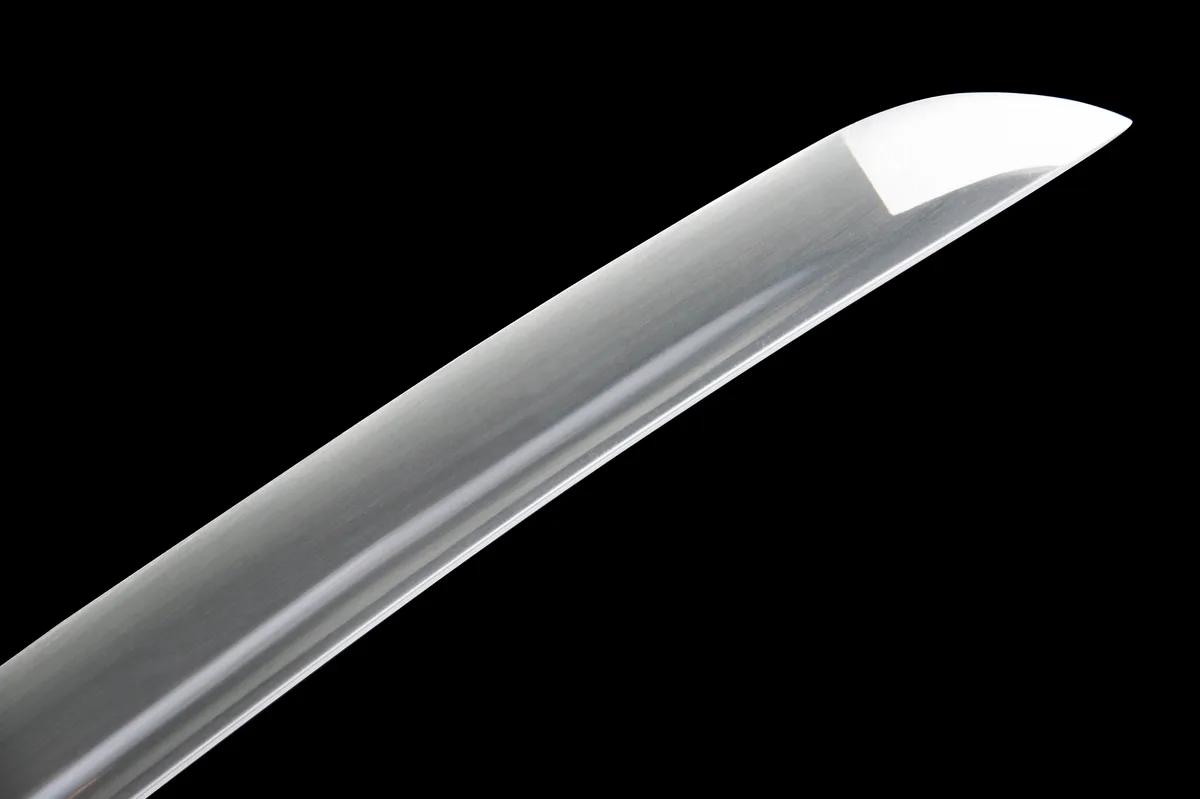
The shinogi-zukuri profile – the ridged, angled geometry that defines classical Japanese tanto construction – is not purely aesthetic here. The spine ridge running the length of the blade adds longitudinal stiffness, which translates directly into a blade that tracks through a cut without deflecting. The 3.2 cm width at the base and 0.7 cm thickness give the geometry real substance without adding unnecessary mass behind the edge.
The Feel of It
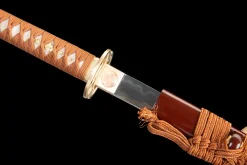
The 17 cm handle on the Aurora is wrapped in cotton ito – the traditional interlaced cord pattern that creates raised diamond panels across the grip surface. Cotton at this density gives a tactile reference point in the hand: you know where your palm is seated without looking down, which matters in any committed application. The alloy fittings seat cleanly at the guard and pommel with no movement, giving the handle assembly a solid, unified feel from base to tip. The piano-lacquered solid wood saya offers a draw that is smooth and deliberate – no drag, no rattle, and a fit that keeps the blade indexed correctly so it comes out of the saya at the same angle every time.
Keeping It Sharp
After each use, clean the blade with a dry cloth and apply a light coat of choji oil (traditional clove-based mineral oil) before returning it to the saya – 1060 carbon steel will begin to oxidize in humid air within hours if left unprotected. For sharpening, water stones are the correct tool; a 1000-grit stone will handle routine edge maintenance and a 2000-grit finish will restore the cutting geometry to factory condition. Store the blade horizontally or edge-up in the saya to prevent the edge from contacting the wood liner under its own load over time.
| Weight | 0.9 lbs |
|---|---|
| Dimensions | 52.0 × 3.2 × 0.7 in |
| Hamon | Decorative / Acid-Etched |
| Blade Steel | High Carbon Steel |
| Total Length | 52.0 cm |
| Blade Length | 32.0 cm |
| Heat Treatment | Temper |
| Handle Wrap | Cotton Ito Wrap |
| Sheath Material | 实木钢琴烤漆 |
| Fittings | Alloy |
| Forging Style | 鎬造 |
Related products