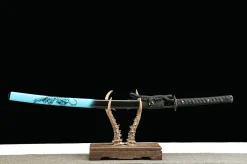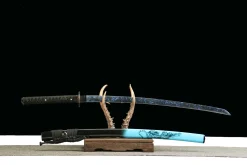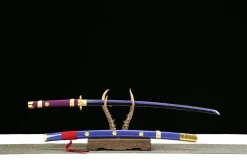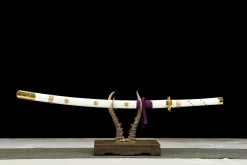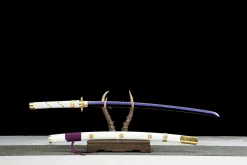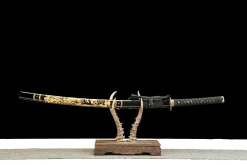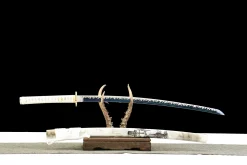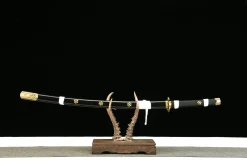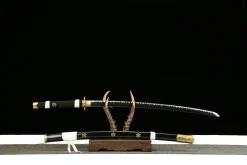
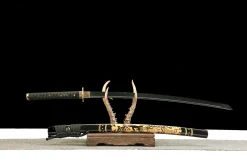
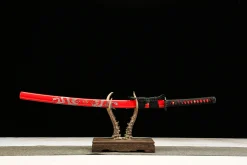








Crimson Gold Edge – Hand Forged High Carbon Steel Katana Sword
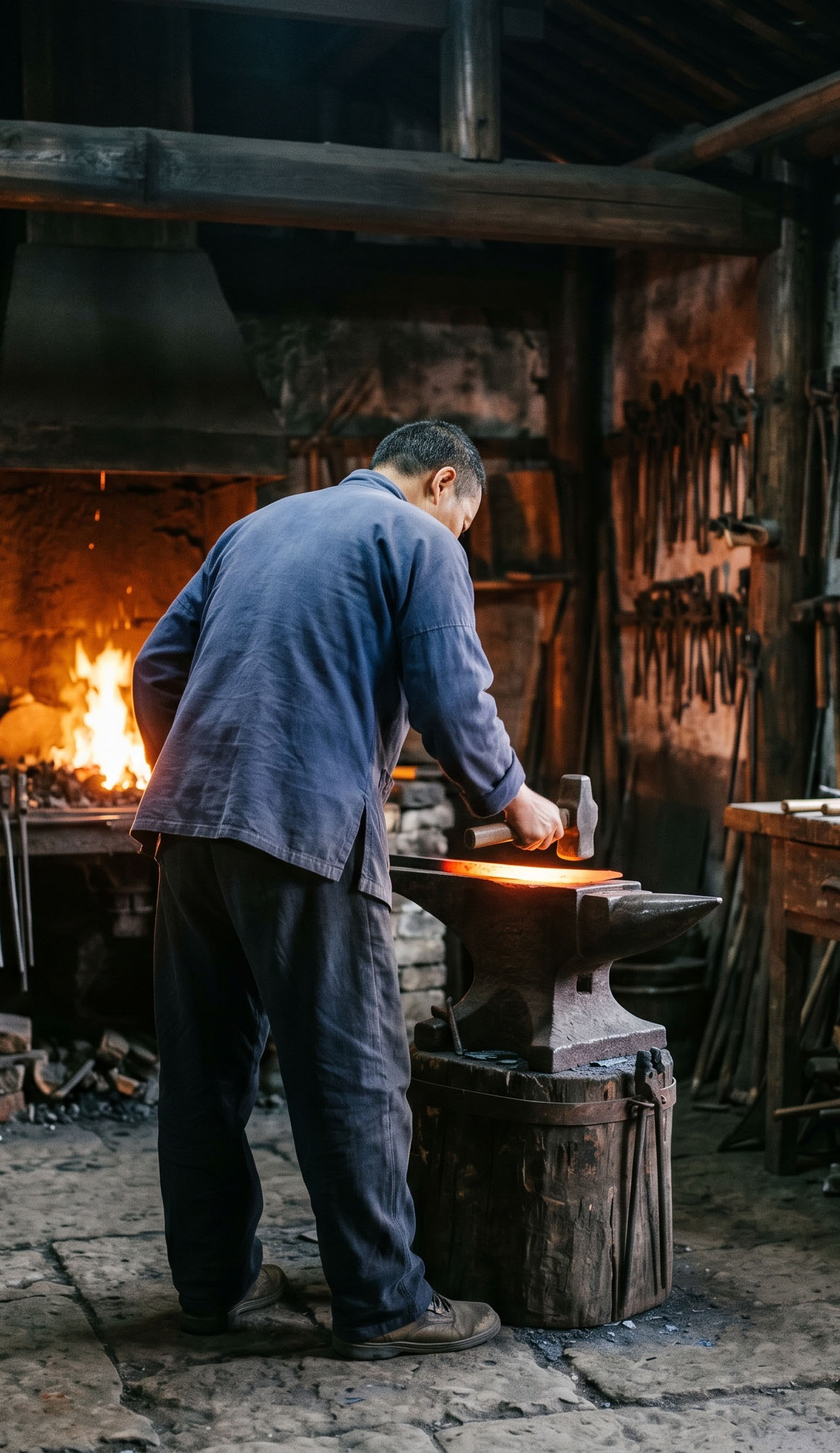
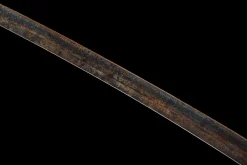
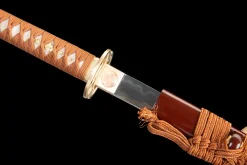
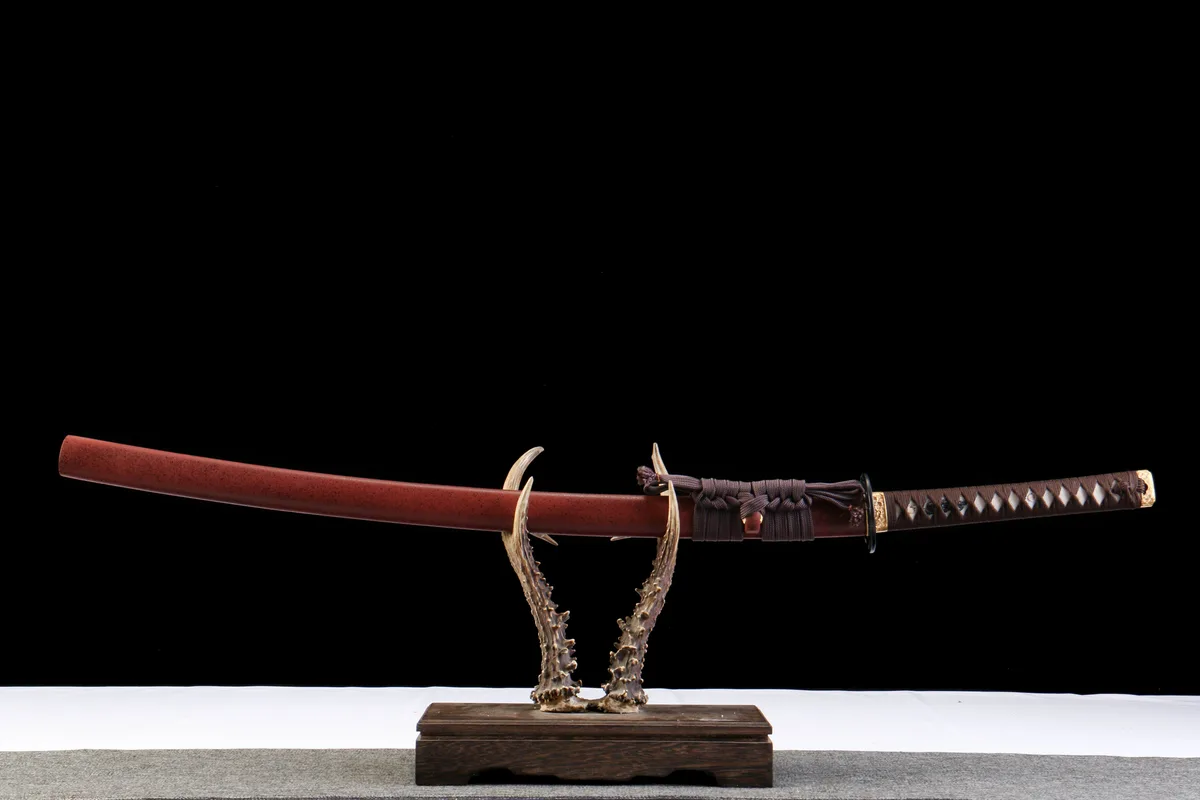
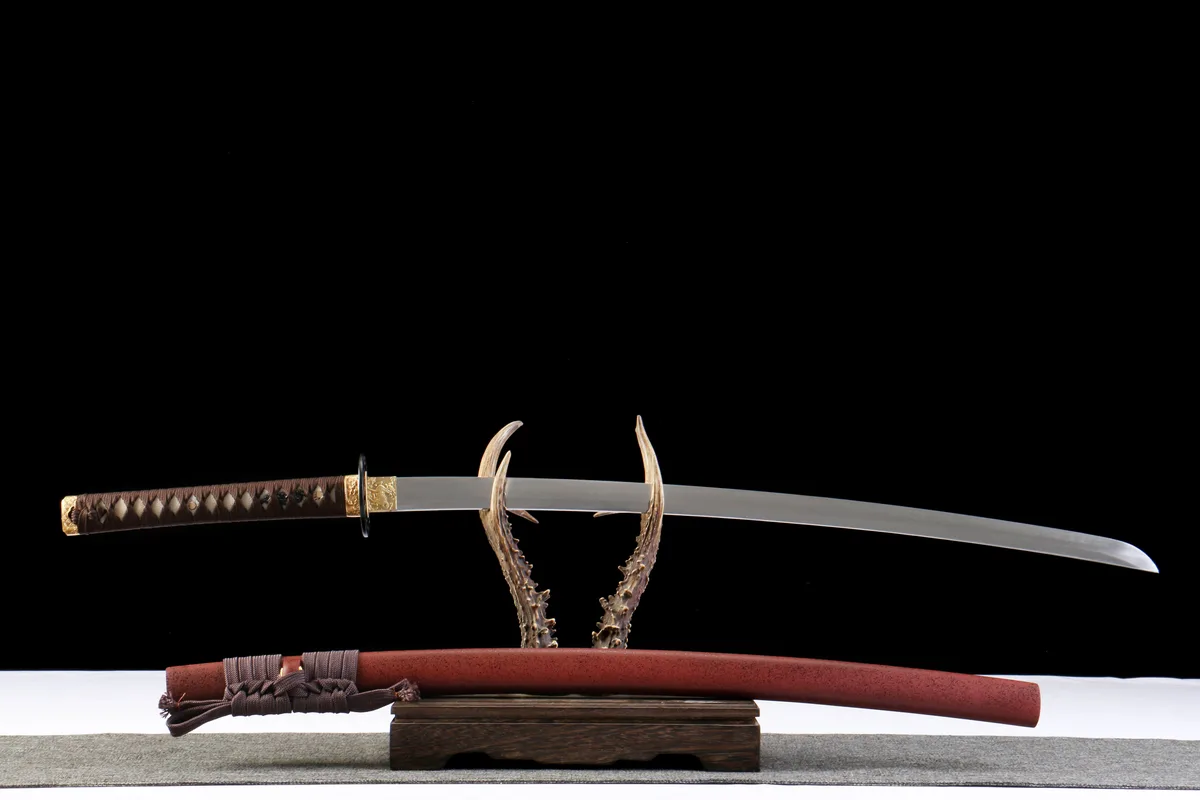
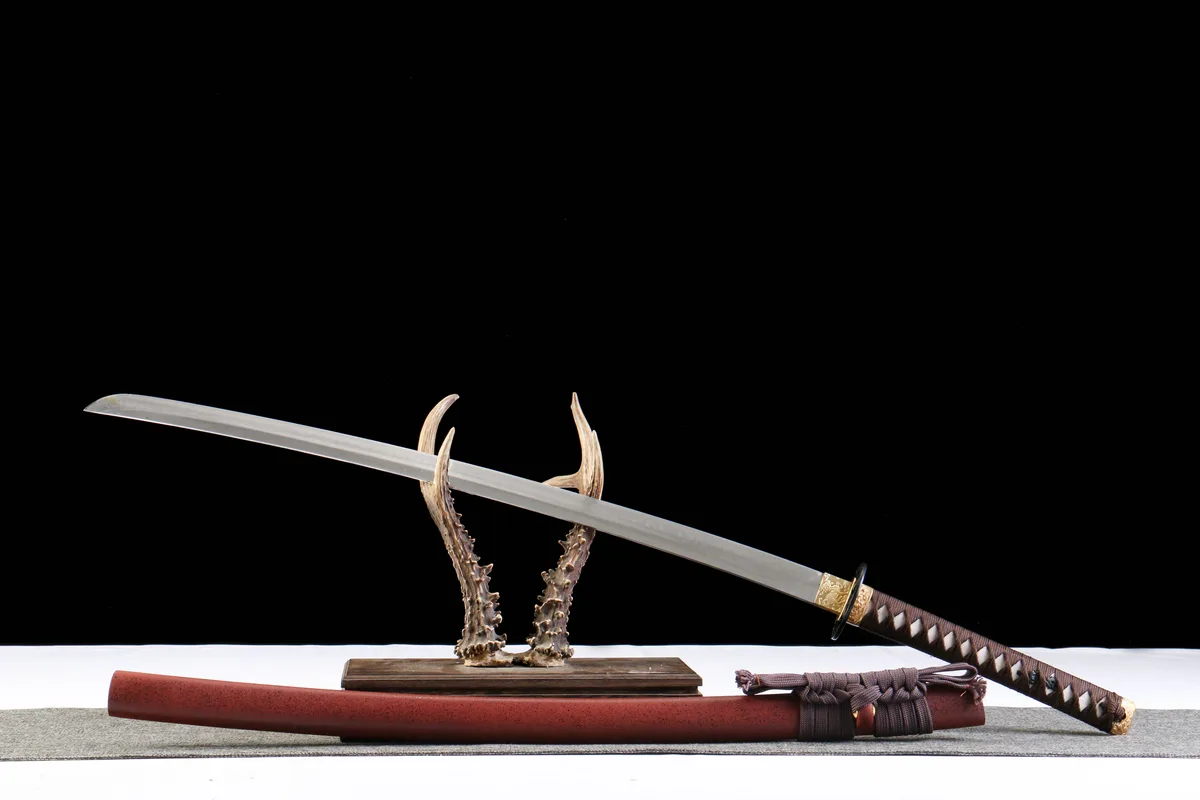
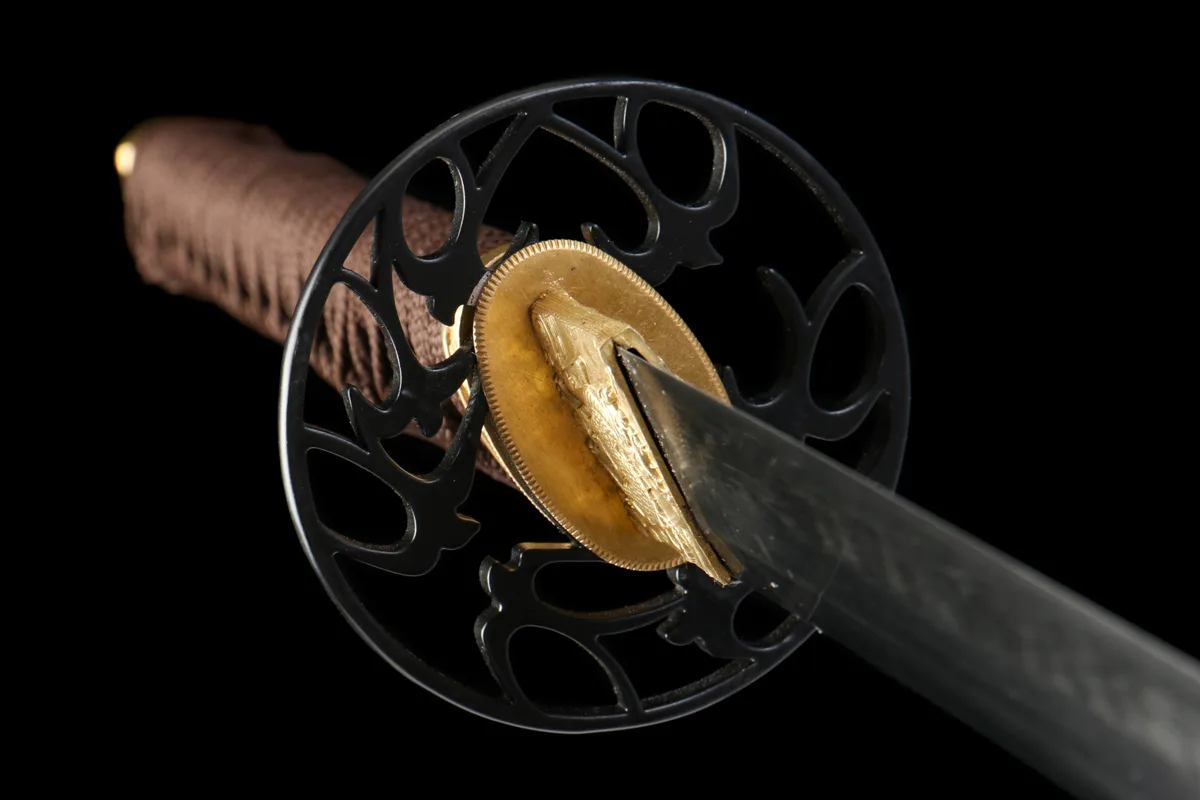
Hand-forged High Carbon Steel katana (102cm total / 72cm blade), crafted in Longquan. Full-tang construction with traditional fittings and hand-lacquered saya.
$219.99
Crimson Gold Edge – Hand Forged High Carbon Steel Katana Sword
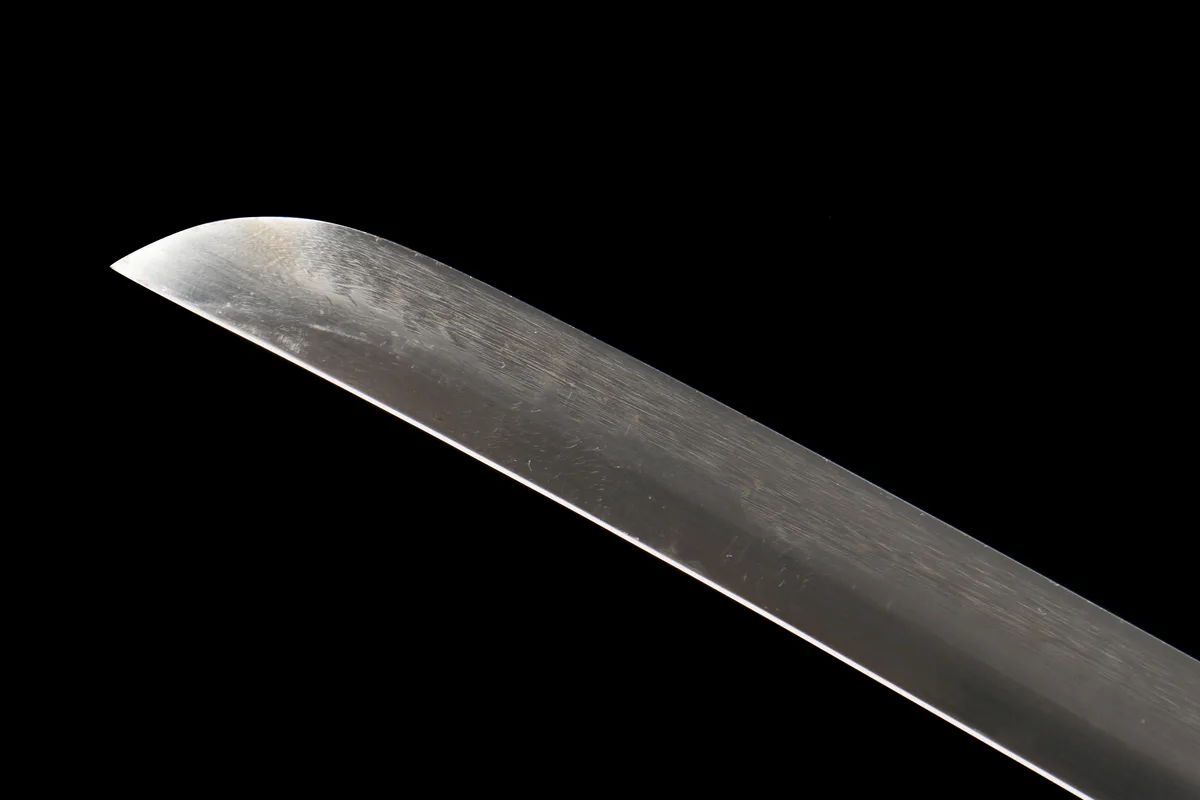
1060 carbon steel sits in a precise performance window – hard enough to hold a working edge through sustained cutting sessions, tough enough to absorb the lateral stress that higher-carbon blades resist poorly. The Crimson Gold Edge is built on that principle, forged in shinogi-zukuri (ridgeline) geometry with a 72 cm blade and fitted from iron fittings to lacquered hardwood saya with nothing wasted and nothing missing.
Specifications
| Blade Steel | 1060 Carbon Steel |
| Total Length | 102.0 cm / 40.2 in |
| Blade Length | 72.0 cm / 28.3 in |
| Blade Width | 3.2 cm |
| Blade Thickness | 0.7 cm |
| Weight | 1040 g / 36.7 oz |
| Heat Treatment | Temper |
| Fittings | Iron |
| Handle | Cotton Ito + Genuine Rayskin |
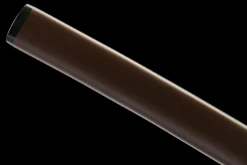
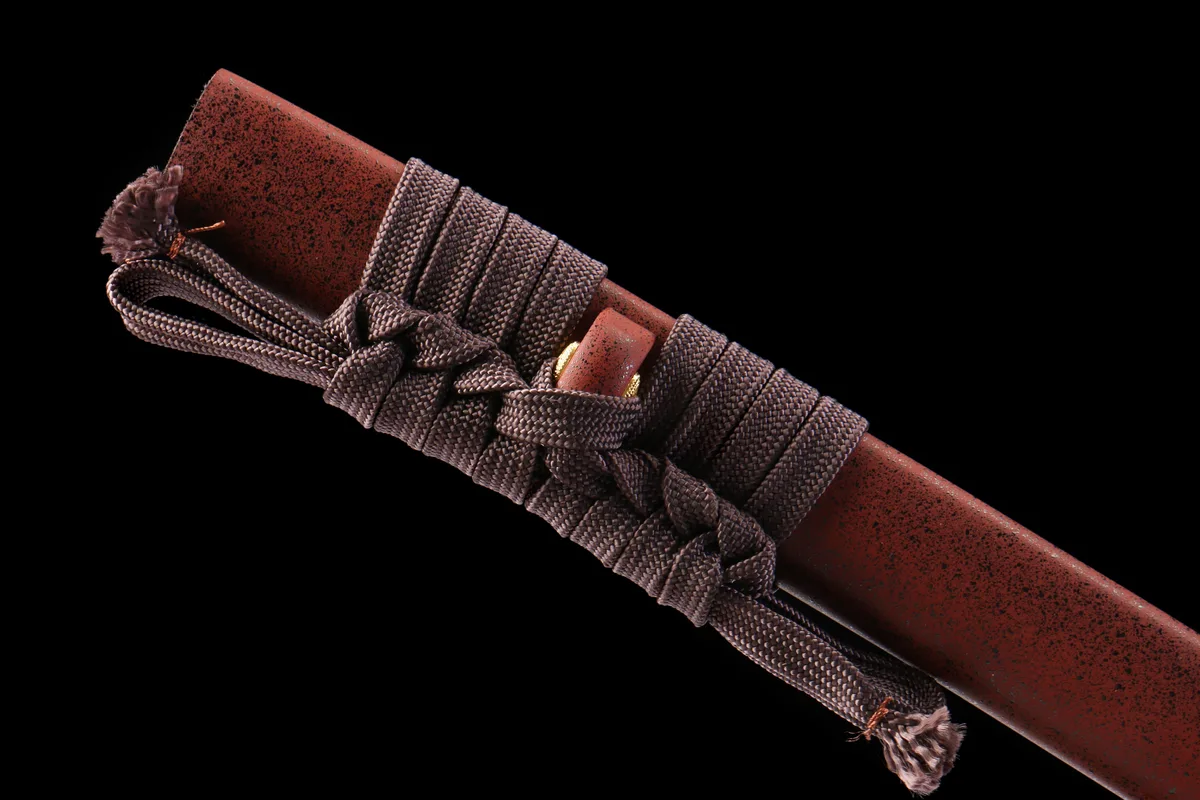
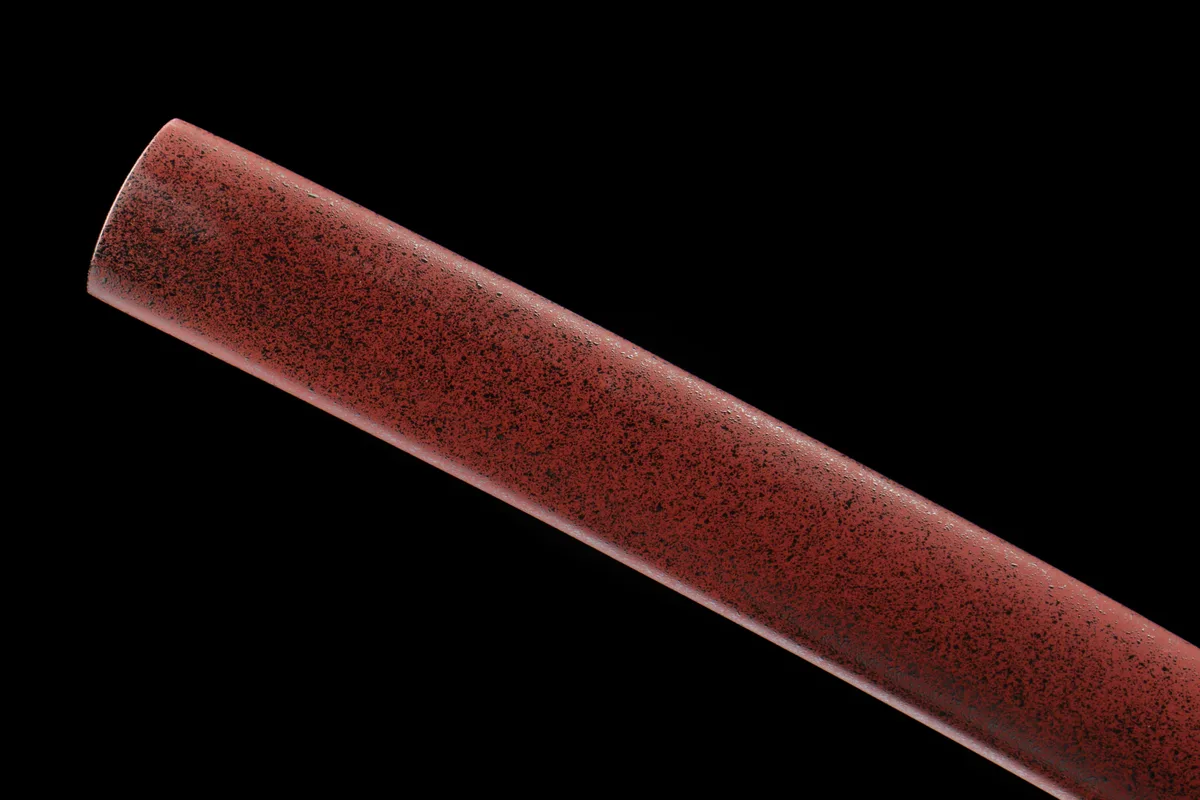
| Sheath | Hardwood, High-Gloss Lacquer |
The Steel
1060 sits at a carbon content where the metallurgy rewards the practitioner directly. It reaches a hardness range suitable for a keen, durable edge without becoming brittle under torsional load – the kind of load generated when a cut meets resistance at an angle. Shinogi-zukuri geometry reinforces this: the raised ridgeline (shinogi) running the blade’s length redistributes flex stress away from the edge, allowing the geometry and the steel to work together rather than against each other. This is not a coincidence of design. It is the geometry Japanese swordsmiths arrived at over centuries of applied problem-solving.
The tempered 1060 blade responds well to field sharpening with standard waterstones. The edge bevel holds its profile through extended use, and the steel does not exhibit the sudden fatigue that can appear in lower-carbon alternatives when driven hard. It is a working composition that requires only that you maintain it honestly.
In Your Hands
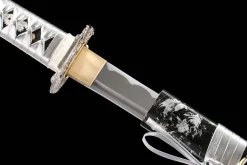
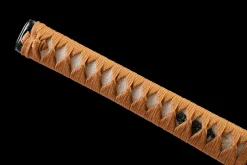
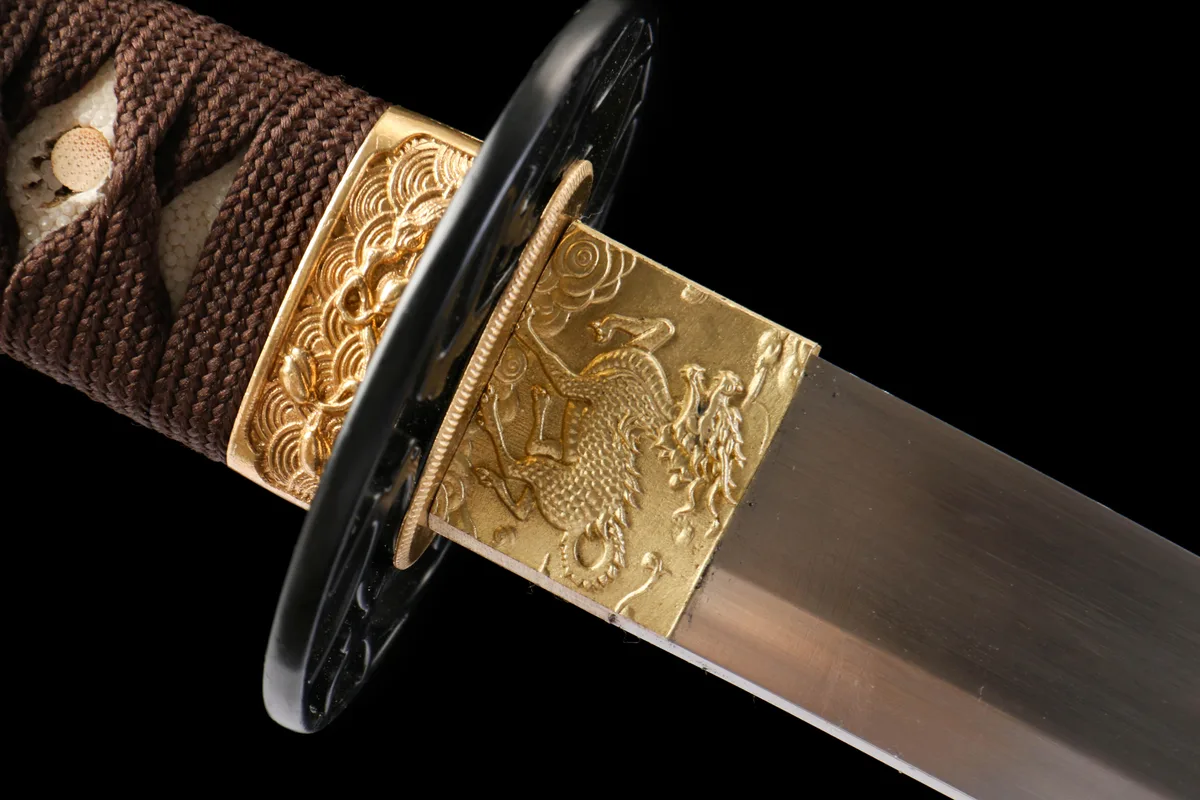
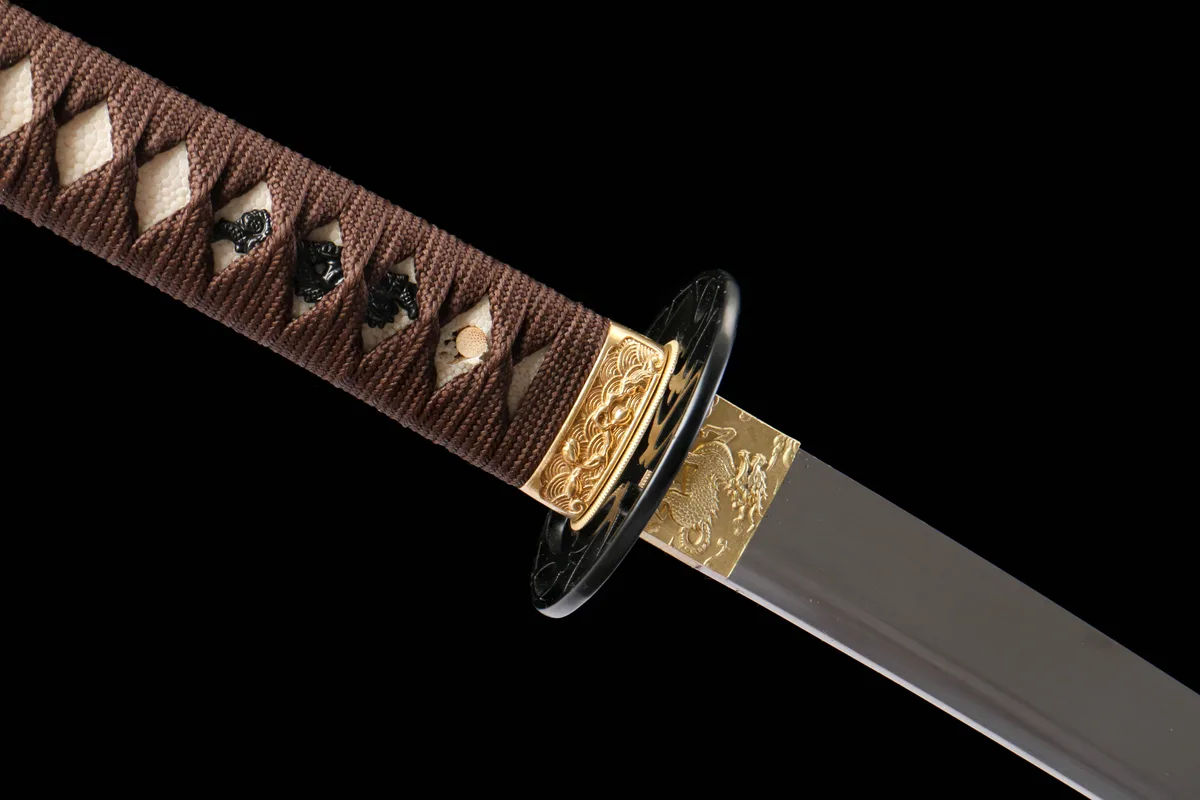
The 26 cm handle is wrapped in genuine rayskin (same – the rough, pebbly substrate traditional to Japanese swordmaking) beneath a tight cotton ito wrap in a diamond pattern. That combination means the grip surface does not move under a wet palm, and the ito does not loosen during extended sessions the way synthetic wraps tend to. At 72 cm, the blade sits at a draw length suited to standard iaido (the art of the sword draw) and cutting practice. The high-gloss lacquered hardwood saya draws cleanly, no drag, no rattle.
Care
After each use, wipe the blade down with a clean cloth and apply a light coat of choji oil (clove oil, the traditional Japanese blade preservative) to prevent surface oxidation. Store horizontally in the saya with the edge facing upward to maintain the lacquer and the edge geometry. Re-oil every few weeks if the blade is in regular rotation, more frequently in humid climates.
| Weight | 1.32 lbs |
|---|---|
| Dimensions | 102.0 × 3.2 × 0.7 in |
| Hamon | Decorative / Acid-Etched |
| Blade Steel | High Carbon Steel |
| Total Length | 102.0 cm |
| Blade Length | 72.0 cm |
| Heat Treatment | Temper |
| Handle Wrap | Cotton Ito + Genuine Rayskin |
| Sheath Material | Hardwood (High-Gloss Lacquer) |
| Fittings | Iron |
| Forging Style | Shinogi-Zukuri (Ridgeline) |
Related products