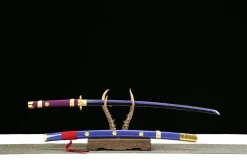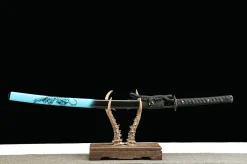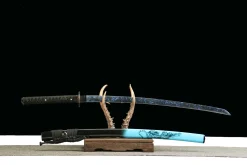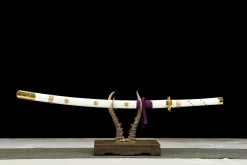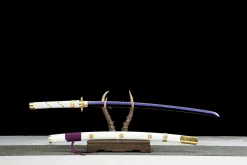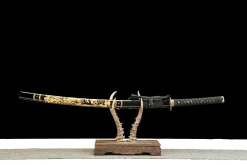







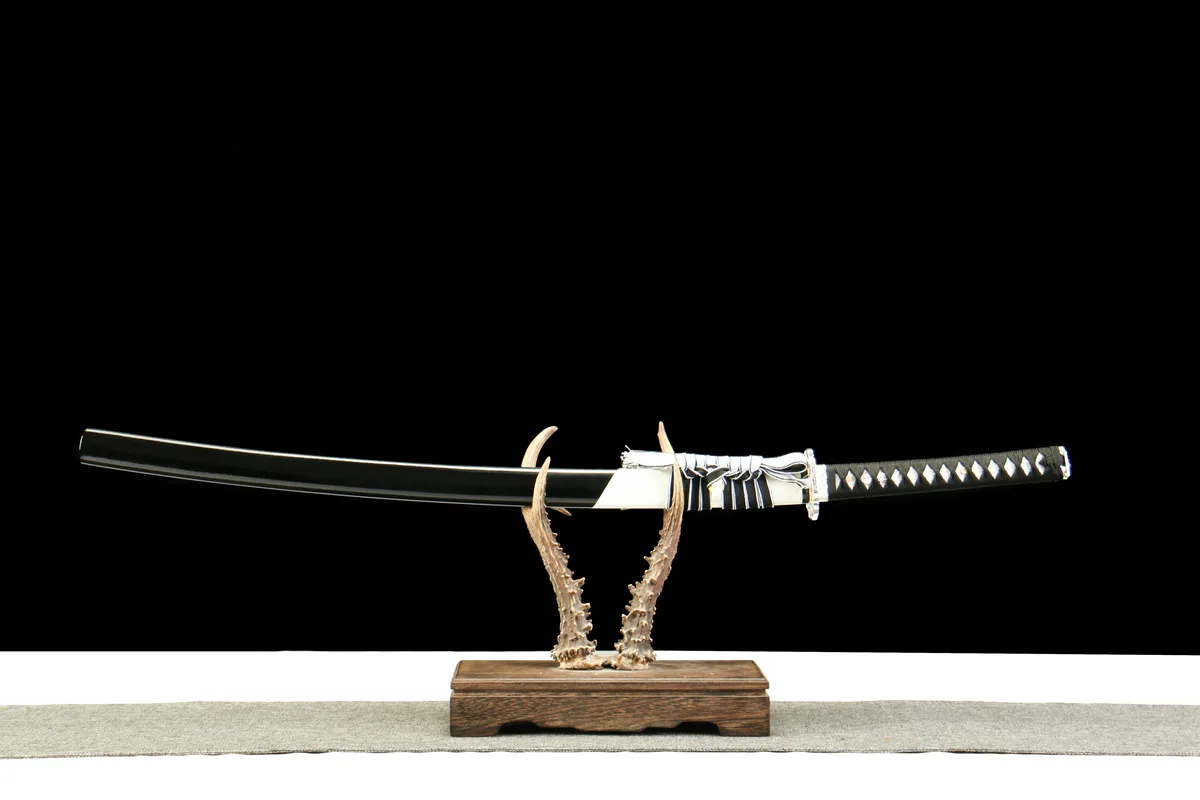


Frost Flower – Hand Forged Damascus Steel Katana Sword
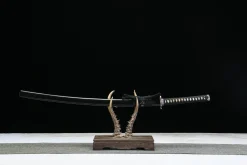
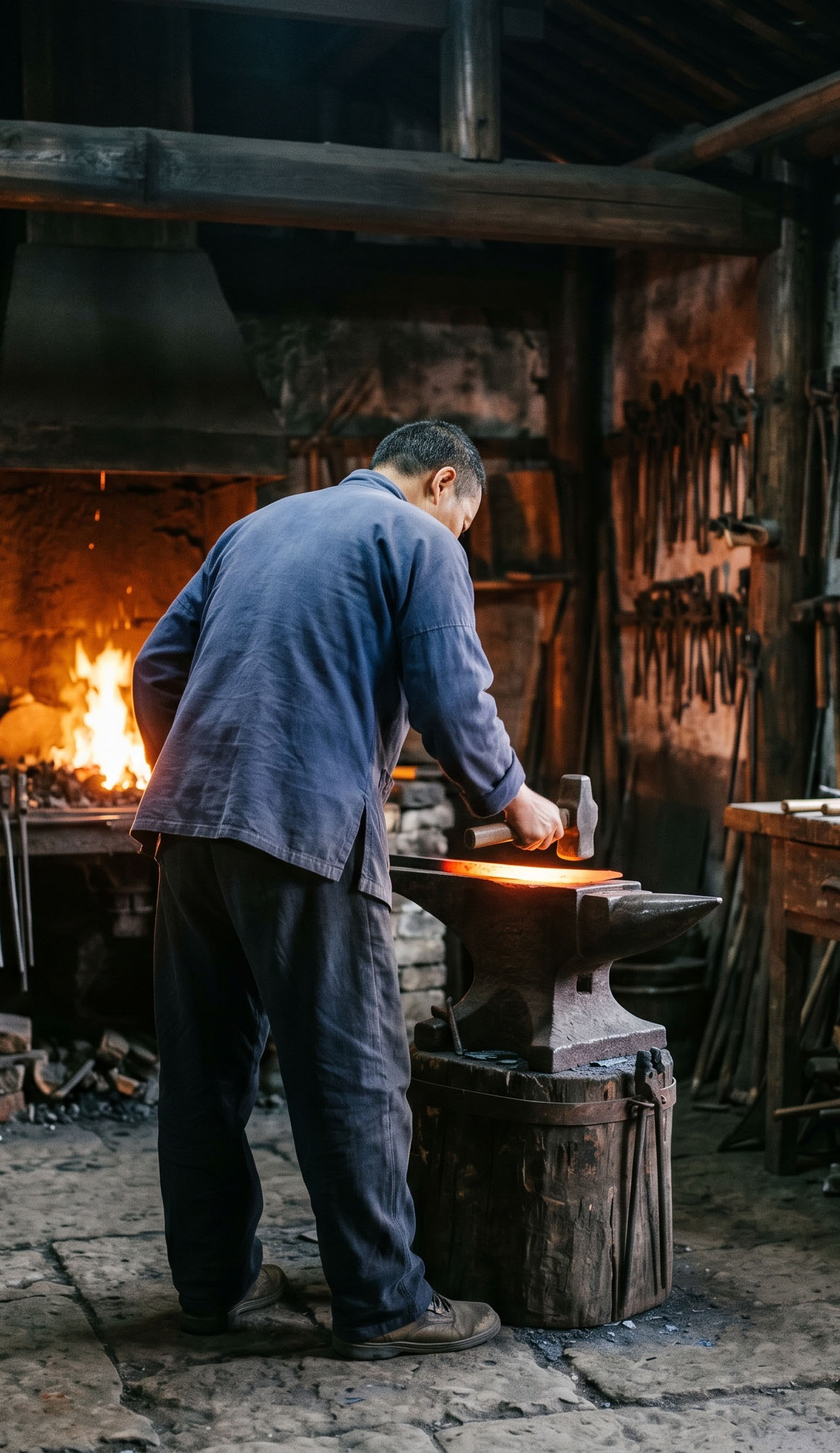
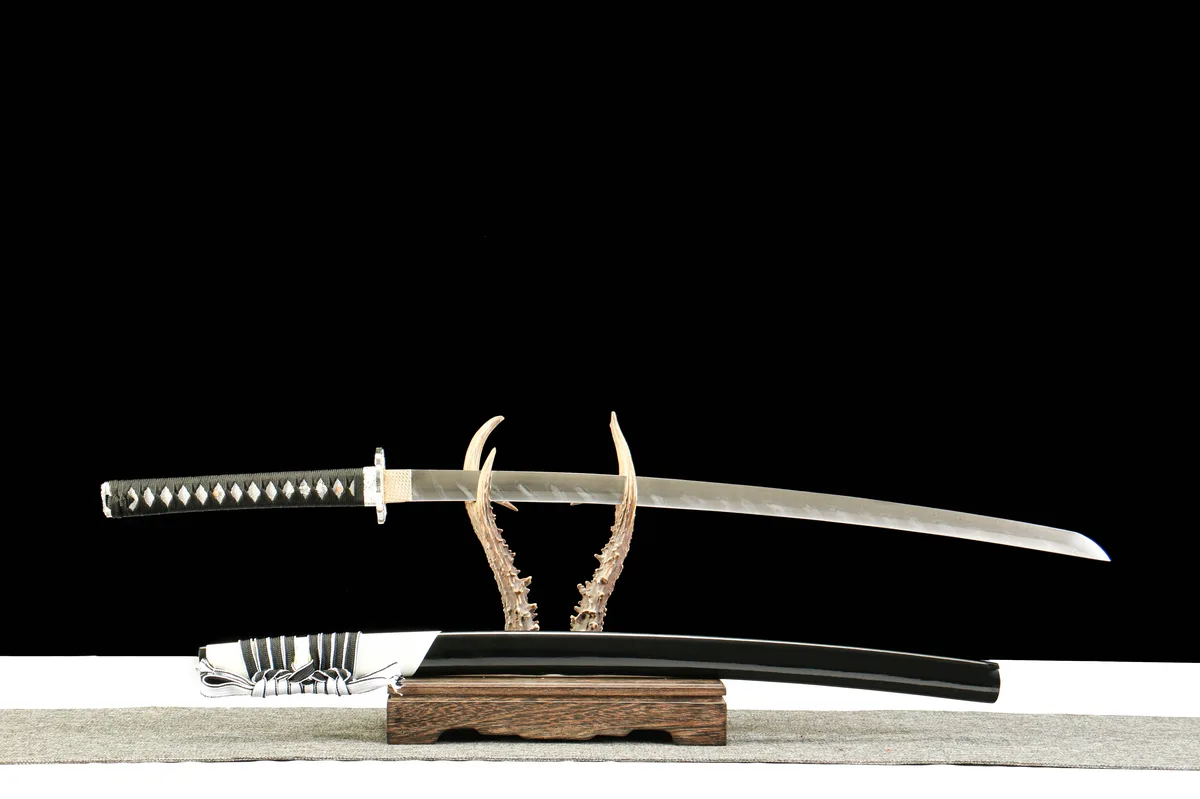
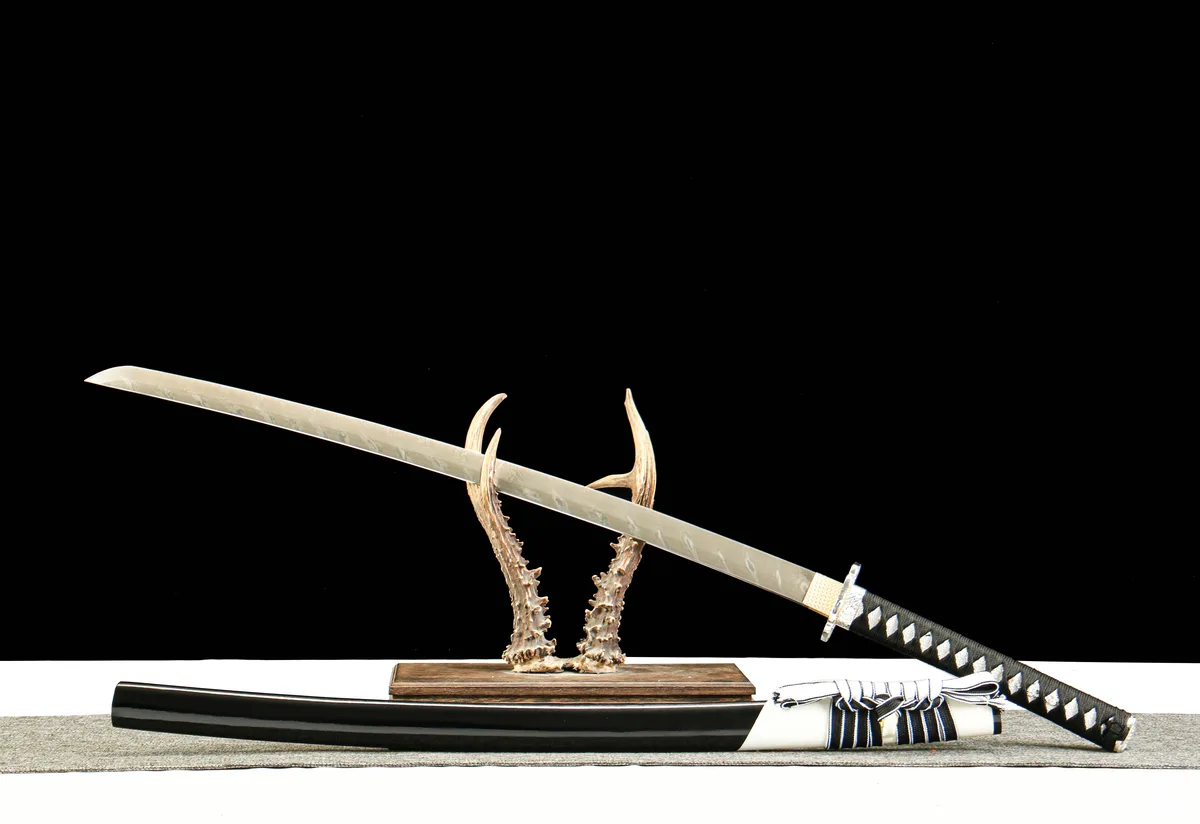
Hand-forged Damascus Steel katana (103cm total / 72cm blade), crafted in Longquan. Hand-folded Damascus pattern steel — each blade carries a unique layered grain from forge to tip.
$439.99
Frost Flower – Hand Forged Damascus Steel Katana Sword
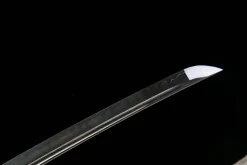
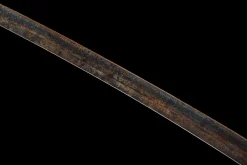
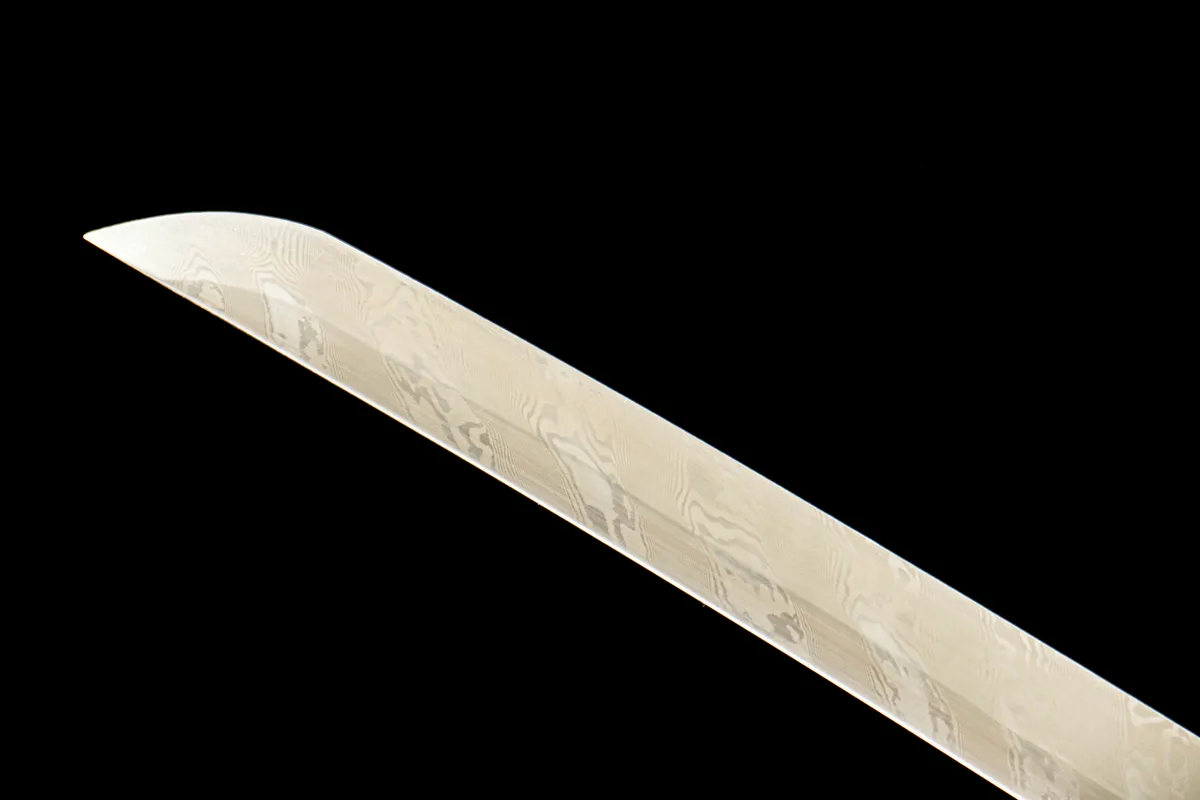
Twist-pattern Damascus does not read the same way twice. Rotate the Frost Flower – 霜华 – under direct light and the grain shifts: tight helix columns compress toward the shinogi (the blade’s ridgeline), then open again toward the edge in an effect that genuinely earns the name. This is a blade whose surface is its story, and the story changes every time you look.
Specifications
| Blade Steel | Damascus Steel, Twist Pattern |
| Total Length | 103.0 cm / 40.6 in |
| Blade Length | 72.0 cm / 28.3 in |
| Blade Width | 3.2 cm |
| Weight | 950 g / 33.5 oz |
| Heat Treatment | Oil Quench & Temper |
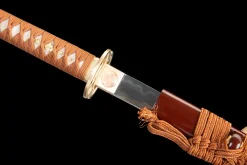
| Fittings | Silver-Plated |
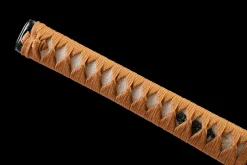
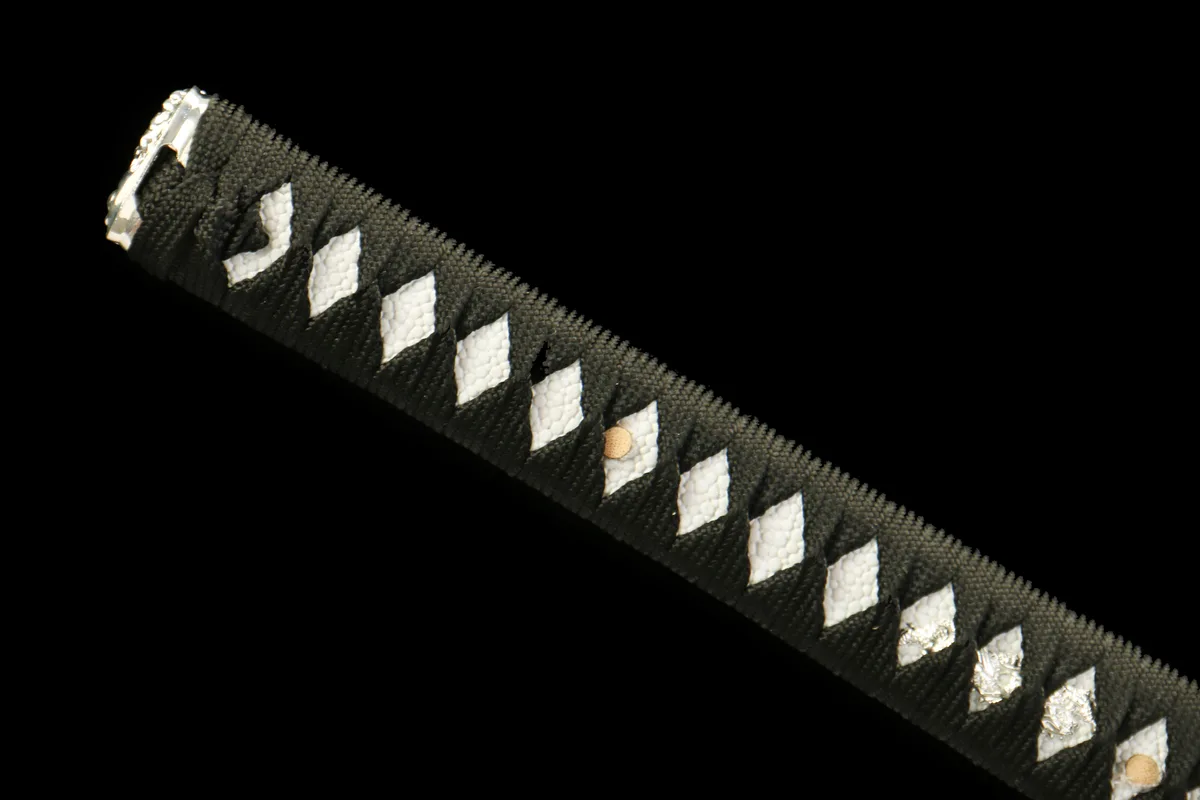
| Handle | Cotton Ito Wrap |
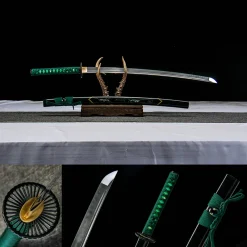
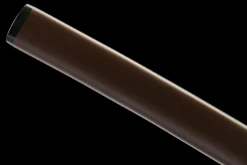
| Sheath | Green Bark Wood (Aohada) |
What the Steel Does
Twist-pattern Damascus – sometimes called rope Damascus or tornado Damascus – is produced by taking a billet of layered pattern-welded steel and twisting it under heat before final forging. The result is a helical grain that, once ground and etched, appears to spiral along the length of the blade. No two twist-pattern billets rotate at exactly the same rate or density. The specific columns you see on this blade exist on no other sword. The oil quench and temper process stabilizes the layered structure, evening out stress across the weld boundaries and bringing the blade to a reliable working hardness throughout.
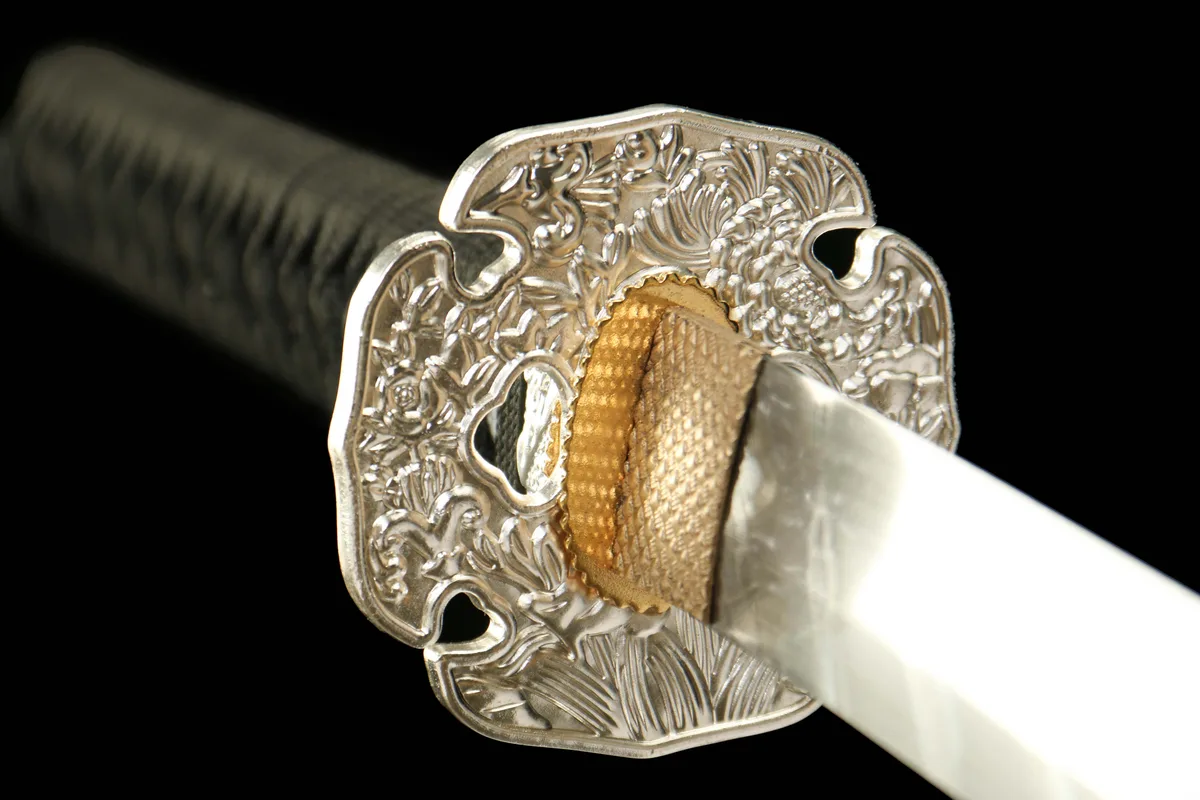
What draws collectors to this particular pattern is its behavior at oblique angles. When the blade tilts away from direct light, the helical lines seem to descend into the steel rather than sit on its surface – an optical quality that flat-ground or mono-steel blades cannot replicate. The silver-plated fittings were chosen deliberately: their cool, low-contrast finish does not compete with the blade’s grain but instead frames it, the way a museum mount frames a piece it respects enough not to crowd.
The Feel of It
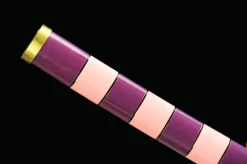
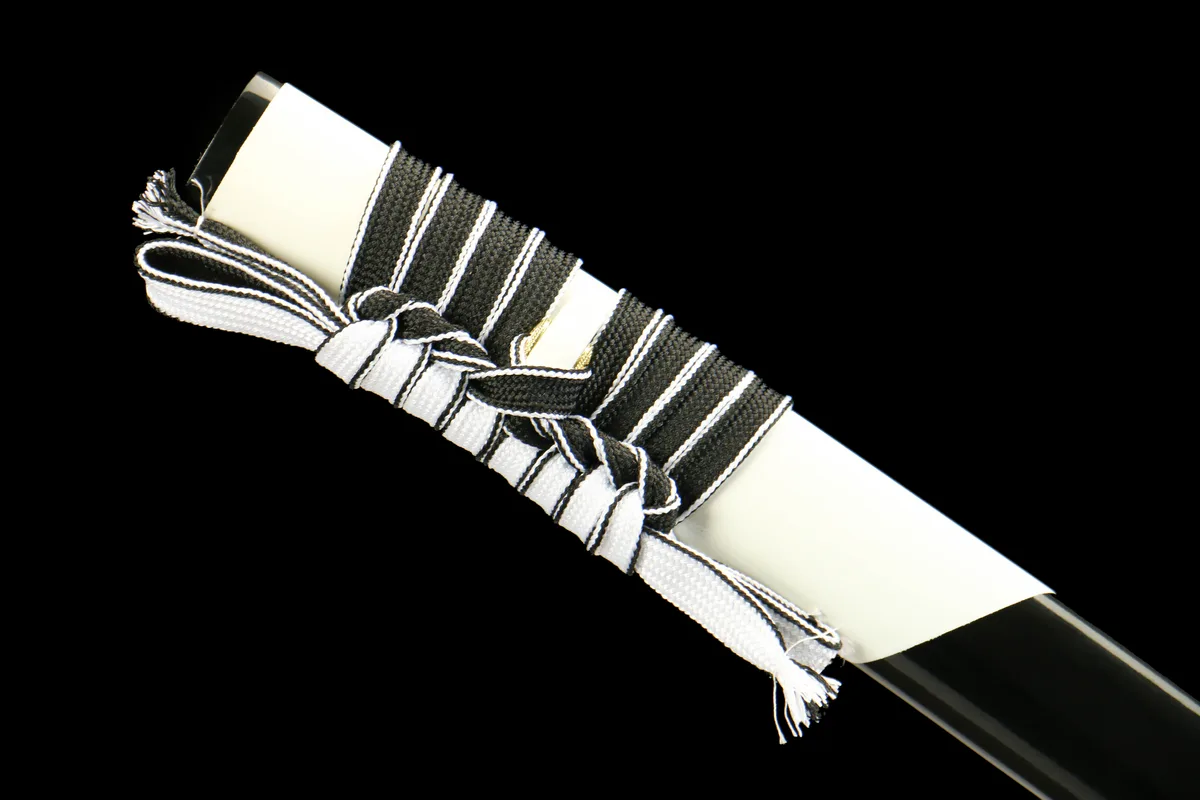
The Aohada (green bark wood) saya – a saya being the wooden sheath that houses the blade – presents in a deep muted green that reads almost grey in low light and shifts toward viridian in natural daylight. Mounted horizontally on a wall, the color pulls the eye across the room before it ever reaches the blade itself. The 27 cm cotton ito wrap is wound in a traditional diamond pattern; each exposed segment of the handle beneath the wrap shows clean construction at the seams. The draw is smooth and linear, the blade seating and releasing without resistance or rattle.
Maintenance Notes
Wipe the blade after handling with a soft, lint-free cloth to remove skin oils that will accelerate oxidation on the etched surface. Apply a thin coat of choji oil (a light mineral or clove-scented oil traditional to Japanese sword care) every few months if the blade is displayed in a dry environment. Keep the saya clean and dry – moisture trapped between blade and sheath is the primary enemy of pattern-welded steel long-term.
| Weight | 1.2 lbs |
|---|---|
| Dimensions | 103.0 × 3.2 × 0.7 in |
| Hamon | Damascus Pattern (No Hamon) |
| Blade Steel | Damascus Steel |
| Total Length | 103.0 cm |
| Blade Length | 72.0 cm |
| Heat Treatment | Oil Quench & Temper |
| Handle Wrap | Cotton Ito Wrap |
| Sheath Material | Green Bark Wood (Aohada) |
| Fittings | Silver-Plated |
| Forging Style | Folded Steel (Pattern Welded) |
Related products