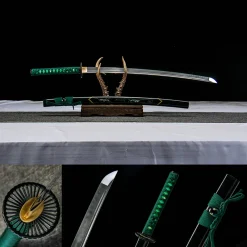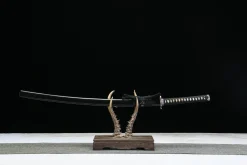









Immortal Slash (开门) – Hand Forged 1065 Carbon Steel Katana Sword
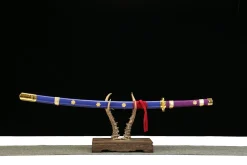
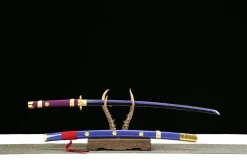
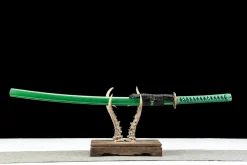
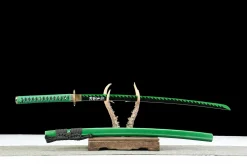
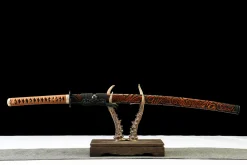
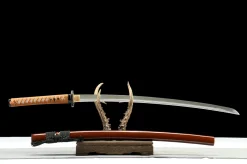
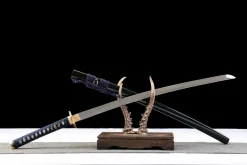
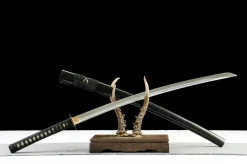
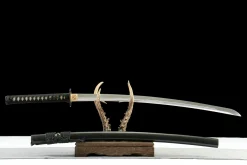
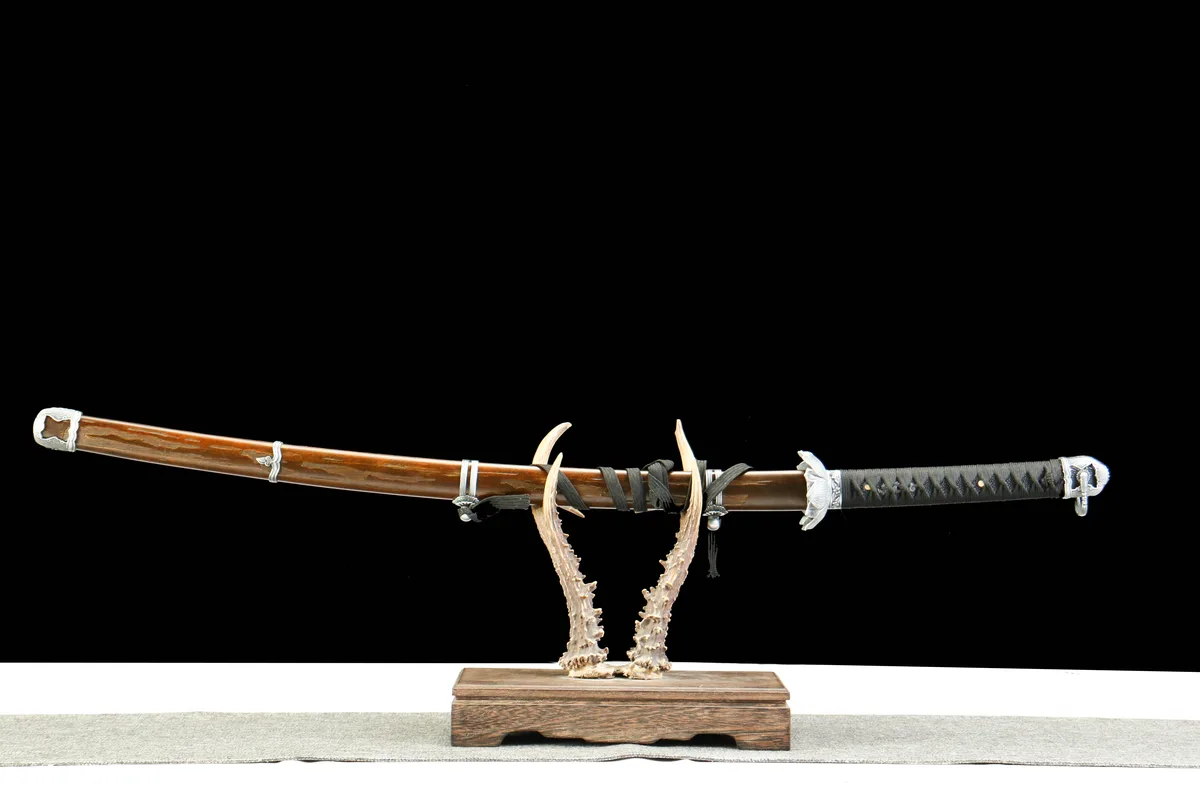
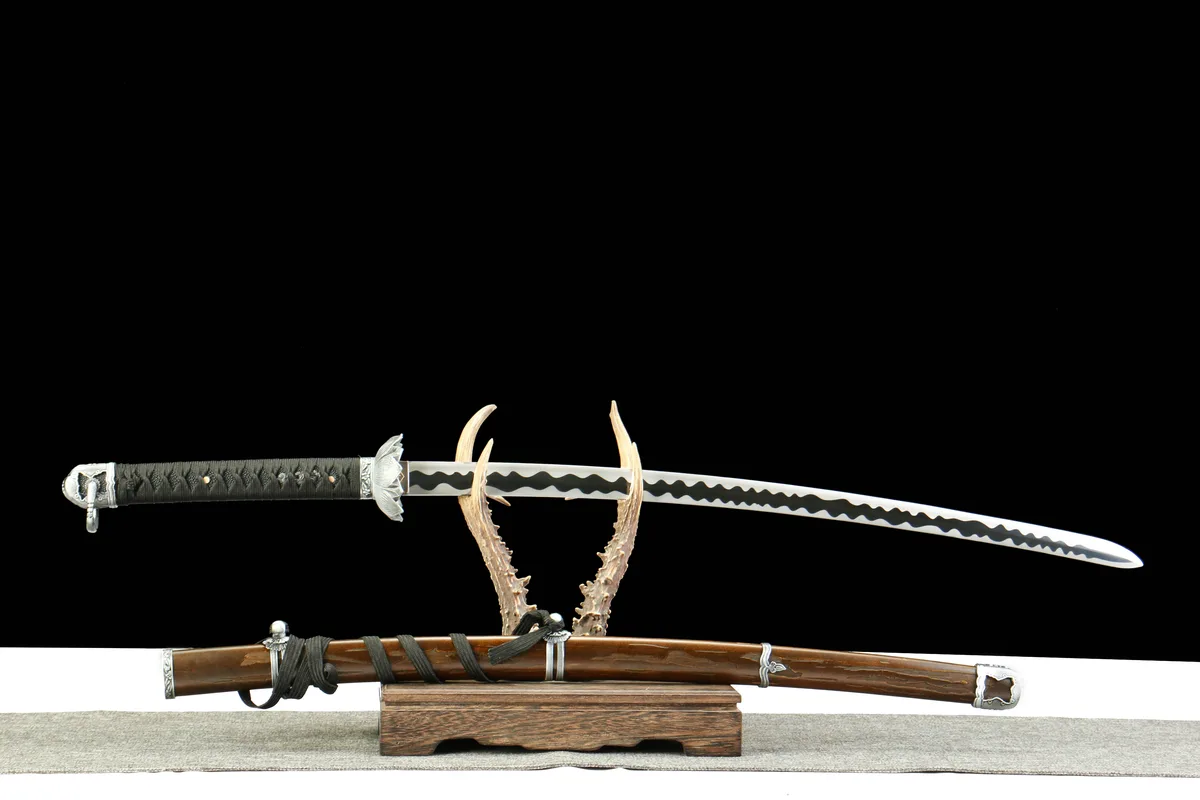
Hand-forged 1065 Carbon Steel katana (103cm total / 72cm blade), crafted in Longquan. Full-tang construction with traditional fittings and hand-lacquered saya.
$259.99
Immortal Slash (开门) – Hand Forged 1065 Carbon Steel Katana Sword
The name carries weight. Immortal Slash – 不死斩 – and the designation 开门 (kai men, meaning “open gate”) is a reference to forward, decisive motion: the cut that does not hesitate at the threshold. This is a 1065 high carbon katana built around a single premise – that the blade in your hands should be the last variable you think about during a cut.
Specifications
| Blade Steel | 1065 High Carbon Steel |
| Total Length | 103.0 cm / 40.6 in |
| Blade Length | 72.0 cm / 28.3 in |
| Blade Width | 3.2 cm |
| Weight | 950 g / 33.5 oz |
| Heat Treatment | Oil Quench & Temper |
| Fittings | Zinc Alloy |
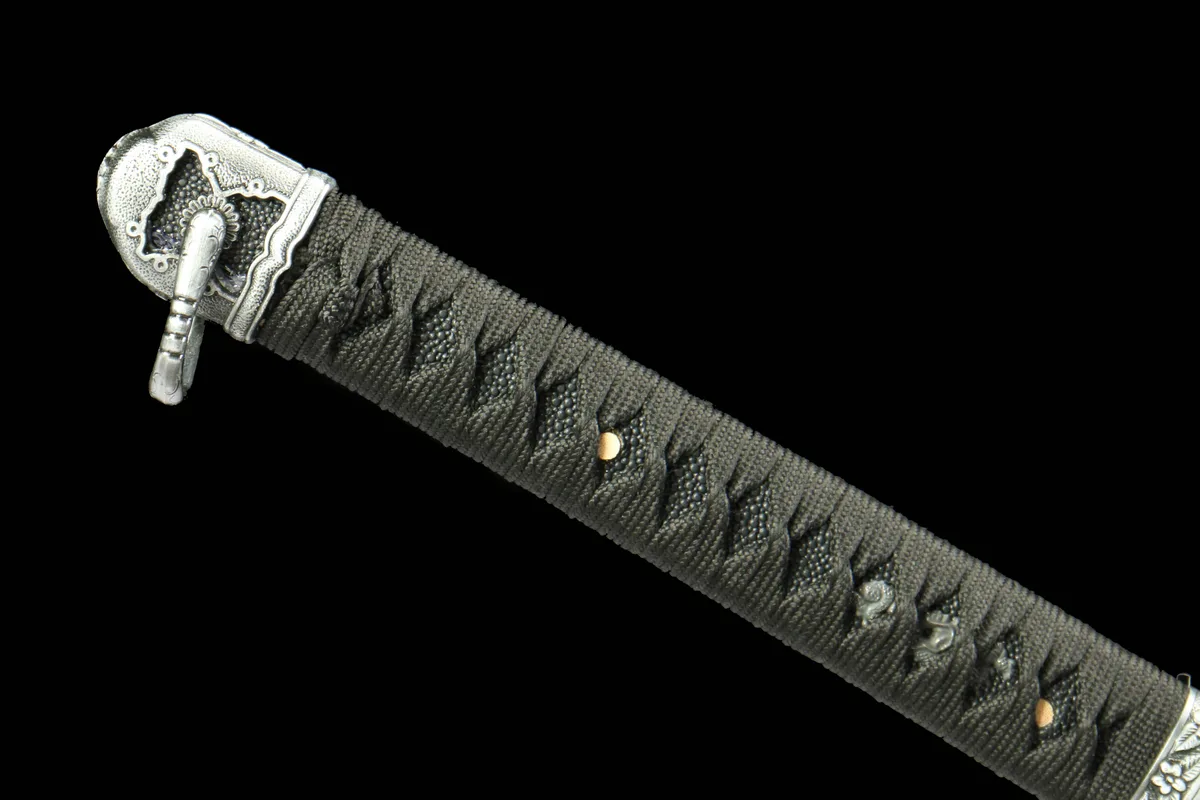
| Handle | Cotton Ito Wrap |
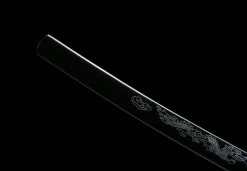
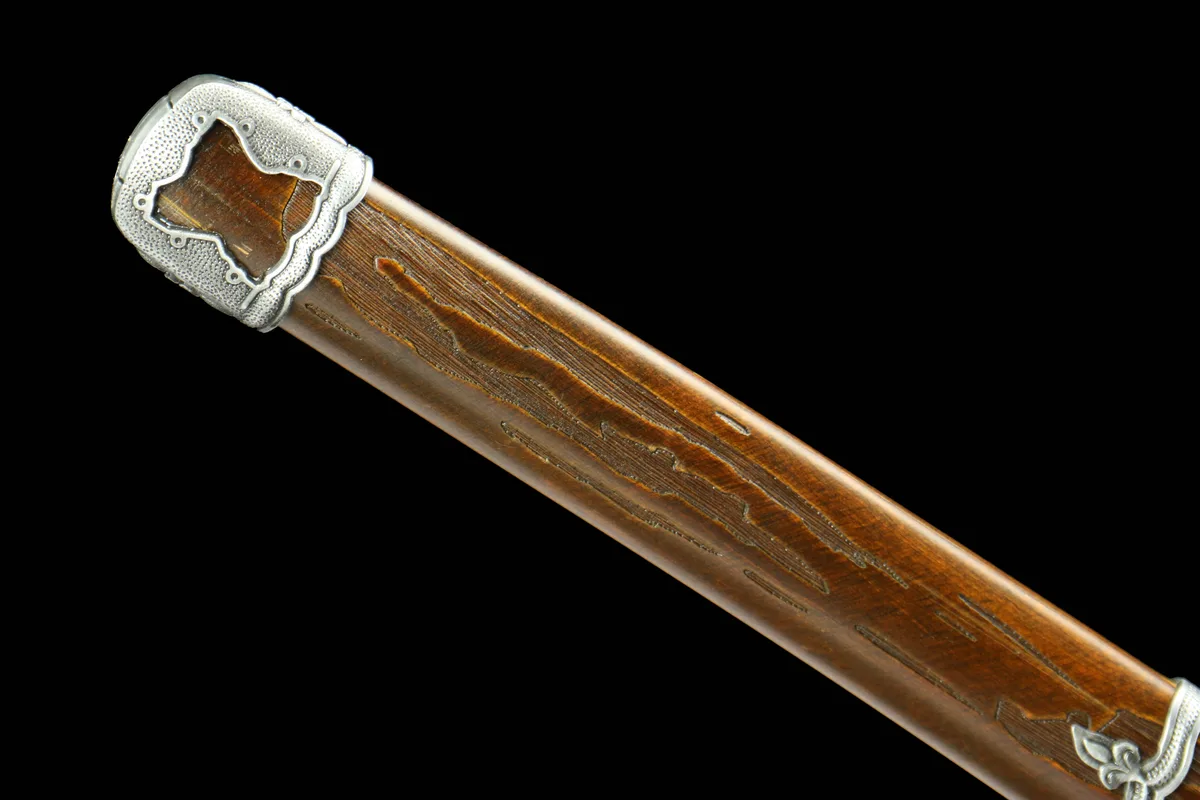
| Sheath | Green Bark Wood (Aohada) |
What the Steel Does
1065 high carbon steel is the standard of the working practitioner for a reason. At 0.65% carbon, it achieves a hardness after oil quench that puts the edge in the Rockwell C 58-60 range – firm enough to take and hold a keen working edge through extended sessions, but with enough residual ductility that the blade does not become brittle under lateral load. The oil quench process, as opposed to water quench, is a deliberate trade-off: slower cooling reduces the risk of quench cracks and produces a marginally tougher blade at the cost of peak surface hardness. For a cutting katana intended for regular use, that trade-off is the correct one.
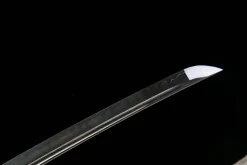
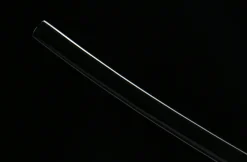
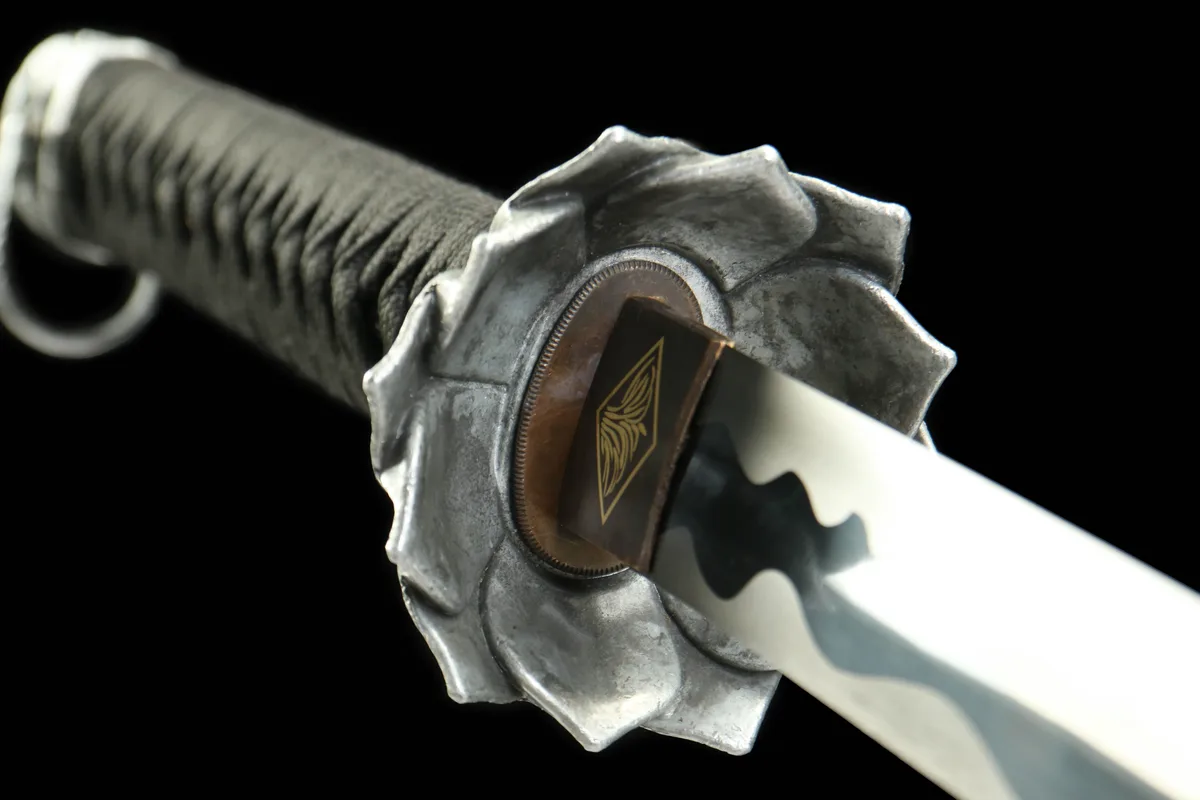
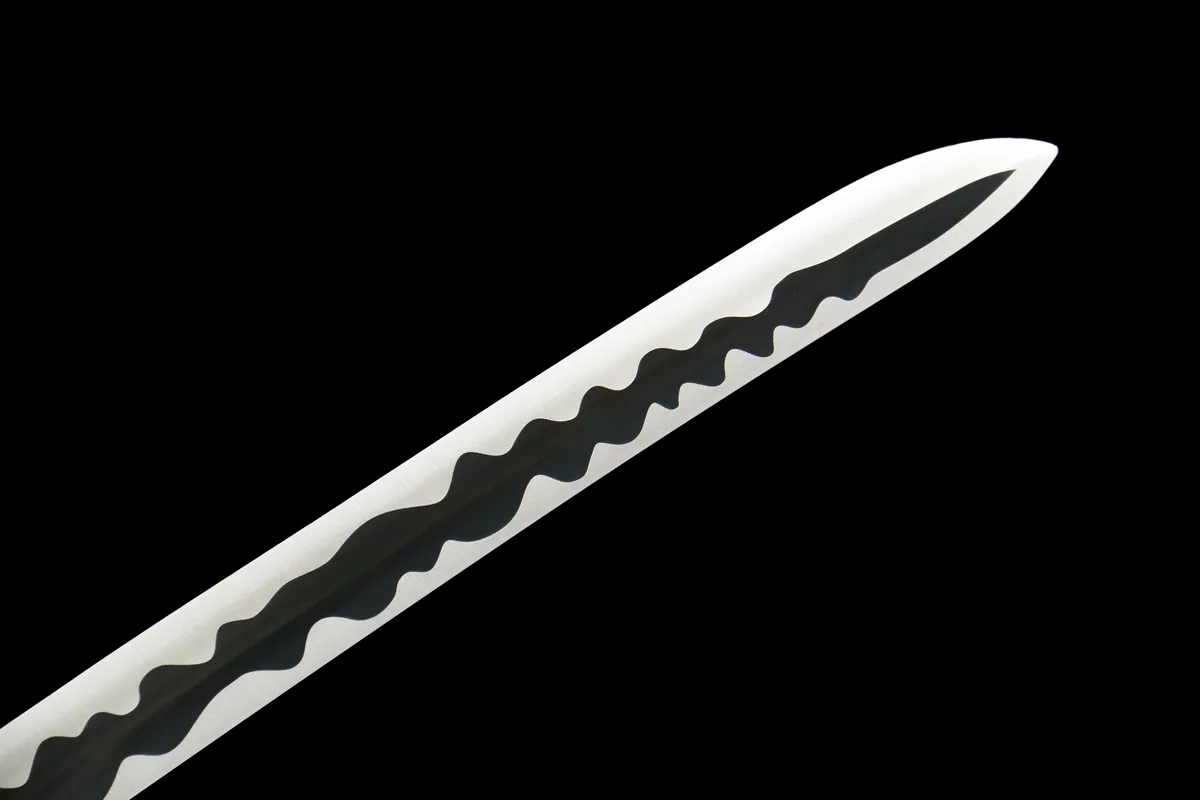
The Shinogi-Zukuri (ridgeline) profile is the geometry of a sword designed to cut efficiently. The shinogi – the longitudinal ridge running from habaki to yokote (the transition point before the tip) – acts as a wedge, redirecting material away from the blade face during a cut and reducing the friction that would otherwise slow the blade’s travel through the target. Combined with a 3.2 cm width at the base and a 0.7 cm spine, the geometry is stiff where it needs to be and tapers correctly toward the tip.
The Feel of It
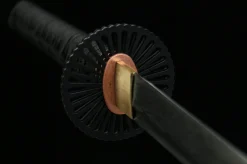
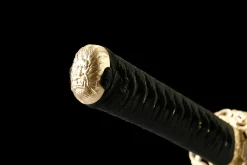
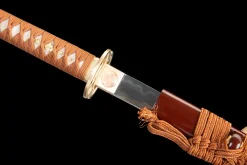
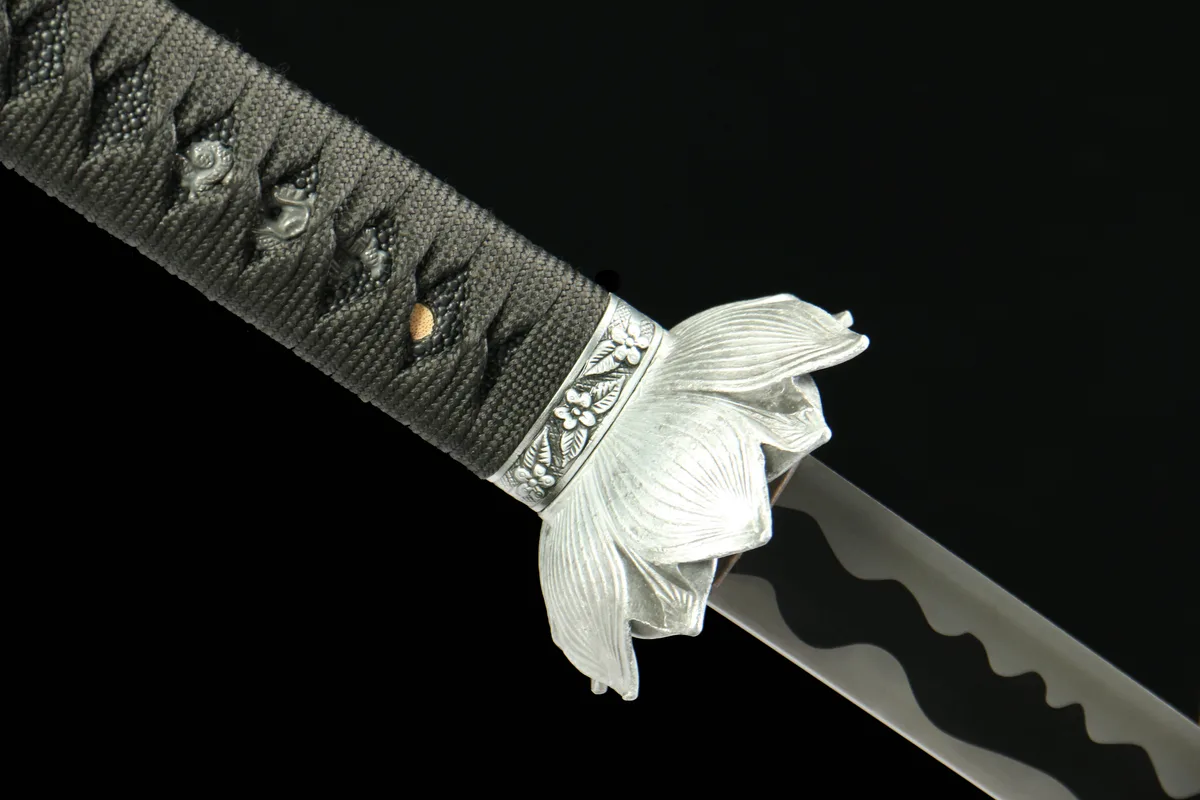
The 27 cm cotton ito wrap seats two hands naturally in a traditional two-hand grip – the lower hand anchoring at the kashira (pommel cap), the upper hand forward toward the tsuba (hand guard), with roughly a palm’s width of wrapped handle between them. Cotton ito has a texture that grips in dry and slightly damp conditions without the premium of silk; it is the right material for a blade that is going to work. The draw from the Aohada saya is consistent – no binding, no slop – and the koiguchi (the saya’s mouth fitting) holds the blade securely at rest.
Care Instructions
Wipe the blade clean with a soft cloth after every session before re-sheathing – oil and particulate left on the steel accelerate oxidation, particularly at the edge. Sharpen with a Japanese water stone when edge performance drops noticeably; 1065 responds cleanly to a medium grit and finishes well at 2000 or higher. A thin application of choji or mineral oil before storage is sufficient to protect the blade between uses.
| Weight | 1.2 lbs |
|---|---|
| Dimensions | 103.0 × 3.2 × 0.7 in |
| Hamon | Decorative / Acid-Etched |
| Blade Steel | 1065 Carbon Steel |
| Total Length | 103.0 cm |
| Blade Length | 72.0 cm |
| Heat Treatment | Oil Quench & Temper |
| Handle Wrap | Cotton Ito Wrap |
| Sheath Material | Green Bark Wood (Aohada) |
| Fittings | Zinc Alloy |
| Forging Style | Shinogi-Zukuri (Ridgeline) |
Related products