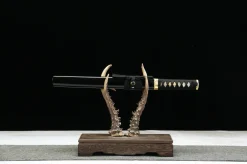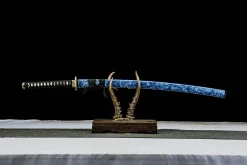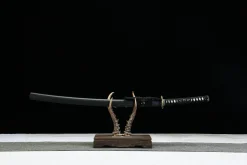
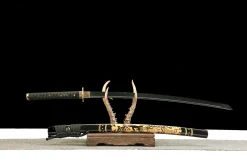
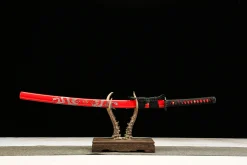








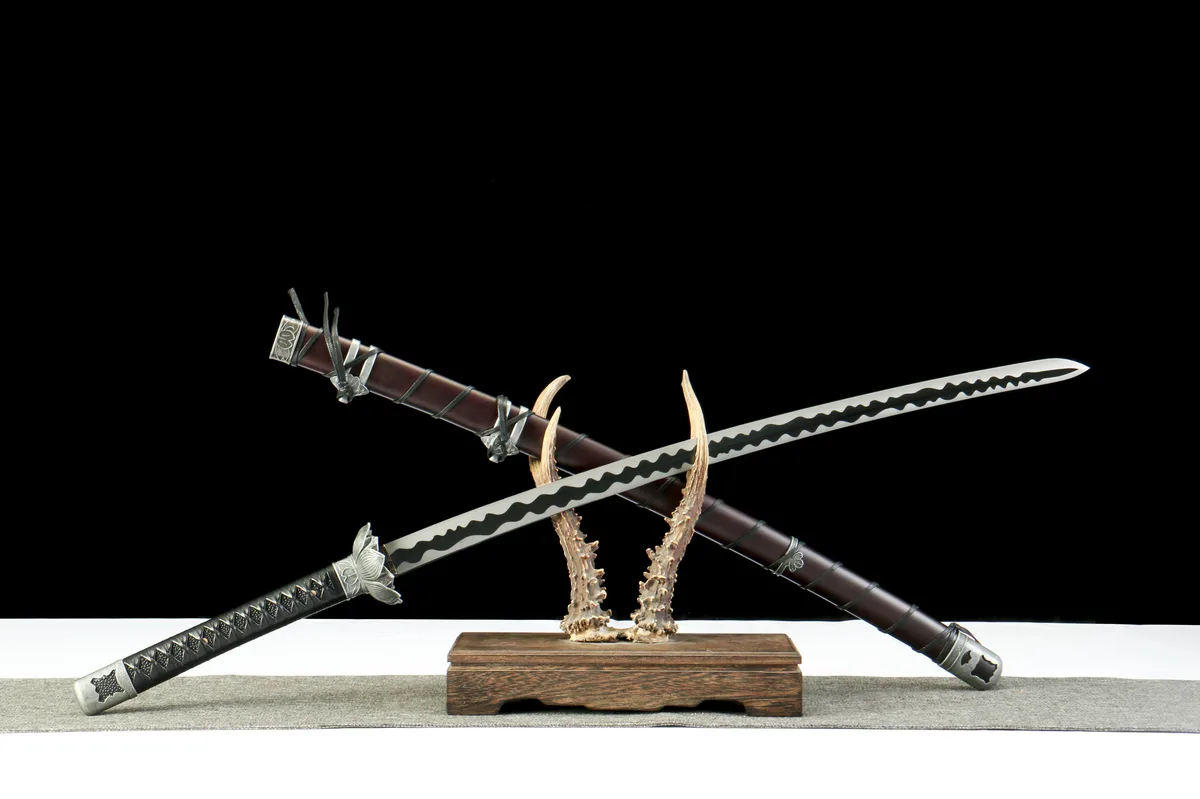



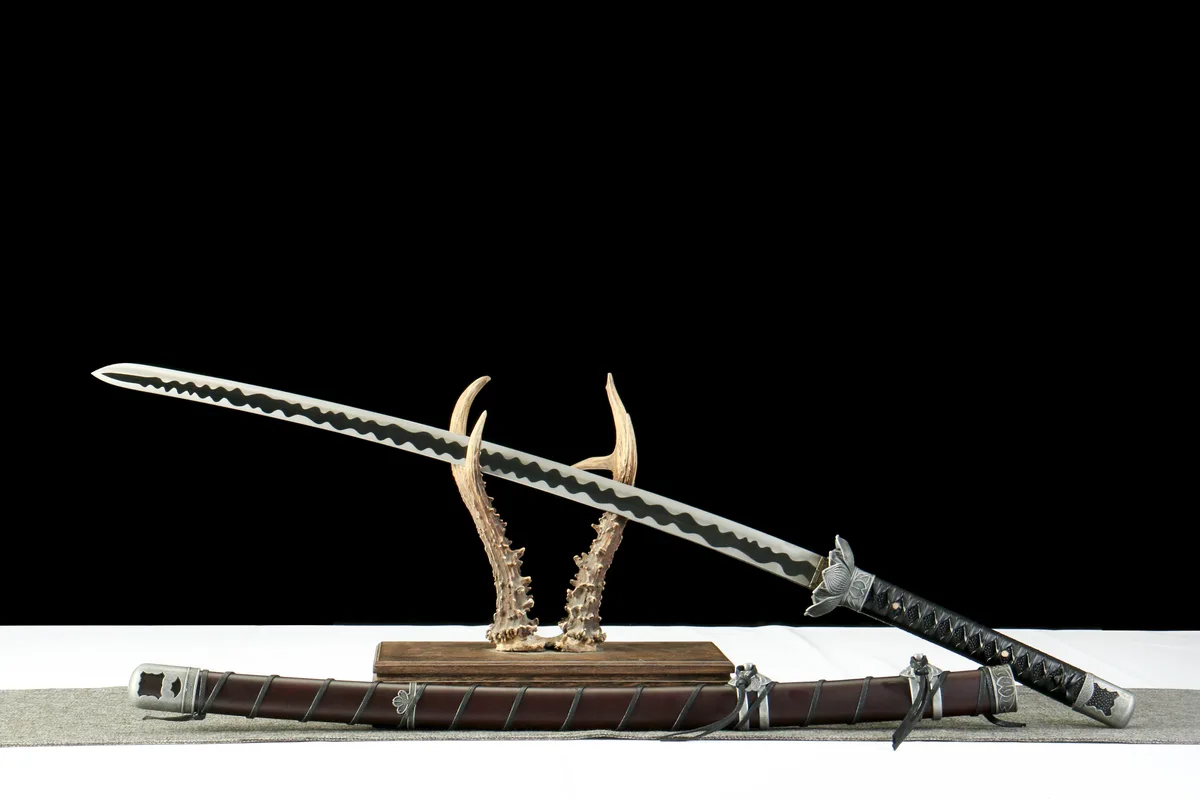




Immortal Slash (开门) – Hand Forged 65Mn Spring Steel Katana Sword
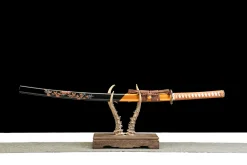
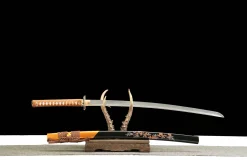
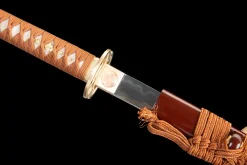
Hand-forged 65Mn Spring Steel katana (103cm total / 72cm blade), crafted in Longquan. Full-tang construction with traditional fittings and hand-lacquered saya.
$289.99
Immortal Slash (开门) – Hand Forged 65Mn Spring Steel Katana Sword
The Immortal Slash — Kaimon (不死斩開門) is a handmade premium katana whose 65Mn spring steel blade offers a performance characteristic found nowhere else in this lineup: exceptional flex-and-return resilience that makes it virtually impossible to permanently warp under impact stress. Named for the “opening gate” — a concept from classical Chinese philosophy referencing the passage between states of existence — this sword is engineered to endure repeated, heavy use with a composure that lives up to its immortal namesake. At $220, it is the practitioner’s choice when the training session never ends.
Specifications
| Blade Steel | 65Mn Spring Steel |
| Total Length | 103.0 cm / 40.6 inches |
| Blade Length | 72.0 cm / 28.3 inches |
| Blade Width | 3.2 cm |
| Weight | 950 g / 33.5 oz (net) |
| Heat Treatment | Oil Quench & Temper |
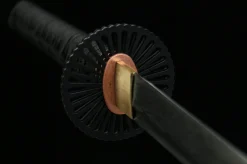
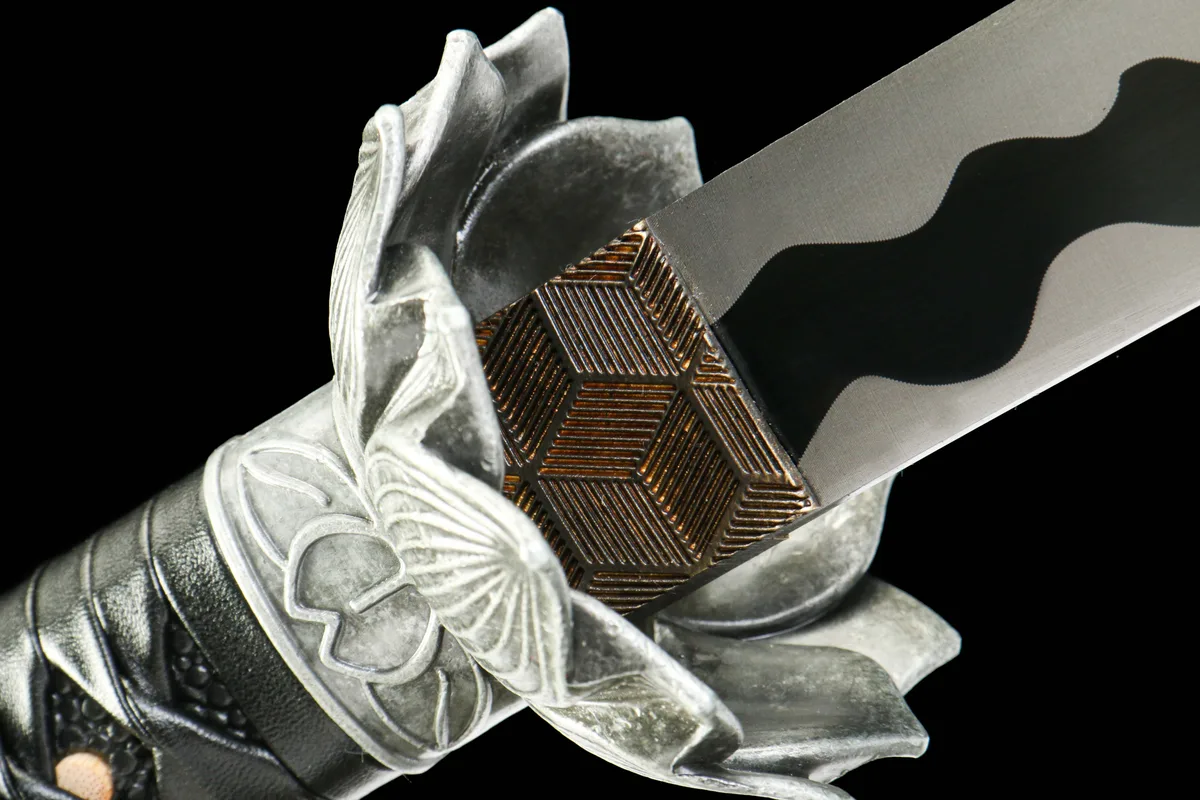
| Fittings | Zinc Alloy |
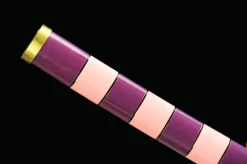
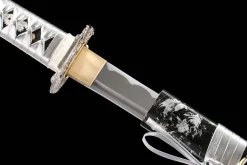
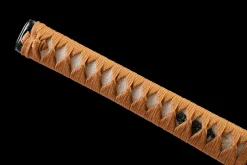
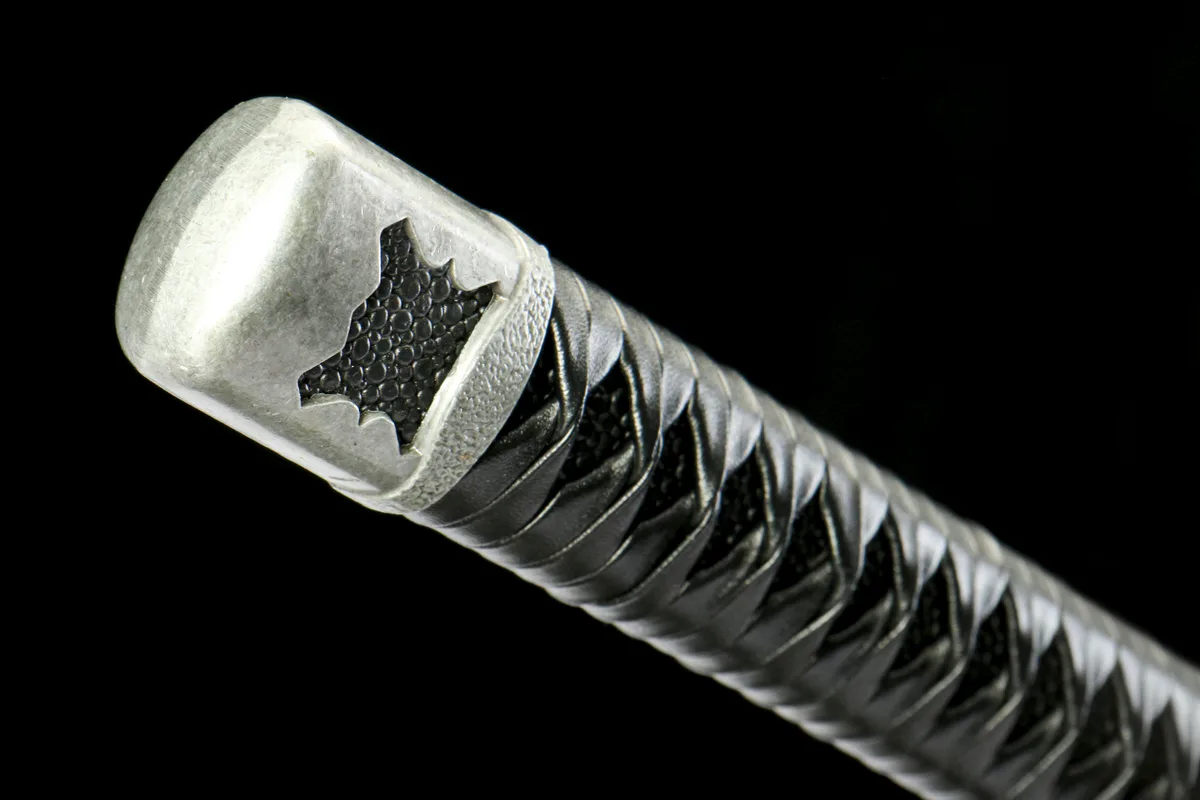
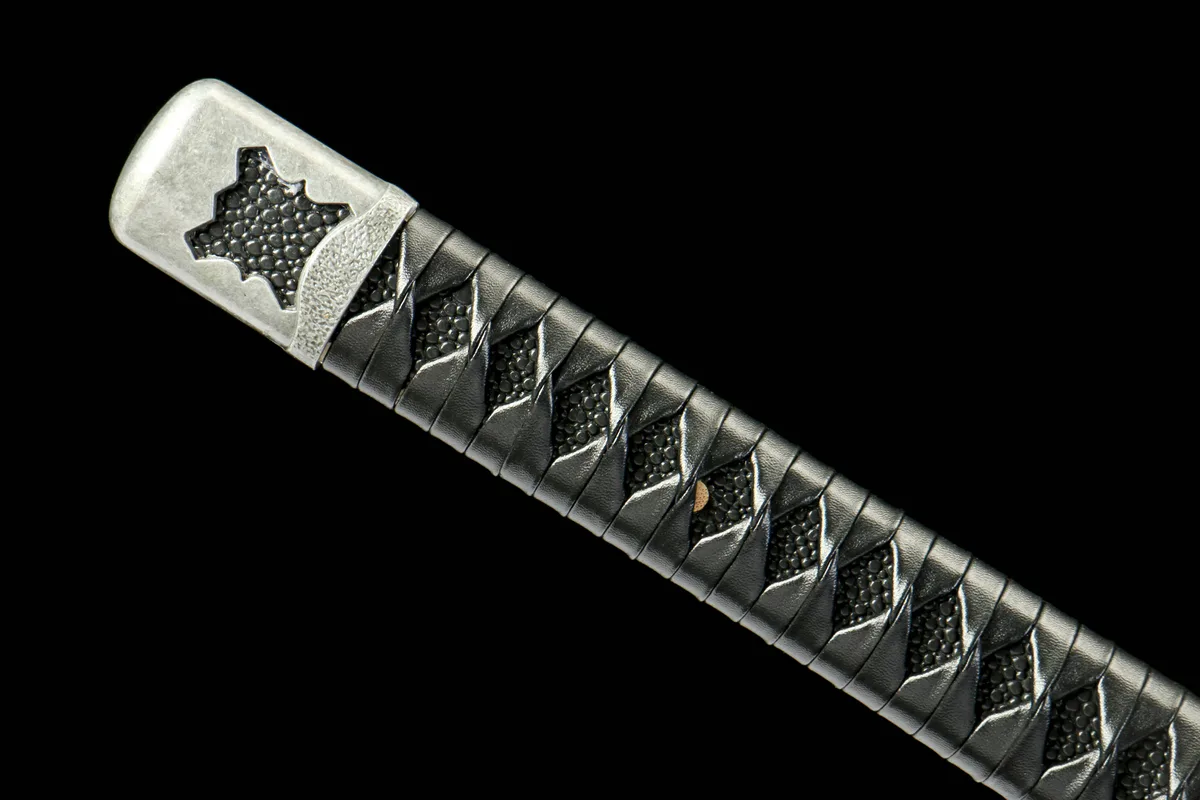
| Handle | Cotton Ito Wrap |
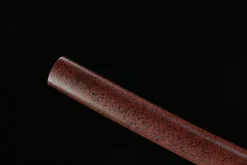
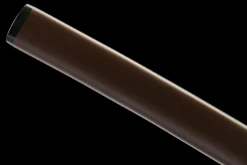
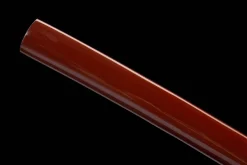
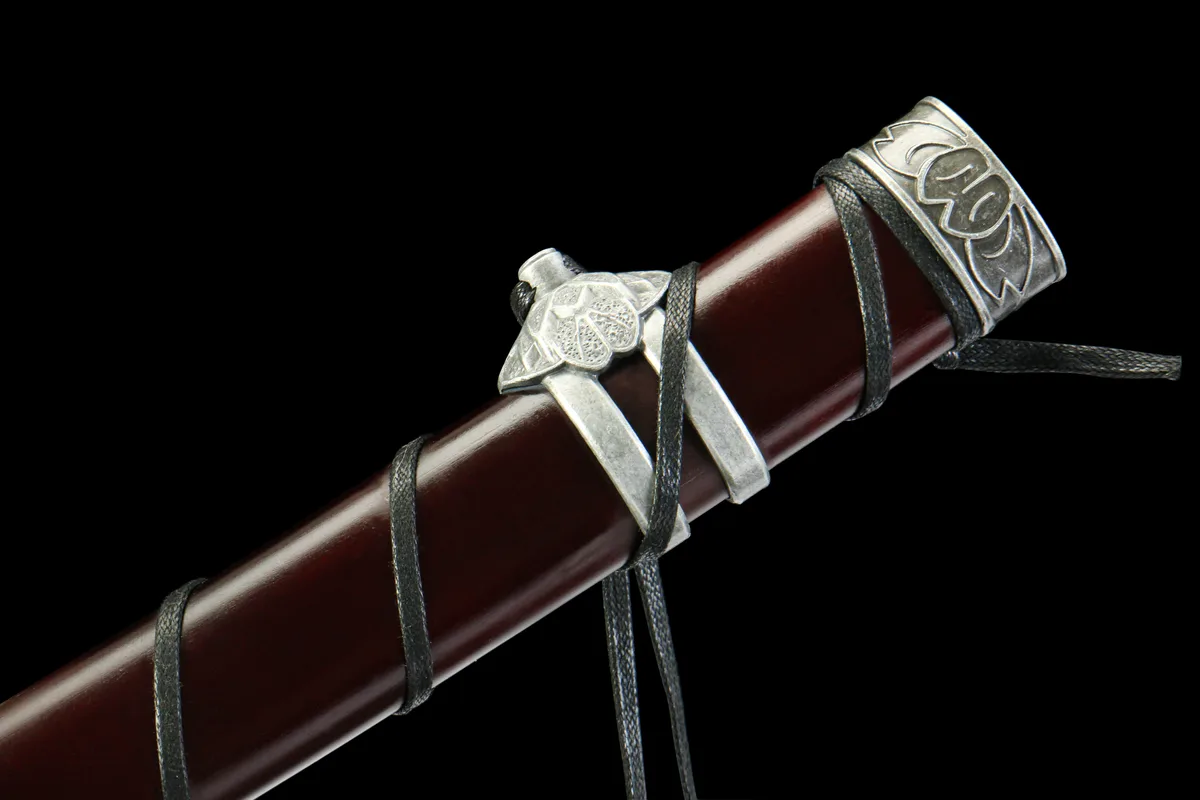
| Sheath | Green Bark Wood (Aohada) |
Craftsmanship & Materials
65Mn manganese spring steel is fundamentally different from the pure high-carbon steels found in the other katana in this series. The manganese content — typically around 0.9–1.2% — dramatically increases the steel’s hardenability and, crucially, its elasticity after heat treatment. Where a 1095 blade might hold a finer edge under controlled conditions, the 65Mn Immortal Slash will flex under lateral stress and spring back to true alignment rather than taking a permanent set or, in extreme cases, breaking. This makes it the most mechanically forgiving blade in our Longquan range — a sword that can absorb the honest mistakes of training without punishing the practitioner.
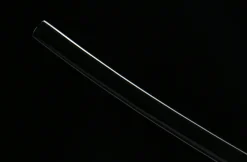
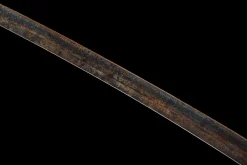
The handmade designation on the Immortal Slash reflects the additional hand-forging and hand-grinding work performed by Longquan craftsmen beyond standard production processes. Each blade is individually forged from billet, hand-shaped on the ridgeline to achieve the shinogi-zukuri geometry, and hand-finished rather than machine-polished to final geometry. This individual attention is visible in the blade’s subtle surface character — the flat ji between the shinogi ridge and the ha shows the hand of the maker in a way that purely machine-finished blades do not. The oil quench and temper of 65Mn requires careful temperature management, as the manganese content shifts the steel’s critical temperature range; Longquan smiths with generations of experience navigating exactly this type of alloy behaviour oversee every quench.
The name 開門 — “opening gate” or “kaimon” in the Japanese reading — carries a dual meaning appropriate to this sword: it speaks to the opening of new levels of practice that a resilient, reliable blade enables, and to the passage through which Longquan’s ancient forging knowledge flows into every modern sword that leaves its workshops. The green aohada saya provides the natural, grounded aesthetic this working sword deserves, while the cotton ito wrap ensures a dry, secure grip through extended training sessions.
Perfect For
- High-volume tameshigiri and cutting practitioners who train frequently and need a blade whose spring-steel resilience will handle repeated heavy impacts without warping or edge failure.
- Martial arts instructors and advanced students in iaido, kenjutsu, or batto-do who require a dependable, handmade functional katana at a premium-but-accessible price point.
- Buyers in humid or variable climates — 65Mn’s manganese content gives it marginally better corrosion resistance than plain high-carbon steels, making it a more practical choice for practitioners in challenging storage environments.
Care & Maintenance
65Mn spring steel benefits from the same core maintenance routine as all carbon steels — dry thoroughly after use and apply a light coat of choji oil — but its manganese content means it is somewhat more forgiving of brief humidity exposure than comparable 1095 blades, giving practitioners a modest extra margin before surface rust begins to form. The blade’s spring characteristics mean it should never be stored in a bent or stressed position; always sheathe it fully in the saya and store horizontally on a sword stand to preserve the blade’s natural geometry over time. For sharpening, use progressive water stones starting at 1000 grit to maintain the factory edge angle, taking care to work the full length of the ha evenly to preserve the shinogi-zukuri geometry.
| Weight | 1.2 lbs |
|---|---|
| Dimensions | 103.0 × 3.2 × 0.7 in |
| Hamon | Decorative / Acid-Etched |
| Blade Steel | 65Mn Spring Steel |
| Total Length | 103.0 cm |
| Blade Length | 72.0 cm |
| Heat Treatment | Oil Quench & Temper |
| Handle Wrap | Cotton Ito Wrap |
| Sheath Material | Green Bark Wood (Aohada) |
| Fittings | Zinc Alloy |
| Forging Style | Shinogi-Zukuri (Ridgeline) |
Related products