
















Jade Hunt – Hand Forged 1045 Carbon Steel Katana Sword
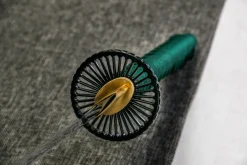
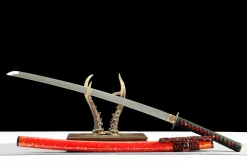
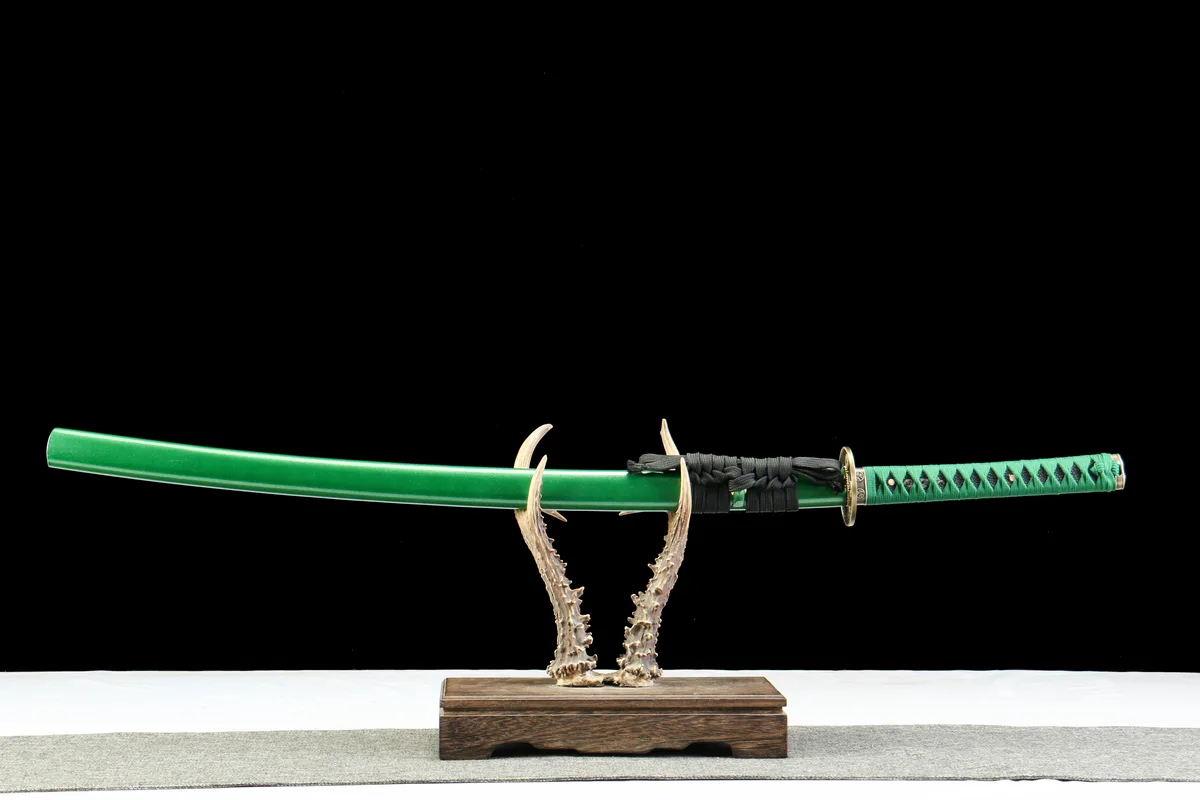
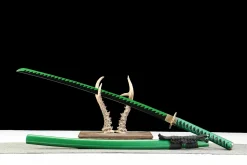
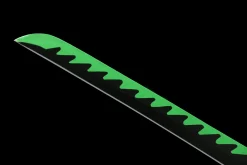
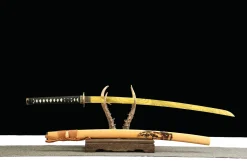
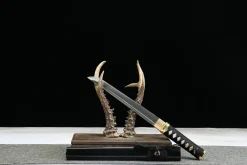
The Jade Hunt (翠狩) is an entry-level shinogi-zukuri katana that punches well above its price point, pairing a specially processed 1045 carbon steel blade with a striking green aohada bark wood saya that evokes the colour of deep forest jade. Forged in Longquan — the world’s oldest sword-making city with over 2,600 years of continuous tradition — this katana delivers a balanced, confidence-inspiring draw for practitioners and first-time owners alike. Its standout feature is that luminous green bark-wood sheath, making the Jade Hunt one of the most visually distinctive mid-range katana in its class.
Specifications
| Blade Steel | 1045 Carbon Steel, Special Process |
| Total Length | 103.0 cm / 40.6 inches |
| Blade Length | 72.0 cm / 28.3 inches |
| Blade Width | 3.2 cm |
| Weight | 950 g / 33.5 oz (net) |
| Heat Treatment | Oil Quench & Temper |
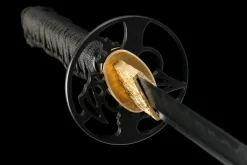
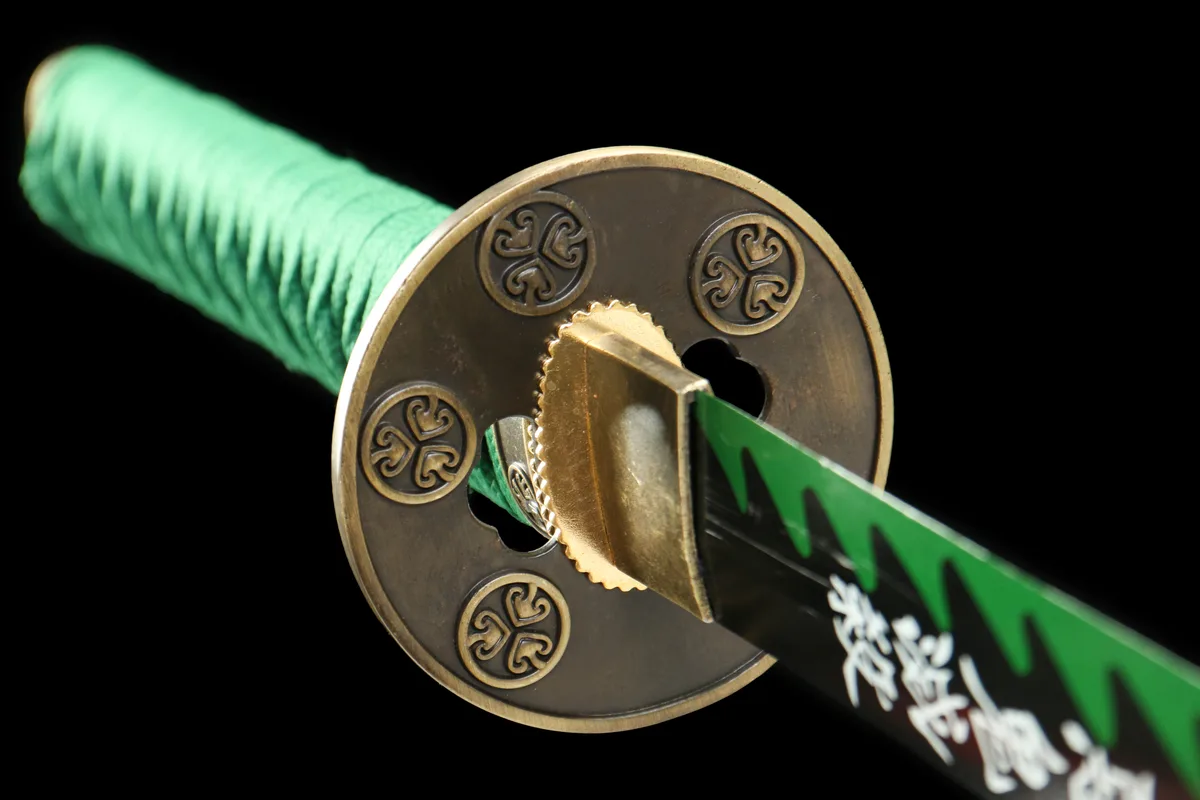
| Fittings | Zinc Alloy |
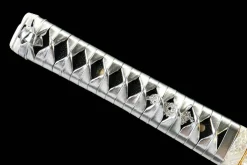
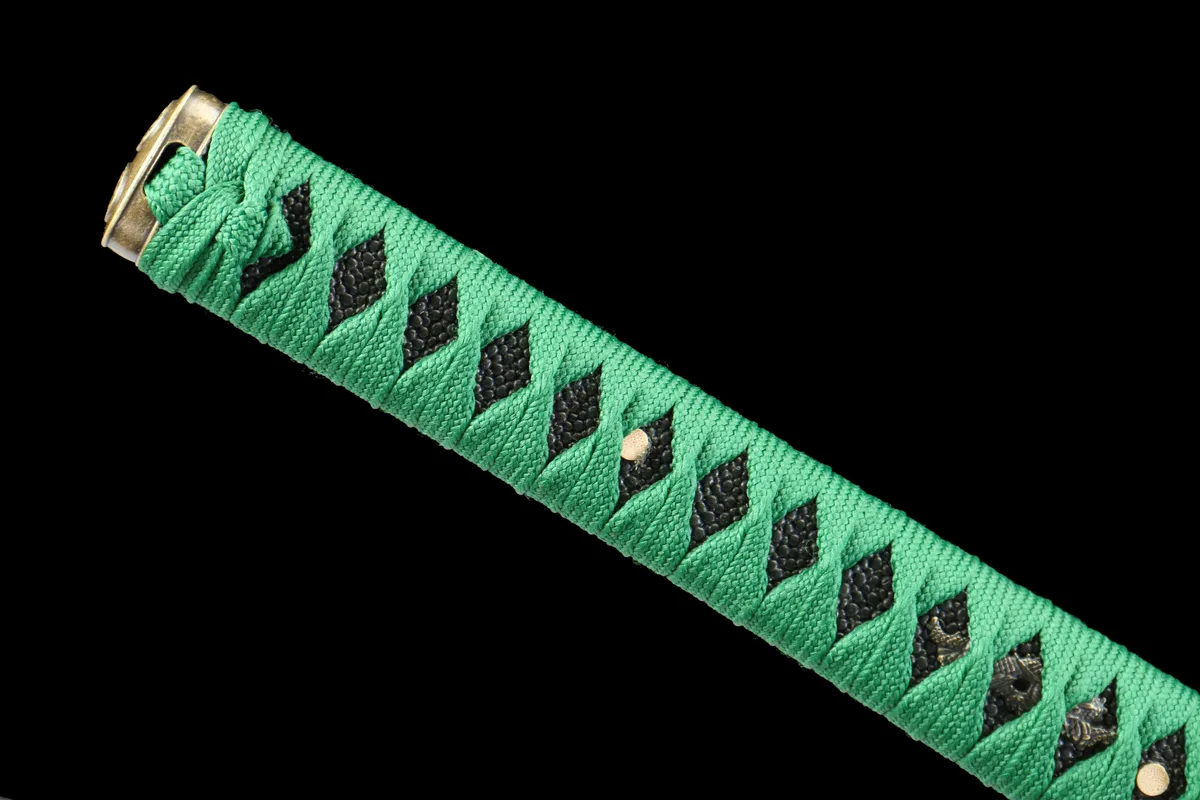
| Handle | Cotton Ito Wrap |
| Sheath | Green Bark Wood (Aohada) |
Craftsmanship & Materials
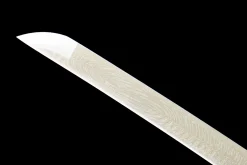
1045 carbon steel sits at the reliable, forgiving end of the high-carbon spectrum — containing approximately 0.45% carbon — which gives the Jade Hunt’s blade a sturdy spine that resists lateral shock while still taking a workable cutting edge. The “special process” designation means Longquan’s smiths have refined the stock through additional normalising cycles before the final oil quench and temper, resulting in a blade with more consistent grain structure than standard mill-run 1045. For a sword priced at $140, that extra step matters enormously when you’re delivering your first thousand practice cuts.
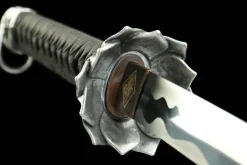
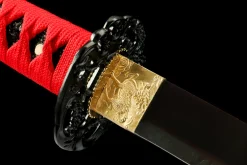
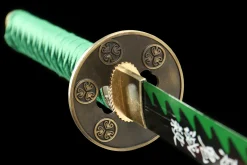
The shinogi-zukuri profile — the classic ridgeline geometry shared by virtually every battle-proven Japanese katana — gives the Jade Hunt excellent blade geometry for both cutting and controlled tameshigiri practice. The tsuka is wound in cotton ito over a traditional grip core, providing a secure two-handed hold during suburi. While the zinc alloy fittings on the tsuba and habaki are a budget-appropriate choice at this price tier, they are neatly finished and will serve the casual practitioner or display enthusiast well.
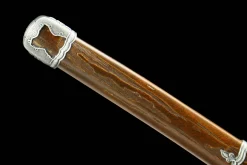
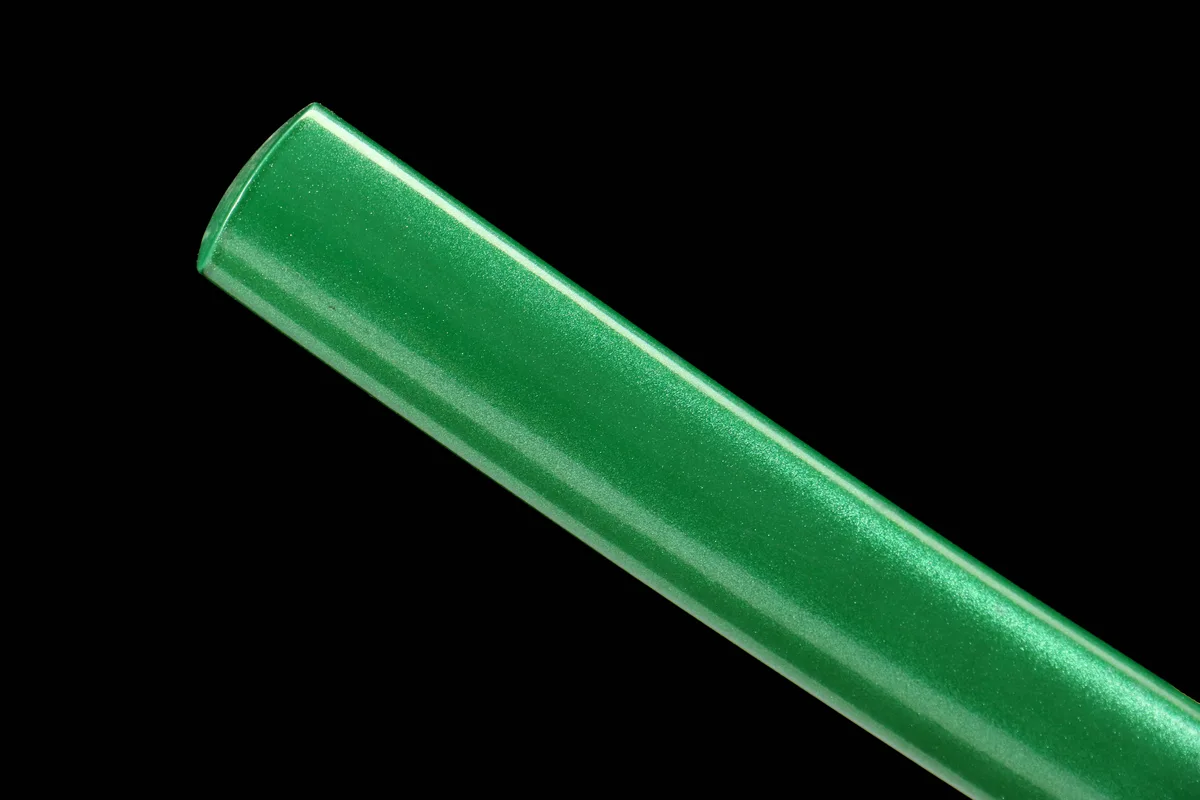
The piece de résistance is the saya crafted from aohada bark wood, stained a deep, cool green that earns this sword its name. The natural wood construction protects the blade effectively while the polished lacquered surface catches light in a way that synthetic scabbards simply cannot replicate. Slipping the Jade Hunt from its green saya is a genuinely satisfying ritual that belies the sword’s accessible price.
Perfect For
- Beginner iaido and iaijutsu students seeking a well-proportioned functional katana to learn draw-and-cut fundamentals without a large upfront investment.
- Display and decorative collectors who want a visually striking piece — the green saya makes an immediate impression on any wall mount or sword stand.
- Gift buyers looking for an authentic Longquan-forged katana at a mid-range price point that will genuinely delight a history enthusiast or martial arts practitioner.
Care & Maintenance
1045 carbon steel is moderately reactive and should be wiped dry after every handling session, then lightly coated with choji oil or a neutral mineral oil to prevent surface oxidation. Avoid storing the blade in the saya for extended periods in humid environments, as moisture trapped against the wood can accelerate rust on carbon steel. A monthly inspection of the blade surface and a fresh oil application will keep the Jade Hunt in pristine condition for years.
Frequently Asked Questions
What is 1045 carbon steel and is it good for a katana?
1045 carbon steel contains approximately 0.45% carbon, placing it at the lower end of high-carbon steel. It is tough, resistant to chipping, and relatively easy to sharpen, making it a practical choice for entry-level functional katanas. The Jade Hunt uses a special process treatment to improve edge retention beyond standard 1045. While it won’t hold an edge as long as 1065 or 1095 steel, it is a solid, beginner-friendly option at its price point.
What does the green Aohada wood sheath on the Jade Hunt mean?
Aohada (青肌) refers to green bark wood used for the Jade Hunt’s saya (sheath). This natural wood finish gives the scabbard a distinctive organic texture and earthy green color that pairs thematically with the sword’s ‘Jade Hunt’ name. The wood sheath protects the blade during storage and transport while adding an aesthetic character rarely seen at this price tier. It is both functional and visually distinctive.
Is the Jade Hunt katana battle ready for cutting practice?
The Jade Hunt is a functional katana suitable for light tameshigiri (test cutting) on soft targets such as tatami mats or pool noodles. Its 1045 carbon steel blade, oil-quench heat treatment, and full-length construction make it capable of real cutting. However, buyers should note that 1045 steel is softer than 1065 or 1095, so it is best suited for beginners or casual cutters rather than demanding martial arts training.
Is the Jade Hunt a good katana for $140?
At $140, the Jade Hunt offers genuine functional value: a carbon steel blade, proper shinogi-zukuri (ridgeline) geometry, cotton ito handle wrap, and a distinctive Aohada wood sheath. The main trade-off at this price is zinc alloy fittings rather than brass or copper, and 1045 steel rather than higher-carbon alternatives. For beginners seeking a first functional katana without a large investment, the Jade Hunt represents a reasonable entry point.
| Weight | 1.2 lbs |
|---|---|
| Dimensions | 103.0 × 3.2 × 0.7 in |
| Sword Type | Katana |
| Blade Steel | 1045 Carbon Steel |
| Total Length | 103.0 cm |
| Blade Length | 72.0 cm |
| Heat Treatment | Oil Quench & Temper |
| Handle Wrap | Cotton Ito Wrap |
| Sheath Material | Green Bark Wood (Aohada) |
| Fittings | Zinc Alloy |
| Forging Style | Shinogi-Zukuri (Ridgeline) |
Related products

1065 Carbon Steel

Anime & Pop Culture
Ghost of Tsushima – Hand Forged T10 Tool Steel Wakizashi Sword

1045 Carbon Steel
1065 Carbon Steel

1065 Carbon Steel

1065 Carbon Steel