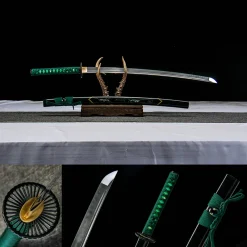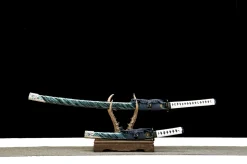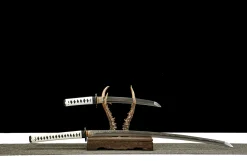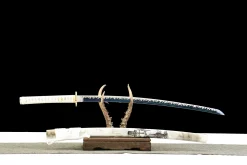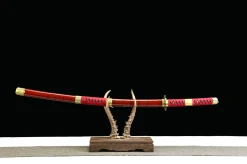
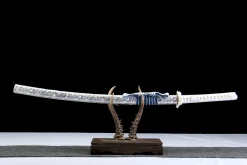




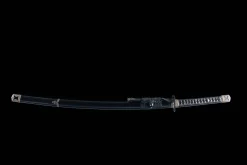
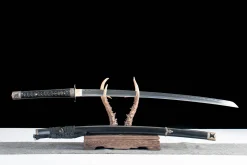

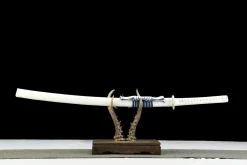

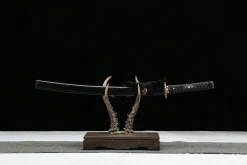



Steel Moon – Hand Forged 1065 Carbon Steel Katana Sword
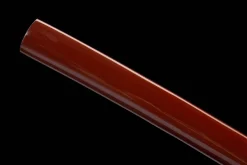
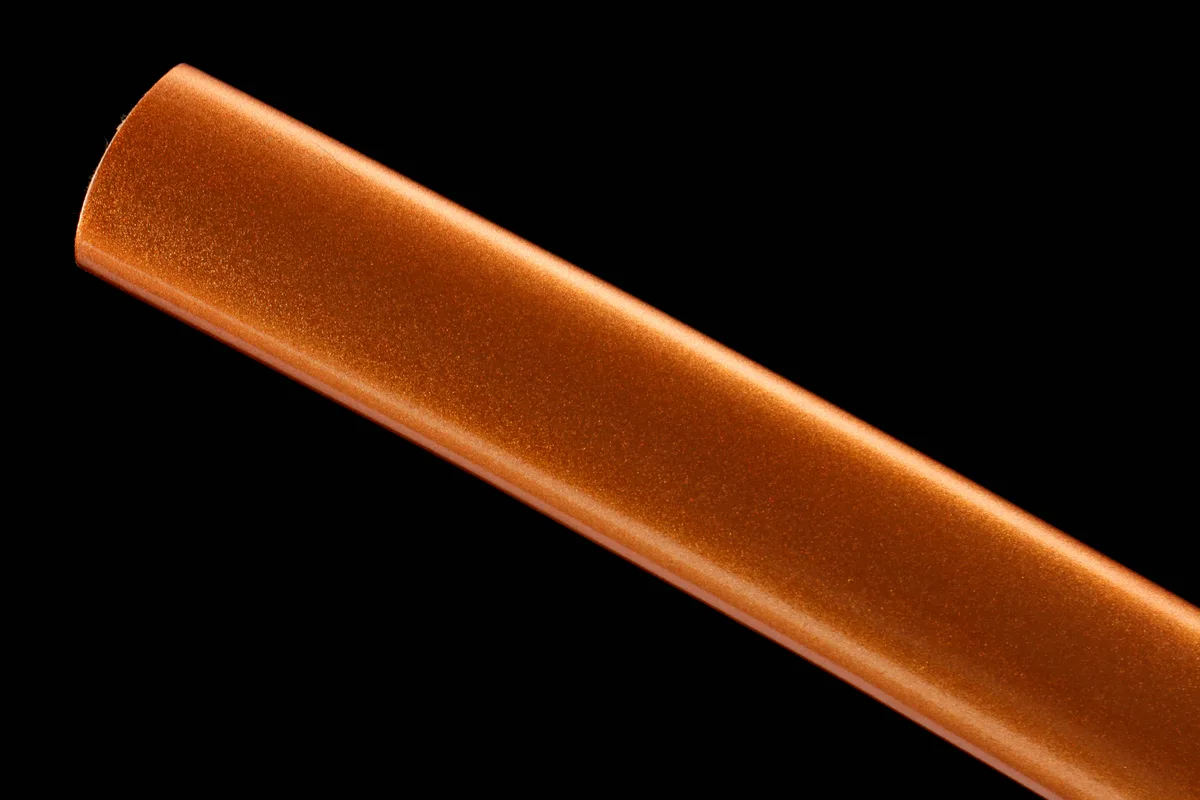
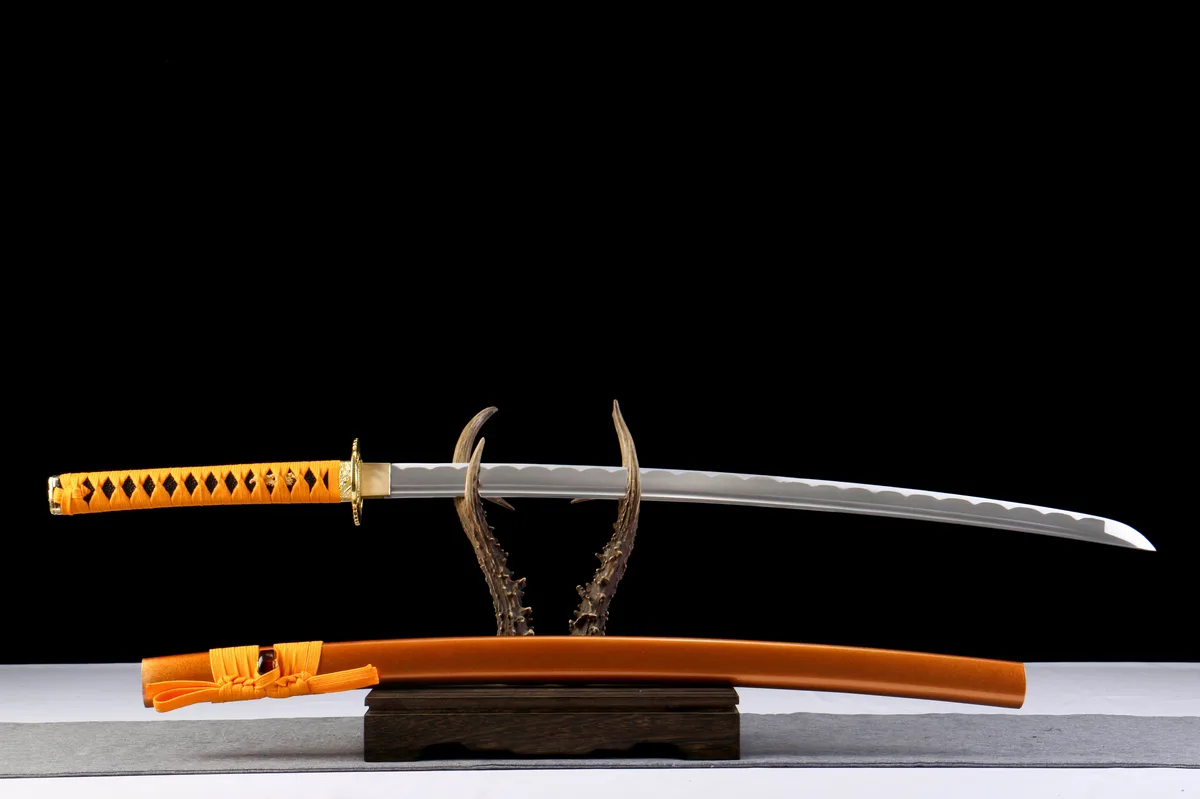
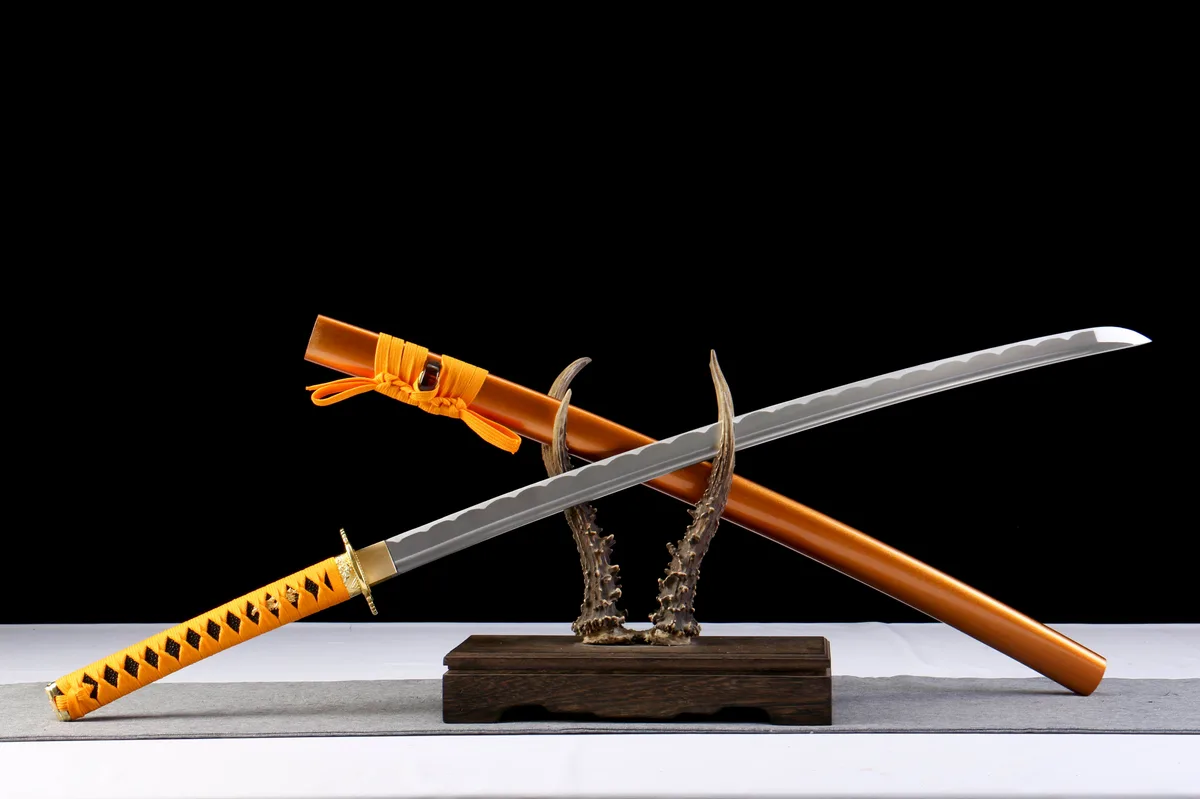
Hand-forged 1065 Carbon Steel katana (102cm total / 72cm blade), crafted in Longquan. Full-tang construction with traditional fittings and hand-lacquered saya.
$219.99
Steel Moon – Hand Forged 1065 Carbon Steel Katana Sword
There is a particular quality to a 1065 blade that has been through a muffle furnace constant-temperature hardening cycle – a clarity to the edge, a consistency in how it behaves under load that you do not get from shortcuts in the heat treatment process. The Steel Moon is built on that foundation. It is a katana with a 72 cm shinogi-zukuri blade, iron fittings, a cotton ito handle, and no claims it cannot back up.
Specifications
| Blade Steel | 1065 High Carbon Steel |
| Total Length | 102.0 cm / 40.2 in |
| Blade Length | 72.0 cm / 28.3 in |
| Blade Width | 3.2 cm |
| Blade Thickness | 0.7 cm |
| Weight | 1040 g / 36.7 oz |
| Heat Treatment | Muffle furnace constant-temperature heat treatment |
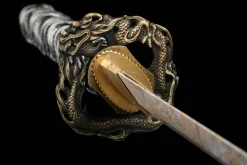
| Fittings | Iron |
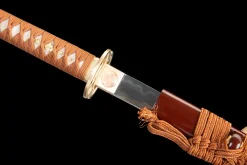
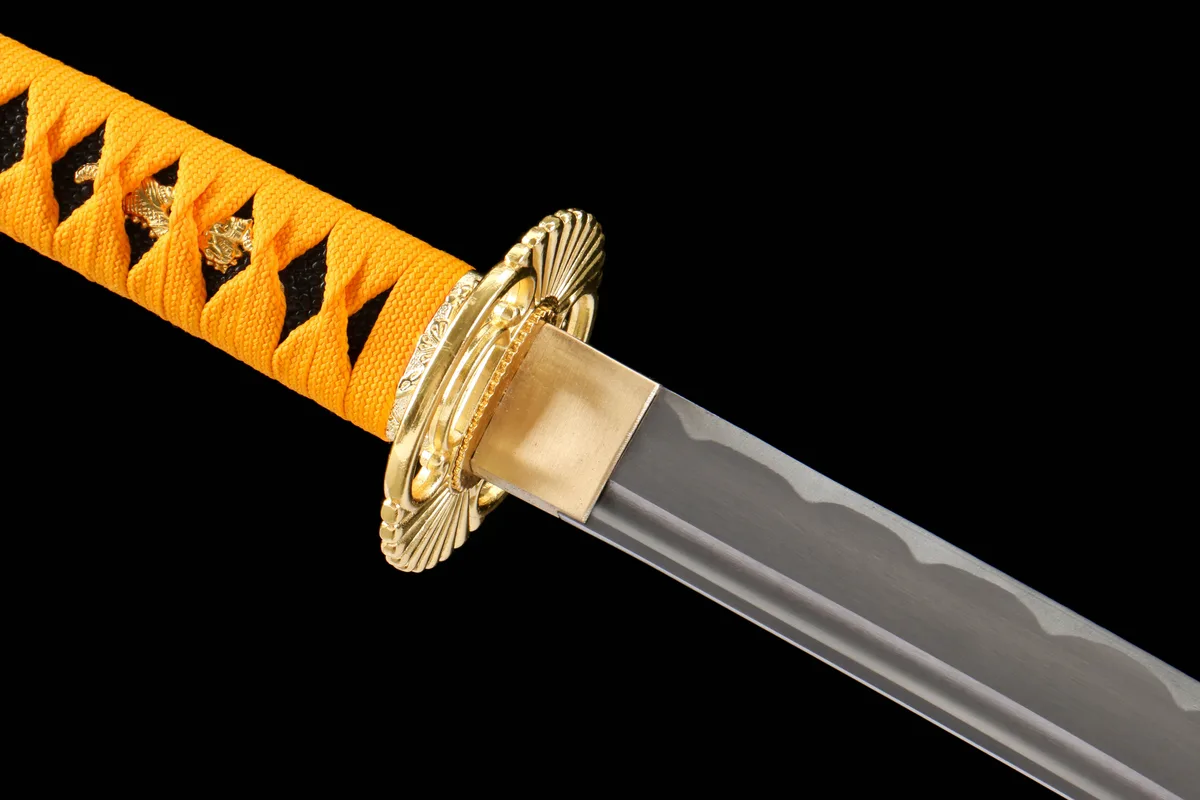
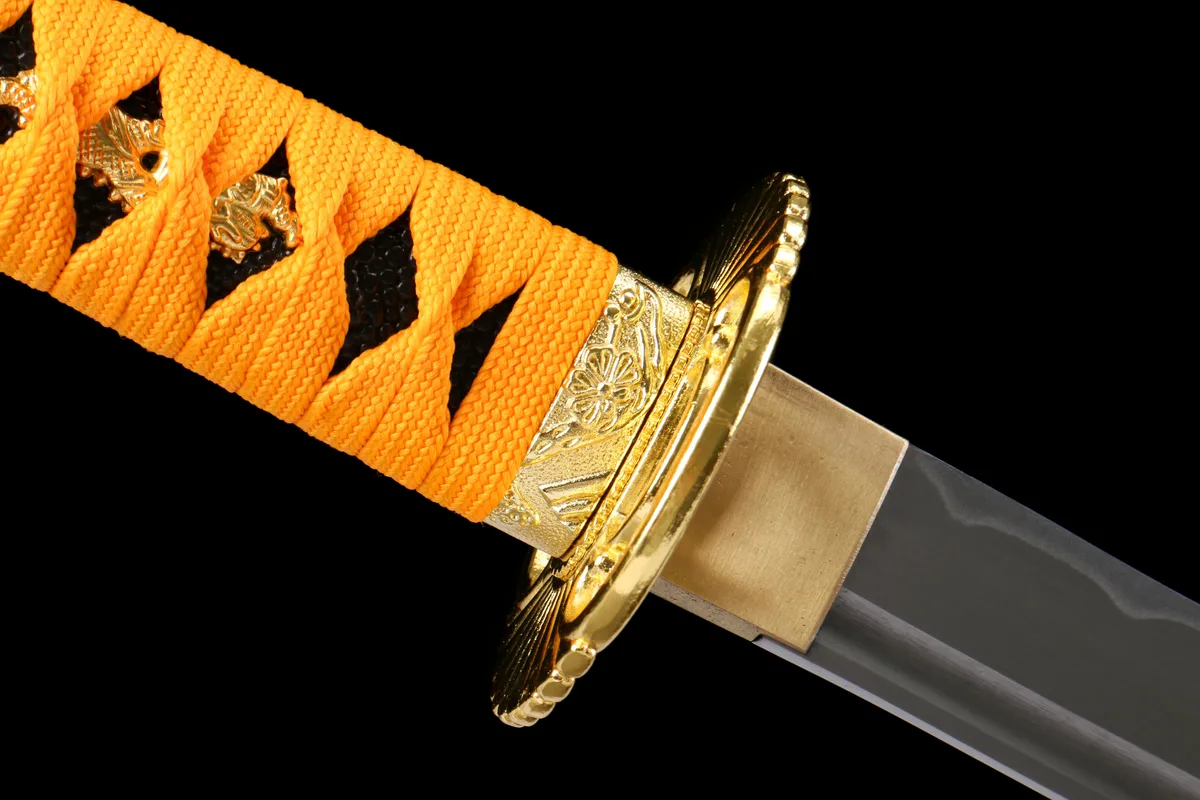
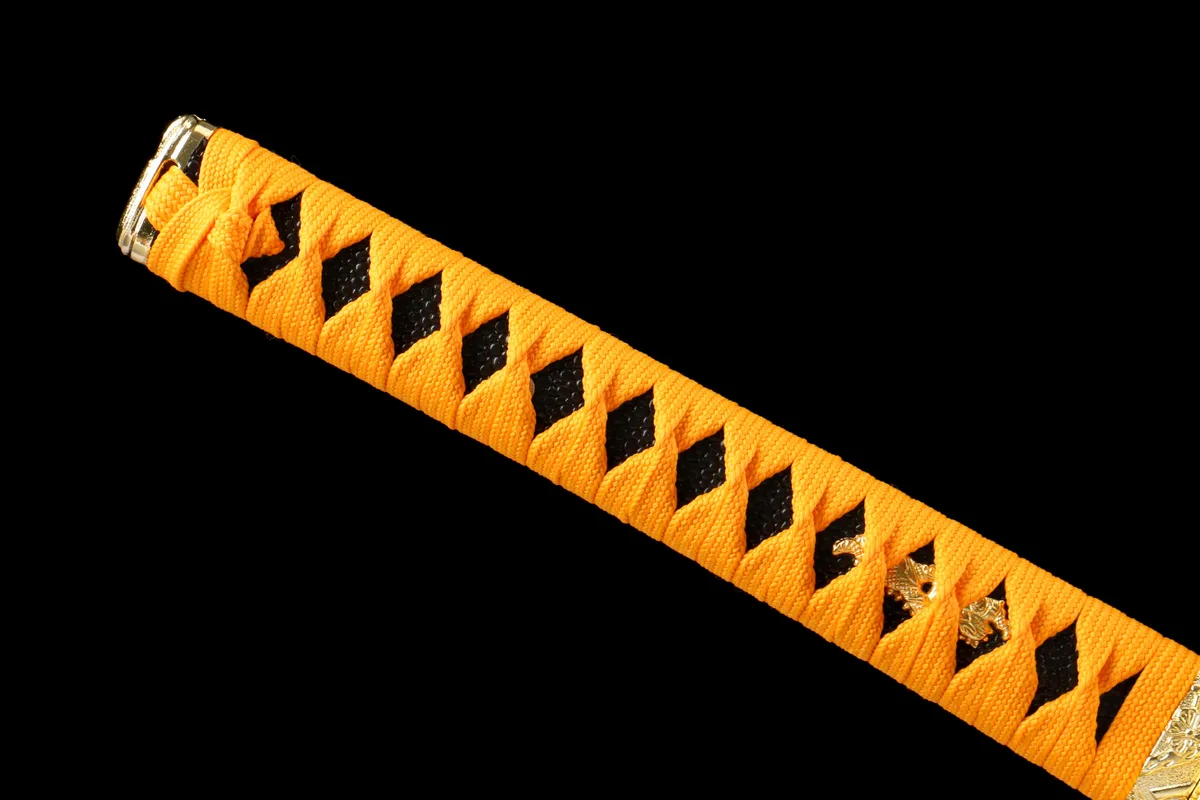
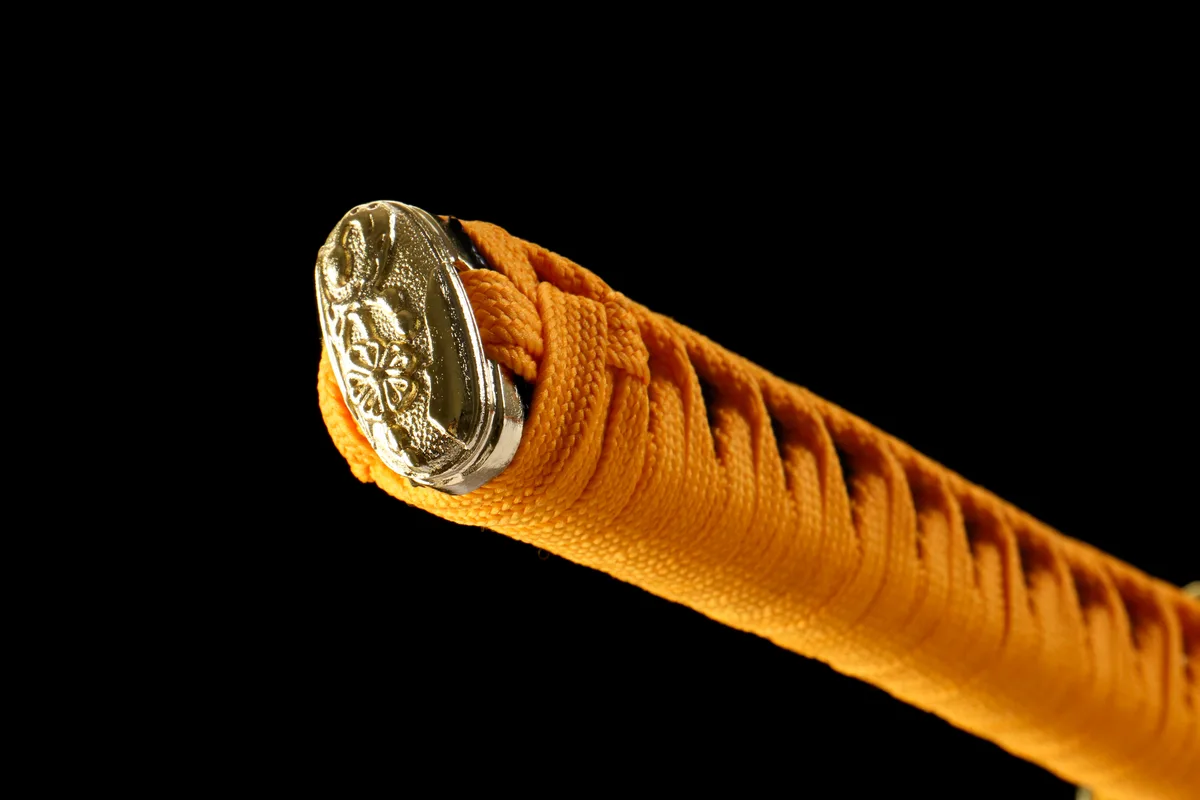
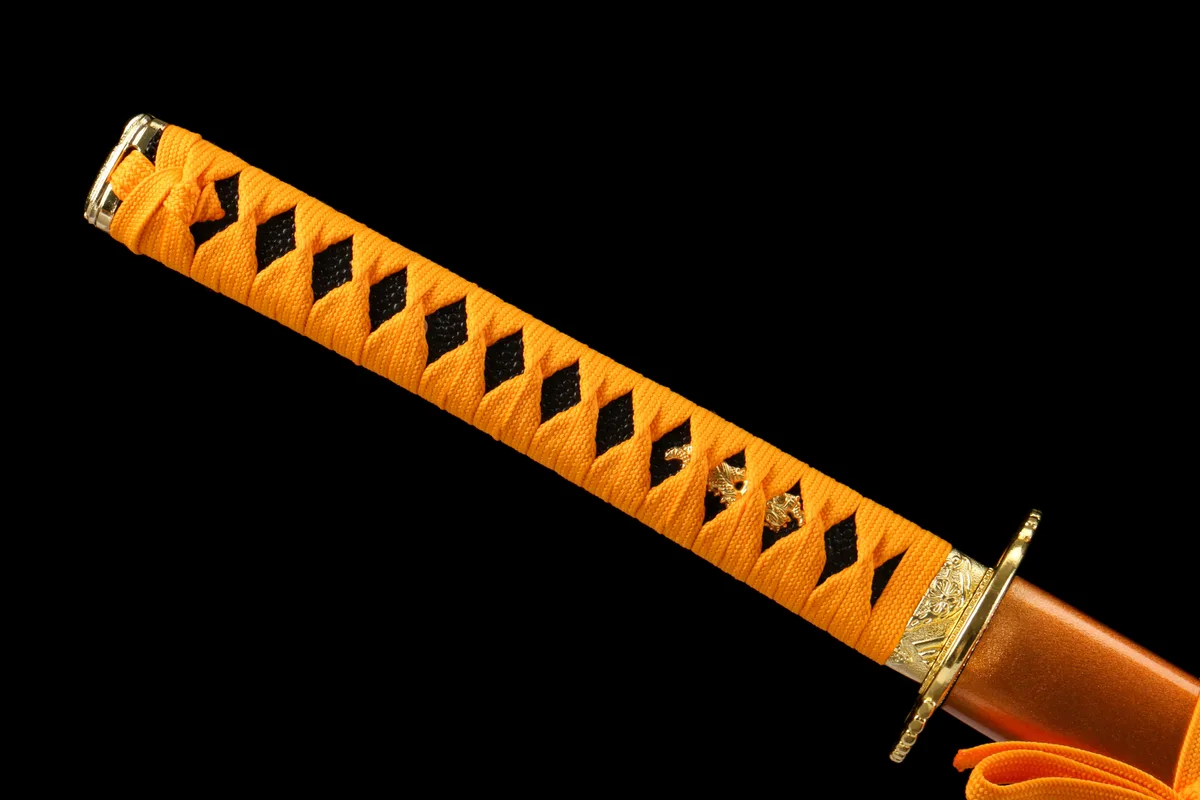
| Handle | Cotton ito wrap over genuine rayskin (same) |
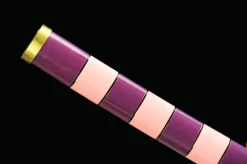
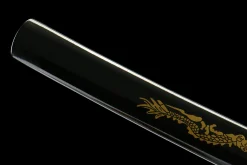
| Sheath | Hardwood, high-gloss lacquer |
What the Steel Does
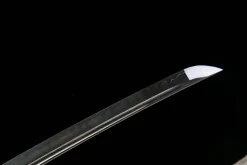
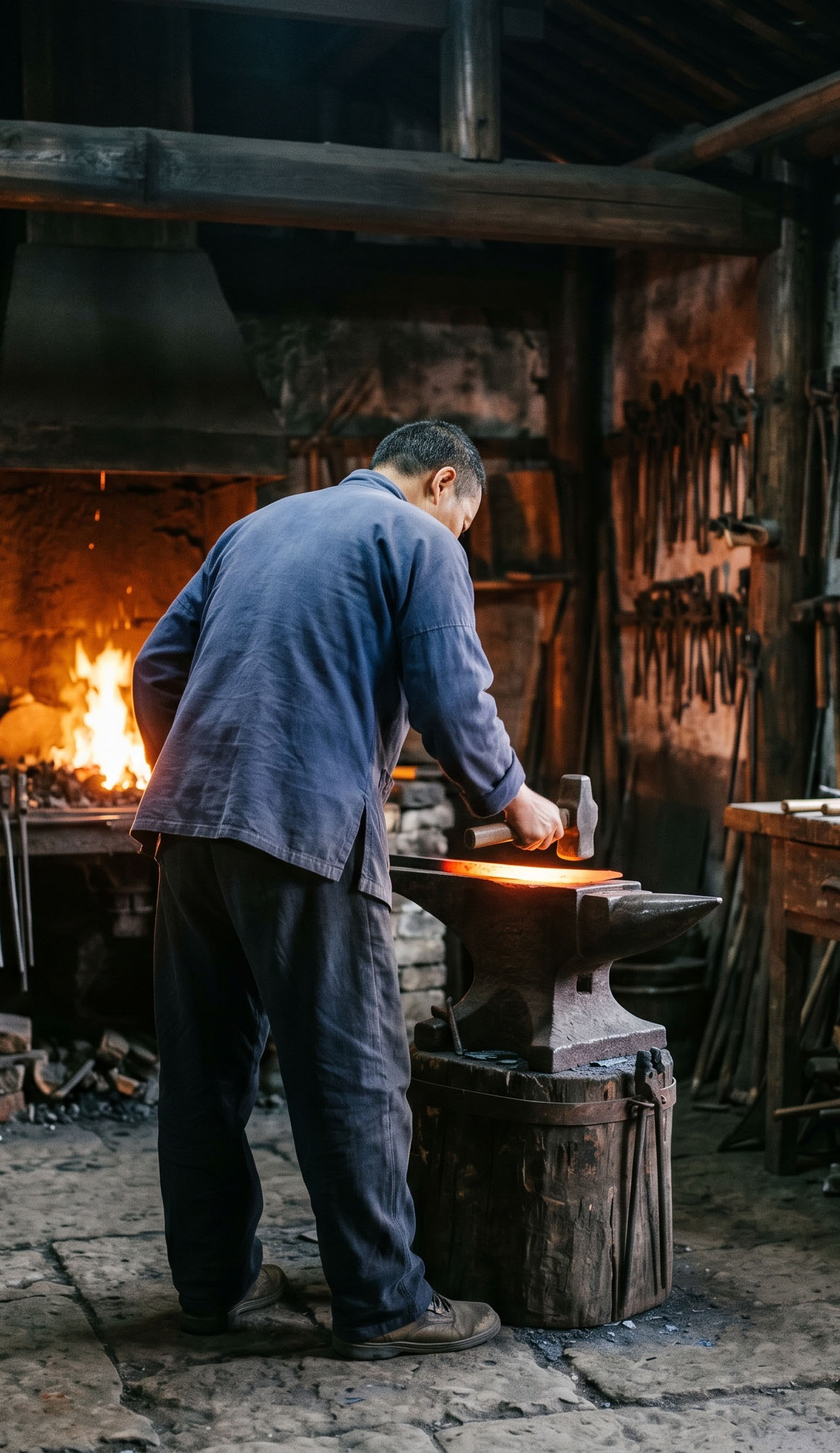
1065 high carbon steel is the practical choice for a functional katana intended for real work. At roughly 0.65% carbon, it hardens to a range that holds a keen edge through repeated use without the brittleness that comes with higher-carbon steels. The key variable is not just the steel composition – it is how that steel is treated. The 马沸炉 恒温热处理 process (muffle furnace constant-temperature heat treatment) controls the hardening environment precisely: the blade is enclosed in a sealed muffle chamber, isolated from direct combustion, and brought to a stable uniform temperature before quenching. The result is consistent hardness from the kissaki (tip) to the habaki (blade collar), without the hard and soft zones that open-flame treatment can leave behind.
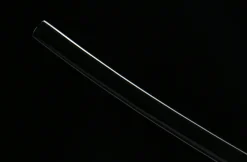
The shinogi-zukuri (ridgeline) profile is not decorative. The central ridge running the length of the blade creates a structural cross-section that resists bending along the plane of the cut. The 3.2 cm width and 0.7 cm spine thickness are matched to the edge geometry in a way that provides real mass behind the edge where it matters, tapering to a geometry that enters a target cleanly rather than pushing through it.
The Feel of It
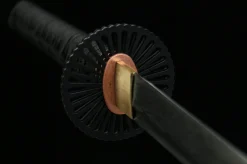
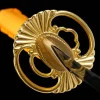
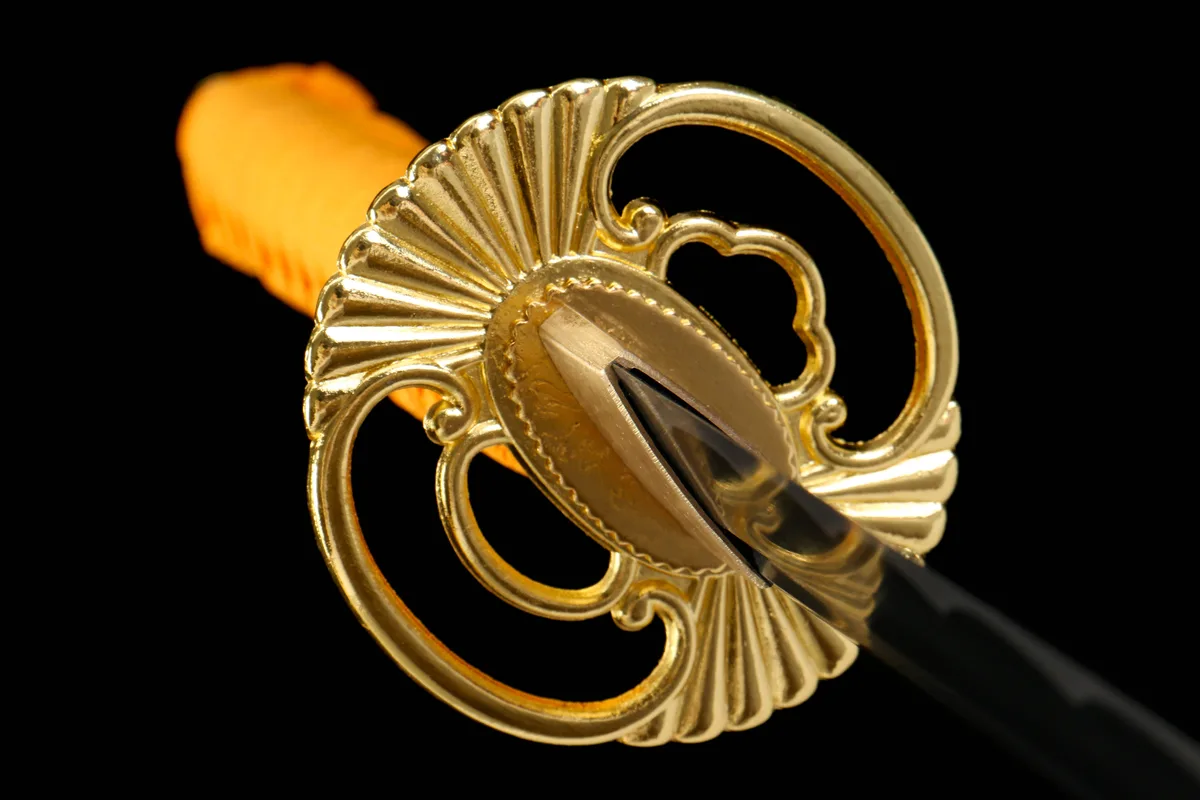
The full 26 cm tsuka (handle) gives you purchase – both hands seated, the rear hand anchoring and the lead hand directing, with no part of either hand unsupported. The same (rayskin) base layer under the cotton ito wrap is not cosmetic; the raised nodules of genuine rayskin press through the wrap under grip pressure and lock your hands in position in a way that smooth wood or synthetic materials cannot replicate. Pull the Steel Moon from its high-gloss hardwood saya and the draw is deliberate and straight – no side-play, no friction spike, just a clean 72 cm of blade emerging in a single committed motion. The iron tsuba stops your lead hand cleanly and adds an honest heft to the transition point between blade and handle.
Maintenance Notes
Wipe the entire blade surface with a clean dry cloth immediately after use and apply a light coat of choji oil (traditional clove-mineral oil used to protect carbon steel blades from oxidation) before storage. 1065 at this carbon level will develop surface rust quickly if left wet or unprotected, particularly in humid environments – the oiling step after every session is not optional. Inspect and reseat the mekugi (the bamboo peg that locks the tang into the handle) before any training session; a loose mekugi on a working katana is a safety issue.
| Weight | 1.32 lbs |
|---|---|
| Dimensions | 102.0 × 3.2 × 0.7 in |
| Hamon | Decorative / Acid-Etched |
| Blade Steel | 1065 Carbon Steel |
| Total Length | 102.0 cm |
| Blade Length | 72.0 cm |
| Heat Treatment | 马沸炉 恒温热处理 |
| Handle Wrap | Cotton Ito + Genuine Rayskin |
| Sheath Material | Hardwood (High-Gloss Lacquer) |
| Fittings | Iron |
| Forging Style | Shinogi-Zukuri (Ridgeline) |
Related products