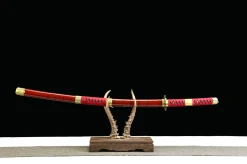

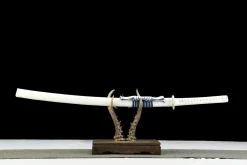

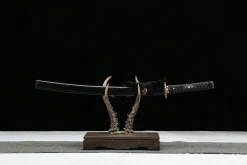





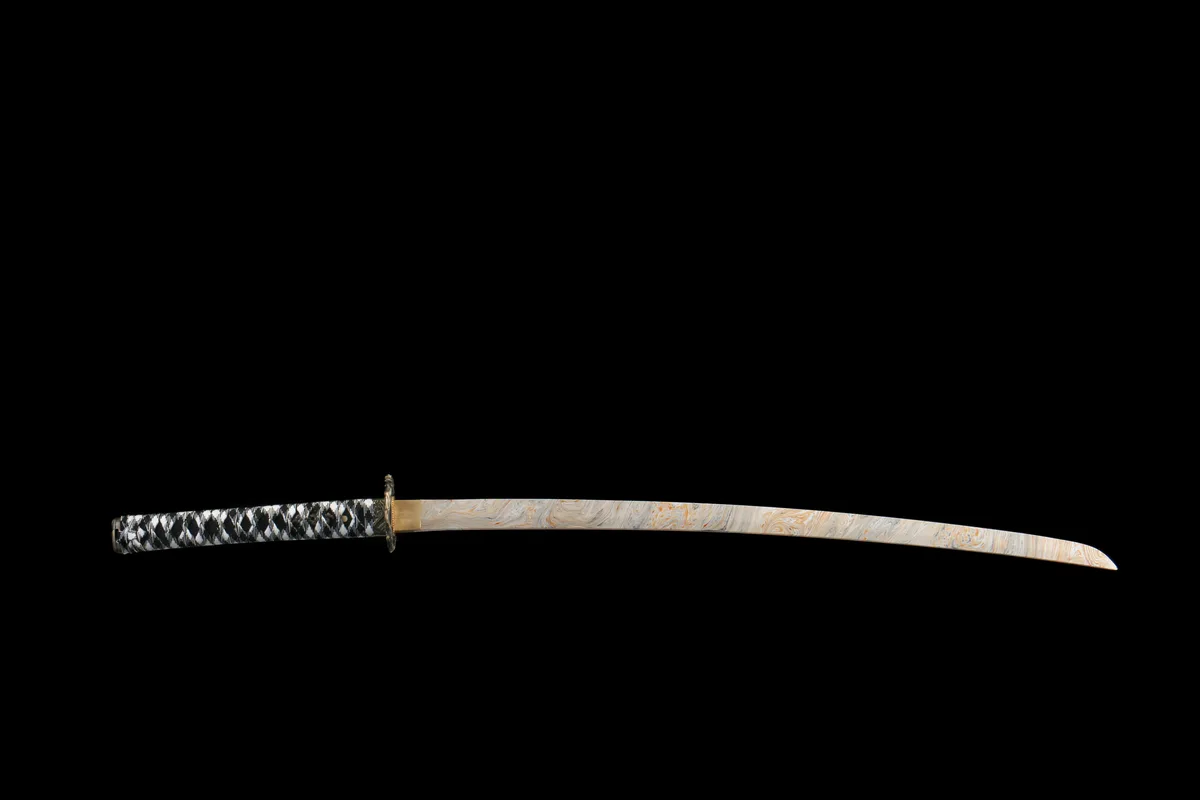
Thousand Transformations – Hand Forged 1045 Carbon Steel Katana Sword
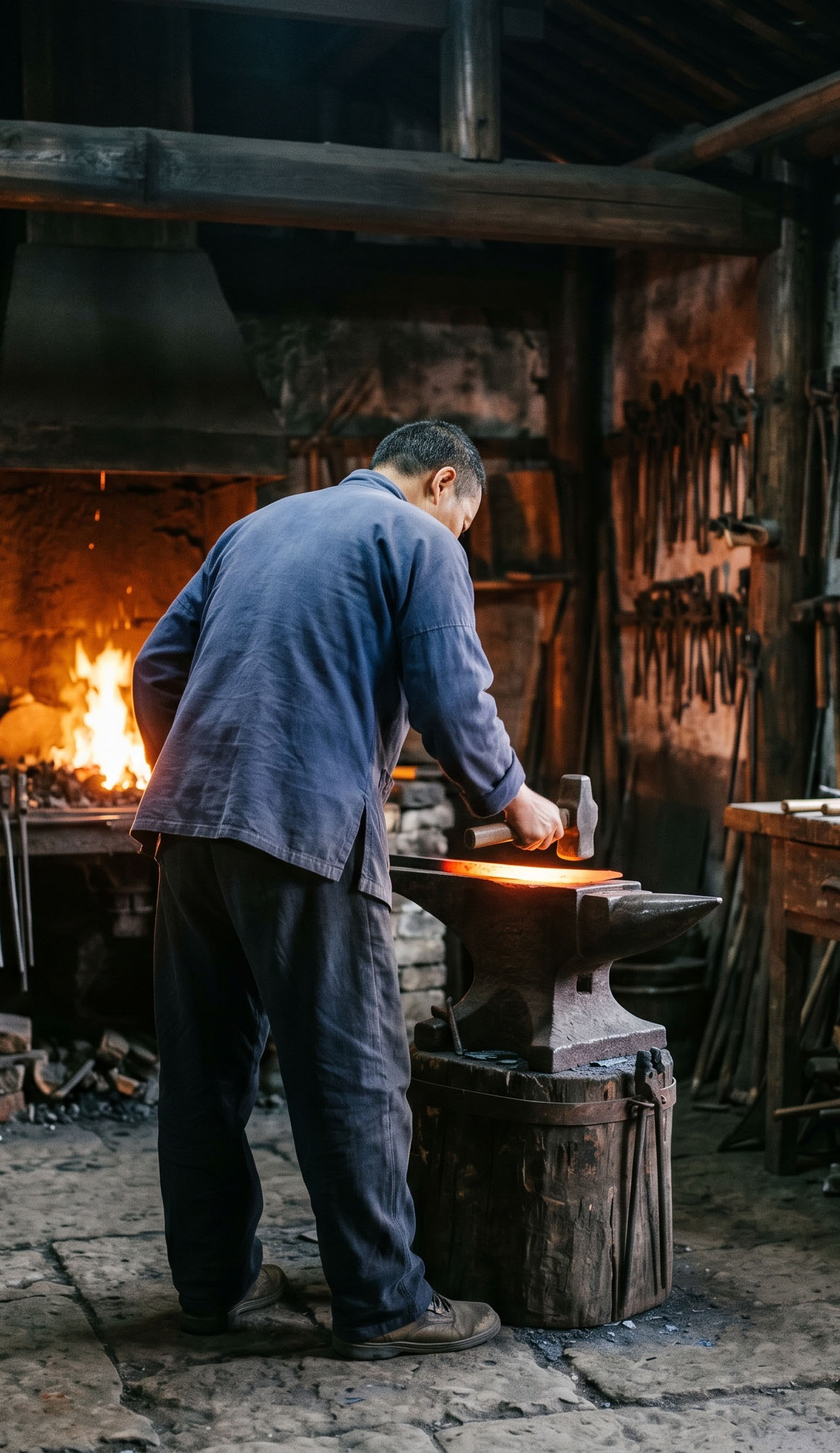
Hand-forged 1045 Carbon Steel katana (102cm total / 72cm blade), crafted in Longquan. Full-tang 1045 carbon steel, hand-fitted koshirae, ready for practice cutting or display.
$179.99
Thousand Transformations – Hand Forged 1045 Carbon Steel Katana Sword
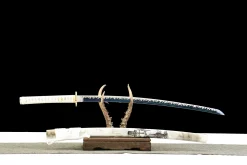
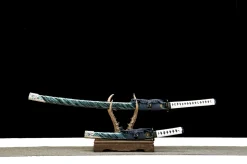
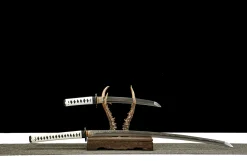
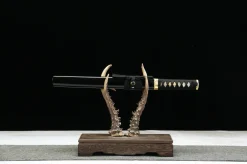
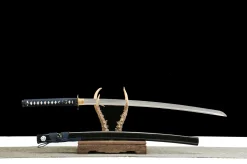
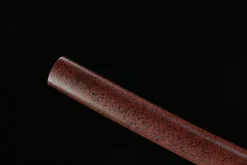
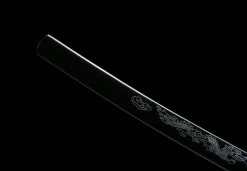
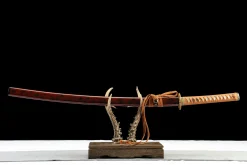
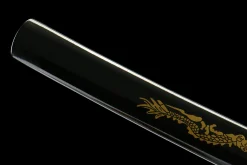
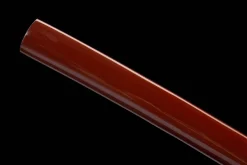
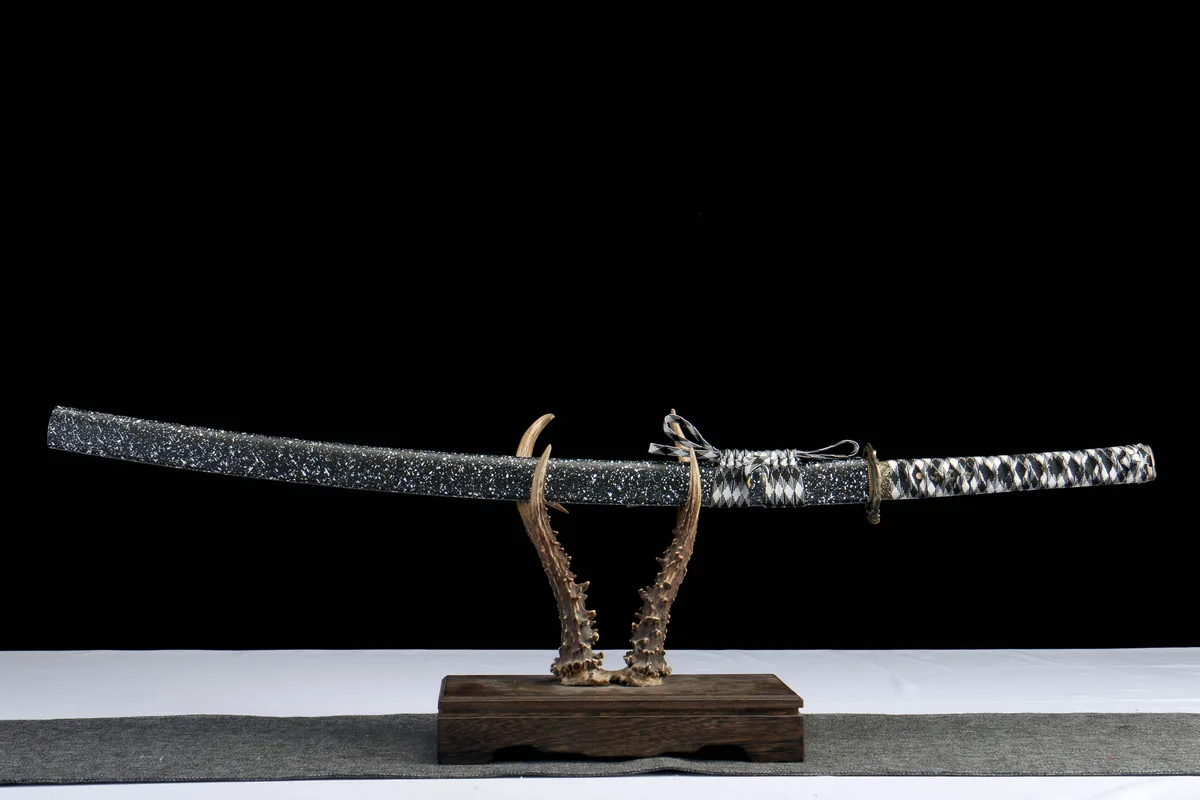
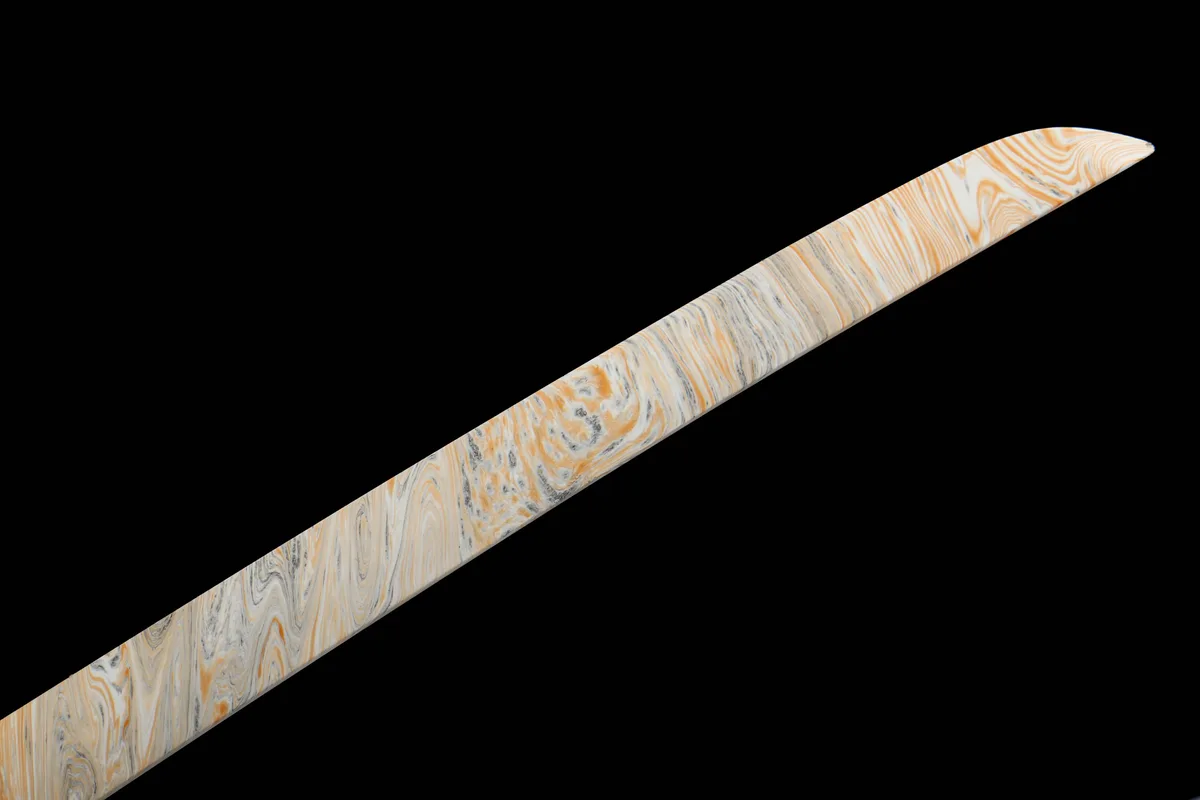
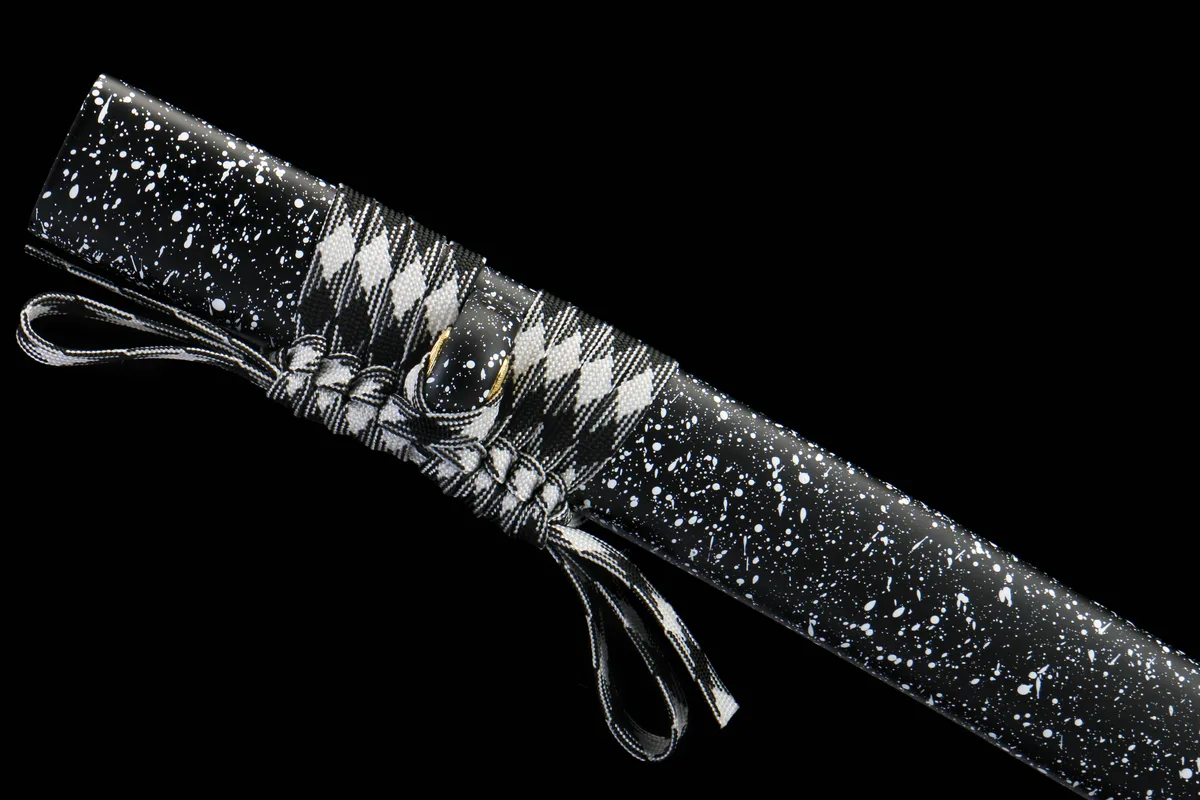
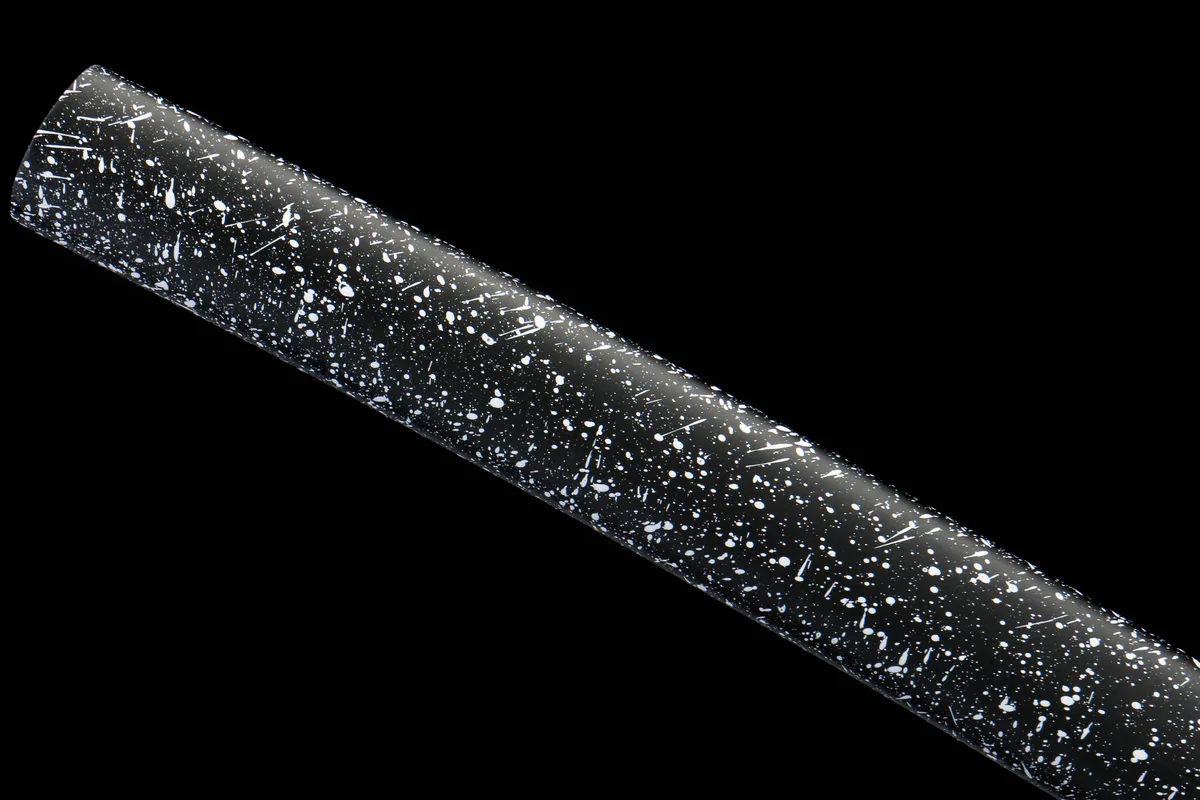
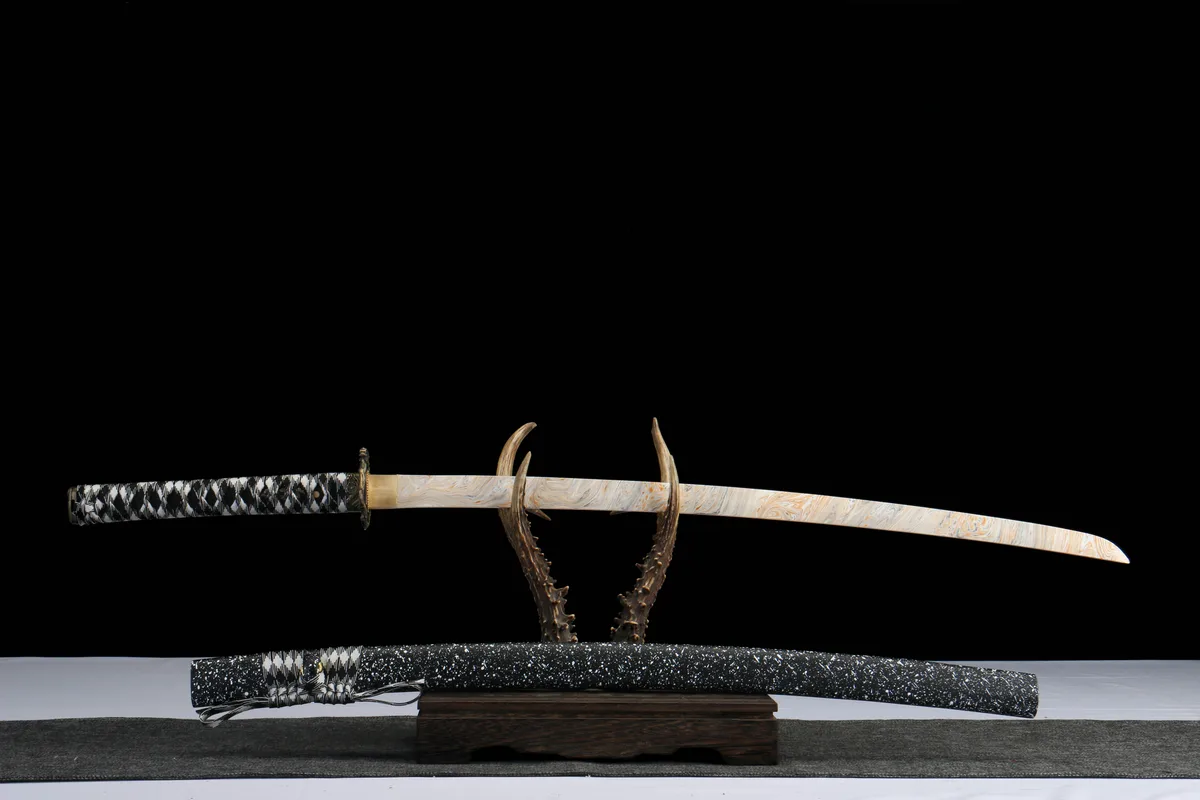
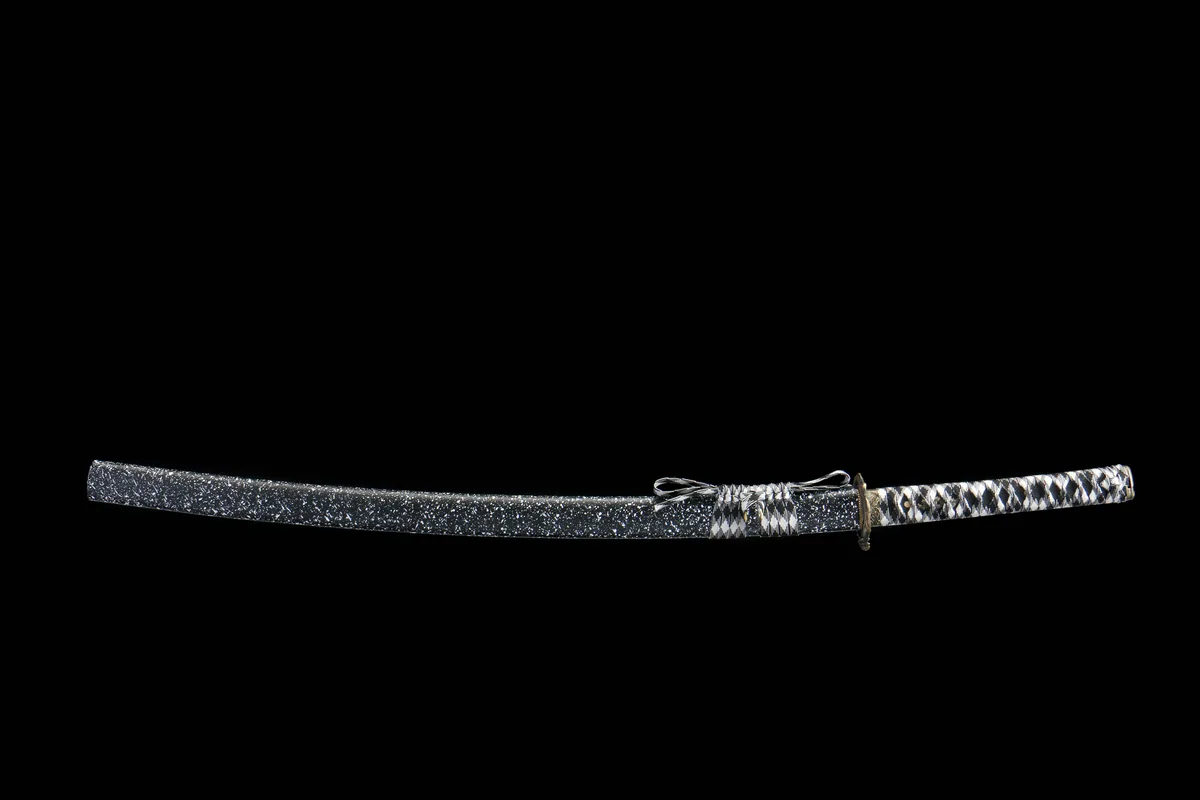
千机变 – Thousand Transformations. The name comes from an old idea: that a single object can hold infinite expressions depending on the light, the angle, the eye of the person looking. Mounted horizontally on a wall, this katana earns that name. The lacquered hardwood saya (scabbard) carries a deep piano-gloss finish that shifts from mirror to matte depending on where the light falls, and the shinogi-zukuri (ridged) blade profile reads clean and geometric against it.
Specifications
| Blade Steel | 1045 Carbon Steel, Special Process |
| Total Length | 102.0 cm / 40.2 in |
| Blade Length | 72.0 cm / 28.3 in |
| Blade Width | 3.2 cm |
| Weight | 1040 g / 36.7 oz |
| Heat Treatment | Temper |
| Fittings | Alloy |
| Handle | Cotton Ito Wrap |
| Sheath | Solid Wood Piano-Lacquer Finish |
The Steel
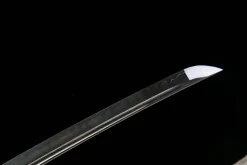
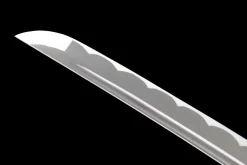
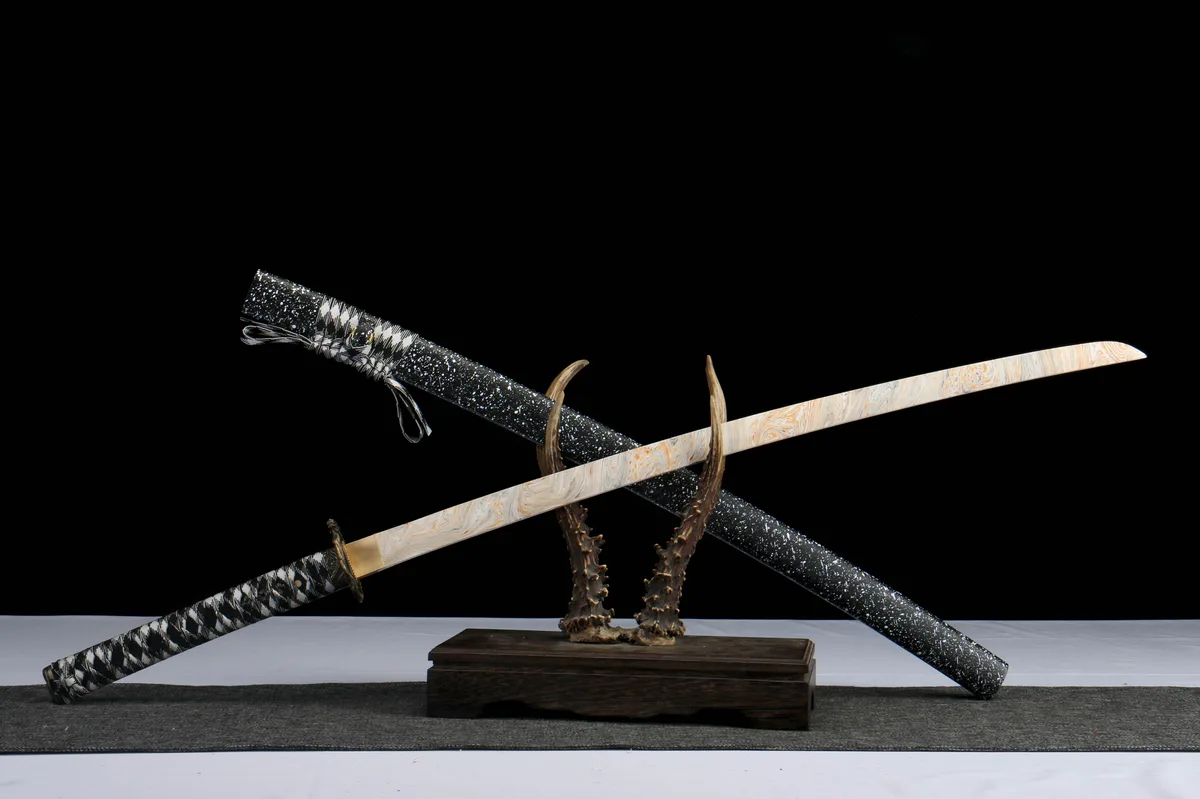
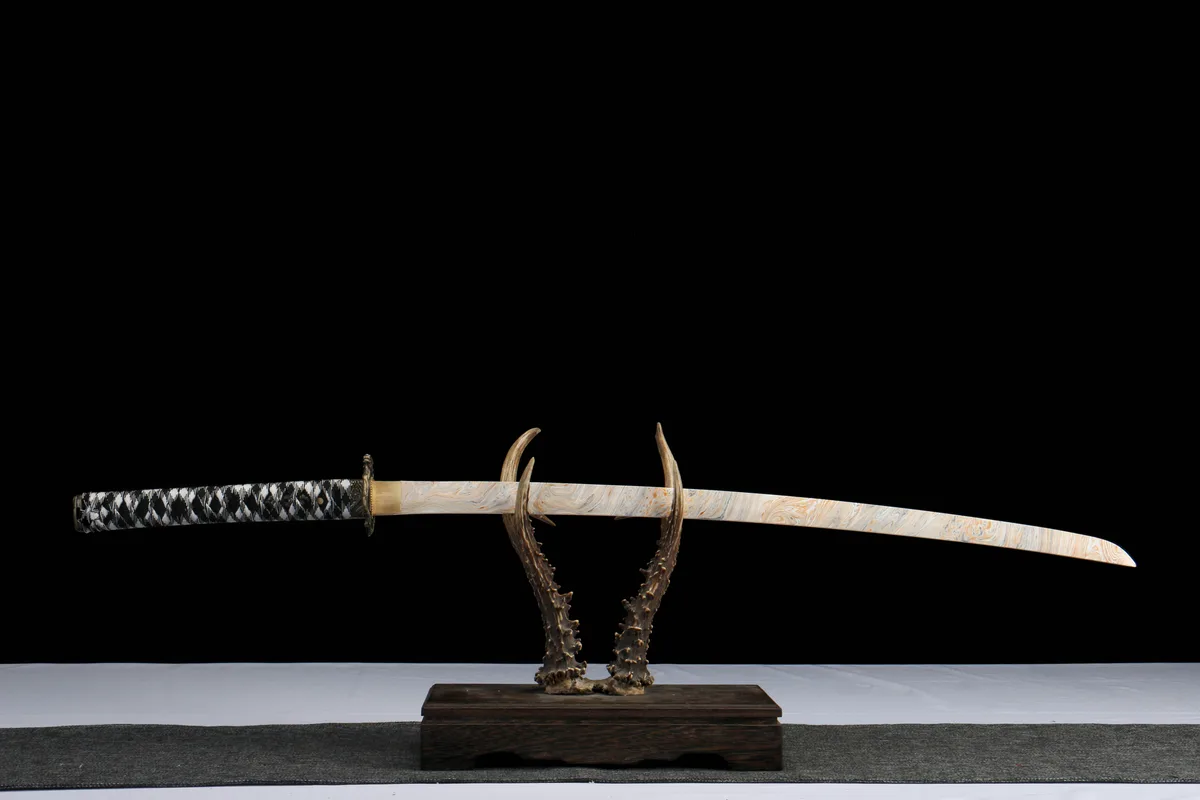
The blade is 1045 carbon steel worked through a special process that brings out a consistent surface finish across the shinogi-zukuri profile. That ridged geometry – the central shinogi line running the length of the blade – is what gives this katana its visual structure. It catches overhead light as a bright, traveling line. It disappears under ambient light into something flatter and more subdued. The blade does not look the same twice.
The 72 cm blade length sits at a classic tachi-nagasa proportion, long enough to fill a wall mount with genuine presence. The 3.2 cm width at the base gives the blade a confident silhouette without reading as oversized.
In Your Hands
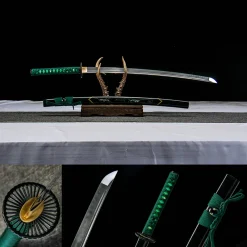
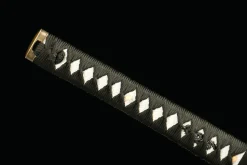
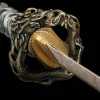
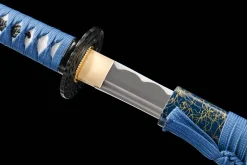
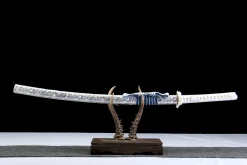
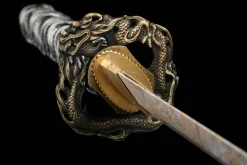
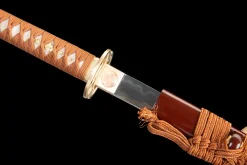
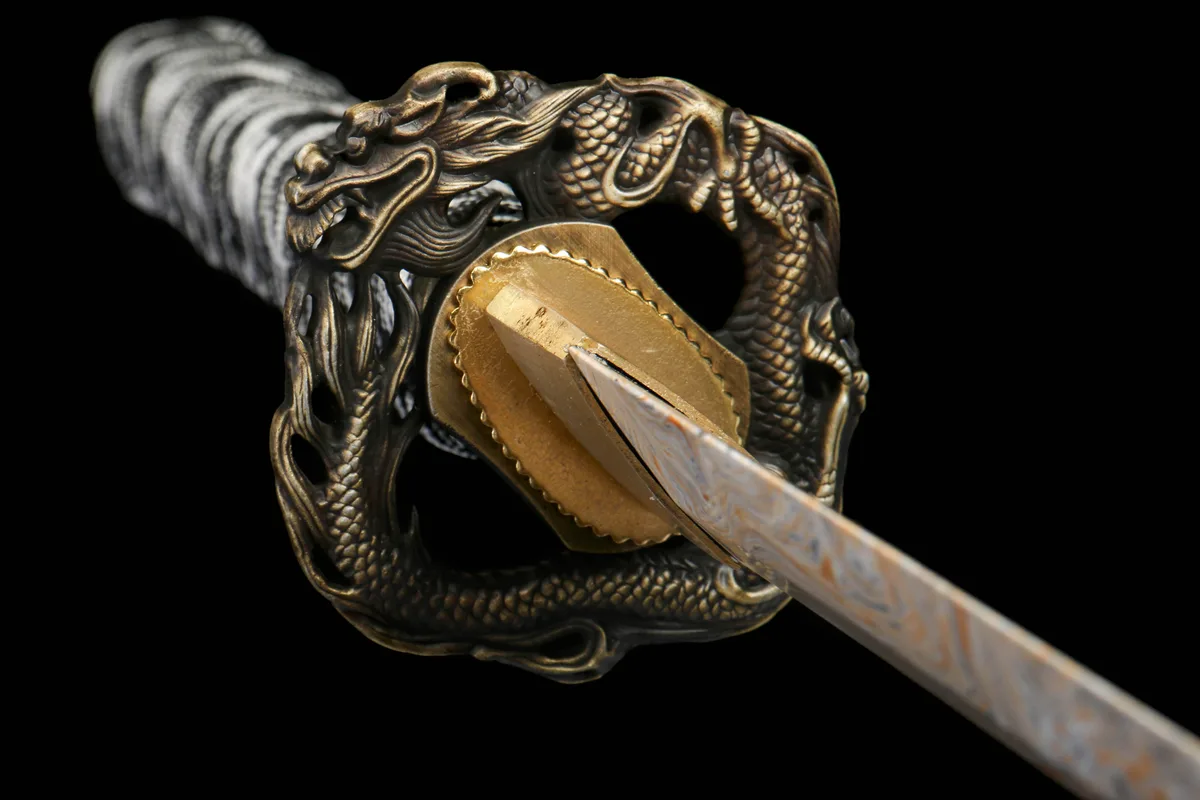
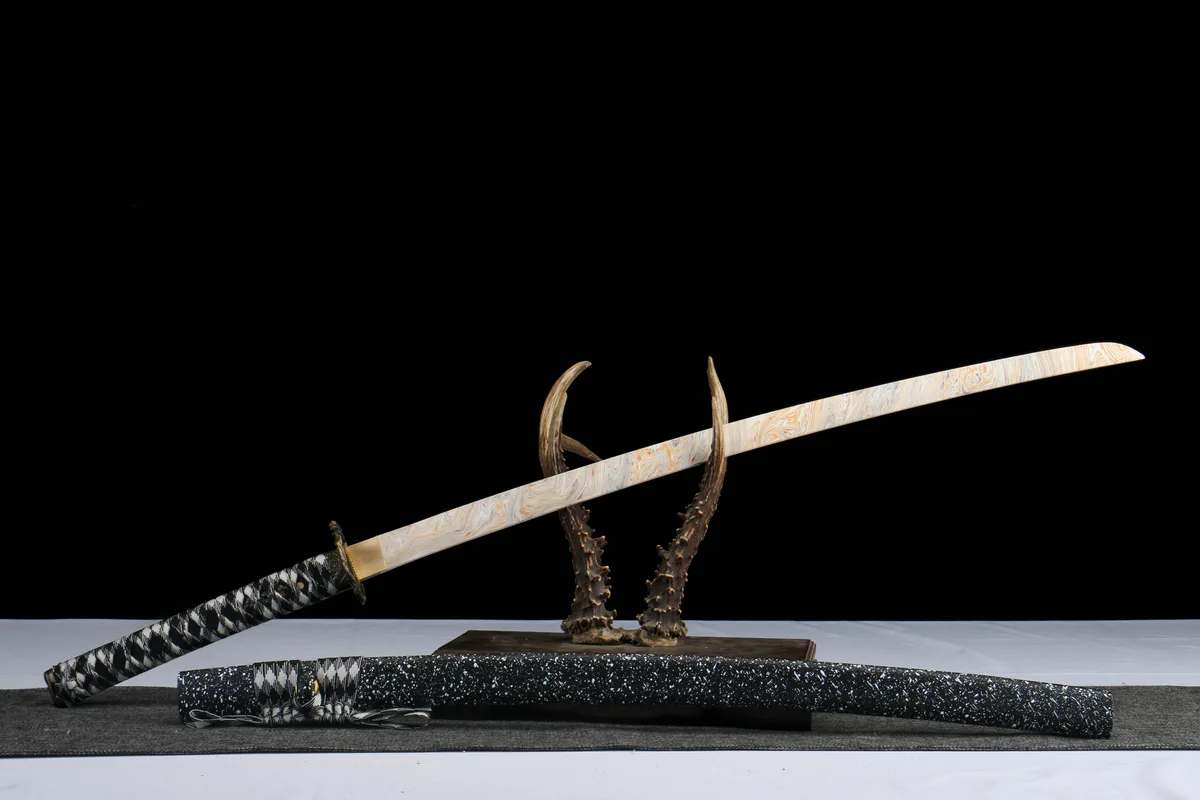
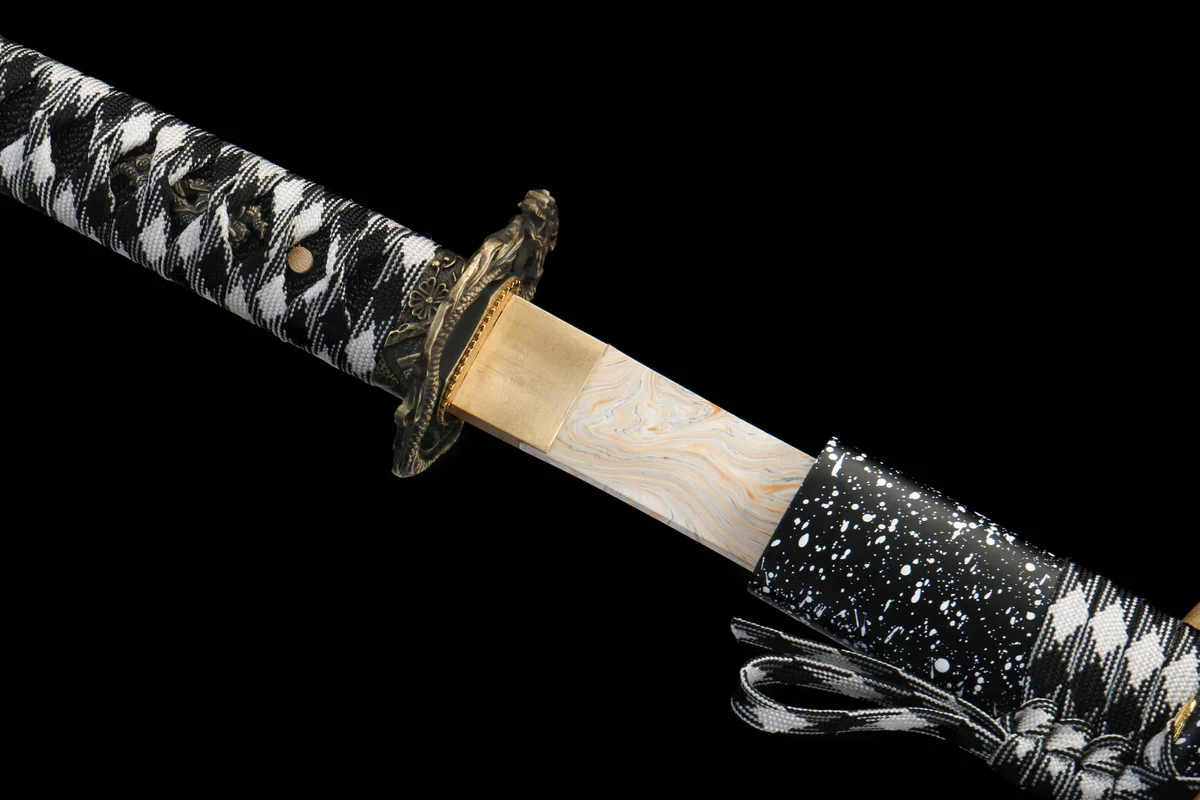
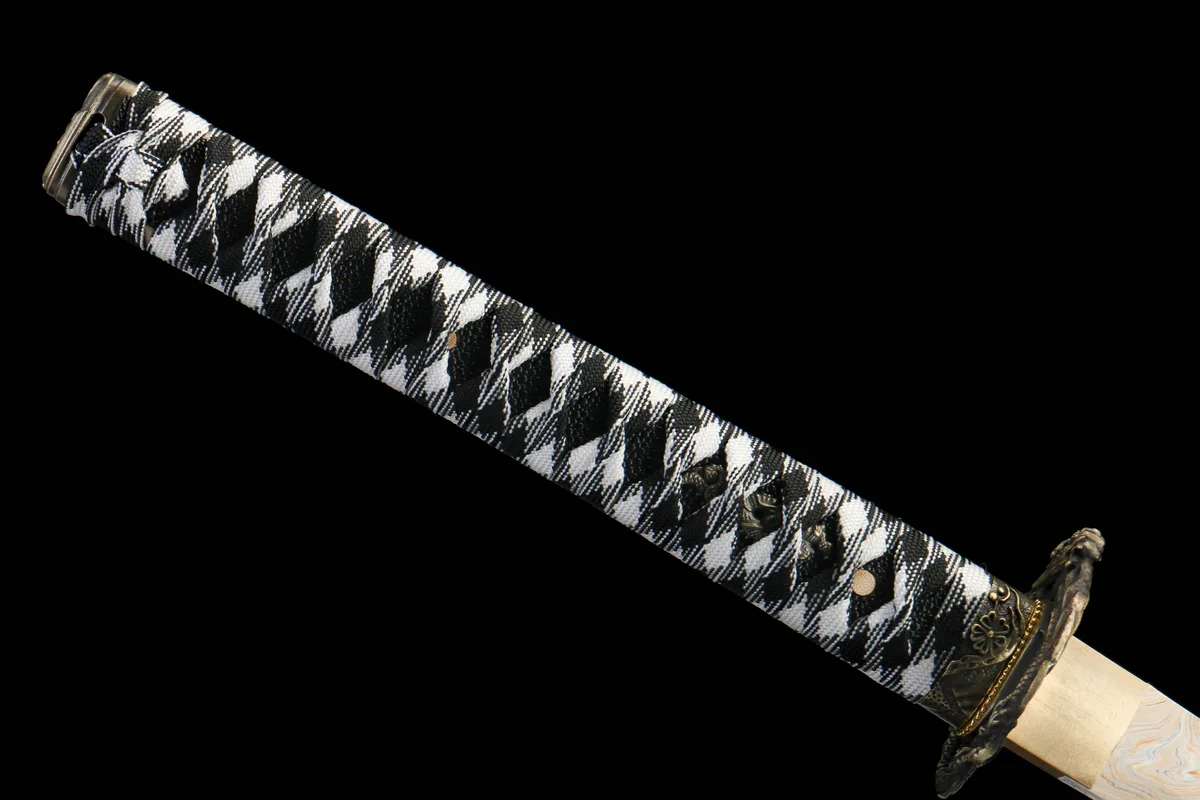
The 27 cm tsuka (handle) is wrapped in cotton ito (cord) in the traditional diamond-pattern lozenge wrap – tight, even, and clean under a camera lens. The alloy fittings at the tsuba (guard) and habaki (blade collar) are finished to match the overall tonal palette of the piece. When you hold it before mounting, the cotton wrap grips the palm cleanly, and the piano-lacquered saya draws smoothly without sticking. This is a sword that photographs well from every angle – blade out, blade sheathed, or mounted.
Care
Wipe the blade with a soft, dry cloth after handling to prevent fingerprint oxidation on the steel surface. The piano-lacquer saya responds well to an occasional pass with a clean microfiber cloth – avoid abrasive materials that will scratch the gloss. Keep the piece away from direct humidity and prolonged sunlight to preserve both the lacquer depth and the blade finish.
| Weight | 1.32 lbs |
|---|---|
| Dimensions | 102.0 × 3.2 × 0.7 in |
| Hamon | Decorative / Acid-Etched |
| Blade Steel | 1045 Carbon Steel |
| Total Length | 102.0 cm |
| Blade Length | 72.0 cm |
| Heat Treatment | Temper |
| Handle Wrap | Cotton Ito Wrap |
| Sheath Material | 实木钢琴烤漆 |
| Fittings | Alloy |
| Forging Style | 鎬造 |
Related products