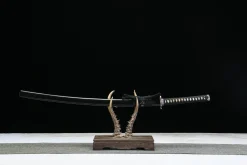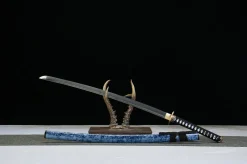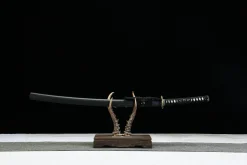

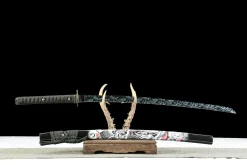




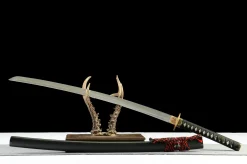
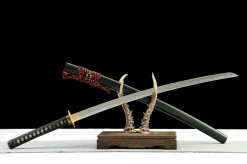









Steel Shadow – Hand Forged 1065 Carbon Steel Katana Sword
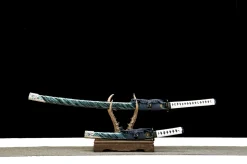
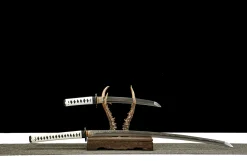
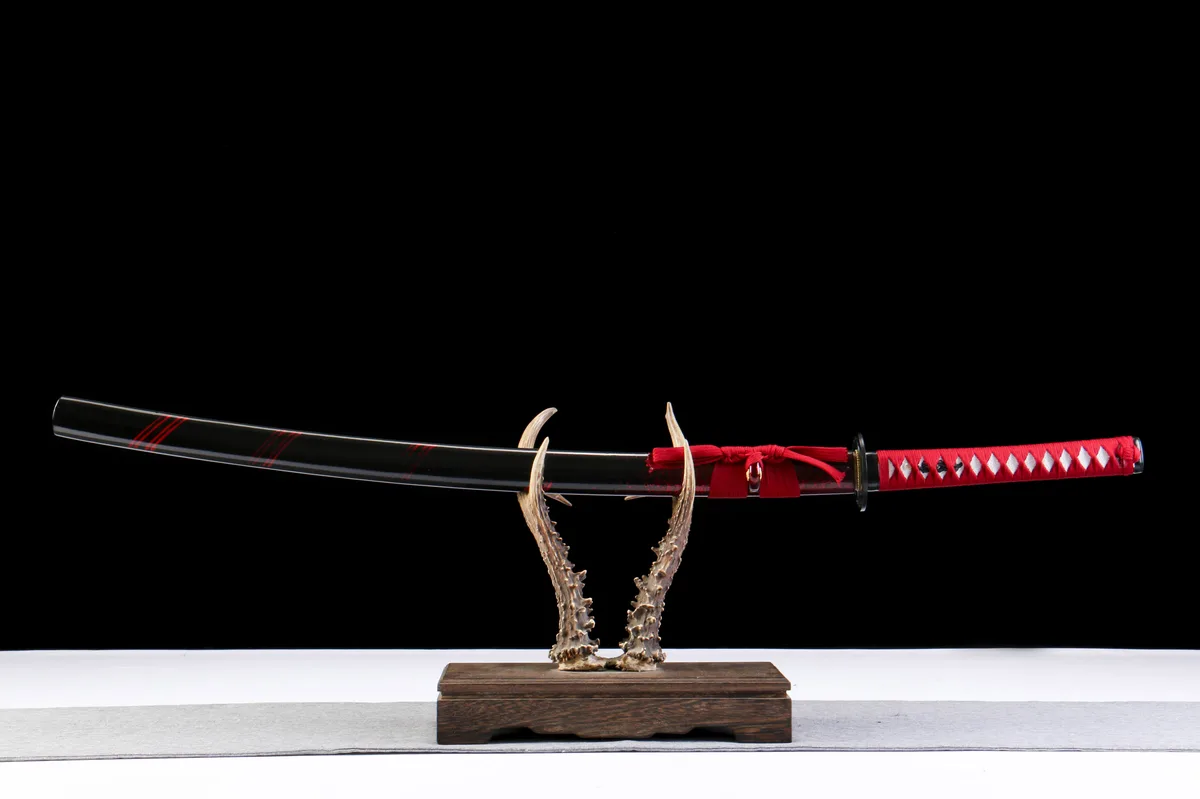
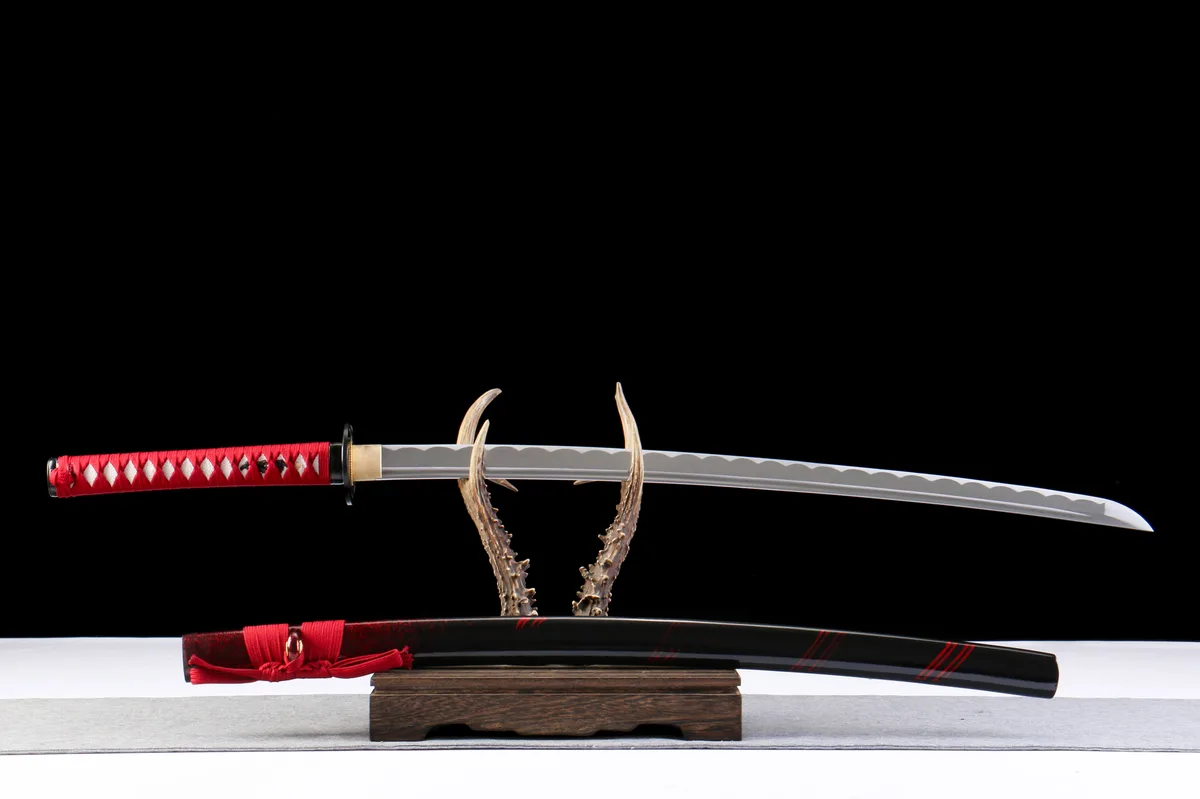
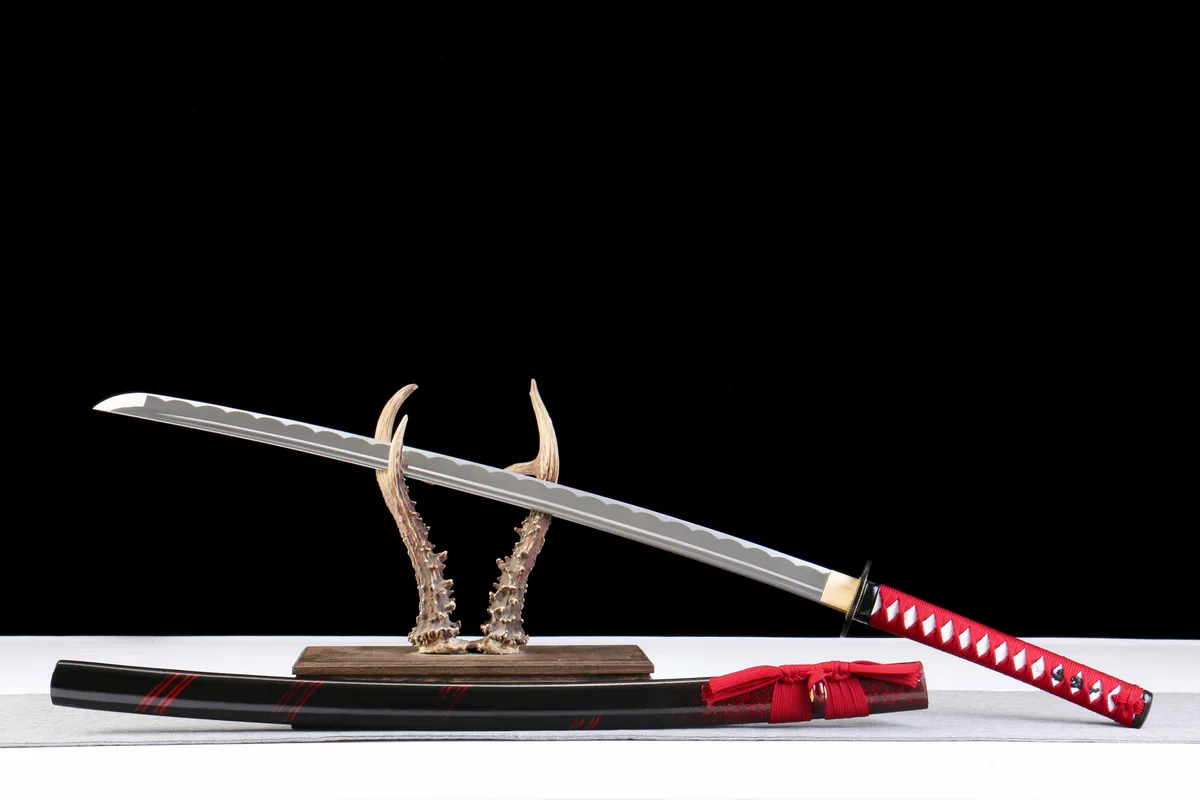
Hand-forged 1065 Carbon Steel katana (102cm total / 72cm blade), crafted in Longquan. Full-tang construction with traditional fittings and hand-lacquered saya.
$219.99
Steel Shadow – Hand Forged 1065 Carbon Steel Katana Sword
1065 high carbon steel sits at a practical midpoint in the carbon steel spectrum – enough carbon content to hold a keen working edge, enough toughness to absorb the lateral stress a blade encounters under real use without becoming brittle. This is not steel for the shelf.
Specifications
| Blade Steel | 1065 High Carbon Steel |
| Total Length | 102.0 cm / 40.2 in |
| Blade Length | 72.0 cm / 28.3 in |
| Blade Width | 3.2 cm |
| Weight | 1040 g / 36.7 oz |
| Heat Treatment | Controlled Constant-Temperature Furnace (马沸炉 恒温热处理) |
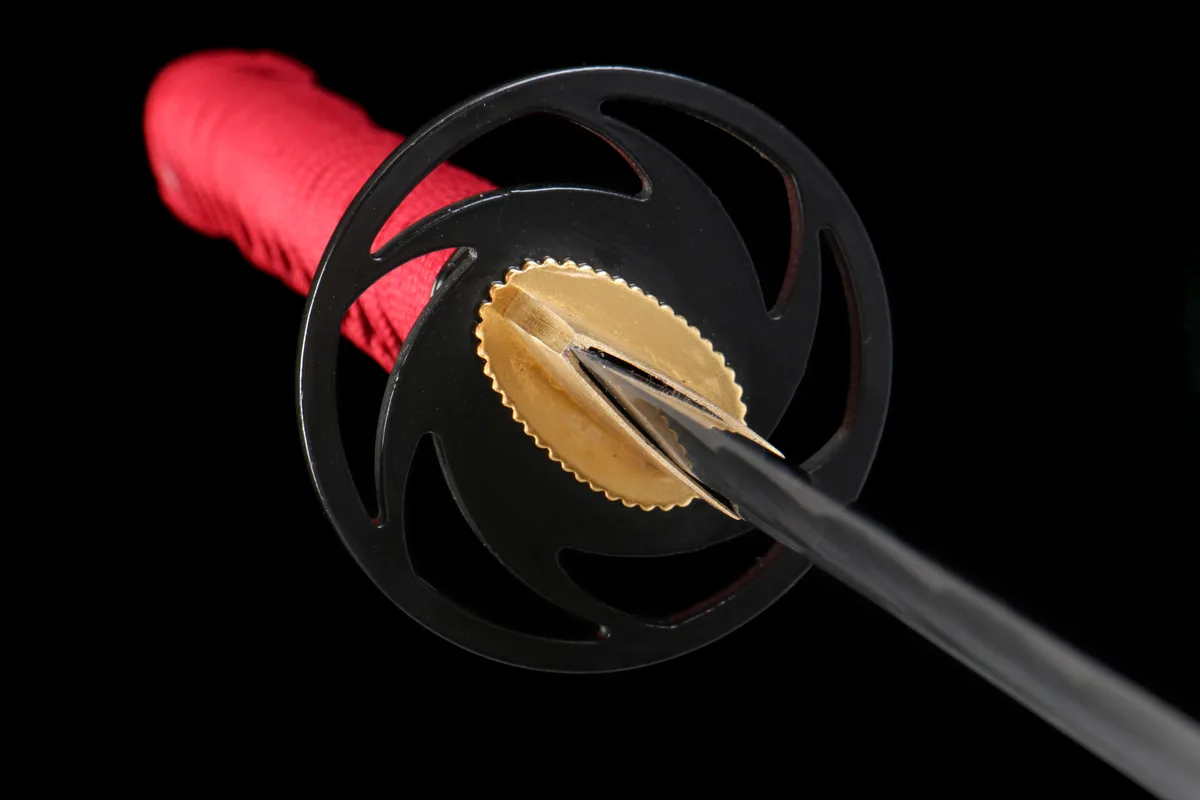
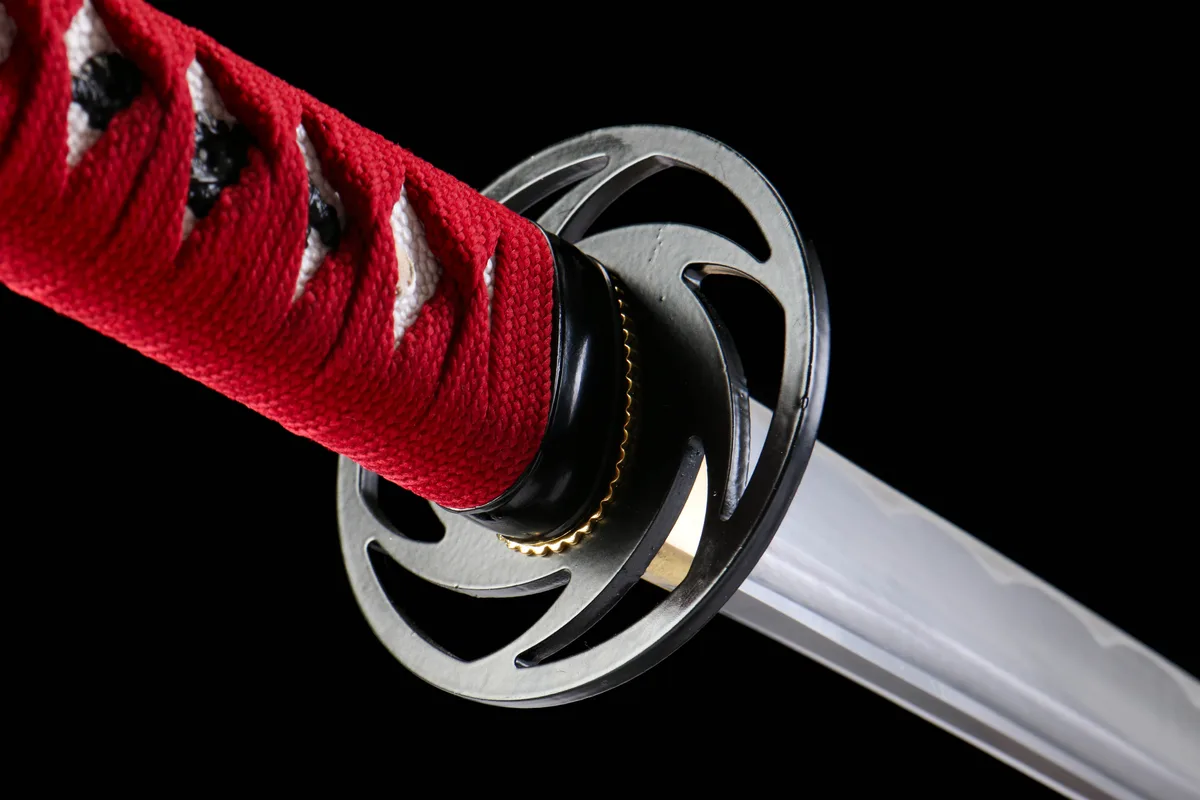
| Fittings | Iron |
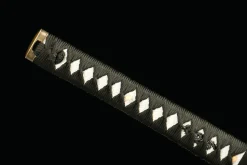
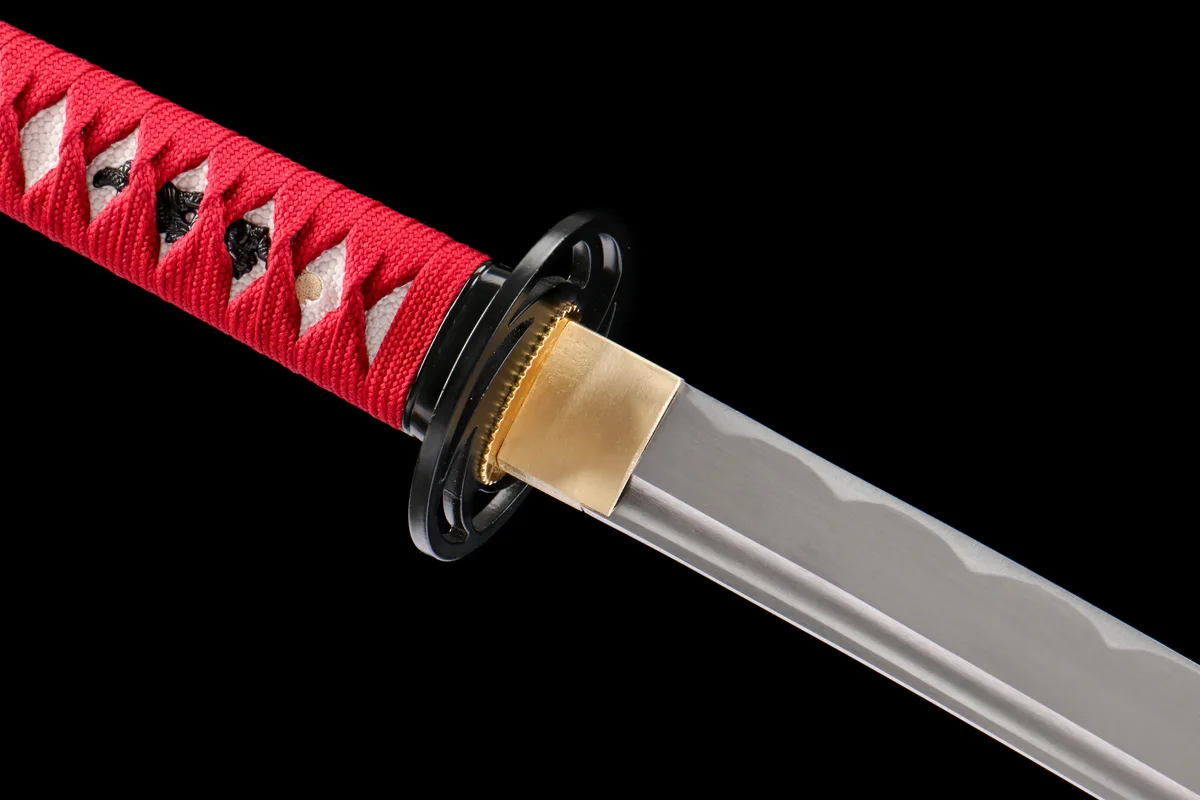
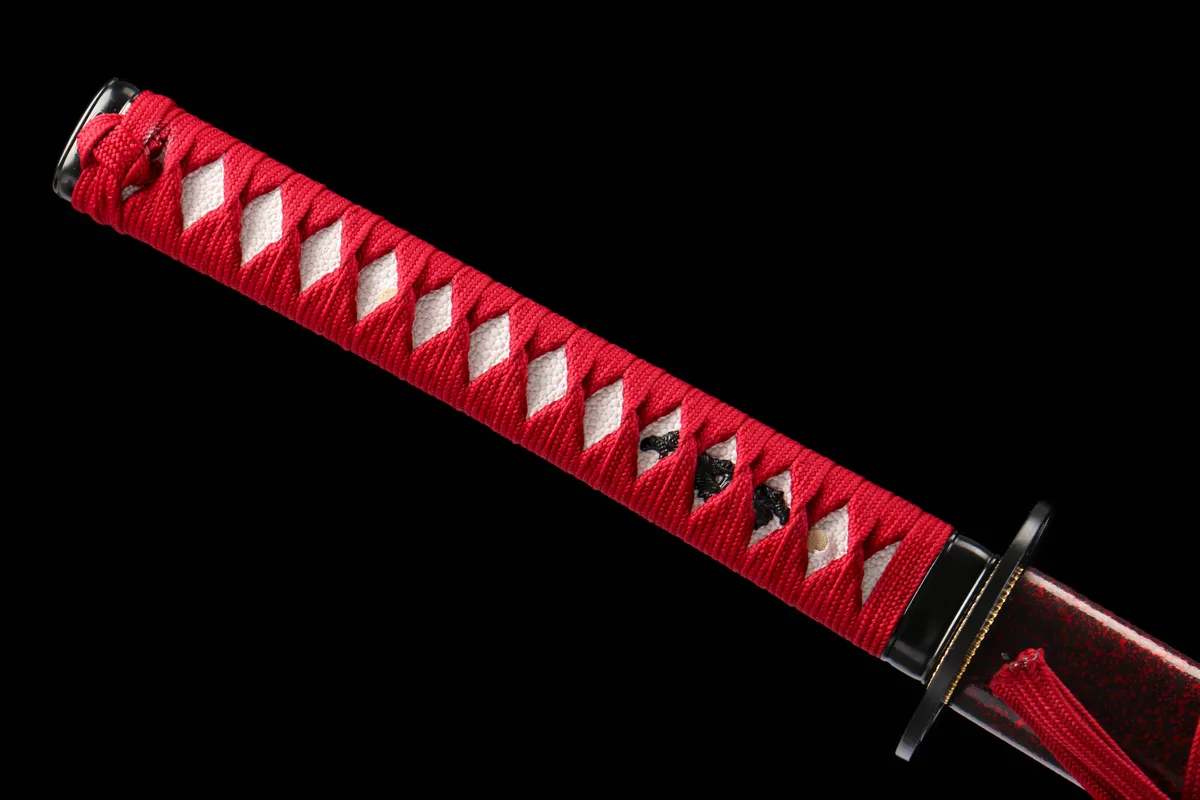
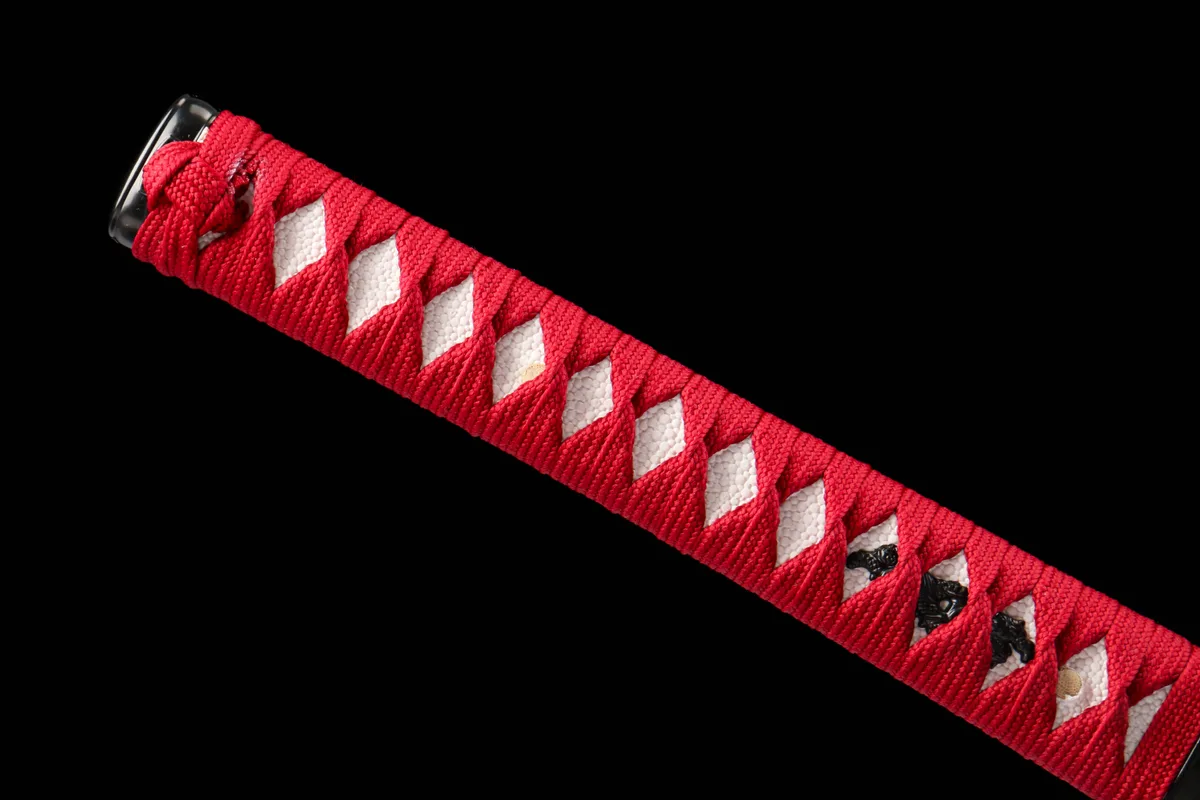
| Handle | Cotton Ito + Genuine Rayskin |
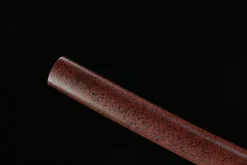
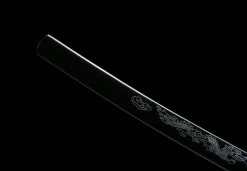
| Sheath | Hardwood, High-Gloss Lacquer |
What the Steel Does
1065 lands at roughly 0.65% carbon by composition. That number matters because it positions the steel firmly in the zone where edge retention and shock resistance stay balanced – you get a blade that sharpens to a working geometry and stays there through repeated sessions, without the brittleness risk that higher-carbon steels carry when edge geometry is challenged off-axis.
The heat treatment here uses a 马沸炉 (ma-fei furnace) – a controlled constant-temperature furnace that eliminates the variability of hand-eye temperature judgment. The soak and quench cycle is repeatable and precise, which means the hardness across the blade is consistent rather than gradient. You are not guessing where the steel is reliable and where it is not. The shinogi-zukuri (ridgeline) geometry adds structural rigidity through the raised spine, distributing stress efficiently along the blade’s length during use.
The Feel of It
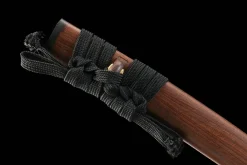
The 26.0 cm handle wraps genuine rayskin (same – the pebbly ray hide used in traditional Japanese sword construction) under tight cotton ito, creating a grip that locks under the fingers without needing to be squeezed. That texture combination is not cosmetic – it gives you purchase without fatigue. The 72.0 cm blade in shinogi-zukuri profile has a geometry designed to track cleanly through a cut, and the high-gloss lacquered hardwood saya draws smoothly without drag.
Maintenance Notes
After any cutting session, wipe the blade clean with a soft cloth and apply a thin film of choji oil (clove oil traditionally used for Japanese blade maintenance) or mineral oil to prevent surface oxidation. The same rayskin handle can be wiped down with a dry cloth – avoid soaking it with any liquid cleaner. Store horizontally or edge-up in the saya in a dry environment away from temperature extremes.
| Weight | 1.32 lbs |
|---|---|
| Dimensions | 102.0 × 3.2 × 0.7 in |
| Hamon | Decorative / Acid-Etched |
| Blade Steel | 1065 Carbon Steel |
| Total Length | 102.0 cm |
| Blade Length | 72.0 cm |
| Heat Treatment | 马沸炉 恒温热处理 |
| Handle Wrap | Cotton Ito + Genuine Rayskin |
| Sheath Material | Hardwood (High-Gloss Lacquer) |
| Fittings | Iron |
| Forging Style | Shinogi-Zukuri (Ridgeline) |
Related products