










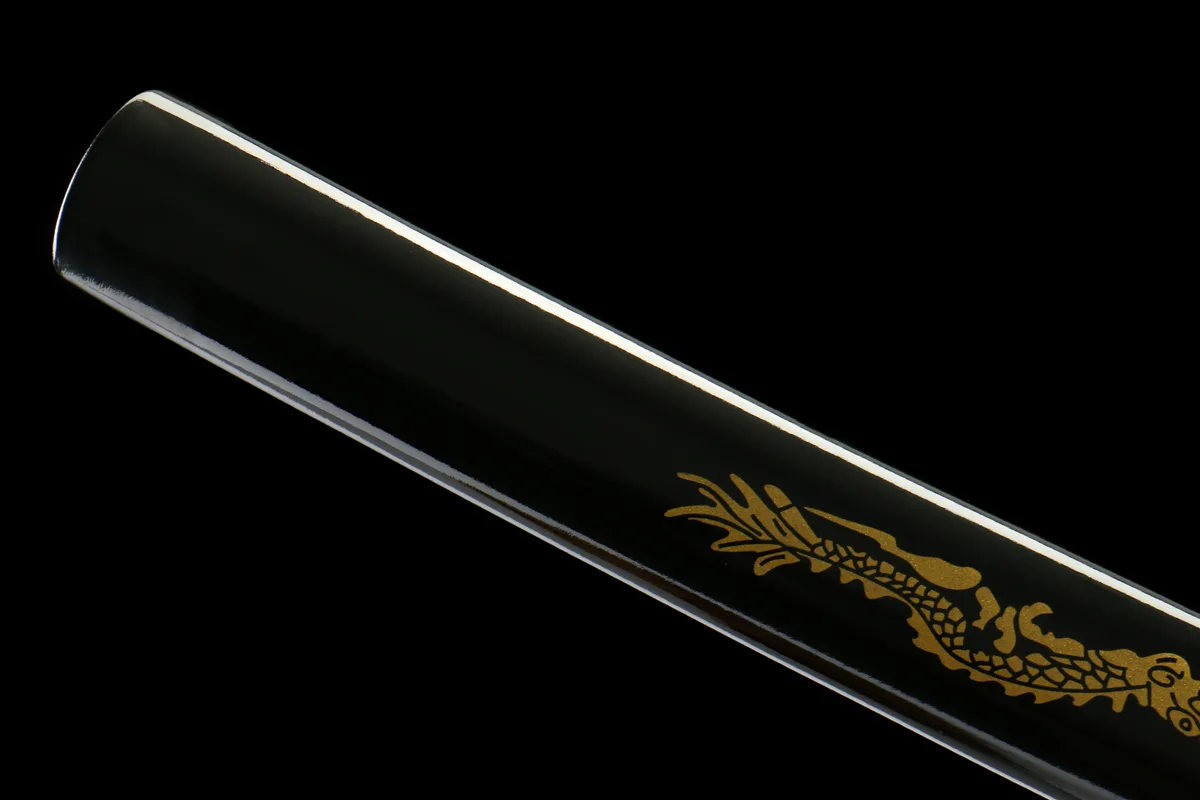


Tempered Frost – Hand Forged T10 Tool Steel Katana Sword
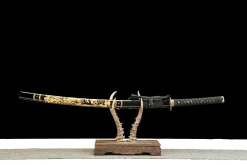
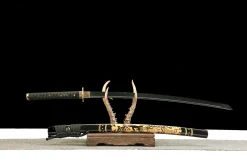
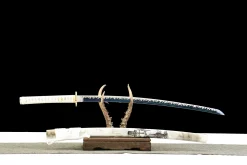
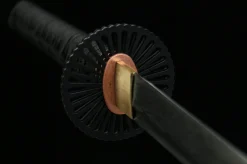
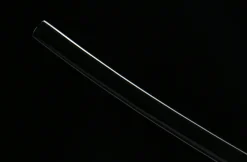
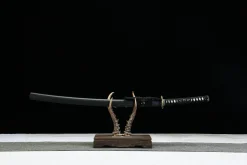
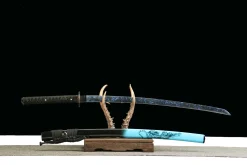
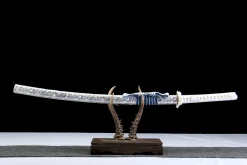
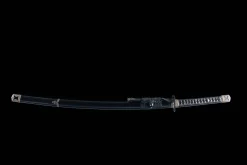
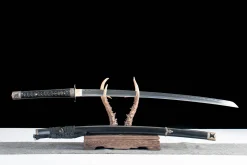
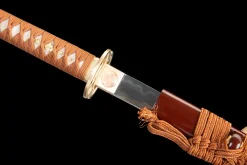
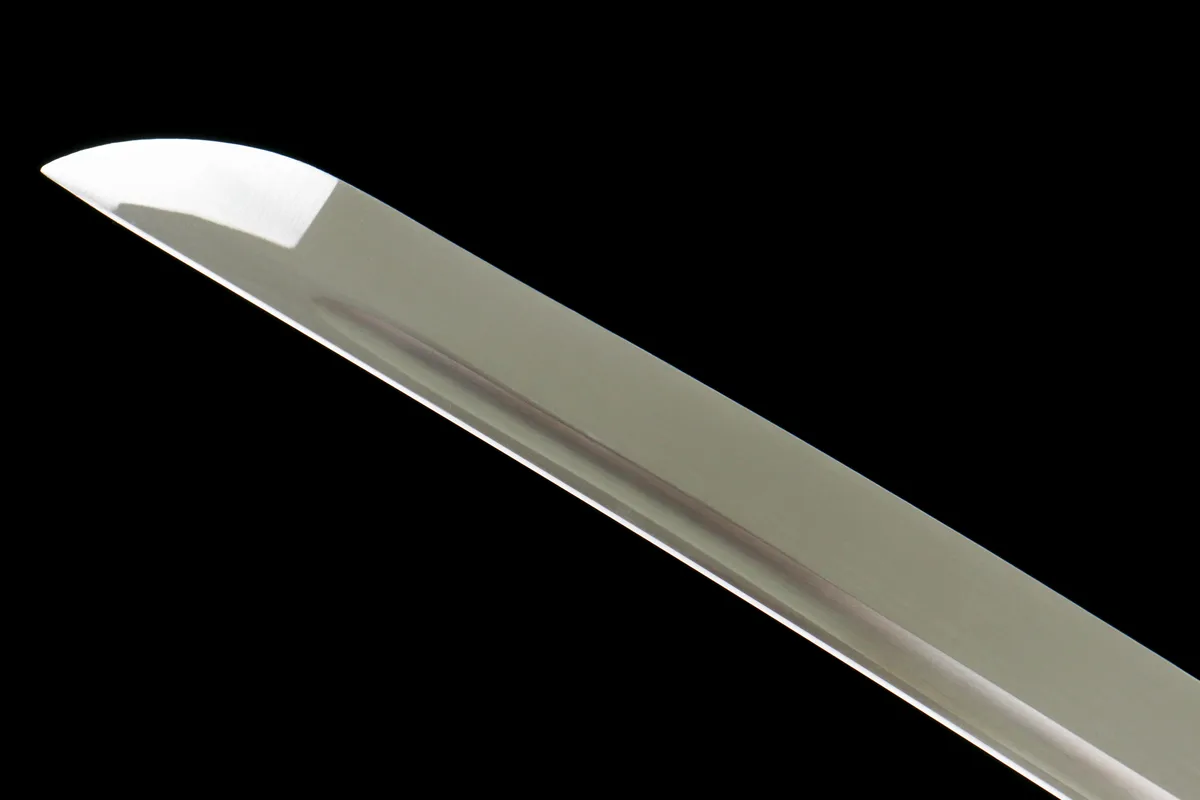
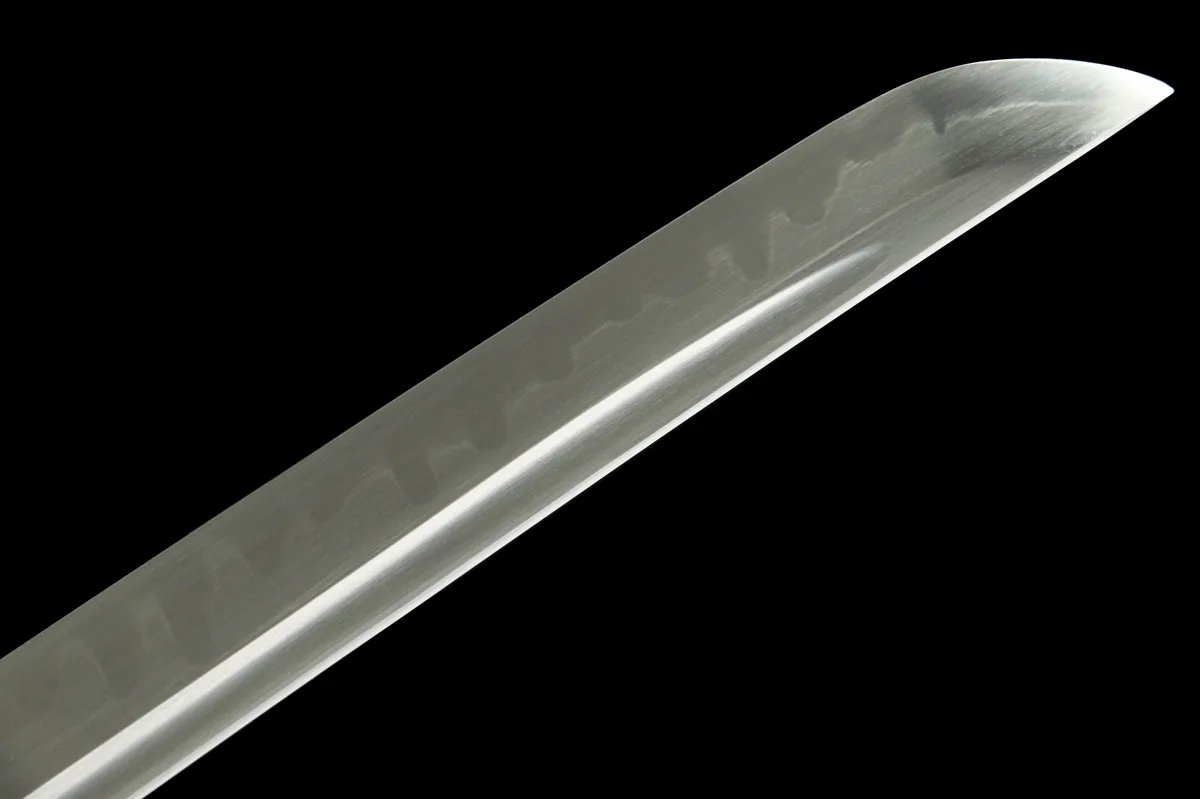
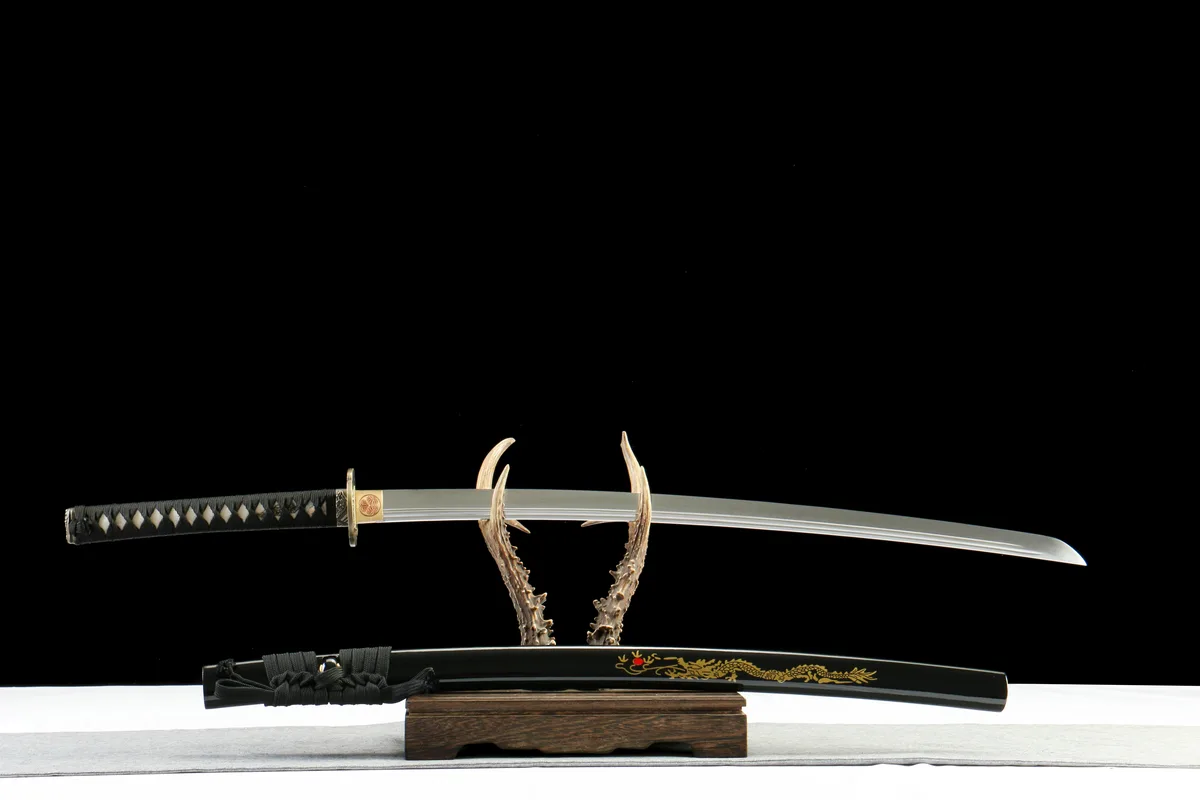
Hand-forged T10 Tool Steel katana (72cm blade), crafted in Longquan. Clay-tempered blade with a genuine hamon line — visible contrast between hardened edge and soft spine.
$409.99
Tempered Frost – Hand Forged T10 Tool Steel Katana Sword
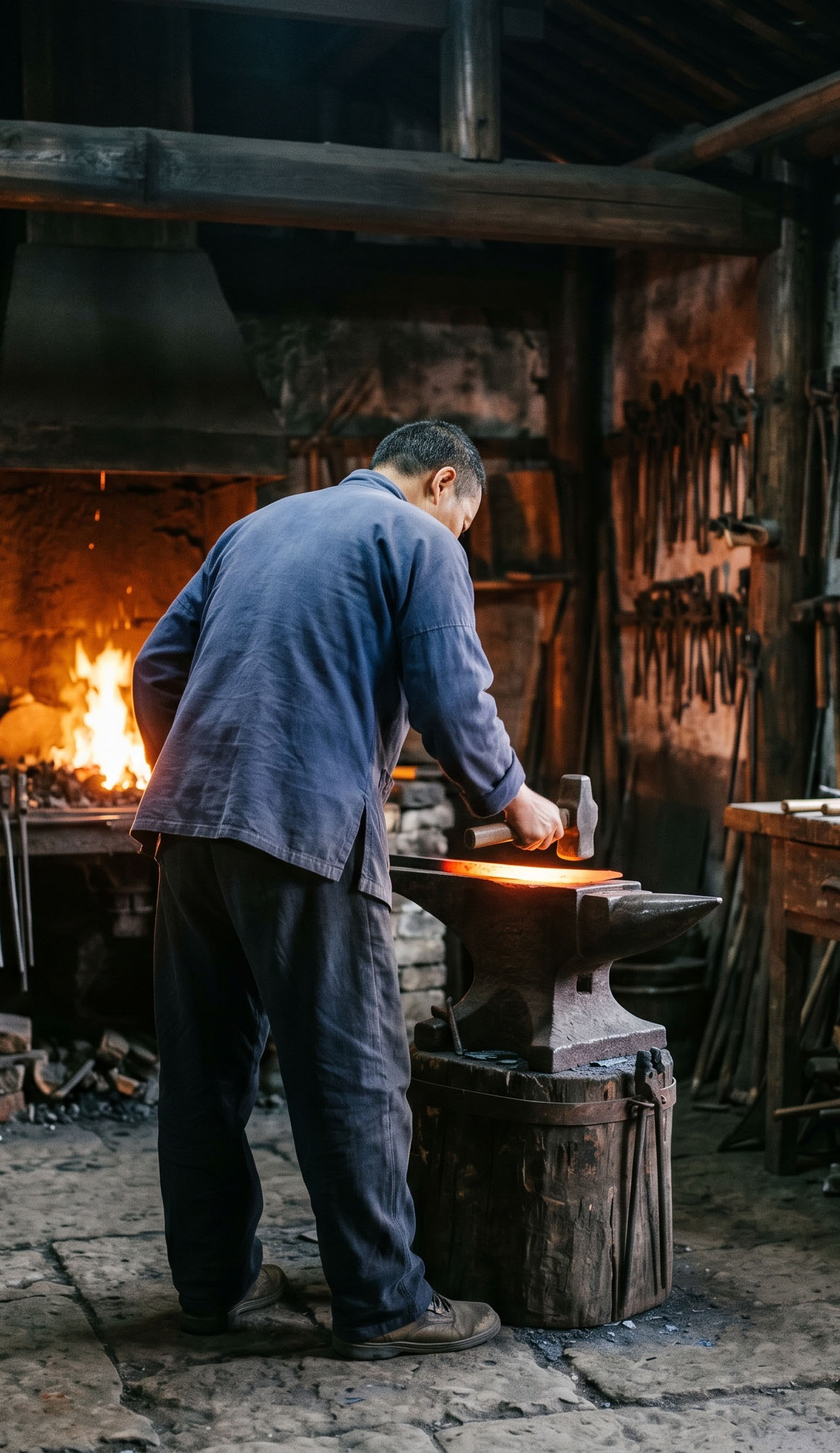
Among katana in its class, Tempered Frost carries a construction detail that separates it from straightforward oil-quench blades: T10 high speed tool steel under a clay-tempering process that produces genuine differential hardness across the blade’s cross-section – a harder edge zone and a more resilient spine, each doing the job it is metallurgically suited for.
Specifications
| Blade Steel | T10 High Speed Tool Steel |
| Blade Length | 72.0 cm / 28.3 in |
| Blade Width | 3.2 cm |
| Blade Thickness | 0.7 cm |
| Weight | 1040 g / 36.7 oz |
| Heat Treatment | Clay Tempering (Differential Hardening) |
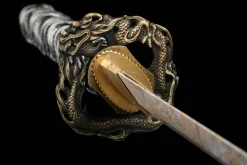
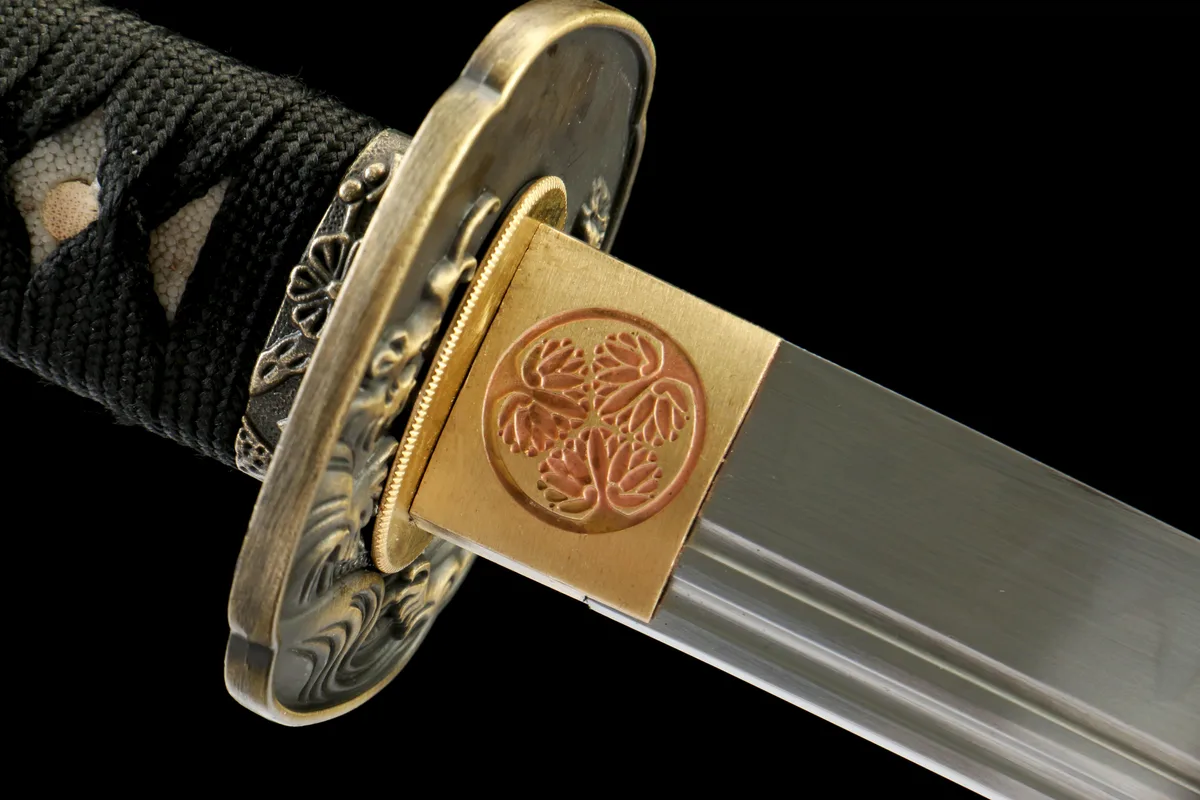
| Fittings | Zinc Alloy |
| Handle | Cotton Ito Wrap over Genuine Rayskin (Same) |
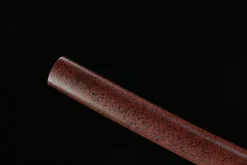
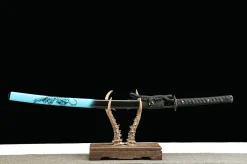
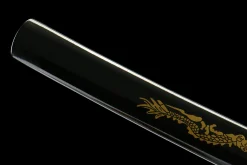
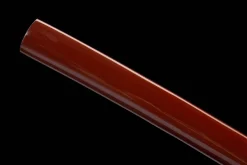
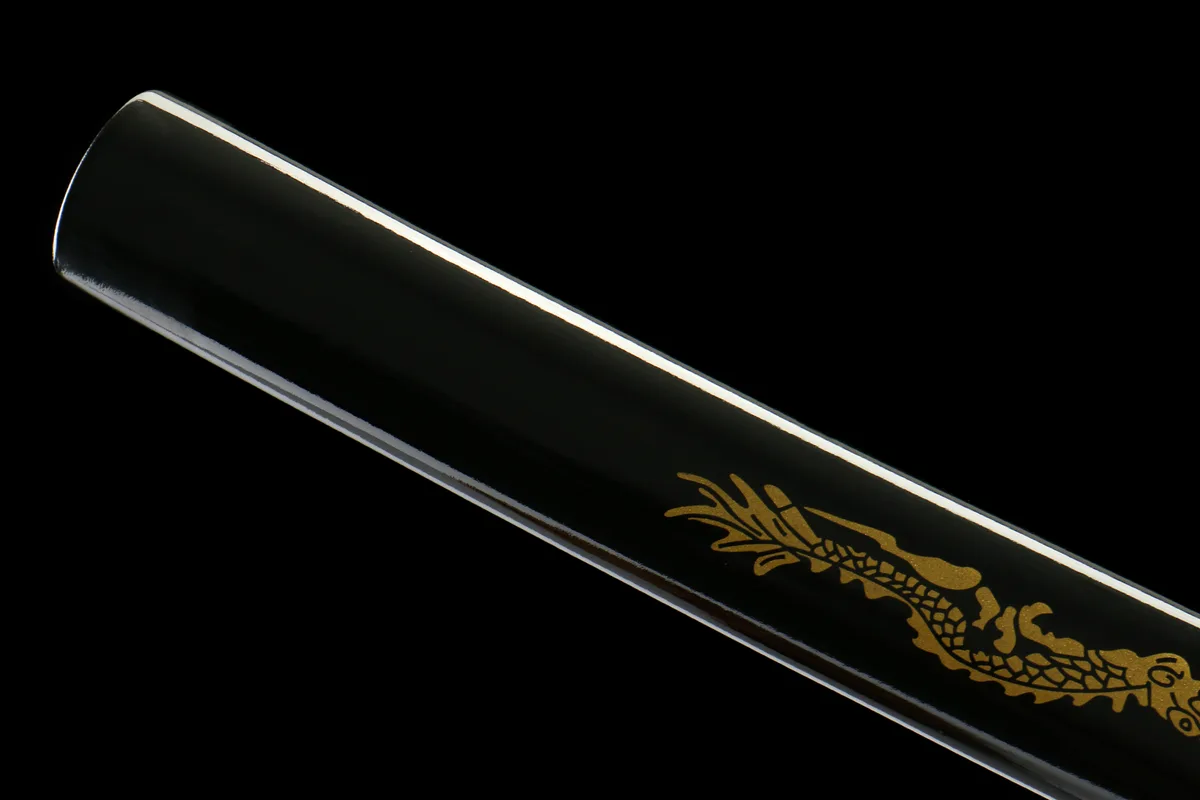
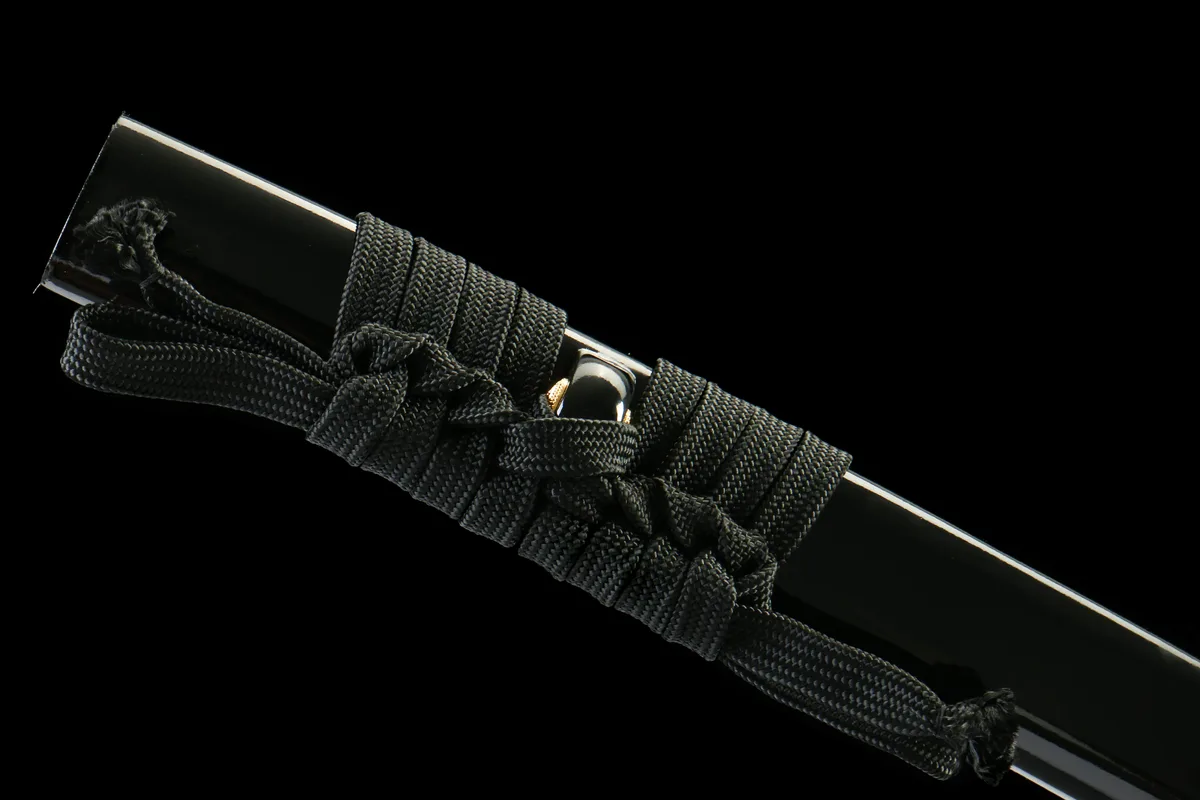
| Sheath | Hardwood, High-Gloss Lacquer |
What the Steel Does
T10 is a tungsten-alloyed high-carbon tool steel – the tungsten addition tightens grain structure and increases the steel’s resistance to edge wear, which is why it outperforms standard carbon alloys in edge retention over a sustained cutting session. The clay tempering process selectively hardens the ha (edge zone) to approximately Rockwell 60-62 while the spine, protected during the quench by a layer of refractory clay slurry, cools more slowly and settles into a tougher, lower-hardness structure. The hamon – the visible temper line that runs along the blade as evidence of this differential – is a functional artifact, not an applied finish. It is real, and it tells you something true about how this blade was made.
The shinogi-zukuri (ridgeline) profile reinforces the performance characteristics of the steel. The defined ridge creates a geometry that reduces resistance on entry and allows the harder edge bevel to engage cleanly, while the mass above the ridge contributes to structural integrity on the back of the blade. At 3.2 cm wide and 0.7 cm at the spine, the geometry is purposeful throughout.
The Feel of It
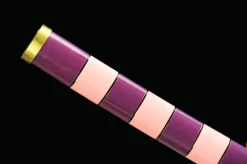
The 26 cm tsuka (handle) is wrapped in cotton ito over genuine same (rayskin) – the same’s raised nodular surface locks the wrap in place and provides a tactile anchor that bare hands register immediately and maintain under exertion. The draw from the high-gloss lacquered hardwood saya is clean, with the koiguchi (sheath mouth) fitted close enough to provide audible feedback on the draw without creating resistance. The 72 cm blade length is a standard, well-proven proportion for the shinogi-zukuri form.
Maintenance Notes
T10 is not stainless – oil the blade after each session with choji or mineral oil and keep it seated in the saya when not in use. The hamon line can be brought up clearly with a light application of uchiko polishing powder followed by a clean oil wipe. Keep the same (rayskin) on the handle dry and free of oils to maintain grip integrity over time.
| Weight | 1.32 lbs |
|---|---|
| Dimensions | 3.2 × 0.7 in |
| Hamon | Real Hamon (Clay Tempered) |
| Blade Steel | T10 Tool Steel |
| Total Length | None cm |
| Blade Length | 72.0 cm |
| Heat Treatment | Oil Quench |
| Handle Wrap | Cotton Ito + Genuine Rayskin |
| Sheath Material | Hardwood (High-Gloss Lacquer) |
| Fittings | Zinc Alloy |
| Forging Style | Shinogi-Zukuri (Ridgeline) |
Related products