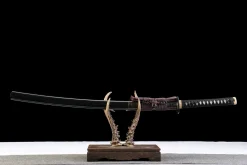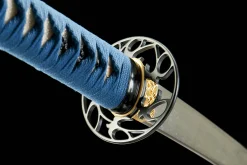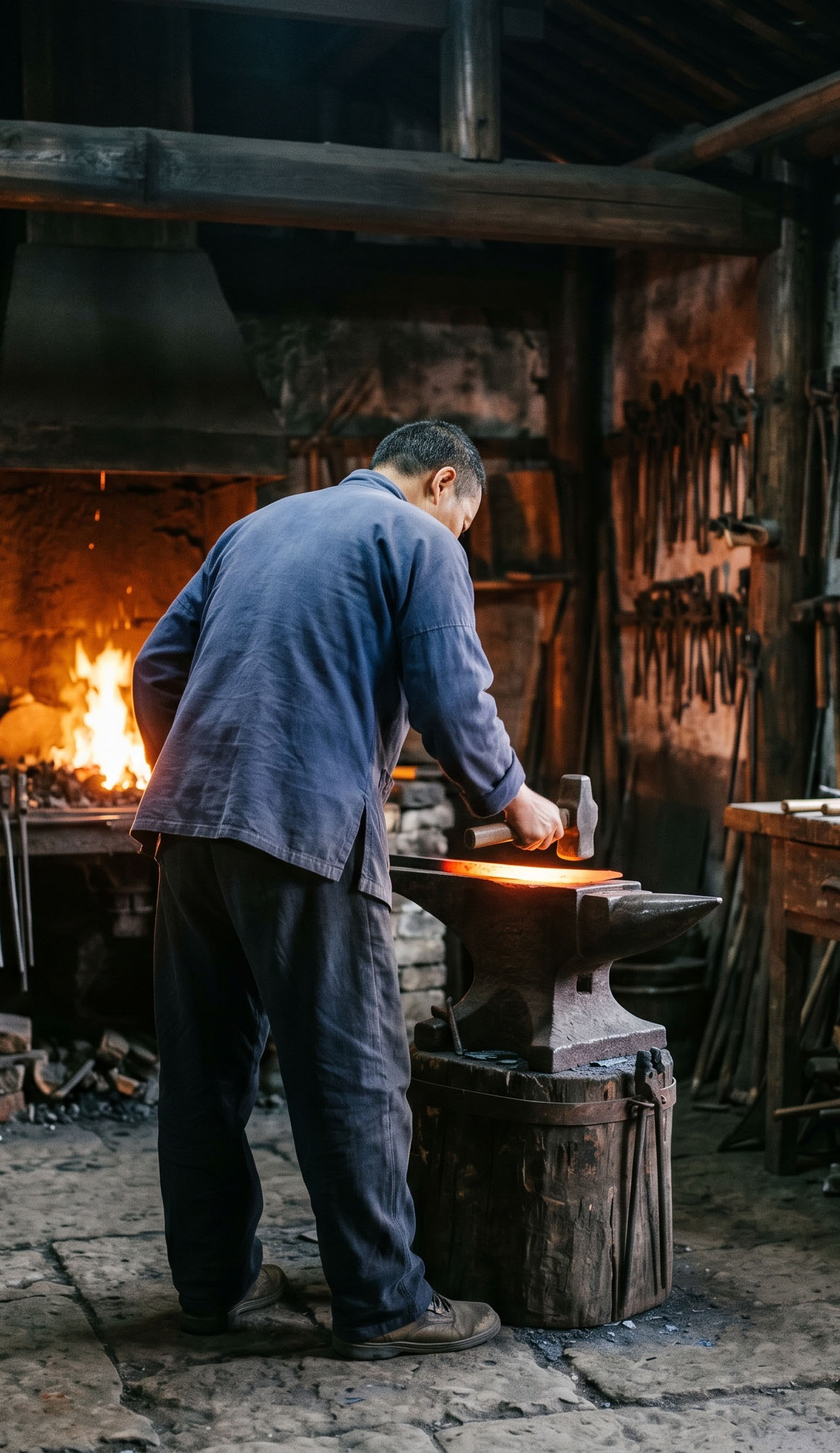







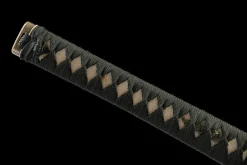
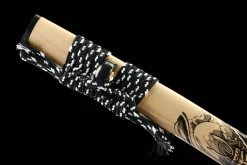

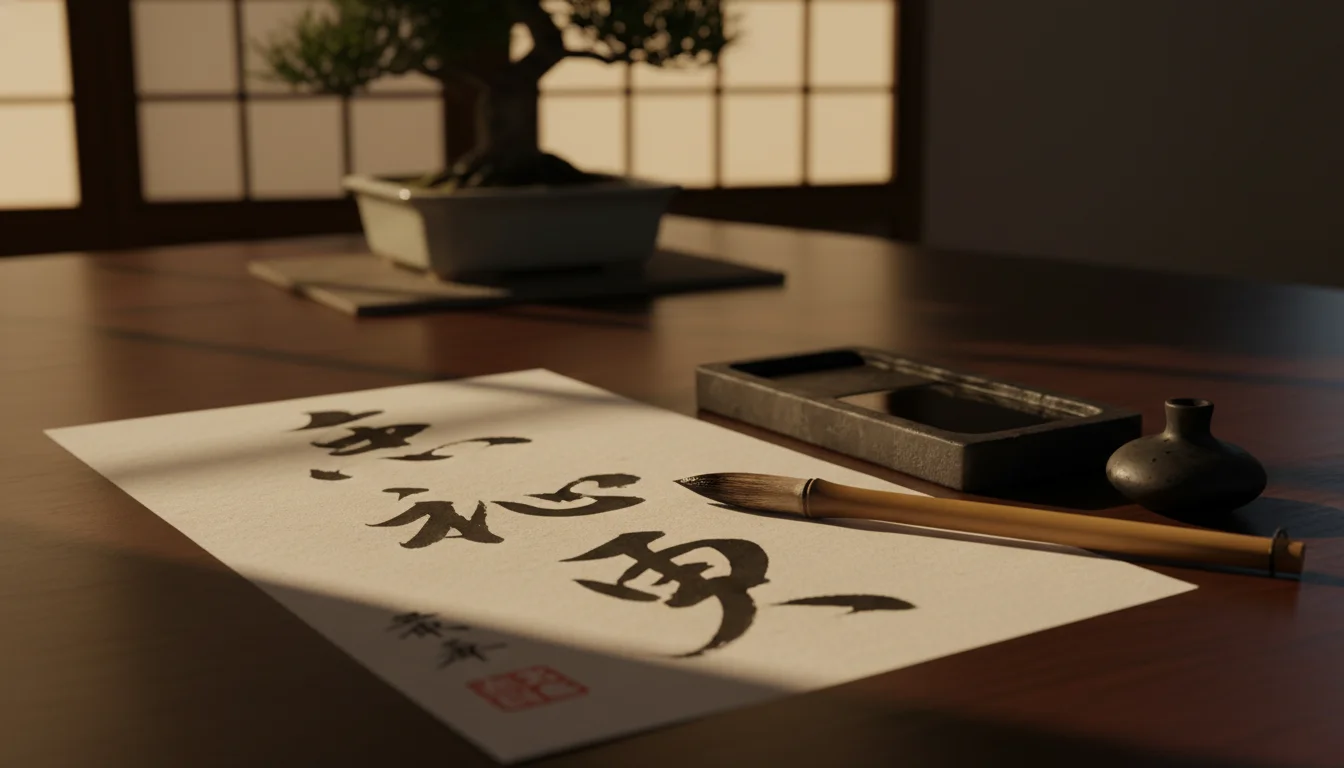
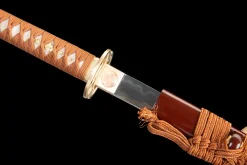
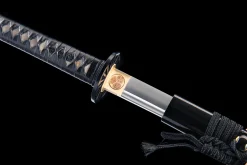
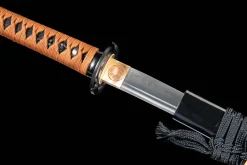
Most people who ask about the samurai code want a clean list of rules. Eight virtues, memorize them, done. But bushido was never a written law. It was a set of expectations that accumulated over centuries of warfare, court politics, and long peaceful stretches where a warrior had nothing to do but think about what it meant to carry a blade. The sword sat at the center of all of it. Not as decoration, and not merely as a weapon. Understanding what bushido actually demanded of a samurai means understanding what the sword represented to him every single morning he strapped it to his side. Inazo Nitobe codified the virtues most people reference today in his 1900 book Bushido: The Soul of Japan. The eight are: righteousness (gi), courage (yu), benevolence (jin), respect (rei), honesty (makoto), honor (meiyo), loyalty (chu), and self-control (jisei). Nitobe was writing for a Western audience and working partly from memory and cultural synthesis, so treat his list as a useful framework rather than a historical document. What matters practically is that these virtues were not separate items to be checked off. They formed a tension. Courage without righteousness produced brutality. Loyalty without self-control produced recklessness. A samurai who lacked benevolence toward those beneath him was considered a disgrace regardless of his skill with a blade. The training reinforced this. Hours of kata were not just physical conditioning. Repeating the same draw, cut, and sheath several hundred times a day was a meditation on precision and restraint. You were training the body to act correctly before the mind had time to intervene with fear or rage. By the Edo period (1603-1868), the Tokugawa shogunate had mandated that samurai carry the daisho, the paired katana and wakizashi, at all times. Japan had been at relative peace for decades. The sword was doing very little actual fighting. What it was doing was communicating social position, moral standing, and personal identity in every room a samurai entered. The fittings on the blade became an art form during this period. Tsuba were carved from iron and copper. Menuki were shaped into animals, deities, and natural motifs. Fuchi-kashira sets were commissioned from specialist artisans. A samurai’s blade was, in effect, a portable autobiography. There is a practical observation worth making here. When you handle a traditionally mounted katana and pay attention to where the eyes are drawn, they go first to the tsuba, then up the handle toward the blade. The fittings frame the weapon. That framing was intentional, and the samurai class understood it completely. The samurai sword meaning in this context was inseparable from the man wearing it. To insult the sword was to insult the samurai. To touch another man’s sword without permission was, in many contexts, grounds for a duel. Iaijutsu, the formal discipline of the quick draw, became codified during the Muromachi period (1336-1573) as infantry combat replaced mounted warfare. The katana replaced the older tachi precisely because its edge-up carry position allowed a faster draw from a standing or crouching posture. The tachi, worn edge-down, made sense on horseback. On foot, it was slower when fractions of a second decided things. But iaijutsu was never only about speed. The ethics of drawing were as important as the mechanics. Bushido held that a sword drawn should not return to the saya without purpose. This created a significant psychological weight around the act of drawing. You did not draw to threaten. Drawing was commitment. This is something you feel when you practice with a properly fitted blade. The habaki, the collar that fits snugly into the koiguchi at the mouth of the saya, creates a deliberate resistance on the draw. That resistance is not a flaw. It ensures the blade does not rattle loose, does not expose the edge accidentally, and gives the wielder one final moment of physical resistance before the draw is committed. The saya, in that sense, enforces the philosophy. The concept of saya no uchi no kachi, “victory while still in the sheath,” captures bushido’s highest ideal. Winning a situation through presence, discipline, and reputation without drawing at all was considered the superior outcome. The sword’s power was greatest when it remained sheathed. The daisho was not simply two swords. It was a formal statement of class membership under Tokugawa law. Only samurai were permitted to carry a katana in public. Merchants, farmers, and craftsmen could carry a tanto or short blade for personal protection, but the long blade was the samurai’s alone. This created a layered system of responsibility. The right to carry the katana came with the expectation that you would use it correctly, govern your behavior accordingly, and answer for your actions through the same strict code that governed your superiors. Wearing the blade was a public declaration that you accepted those terms. The wakizashi served functions the katana could not. Indoors, where the long blade was impractical, the wakizashi was the primary weapon. It was also the blade used for seppuku, the ritual suicide that allowed a samurai to die by his own hand rather than suffer capture or disgrace. The short sword carried the heaviest symbolic weight of the pair. For a deeper look at how steel choices affect both function and tradition in modern reproductions, our steel comparison guide covers the practical differences between T10, 1095, and layered construction in real working terms. After the Haitorei edict of 1876 banned carrying swords in public, the physical practice of bushido lost its daily expression. Many swordsmiths lost their livelihoods overnight and survived by pivoting to kitchen knives and agricultural tools. Traditional sword knowledge came within a generation of disappearing entirely. The postwar Allied occupation initially banned sword production in Japan altogether. By 1953, the Japanese government recognized swordmaking as a cultural art, and the slow revival began. Today, Living National Treasure designations protect master smiths, and the knowledge passed down through that narrow window of survival now informs both Japanese and international production. Longquan, China, where our workshop operates, has produced bladed tools and weapons for over 2,600 years. The regional tradition did not experience the same near-extinction. That continuity matters. The techniques, the metallurgical knowledge, the understanding of how steel behaves at forging temperature, these were never lost here in the same way they were nearly lost in Japan. Modern practitioners of iaido, kenjutsu, and tameshigiri engage with bushido not as historical costume but as a living discipline. The sword they train with connects them to a specific set of physical requirements that have not changed. A blade needs to hold an edge through a cutting session. The balance point needs to support the draw-cut sequence. The handle geometry needs to work with two-handed grip through a full swing. These are not aesthetic preferences. They are functional demands that bushido’s training system produced and that serious modern practitioners still recognize. If you are selecting a blade for practice rather than display, the buying guide covers what to prioritize at different price points and experience levels. For those interested in how the layered construction of traditional blades translates to modern production, our Damascus steel category shows what differential folding produces in a blade you can actually handle. Browse the full katana collection to see how these principles translate into specific blade profiles, steel choices, and mountings at different price points. The sword that connects you to this tradition is the one that fits your hand, suits your practice, and is made with the same standard of accountability the code demanded of the men who first carried these blades.
The Eight Virtues of Bushido
The Sword as Symbol of Honor
Drawing the Blade: When and Why
The Daisho: Status and Responsibility
Bushido in Modern Sword Culture




Frequently Asked Questions
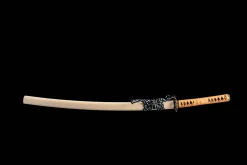
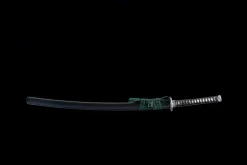
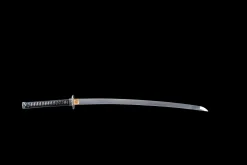
Hand-Forged Katana — Browse the Collection.
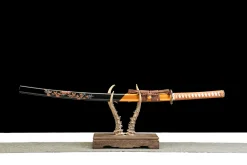
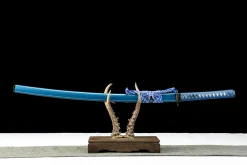
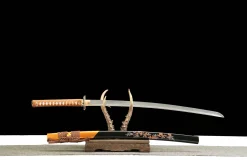
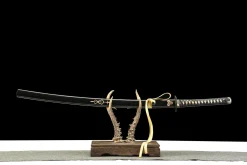
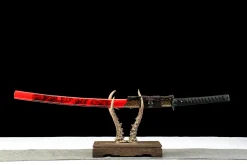
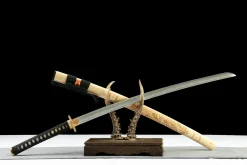
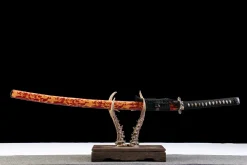
Clay-Tempered Damascus Steel Abyss Edge – Hand Forged Clay-Tempered Damascus Steel Katana Sword